Lion's Mane extract showed no overall cognitive improvement in acute trial
A double-blind trial in Frontiers in Nutrition found that a single 3-gram dose of Lion's Mane fruiting body extract did not significantly improve overall cognition or mood in healthy young adults, though fine motor dexterity improved on the pegboard test.
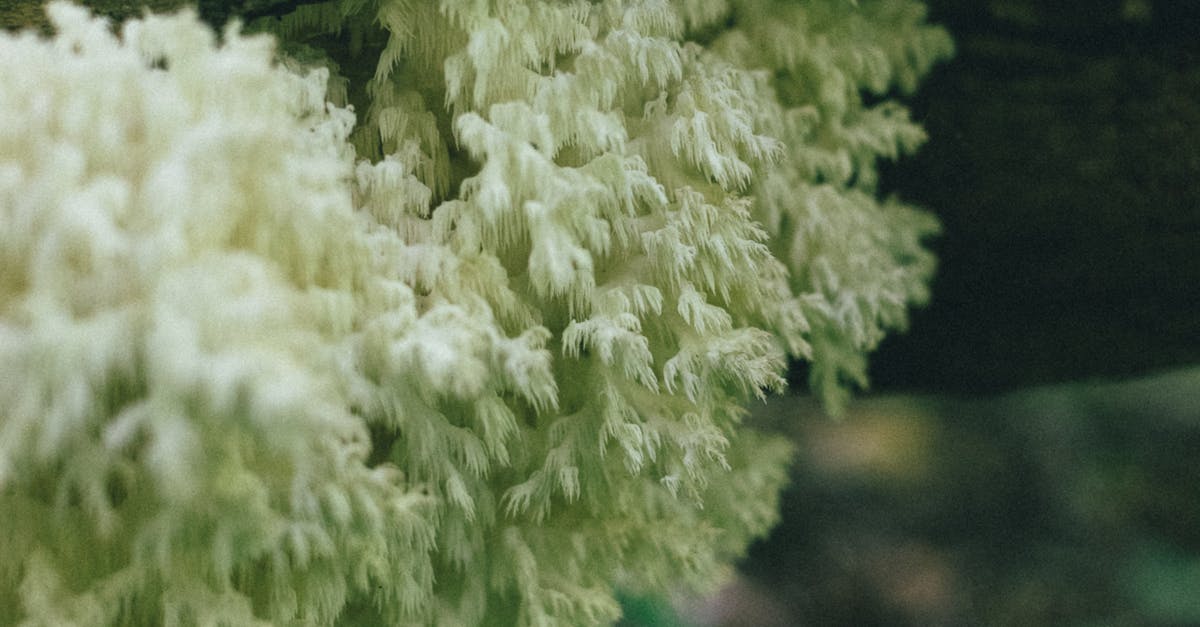
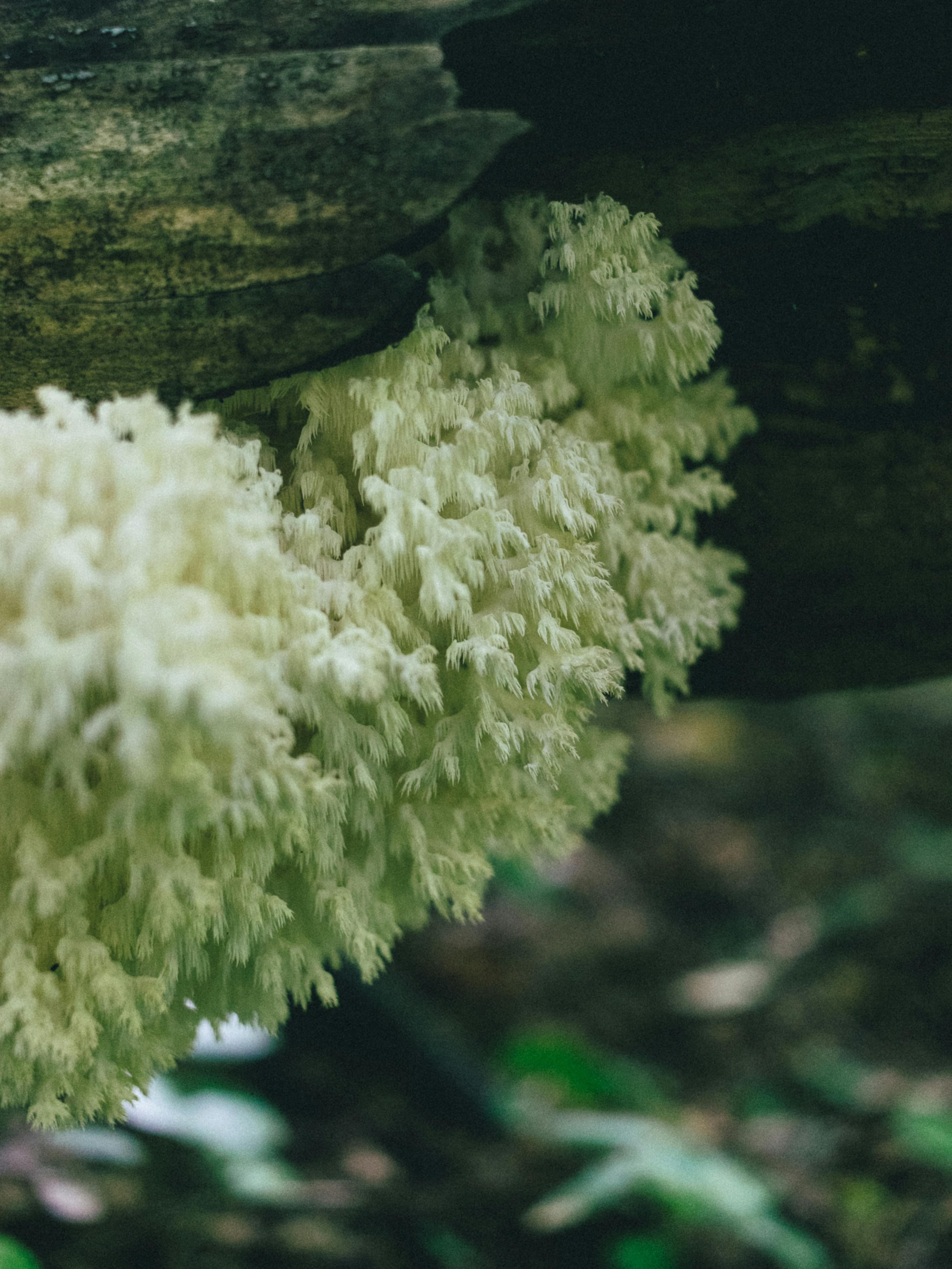
A double-blind, placebo-controlled trial published in April 2025 in Frontiers in Nutrition found that a single 3-gram dose of Lion’s Mane (Hericium erinaceus) fruiting body extract did not improve overall cognitive function or mood in healthy young adults. The study by Surendran and colleagues at the University of Surrey is one of only a few trials to examine the mushroom’s acute effects in a healthy population. The null primary result cuts against the popular claim that Lion’s Mane delivers a reliable nootropic lift within hours.
Lion’s Mane now sits in every supplement aisle, promoted for sharper focus, faster processing, nerve regeneration. The enthusiasm leans heavily on animal research and a handful of human trials in middle-aged or cognitively compromised populations. For a healthy twenty-something expecting an immediate cognitive edge from a single dose, the evidence just got thinner.
How the study was designed
Surendran and colleagues enrolled 20 participants and randomised 18 (10 male, 8 female; mean age 22.78, SD 4.09) into a double-blind, placebo-controlled crossover design. Each participant completed both conditions on separate test days with a seven-day washout. The active drink delivered 3 grams of a 10:1 Lion’s Mane fruiting body extract in 250 millilitres of liquid, matched against a placebo identical in volume, appearance, taste, and macronutrient profile.
The extract was prepared from fruiting bodies sourced from China, using a water and ethanol (8:2) extraction followed by spray-drying over maltodextrin. This specification matters. European and UK food regulations prohibit mycelial extracts in food products, yet most commercially available Lion’s Mane supplements use mycelium grown on grain substrate, not the fruiting body tested here.
The cognitive battery was administered at baseline and 90 minutes post-consumption: executive function (Trail Making Test A and B, Flanker task), working memory (Digit Span), psychomotor speed (Grooved Pegboard, dominant and non-dominant hands), attention and processing speed (Digit Symbol Substitution, Deary-Liewald task). Mood was tracked via the Positive and Negative Affect Schedule (PANAS). The researchers chose 90 minutes because prior acute trials, including a 2023 study by Docherty and colleagues in Nutrients, had tested at 60 minutes. The reasoning was that bioactive compounds might take longer to reach relevant concentrations.
What the study found, and what it did not
The primary result was clear. The global cognitive composite showed no significant effect of the intervention. The mood composite was equally flat (all p > 0.05). A MANOVA across individual tests produced a main effect of intervention (V = 0.81, F(10,8) = 3.30, p = 0.05, ηp² = 0.81), but the intervention × time interaction, which is what matters, did not reach significance (p = 0.07).
Below the composite, the picture got messier. Participants improved on both the dominant and non-dominant Grooved Pegboard tests after the active drink compared to placebo (p < 0.001 for both; ηp² = 0.48 and 0.53). The mean improvement on the dominant-hand pegboard was 0.83 seconds per placement (SE = 0.14). But other measures moved the wrong way. Flanker task performance, which gauges inhibitory attention, was worse after the active drink (p = 0.04, ηp² = 0.22). Trail Making B trended toward decline (p = 0.05).
The authors call the overall findings “inconclusive” and note that “any benefits may be task or domain specific.” One dose may have sharpened a narrow motor ability while leaving other domains flat or slightly worse. That is not the fingerprint of a substance with a clean, one-direction nootropic effect.
Where this fits in the broader literature
The null composite result sits in tension with the 2023 pilot by Docherty and colleagues, which found that 1.8 grams of Lion’s Mane improved Stroop task performance at 60 minutes in 41 healthy adults aged 18 to 45. That trial also found a trend toward reduced subjective stress after 28 days of daily supplementation (p = 0.051), a chronic effect the Surendran study could not capture by design. The two studies used different doses (1.8 g vs. 3 g), different extracts, and tested at different time points. Direct comparison is limited.
A 2024 systematic review by Cha and colleagues in Neuroscience and Biobehavioral Reviews examined 34 human studies on mushrooms and neurocognition. The epidemiological evidence tied mushroom-heavy diets to better cognitive outcomes fairly consistently. The intervention data was a different story, mixed and hard to interpret. The review found that Lion’s Mane showed “some enhancement of mood and cognitive function in middle-aged and older adults,” with much less evidence in younger, healthier people.
A pattern is visible across the studies. Lion’s Mane nudges cognition in populations where there is room to improve: older adults, people with mild cognitive impairment, those with depression. In healthy young adults at their cognitive peak, the signal gets harder to detect, especially after a single dose. The authors acknowledge this, writing that “less measurable variance post-intervention” is likely “in those with stable mood patterns.” Most prior positive trials were conducted in people who were depressed, anxious, or already experiencing some cognitive decline.
The funding disclosure
One footnote deserves attention. The publication fee was paid by Beyond Alcohol Ltd., which trades as Three Spirit Drinks and uses H. erinaceus in its functional beverage products. First author Geyan Surendran and co-author Dash Lilley are both employees of the company.
This is not disqualifying. The study was run at the University of Surrey with independent academic co-authors: corresponding author Shelini Surendran, Michael Heinrich of the UCL School of Pharmacy, and Georgina F. Dodd of Clasado Ltd. The trial was pre-registered, the crossover design was sound, and the authors reported null results without spin. A conflicted funder wanting a favourable outcome would not publish a finding this equivocal. But the COI is material. Readers should know.
The bottom line for people taking Lion’s Mane
This is not a verdict against the mushroom. The study asked a narrow question: does a single 3-gram dose of fruiting body extract improve cognitive performance 90 minutes later in healthy young adults. The answer, for overall cognition, was no. A narrow motor skill benefit appeared. A possible cost to inhibitory attention appeared as well. Chronic supplementation, where much of the mechanistic promise lives, was not tested. The erinacines and hericenones in Lion’s Mane stimulate nerve growth factor synthesis in animal models, a process that takes weeks, not hours. The time to peak concentration of erinacine S in human plasma is still unknown, as the authors point out.
For people taking Lion’s Mane daily, the relevant evidence is still the chronic studies, most of which point toward modest benefits in older or symptomatic populations. For people expecting an acute nootropic hit within an hour or two, the data is now softer than the marketing suggests. The study had clear limitations: n = 18, a dose low relative to what is sometimes eaten culinarily (the authors note that up to 300 grams of fresh Lion’s Mane fruiting body is consumed as mushroom steaks in parts of East Asia), and a 90-minute window that may miss the pharmacokinetic peak. But it was a well-designed trial that reported an honest null result. It adds a solid data point to a literature that could use more of them.
Consult your doctor before starting any supplement.
References
- Surendran G, Saye J, Jalil SBM, et al. Acute effects of a standardised extract of Hericium erinaceus (Lion’s Mane mushroom) on cognition and mood in healthy younger adults: a double-blind randomised placebo-controlled study. Frontiers in Nutrition 12. 2025. https://doi.org/10.3389/fnut.2025.1405796
- Docherty S, Doughty F, Smith EF. The acute and chronic effects of Lion’s Mane mushroom supplementation on cognitive function, stress and mood in young adults: a double-blind, parallel groups, pilot study. Nutrients 15(22):4842. 2023. https://doi.org/10.3390/nu15224842
- Cha S, Bell L, Shukitt-Hale B, et al. A review of the effects of mushrooms on mood and neurocognitive health across the lifespan. Neuroscience and Biobehavioral Reviews 158:105548. 2024. https://doi.org/10.1016/j.neubiorev.2024.105548
Tess Lindqvist
Cognitive science writer covering nootropics, focus protocols, and the evidence behind brain supplements. Reports from Stockholm.