
Fitness
The latest from Fitness on Vitalspell.
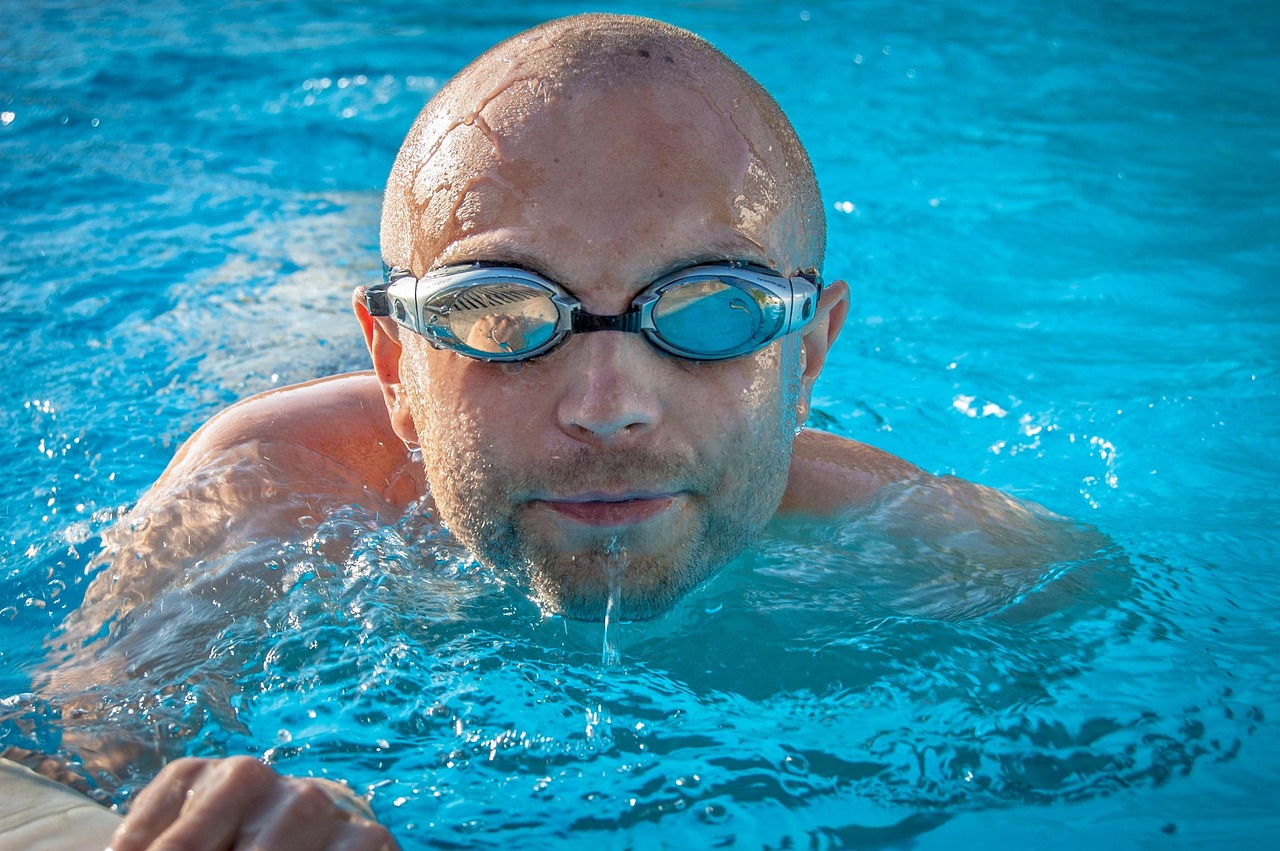
Swimming for chronic low back pain: what the trial found
Swimming for chronic low back pain cut disability in a 76-person trial, but the gains came from a short guided program and may fade over time.

Are cold showers good for you? What studies actually show
Cold showers may sharpen alertness and slightly cut sick days, but studies show small, uneven effects and little proof of broad health benefits.
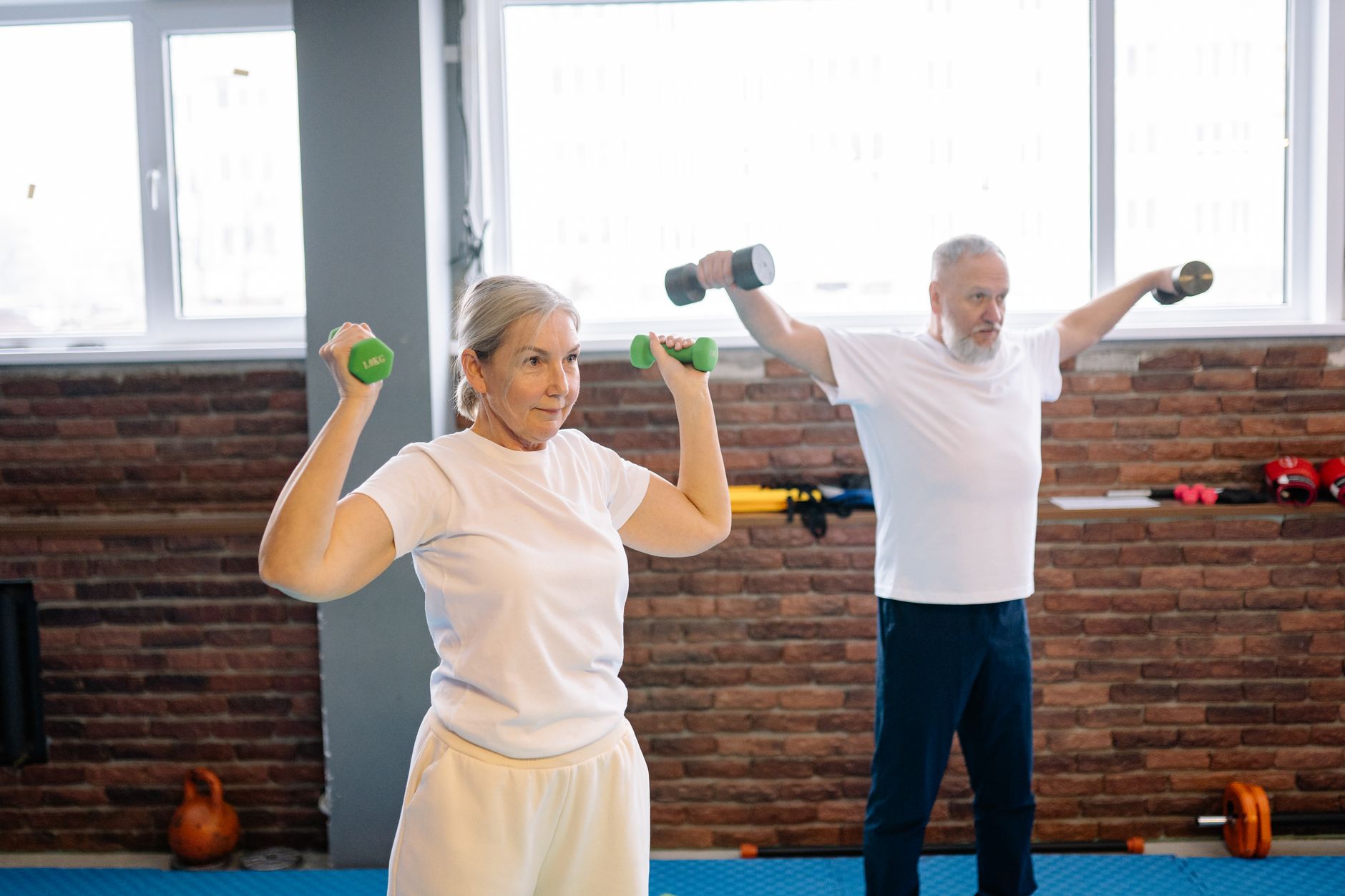
HIIT for older adults preserved muscle in a 6-month trial
HIIT for older adults cut fat without reducing lean mass in a six-month trial, but the effect was small and the workouts were supervised.
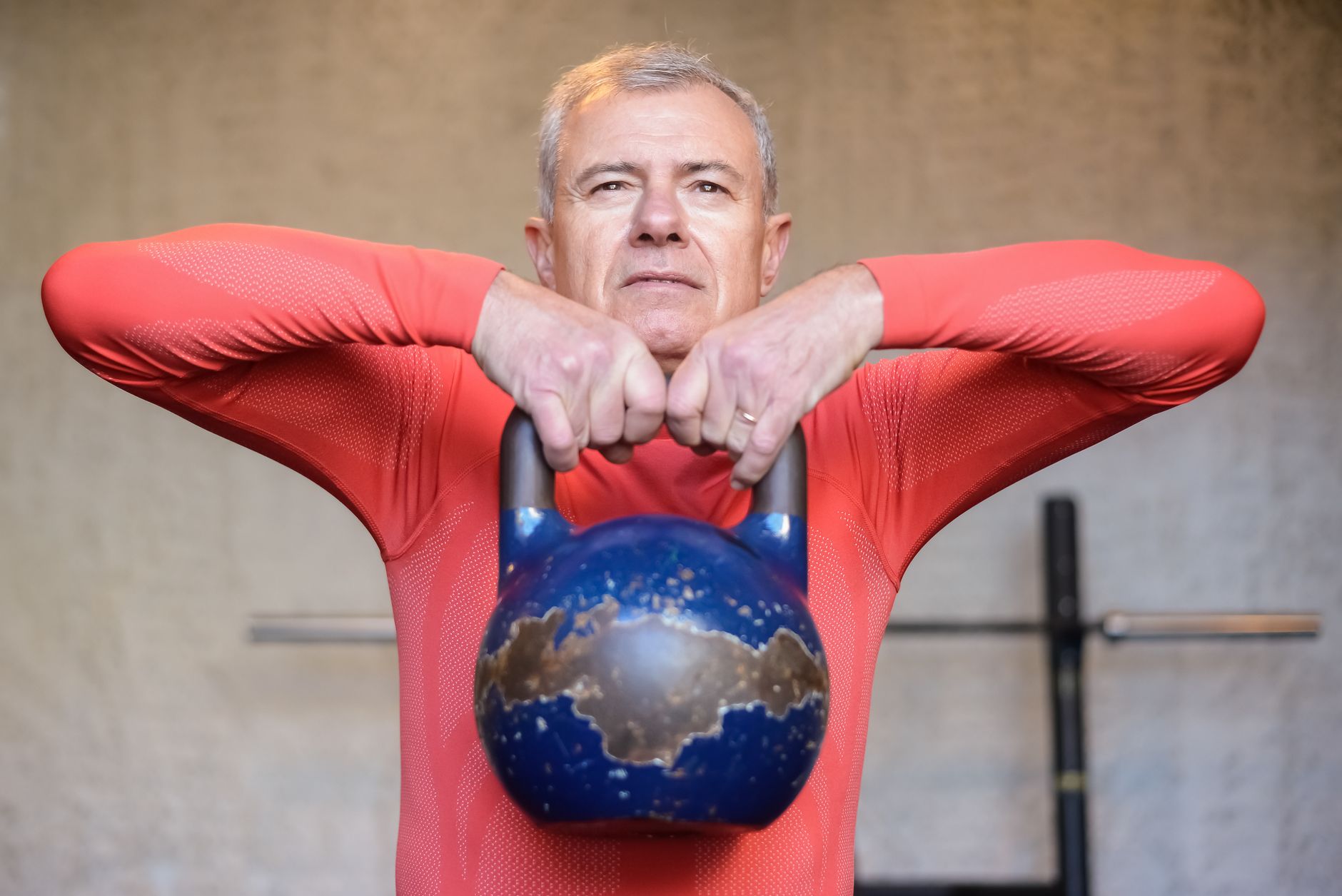
Anabolic resistance after 50: what the 2026 meta-analysis found
Anabolic resistance after 50 may blunt how older muscle responds to protein, but a 2026 meta-analysis suggests exercise still works.
Zone 2 cardio explained: what the evidence actually shows
Zone 2 cardio has benefits, but 2025 papers suggest it is not the singular best intensity for fitness, fat oxidation, or longevity.
More
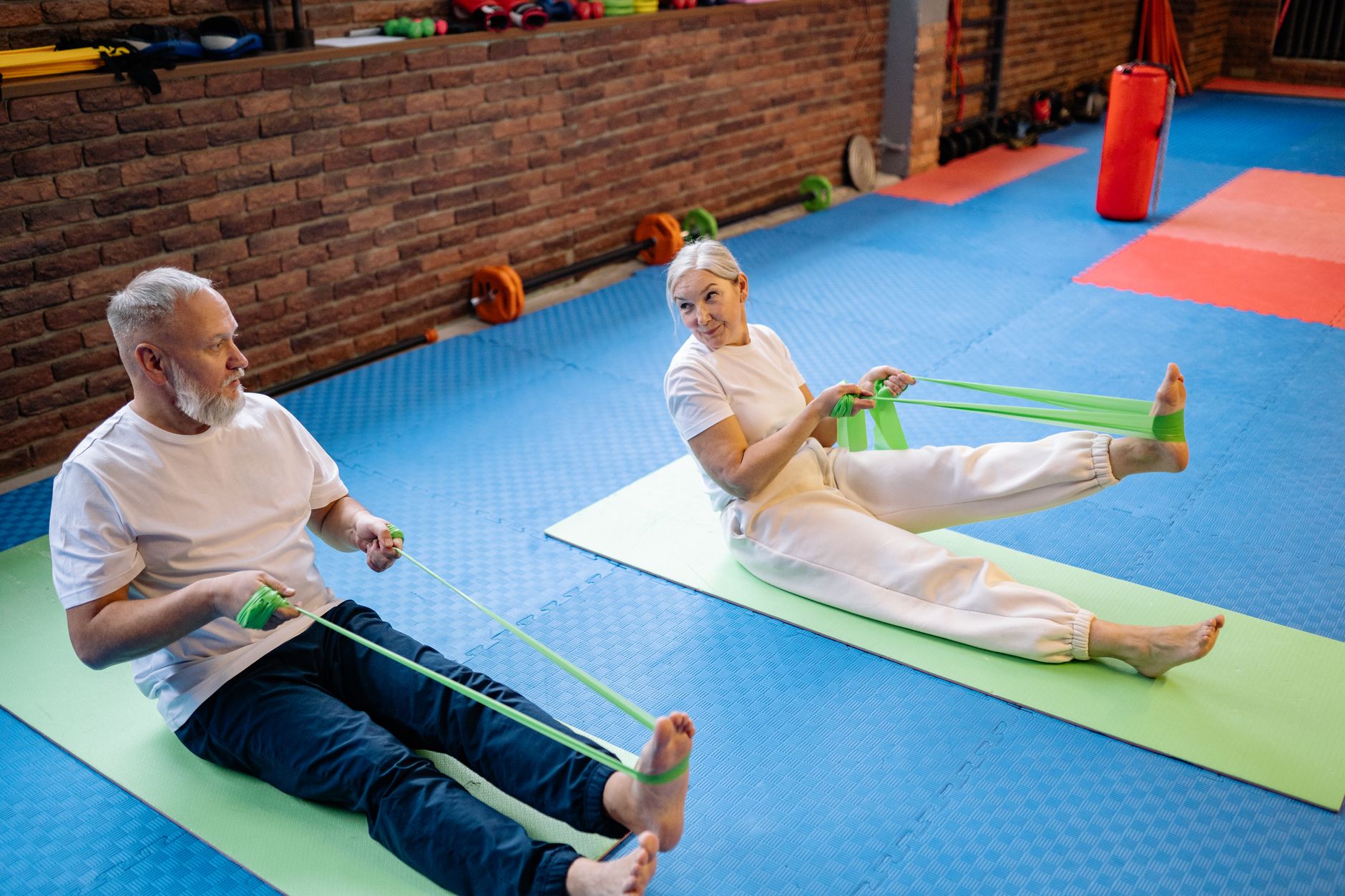
Creatine for aging brain may need strength training
Creatine for aging brain health looks most plausible when paired with fast, structured resistance training, a 16-week trial suggests.
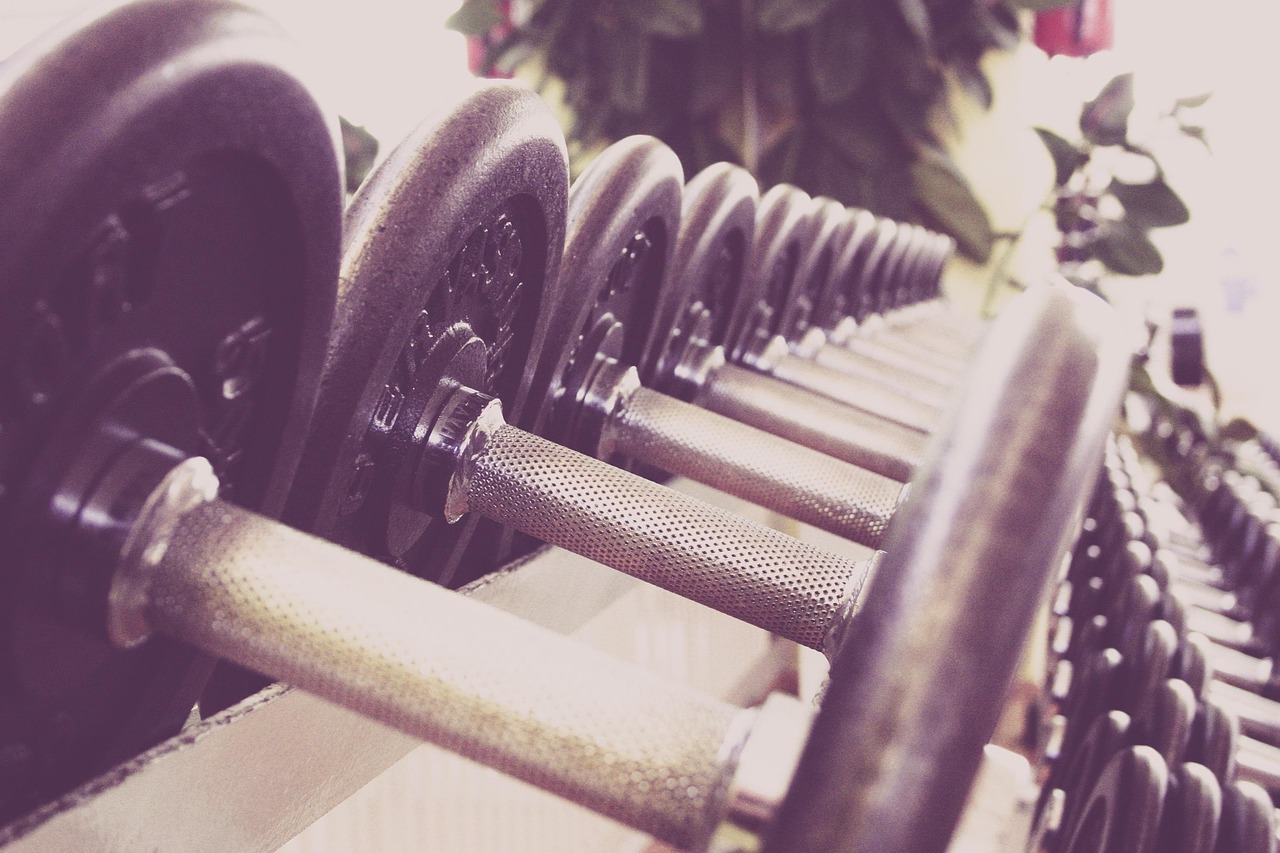
Pre-workout creatine may beat post-workout timing for strength
A pilot trial in 11 men found taking creatine 2 hours before resistance training boosted bench press and squat performance more than post-workout timing.

Low protein intake may predict muscle weakness in older adults
Low protein intake was tied to later handgrip weakness in 38,073 older adults, but the evidence points to screening, not protein hype.
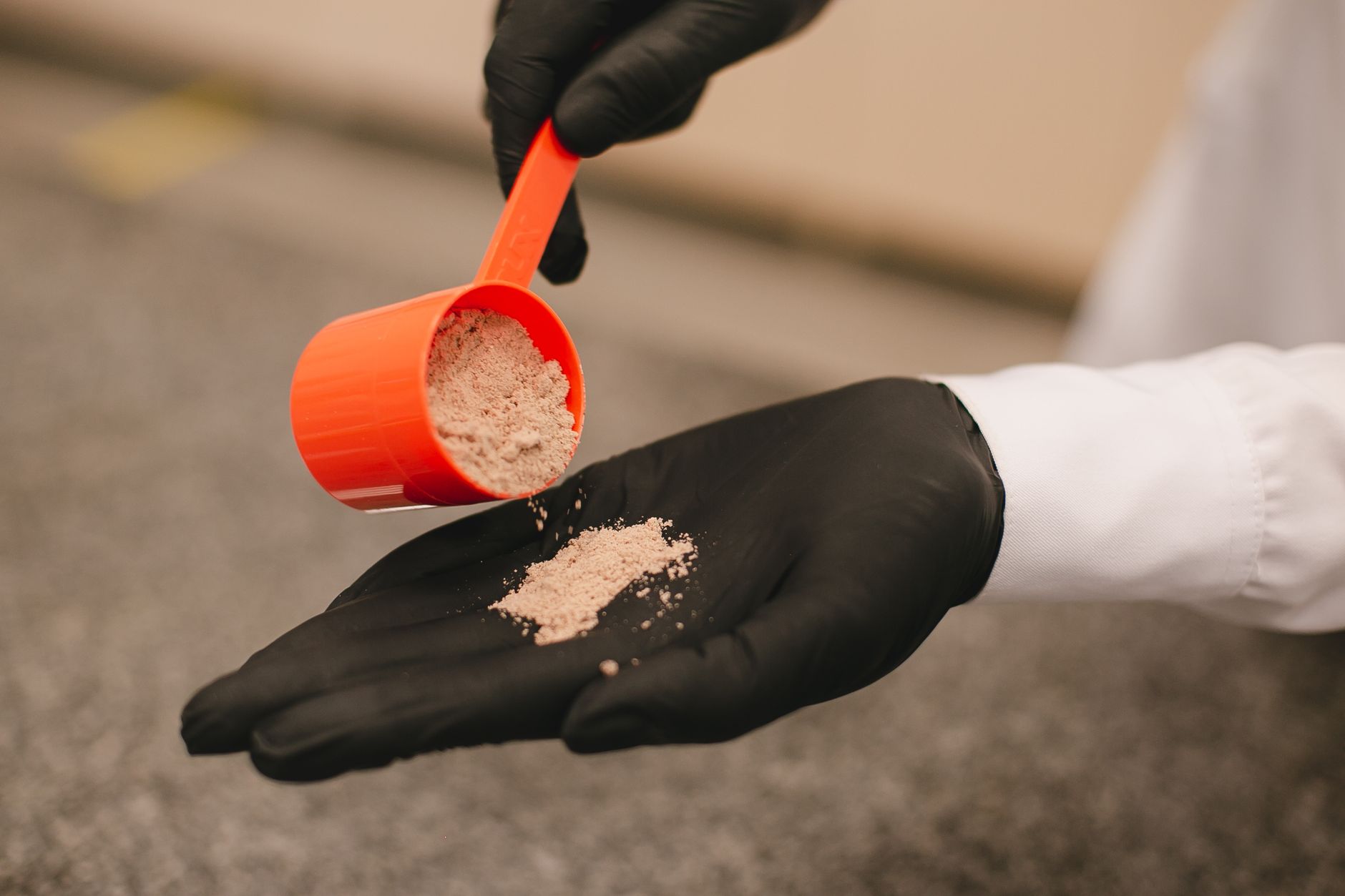
Do you need a creatine loading phase? What the evidence says
Most adults do not need a creatine loading phase to get the long-term benefits. The evidence suggests loading mainly changes how fast muscle stores fill.
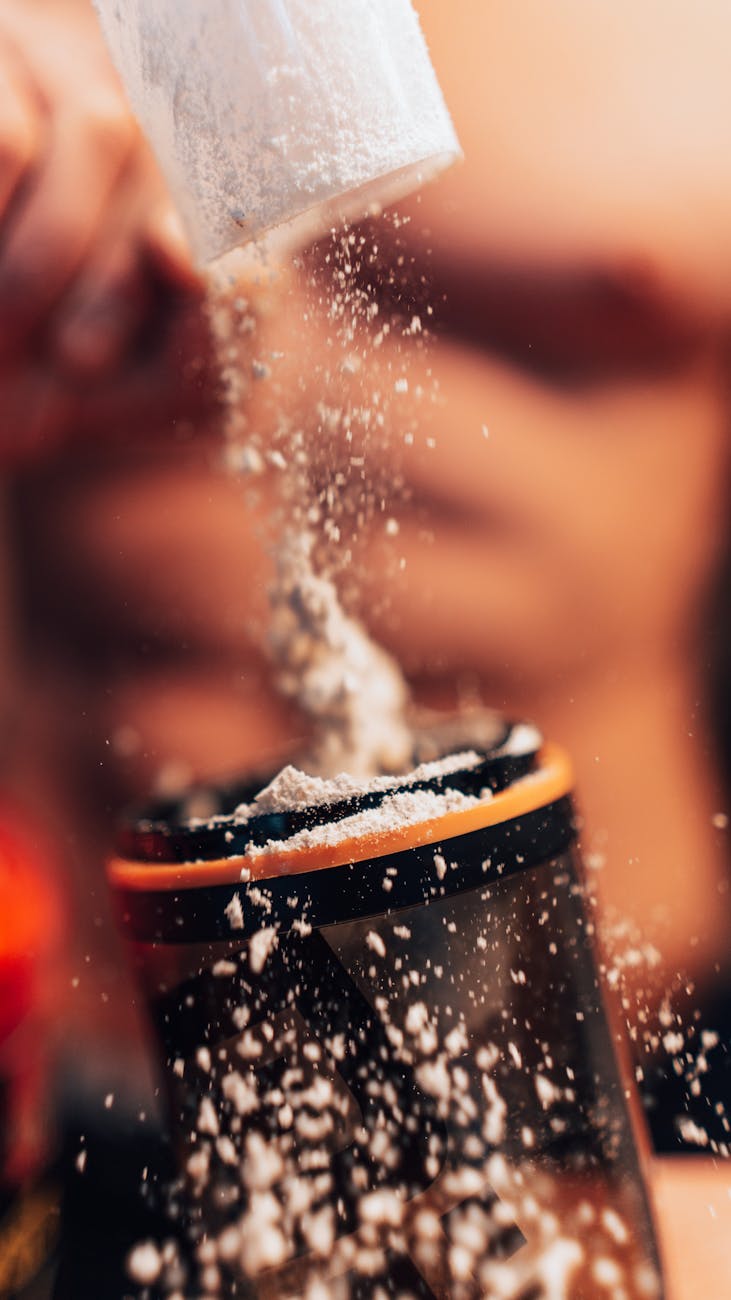
Does protein powder cause bloating? What the evidence says
Protein powder bloating is usually tied to lactose, sugar alcohols, or oversized shakes rather than protein itself, human studies suggest.
Does creatine cause hair loss? What the evidence actually shows
A 2025 randomized trial found no sign that standard-dose creatine raised DHT or worsened hair-follicle measures over 12 weeks.
Creatine gummies vs powder: what the evidence says
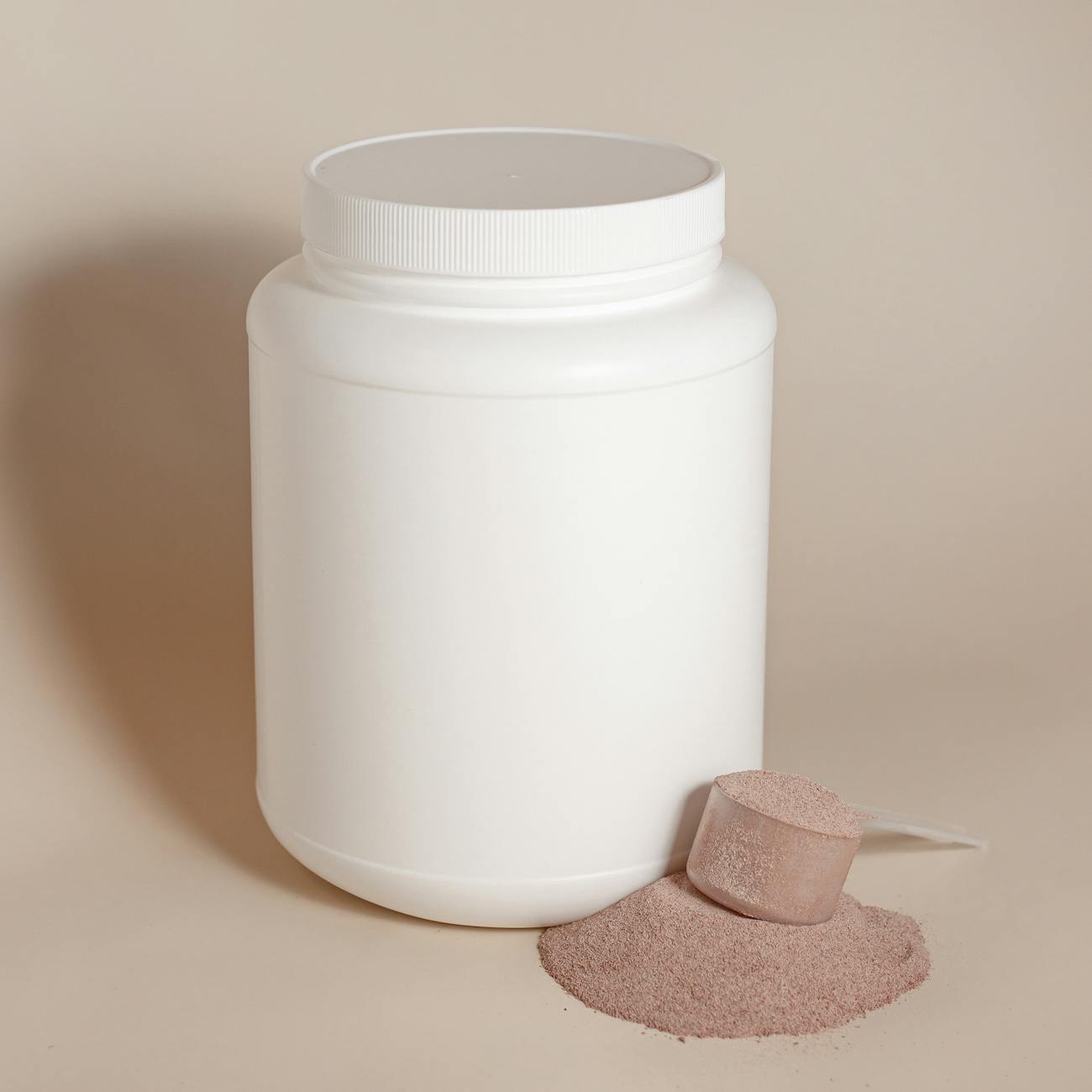
Powder still has the clearer research base, while creatine gummies raise extra questions about stability, label accuracy, and shelf life.
Is zone 2 cardio really best for metabolic health?
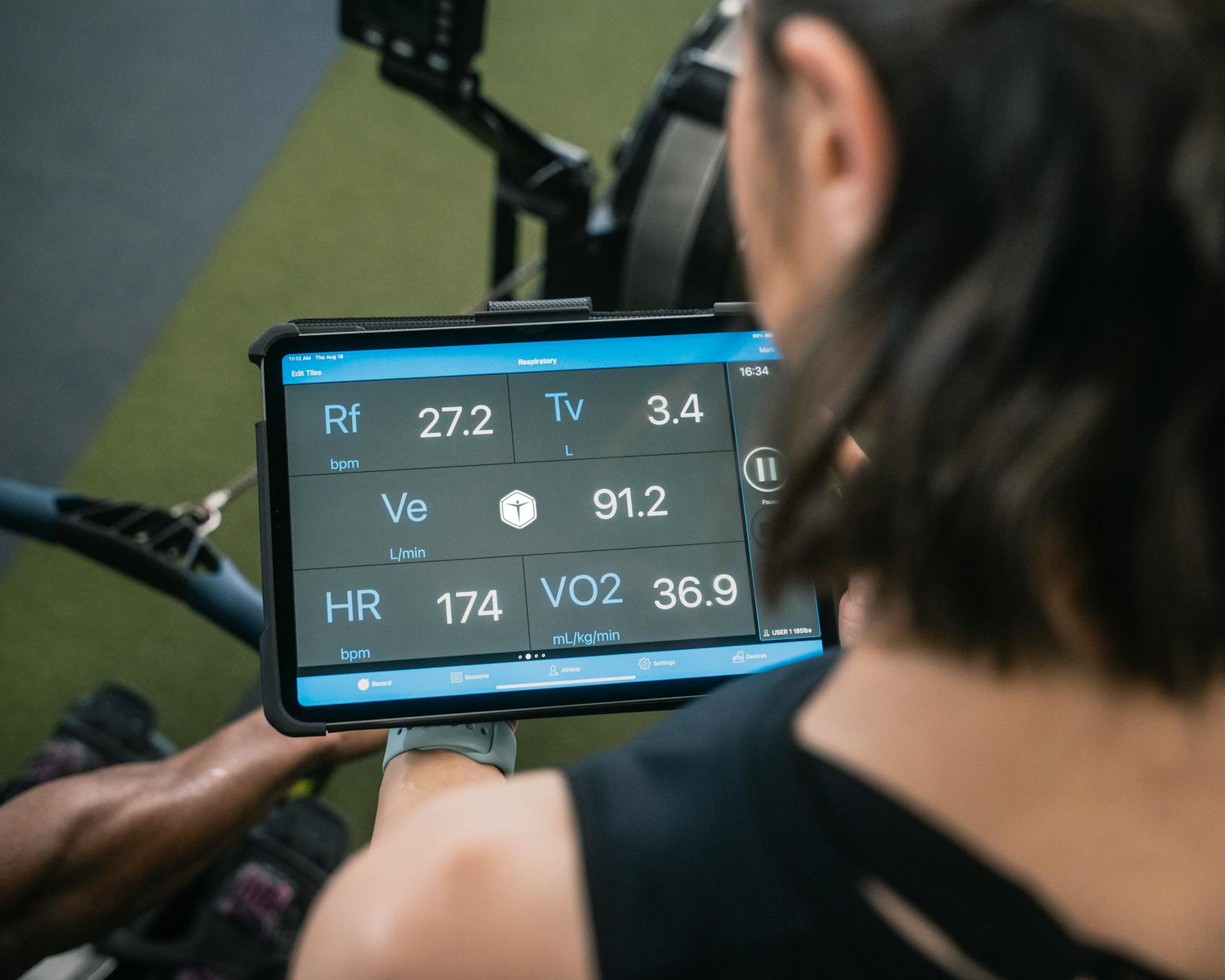
Current reviews show zone 2 cardio can improve fitness and some cardiometabolic markers, but not that it is the single best intensity for metabolic health.

Does creatine reduce inflammation? What the 2026 evidence actually shows
A fresh pair of 2026 reviews suggests creatine still earns its place as a performance supplement, but the evidence for lowering systemic inflammation remains thin.
Can 8,500 steps help keep weight off after dieting?
8,500 steps for weight-loss maintenance may help after dieting, but the 2026 evidence says the number works only inside a broader plan.

Can cold exposure help with weight loss? The brown fat evidence
Cold exposure can switch on brown fat and raise short-term energy expenditure, but the best human evidence still finds only small, inconsistent effects on body fat.
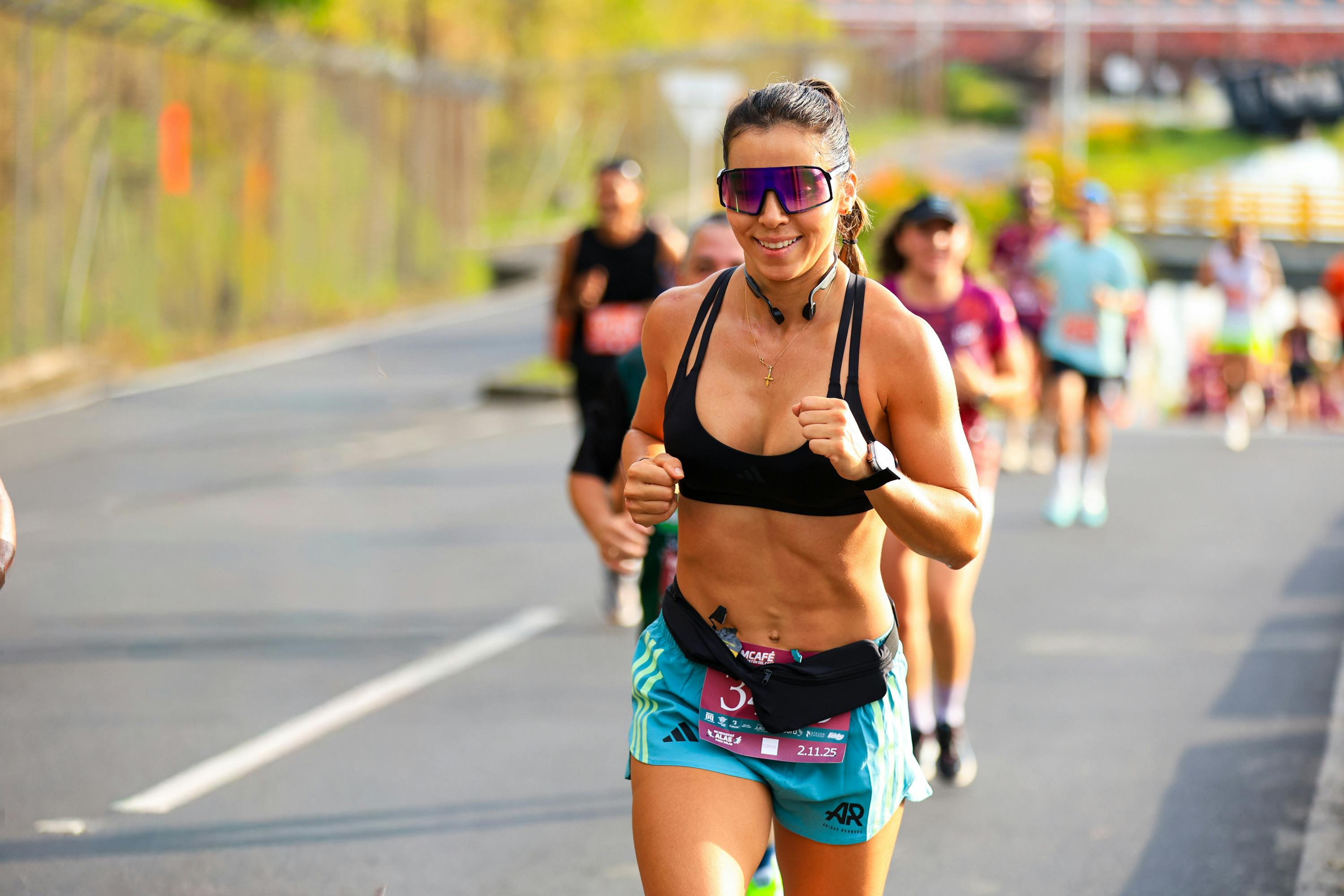
Sodium Nitrate May Block Heart Benefits of Exercise in Women
A Dalhousie University study in Scientific Reports finds that sodium nitrate, the active compound in beetroot-based workout supplements, prevented exercise-induced cardiac adaptations in female mice — raising fresh questions about whether women benefit from nitrate supplementation at all.
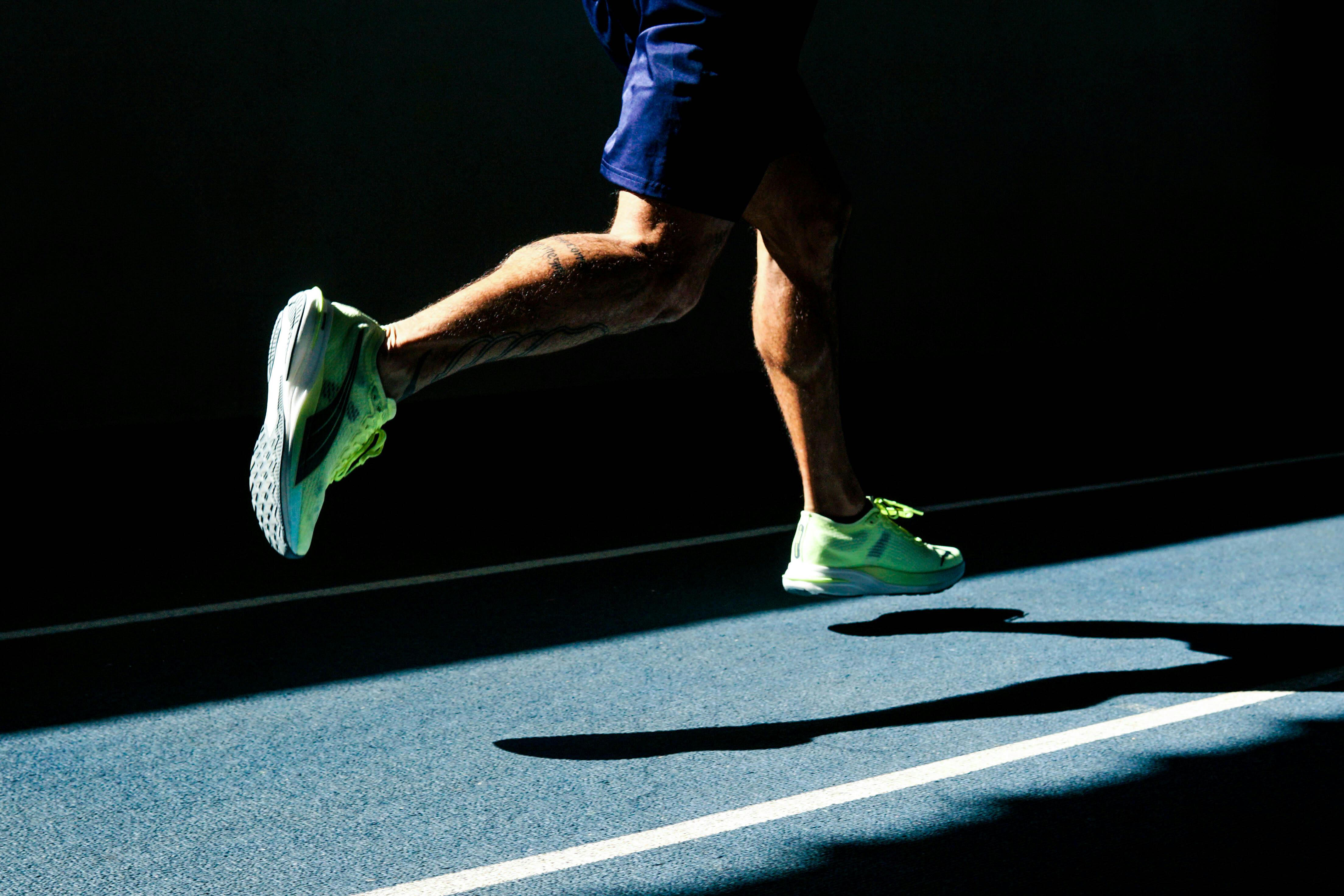
Carbon-plated shoes alter running biomechanics tied to bone stress injury risk
A new study of 23 elite distance runners found that carbon-plated shoes increased rearfoot eversion and lowered cadence compared to neutral trainers. The biomechanical shifts are small but cumulative, and recreational runners face more exposure than elites.
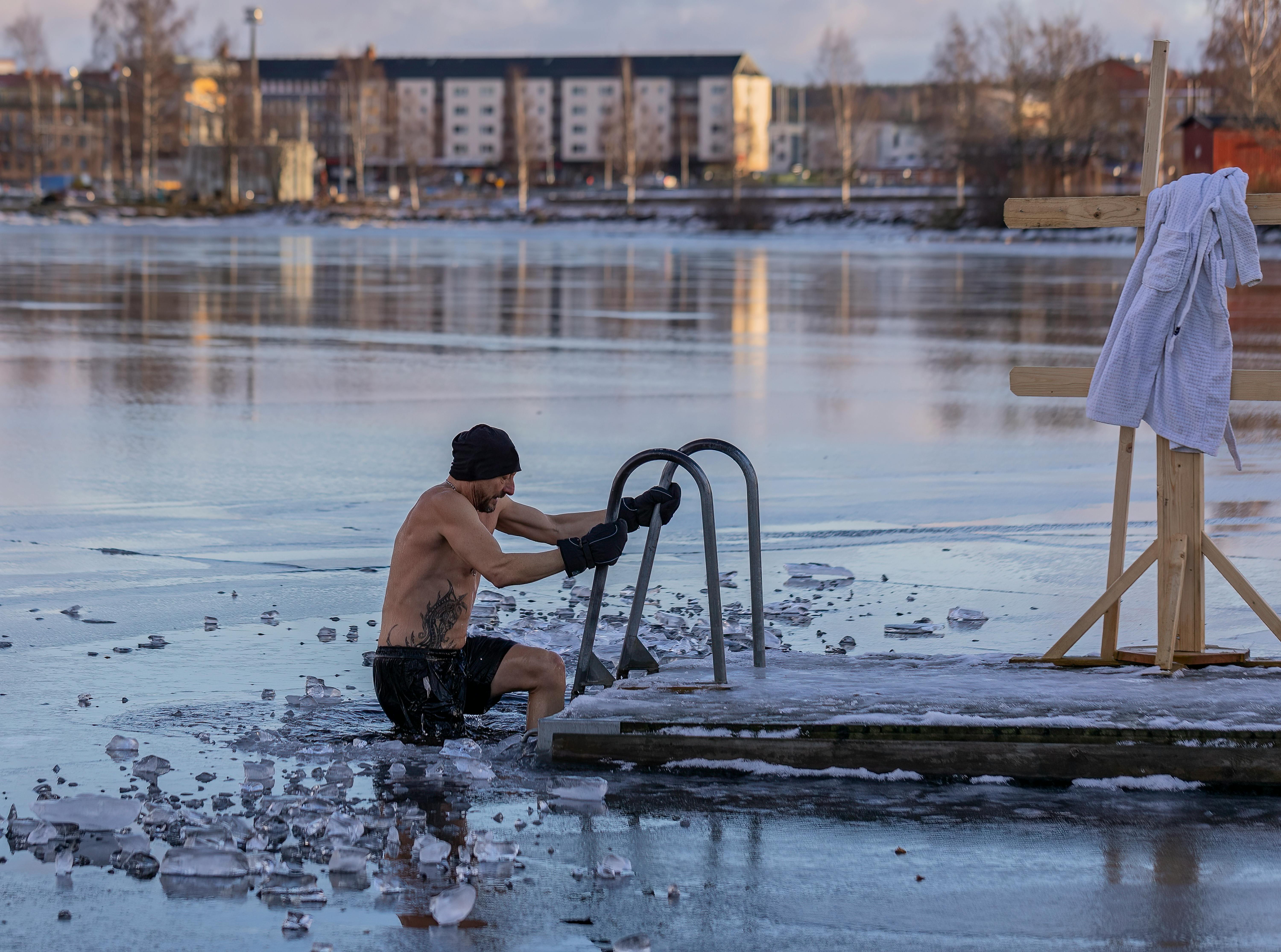
Cold Plunges and Your Brain: What the Science Actually Shows
Cold plunges trigger a measurable surge of noradrenaline and dopamine, but the RCT evidence for long-term mental health benefits is still thin. Two recent studies clarify what the data do and do not support.
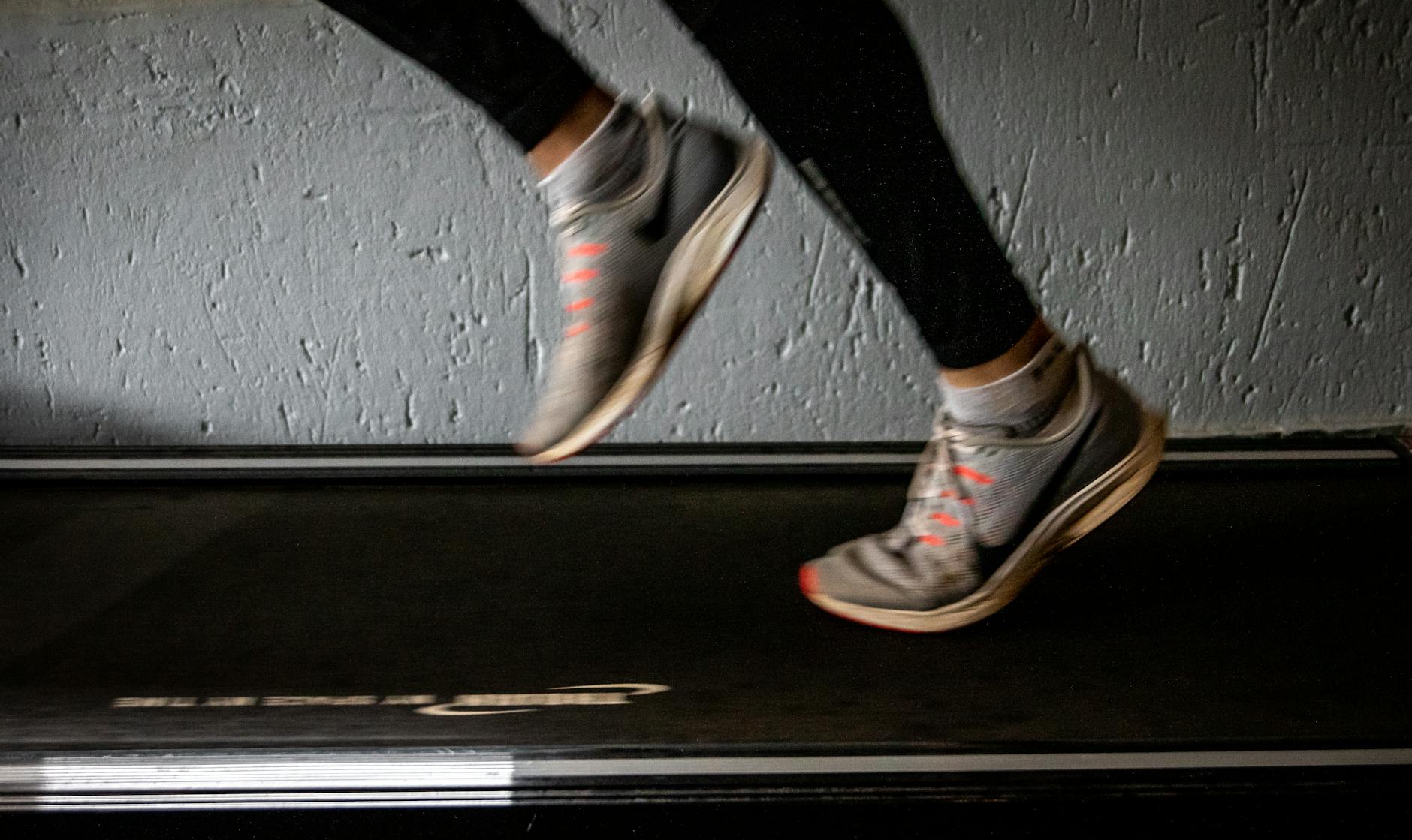
Norwegian 4x4 intervals raised VO2max more than moderate runs in landmark trial
A 2007 randomized trial in Medicine & Science in Sports & Exercise found four-minute high-intensity intervals raised VO2max 7.2 percent across eight weeks. The same total work at moderate pace produced no change. Two decades of replication has held up the claim.
What Bryan Johnson's Erection Tracking Reveals About Vascular Health
Bryan Johnson claims nighttime erections predict mortality. The medical literature confirms erectile function is an early warning for cardiovascular disease, but his personal protocol of tadalafil, Botox, and shockwave therapy goes beyond what the evidence supports.
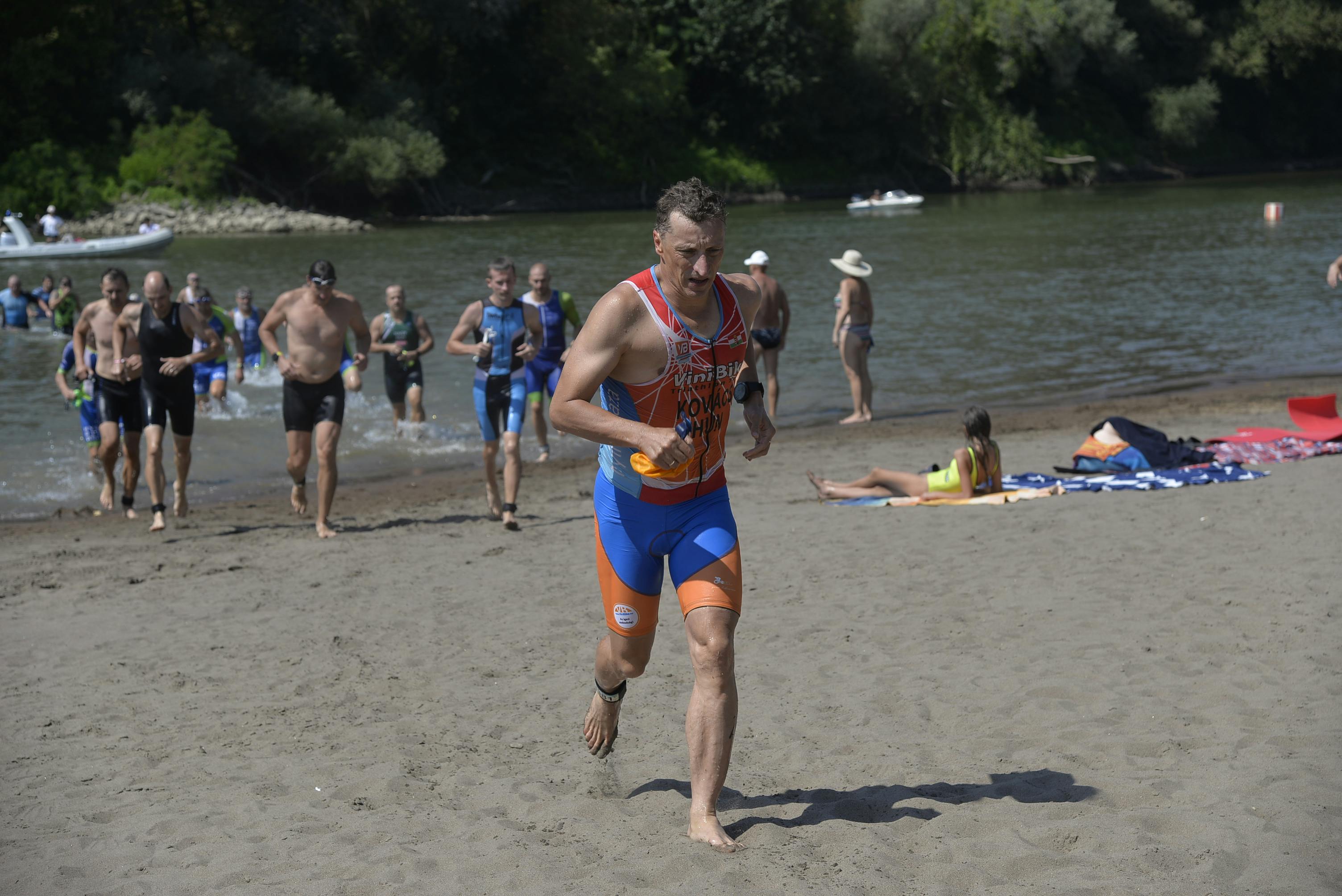
MetaSprint Series 2026 expands beginner gateway with new XL category
Singapore's MetaSprint Series returns with a new XL race tier, elite starting waves seeded by past performance, and per-athlete performance analytics. Research on race progression ladders and pacing strategy backs the format changes.

Best Running Gels, According to Editors and Science
Runner's World editors tested nine energy gels on taste, digestibility, and carbohydrate formulation across months of training. Here is which gels stood out and what the research says about how your body actually absorbs them during long runs.

How Many Carbs Do Runners Actually Need in 2026
A new review in Endocrine Reviews argues runners only need 10 grams of carbs per hour during long efforts, challenging decades of sports nutrition guidelines. Five experts weigh in on what the evidence actually says and what everyday runners should do.
Too Many Endurance Athletes Are Racing on Too Few Carbs, Study Finds
A 2025 study found non-elite endurance athletes consume roughly 20 percent fewer carbohydrates on race day than planned, with marathoners averaging just 22 grams per hour against guidelines of 60 to 90.
The Vitalspell brief
Evidence-based supplement science — weekly in your inbox.
Subscribe