
Nutrition
The latest from Nutrition on Vitalspell.
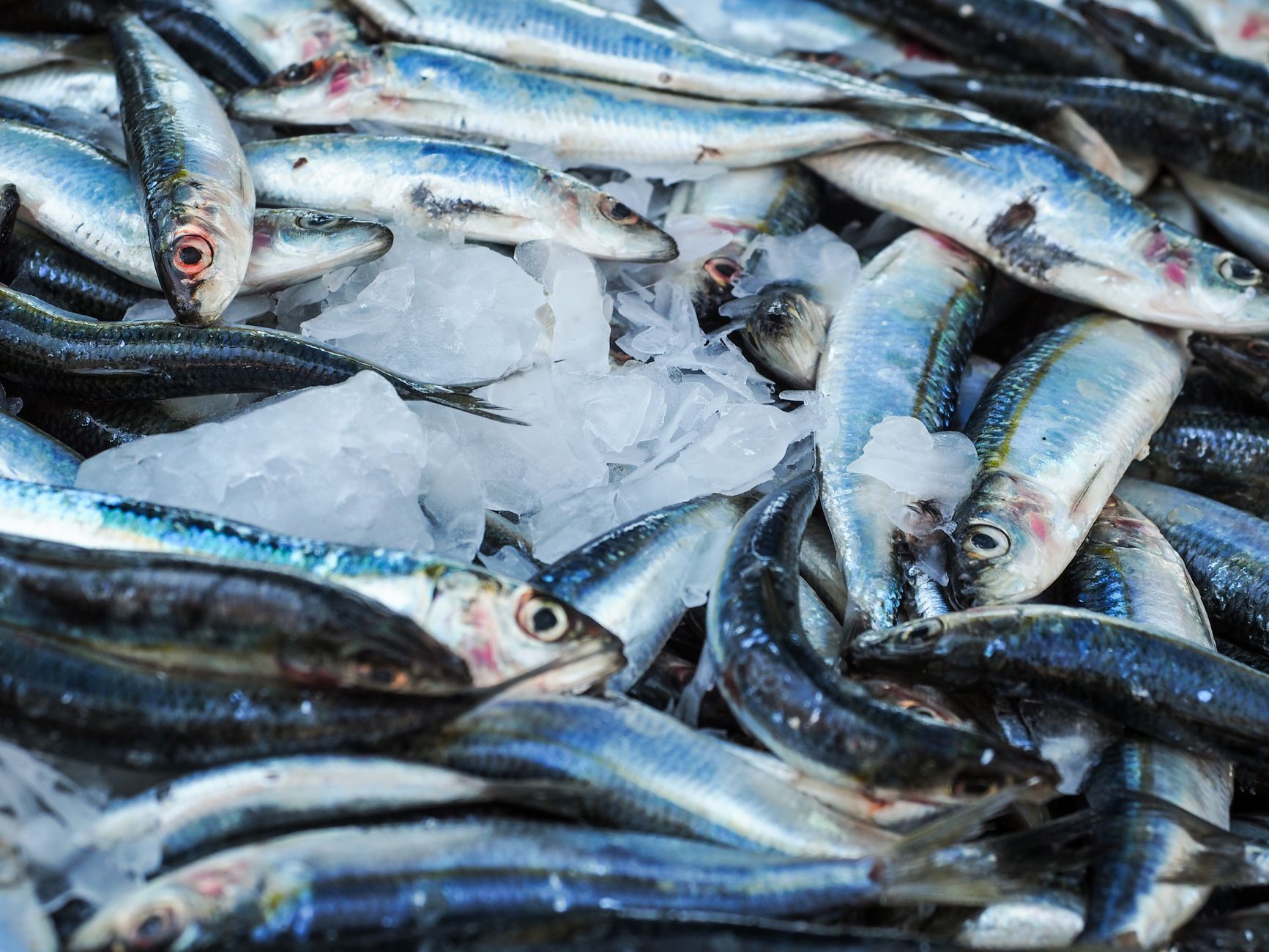
Which oily fish actually deliver meaningful omega-3?
Which oily fish actually deliver meaningful omega-3? Salmon, sardines, mackerel and trout lead, but heart evidence is narrower than fish-oil marketing.
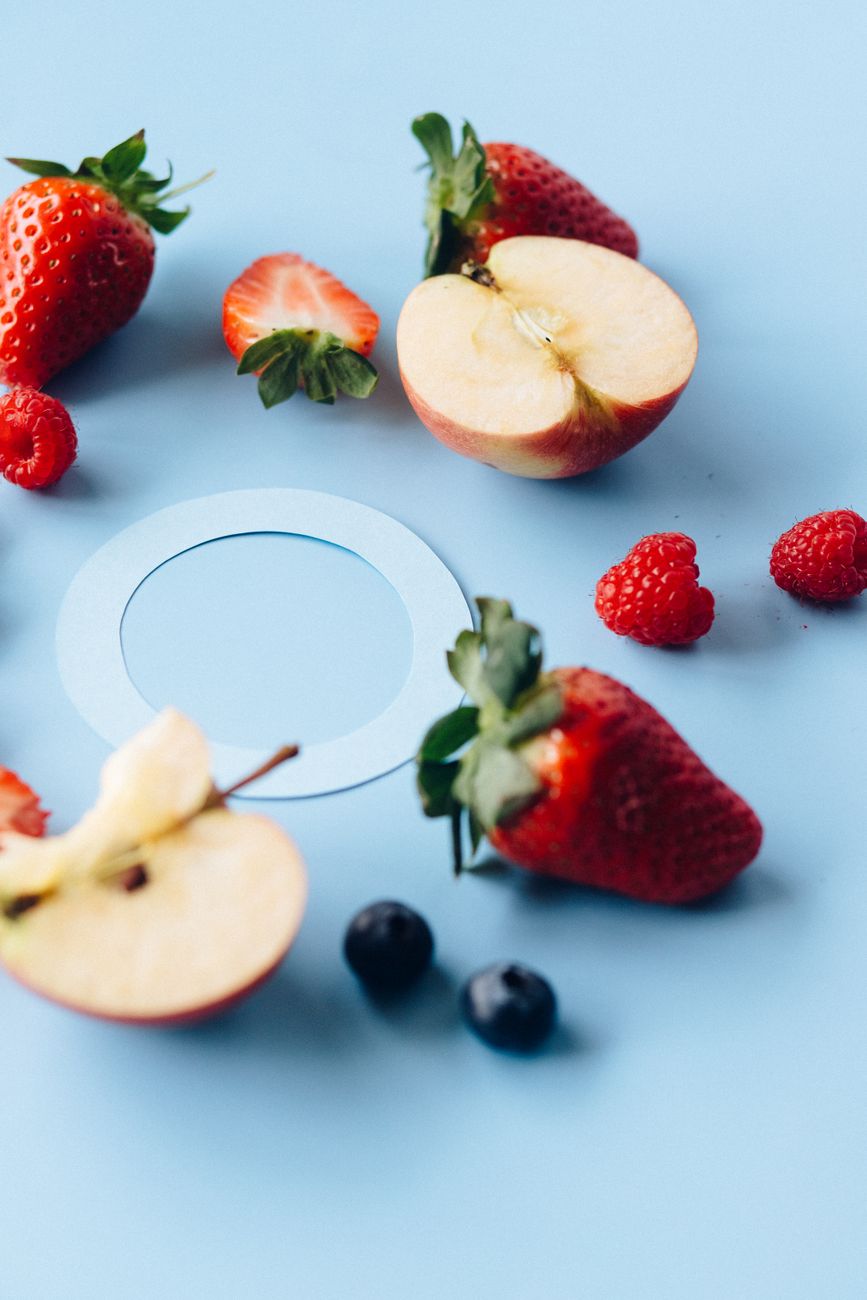
Why five-a-day may miss the flavanol target for heart health
Flavanols for heart health may require more than five servings a day, because food choice, biomarkers and outcome evidence do not all line up.
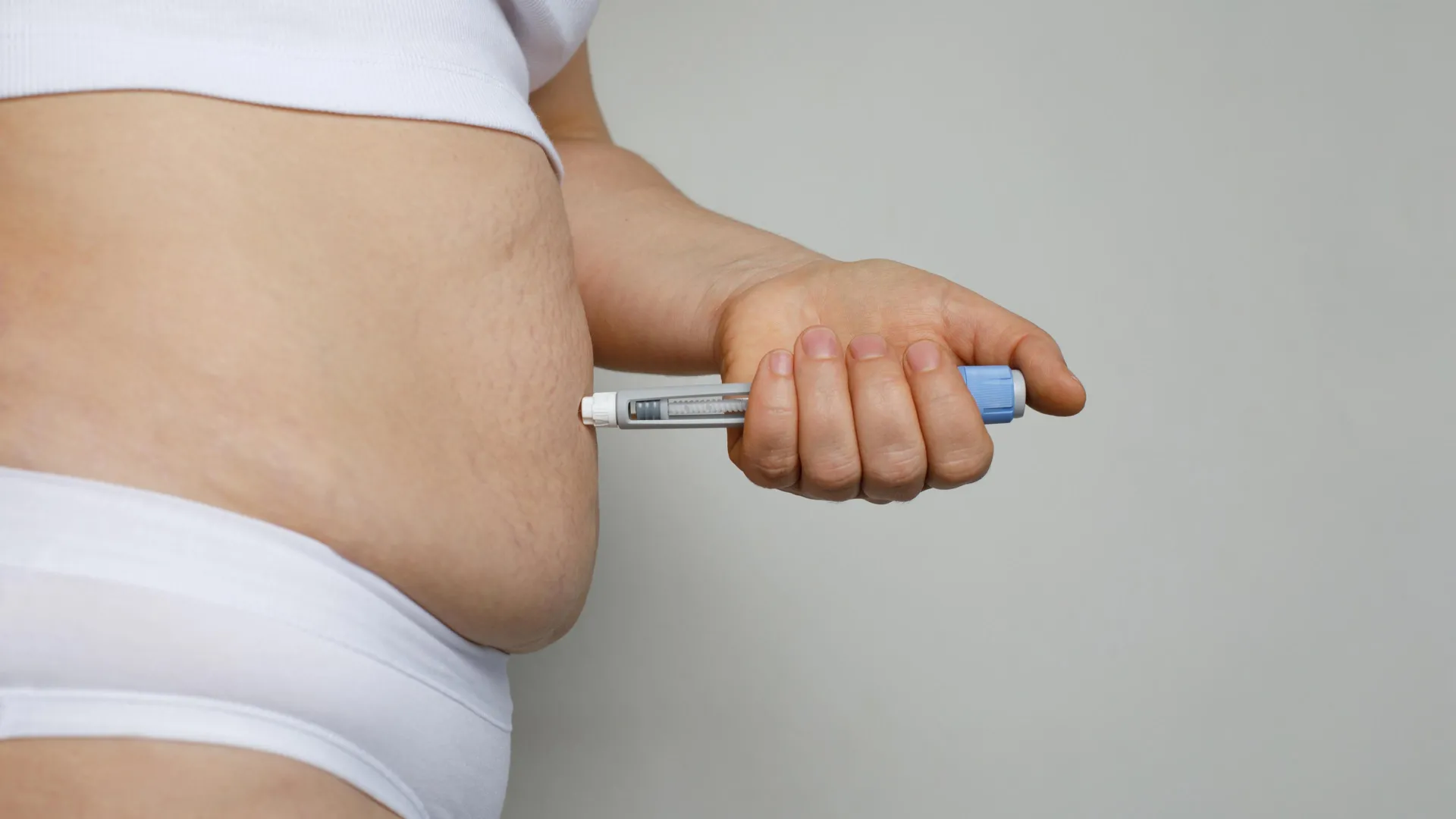
Why exercise matters more on GLP-1 drugs as the evidence shifts
GLP-1 drugs can help weight loss, but the emerging evidence suggests they should not make exercise optional.
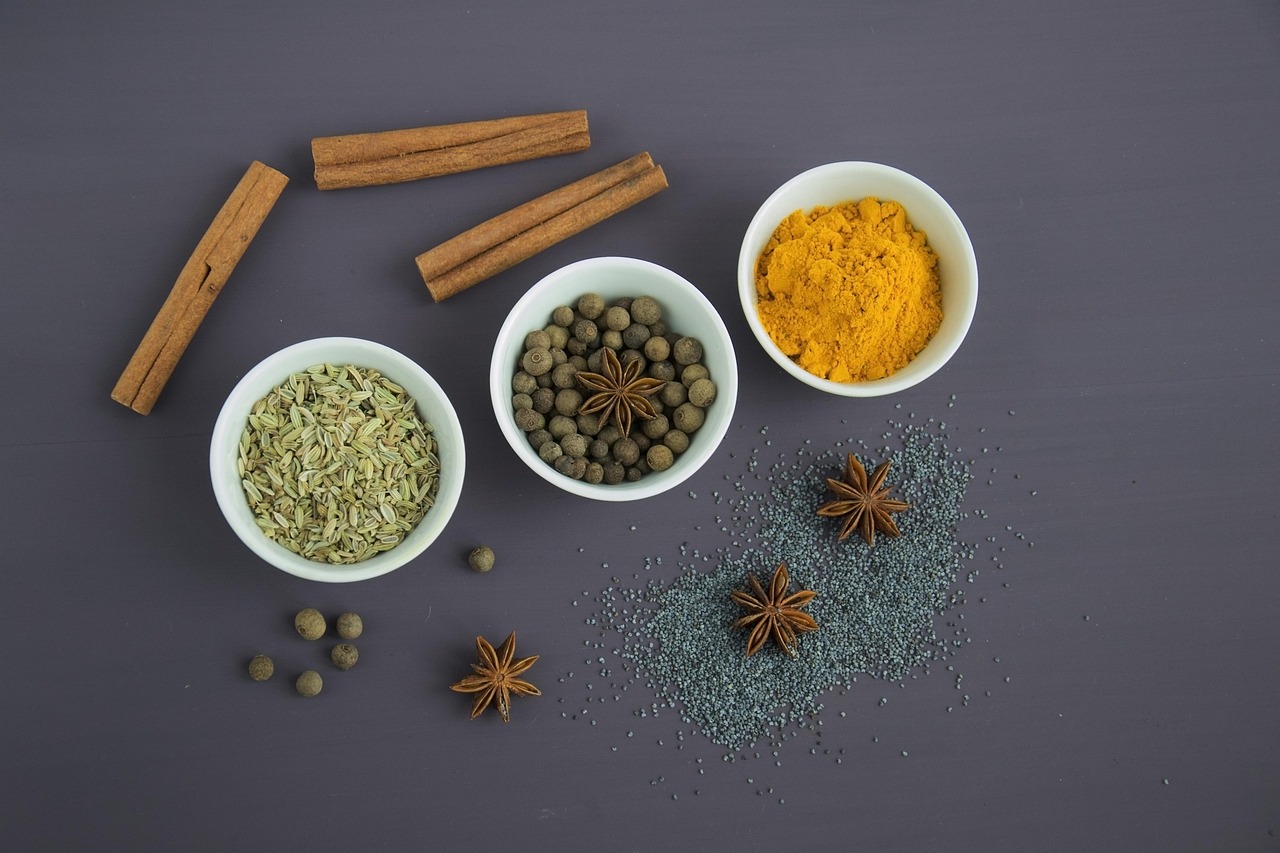
Spices and gut health: what a 2026 review really shows
Spices and gut health may be linked, but a 2026 Nutrition Reviews paper finds human evidence is still small, mixed and dose-heavy.

Retatrutide phase 3 diabetes data: what it shows now
Retatrutide phase 3 diabetes data showed large A1c and weight reductions, but placebo control leaves key comparison questions open.
More
GLP-1 fiber: what a 2026 review actually says
GLP-1 fiber advice may help some people manage satiety and GI side effects, but the 2026 review does not prove a booster effect.
GLP-1 fiber: what a 2026 review actually says
GLP-1 fiber advice may help some people manage satiety and GI side effects, but the 2026 review does not prove a booster effect.
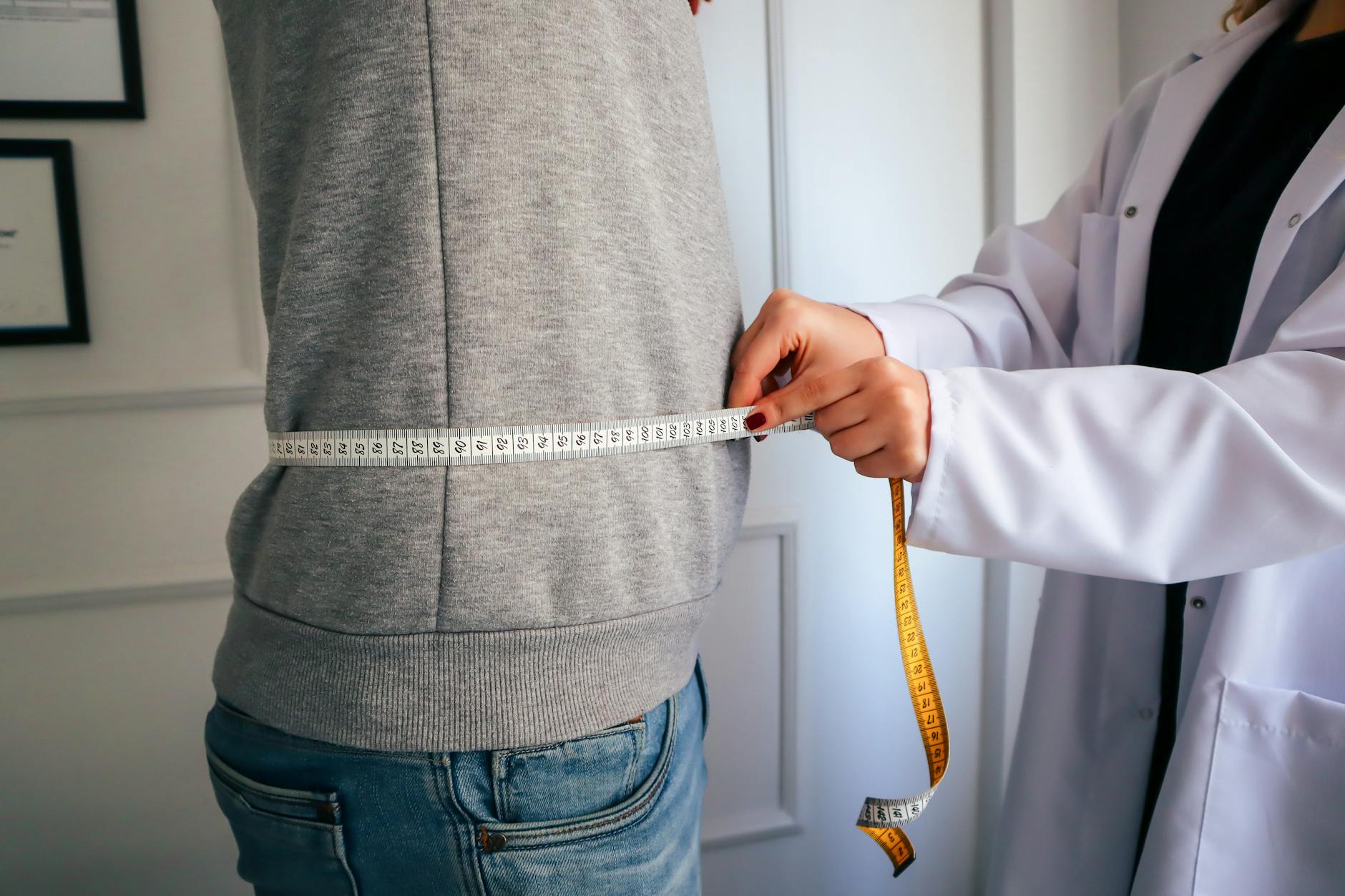
BMI obesity risk: why one in four adults may be missed
BMI obesity risk can be missed when weight and height stand in for body fat. A 2026 study suggests waist measures may flag more adults.

Grapes and cholesterol: what the evidence really says
Grapes and cholesterol research shows a modest LDL drop, gut-microbiome shifts and weaker signals for blood pressure and cognition.
Vitamin B12 and folate fatigue study: clue, not diagnosis
Vitamin B12 and folate fatigue links appeared in 602 healthy adults, but the 2026 study cannot prove deficiency caused tiredness.
Does intermittent fasting really beat standard dieting? What the Cochrane review found
A 2026 Cochrane review found intermittent fasting did little to outperform standard dietary advice for weight loss, with most evidence short term and low certainty.
Why Ozempic and Wegovy weight-loss plateaus happen
Ozempic weight-loss plateaus may reflect uneven brain-cell signalling, a new NIH mouse study suggests, though the finding is not yet clinical proof.
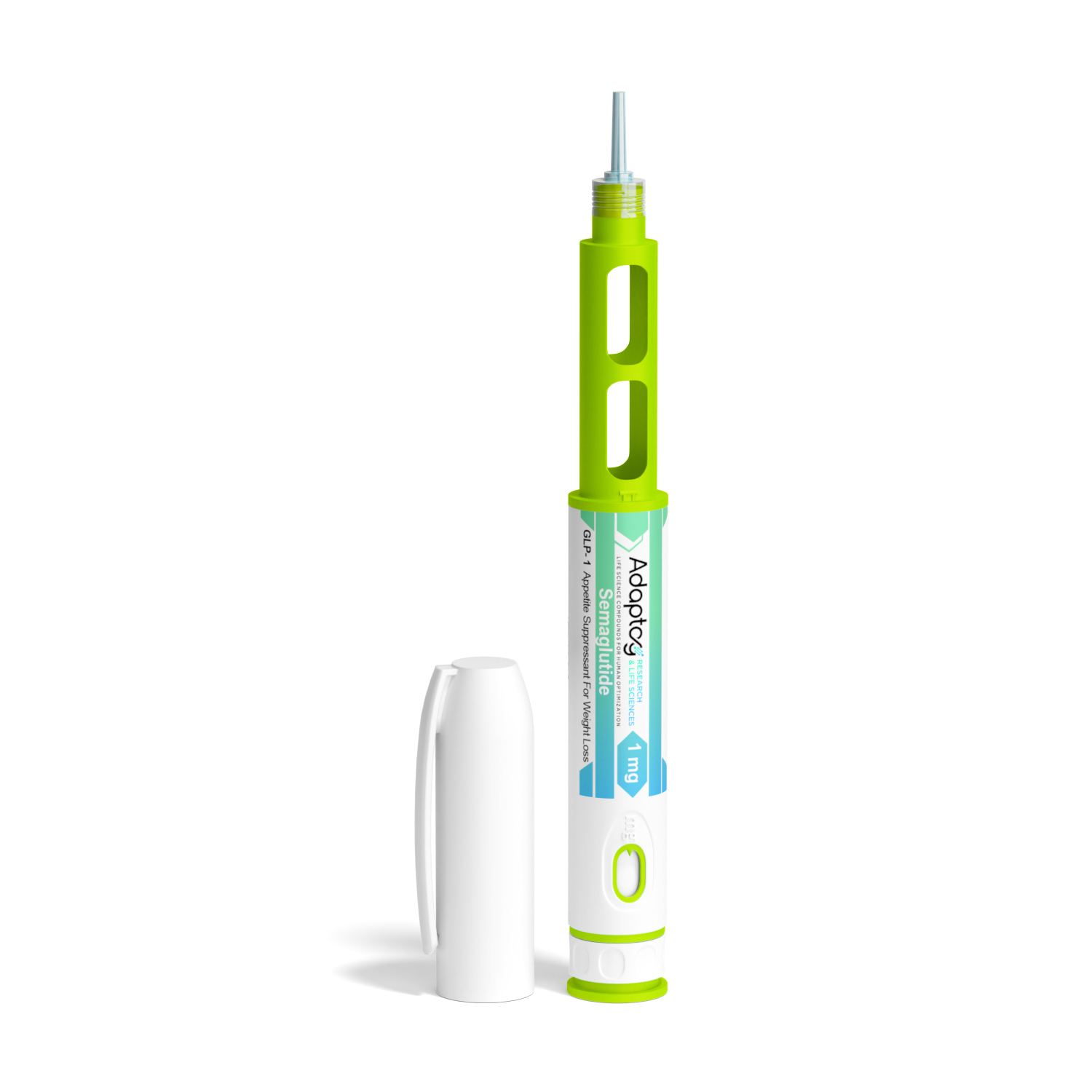
What the Ozempic Reddit study can and cannot tell us
The Ozempic Reddit side effects study mined more than 400,000 posts and surfaced symptom patterns worth investigating, but it cannot prove causation.
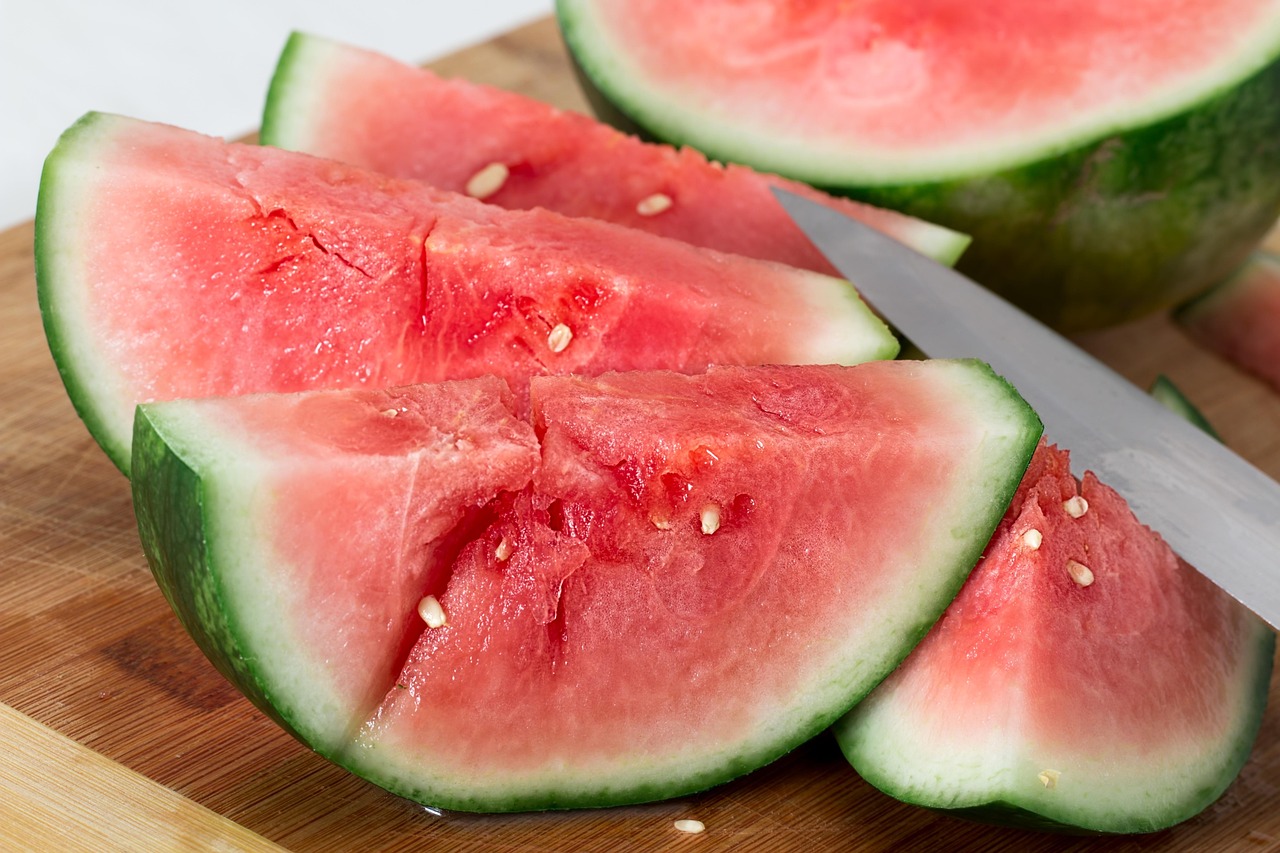
Does watermelon improve diet quality or heart health?
Watermelon and heart health claims start with better diet quality, but the direct cardiovascular evidence still comes from small, short-term studies.
BCAA metabolism and obesity: what the new Nature review found
BCAA metabolism and obesity are tightly linked in a new Nature review, but the evidence still points to metabolic state, not BCAA powders, as the story.
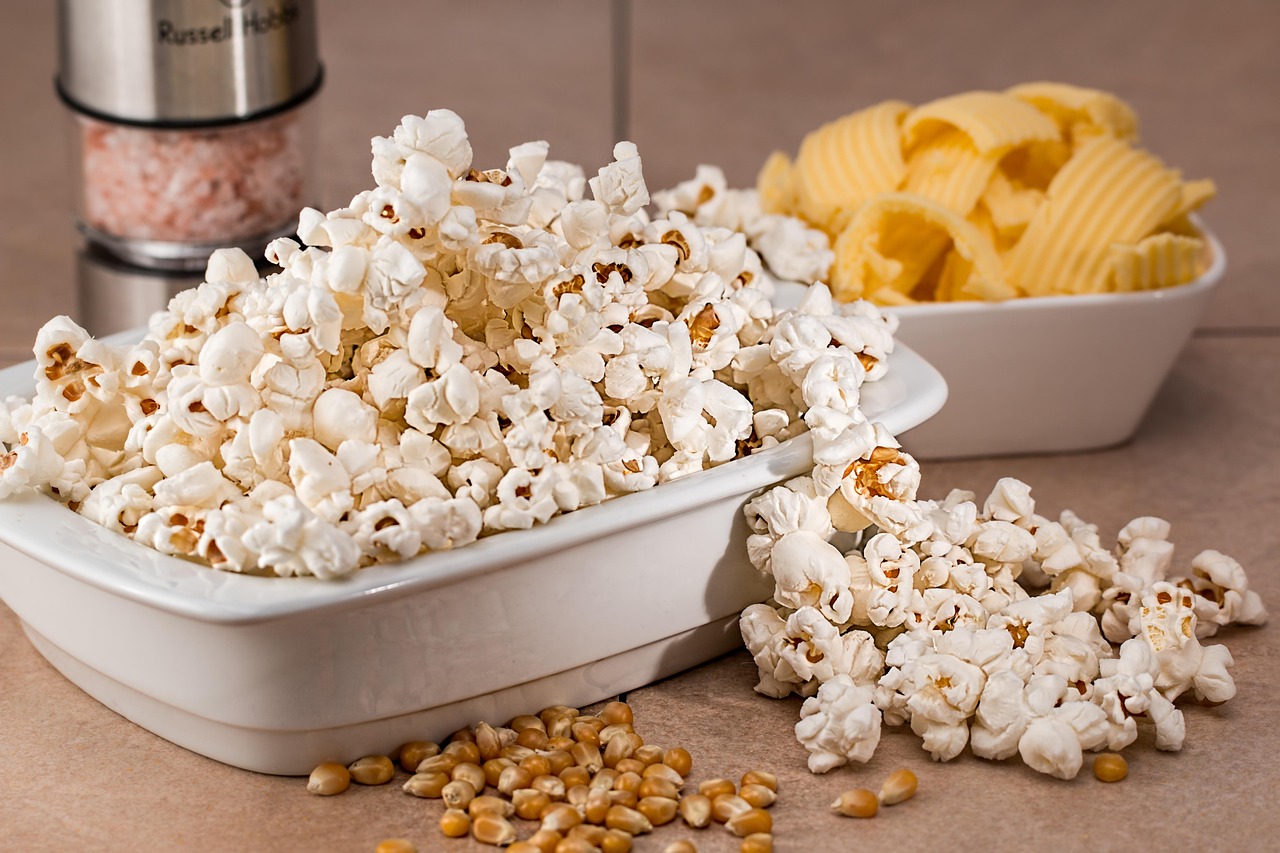
What the new UPF study says about attention and dementia risk
Ultra-processed foods and dementia risk are linked in a new Australian study, but the clearest signal was lower attention, not proof of causation.
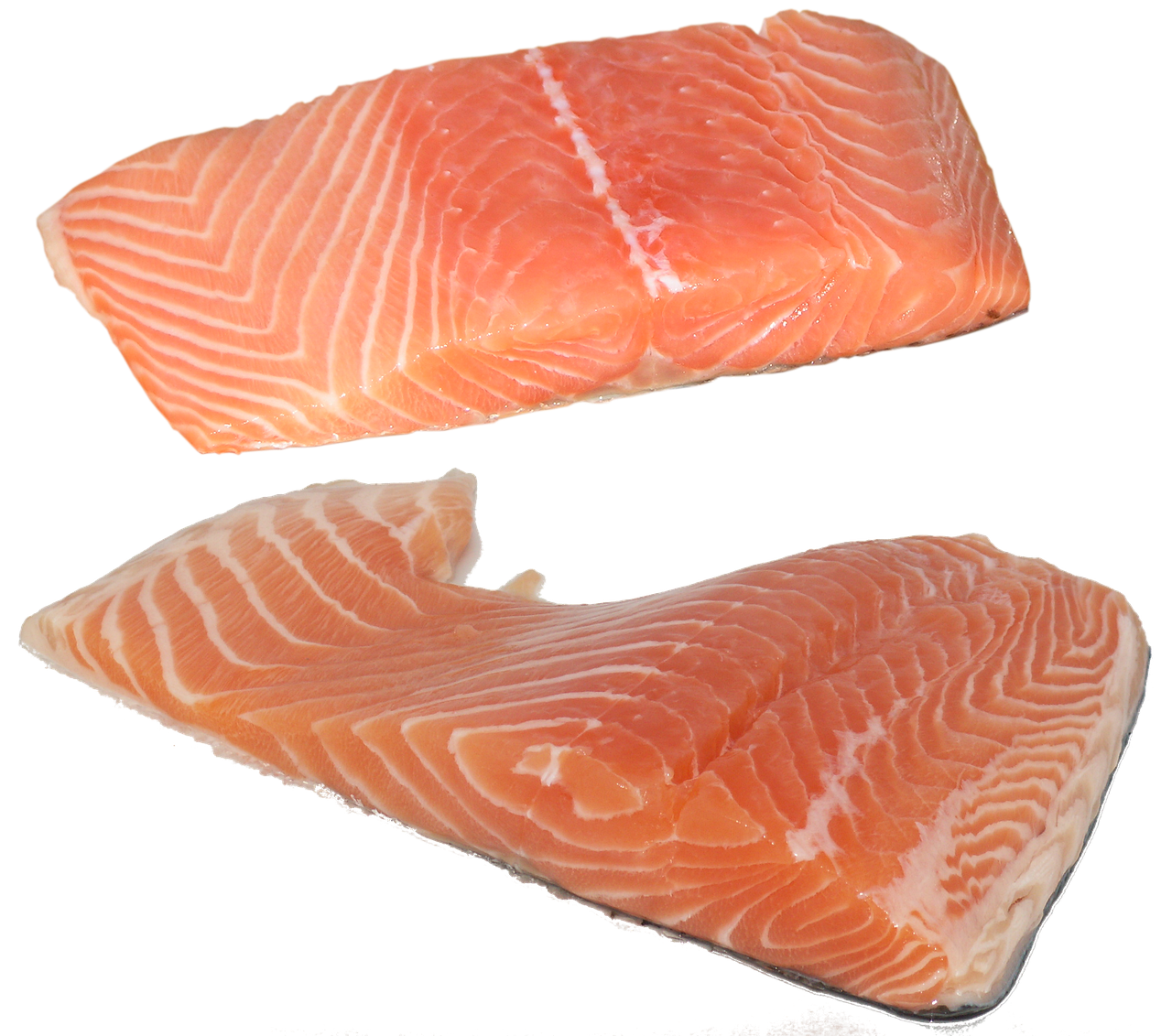
Which oily fish actually give you the most omega-3?
Which oily fish actually deliver the most EPA and DHA? A 2025 Cambridge review reveals farmed salmon now contains far less omega-3 than it did 20 years ago — here's what to eat instead.

Can grapes help protect skin from the sun?
Can grapes protect skin from UV damage? A 2026 human study found gene and oxidative-stress shifts, but the evidence is still early.

How this Mediterranean diet trial cut diabetes risk
The benefit in the new Mediterranean diet trial came from a structured package of calorie reduction, exercise, and coaching, not from the diet label alone.
GLP-1 drugs and blood pressure: what 43,000 patients show
GLP-1 drugs and blood pressure are linked in a 32-trial meta-analysis, but most of the drop appears to come from weight loss rather than a direct drug effect.
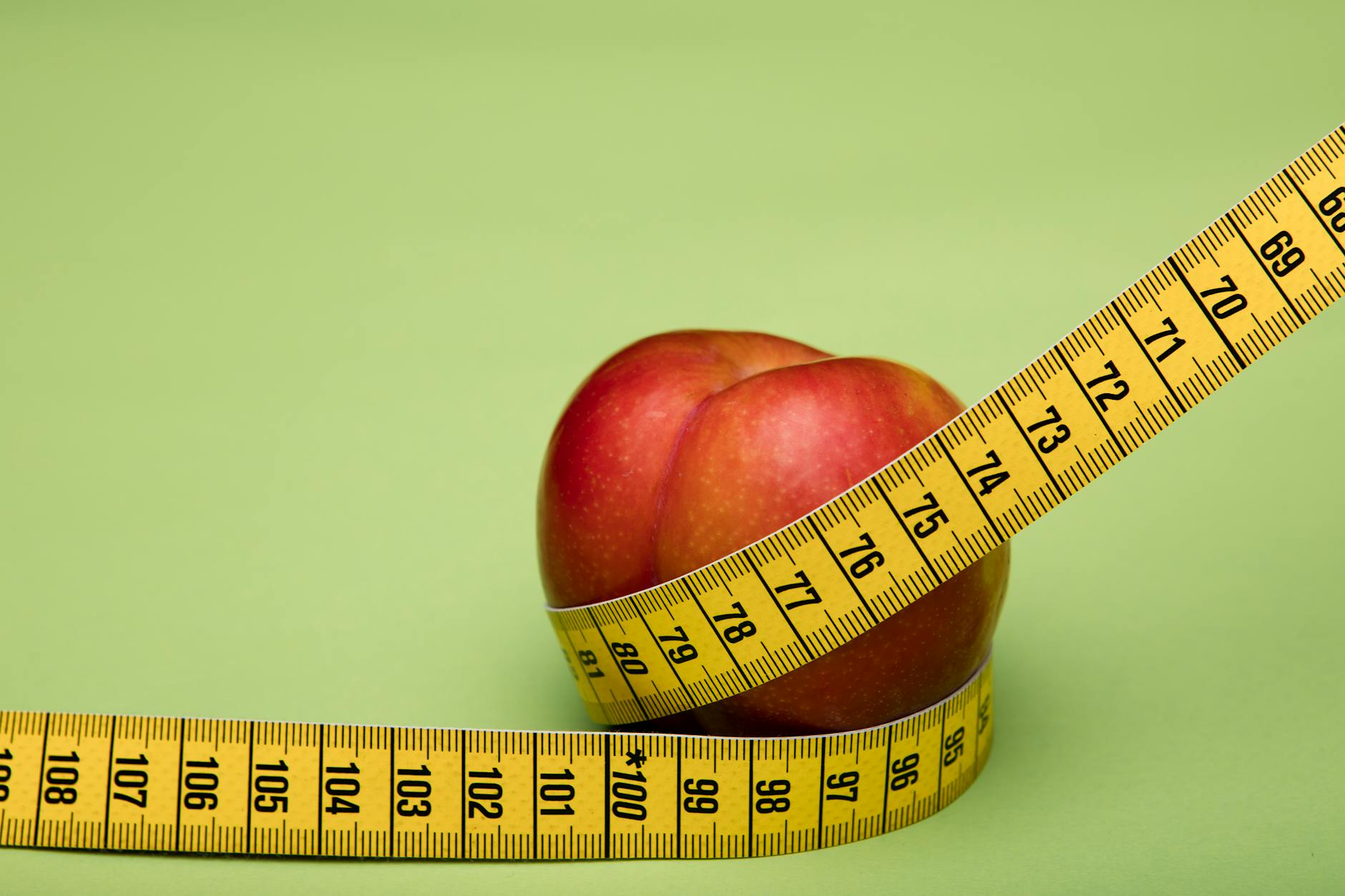
Does yo-yo dieting really wreck metabolism over time?
Yo-yo dieting may undo the gains of weight loss, but a 2026 review found little evidence that it permanently damages metabolism.
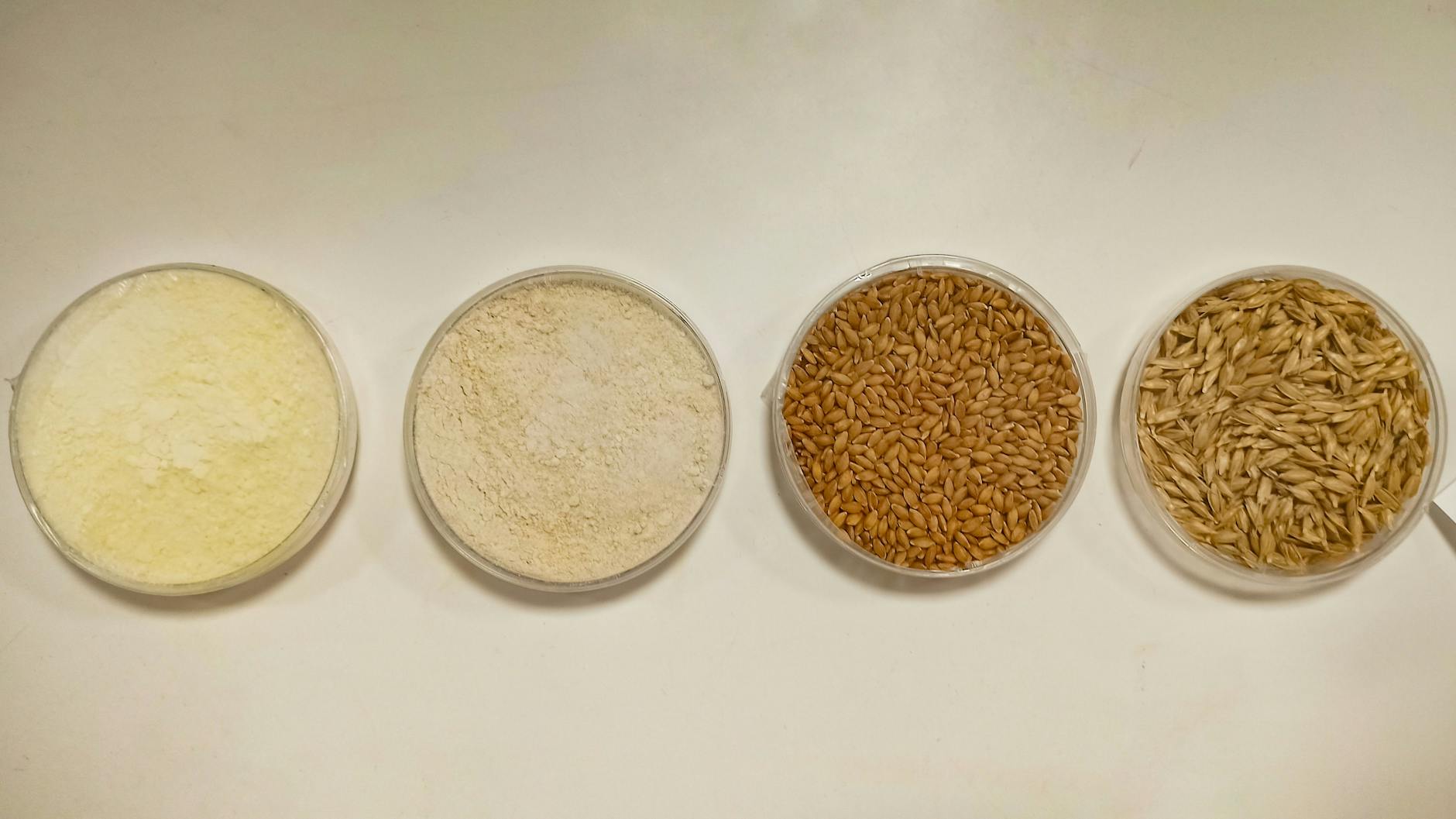
Why one protein target does not fit everyone
New protein research suggests age, activity and health status shape requirements more than a single public-health number can capture.

Sodium in one meal: why a sandwich can pass 6 g
Sodium in one meal can top daily limits: one UK sandwich had 6.88 g of salt, but the bigger risk is repeated hidden intake.

Do electrolyte powders help hydration and exercise performance?
Evidence suggests sodium-plus-carb drinks can help on long, hot, sweaty efforts, but for shorter or easier sessions plain water is often enough.

Sodium Nitrate May Block Heart Benefits of Exercise in Women
A Dalhousie University study in Scientific Reports finds that sodium nitrate, the active compound in beetroot-based workout supplements, prevented exercise-induced cardiac adaptations in female mice — raising fresh questions about whether women benefit from nitrate supplementation at all.
The Vitalspell brief
Evidence-based supplement science — weekly in your inbox.
Subscribe