
Supplements
The latest from Supplements on Vitalspell.
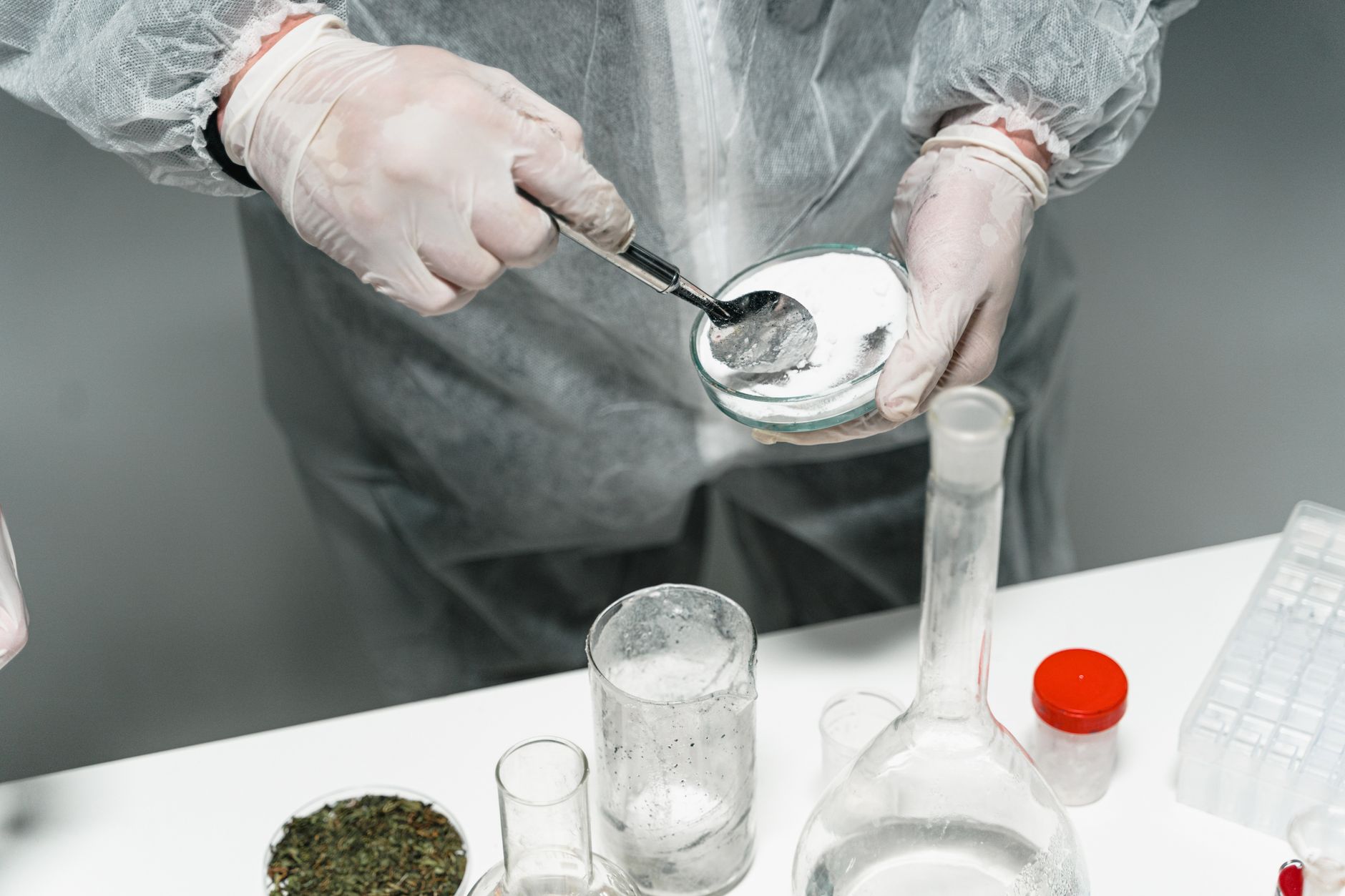
Protein powder heavy metals 2026: what Texas found
Protein powder heavy metals concerns are back after a Texas probe, but recent studies show risk depends on product type and daily use.

Grass-fed collagen: does the label matter in 2026?
Grass-fed collagen sounds cleaner, but human trials test peptides, dose and absorption, not pasture labels. Here is what matters.
Why vitamin D2 may lower vitamin D3 levels
Vitamin D2 supplements may lower circulating vitamin D3, a new meta-analysis suggests, strengthening the case for D3 as the default form.
Does creatine cause hair loss? What the evidence actually shows
A 2025 randomized trial found no sign that standard-dose creatine raised DHT or worsened hair-follicle measures over 12 weeks.
Can magnesium supplements lower cortisol? What the evidence says
Magnesium supplements may lower cortisol in some trials, especially in poor sleepers or stressed adults, but the evidence is mixed and far from universal.
More
Vitamin D, calcium do not prevent fractures in most older adults
153,902 participants across 69 trials show vitamin D and calcium supplements offer little to no clinically meaningful protection against fractures or falls in older adults.

What berberine side effects show up most often?
A new JAMA trial and a broader review suggest berberine is usually limited by mild GI side effects, with drug interactions the bigger safety question.

Does ashwagandha carry liver, gut, or thyroid risks?
Most ashwagandha side effects look mild in short studies, but rare liver injury reports and thyroid cautions make the herb less simple than marketing suggests.
Do collagen peptides actually help skin? What the clinical trials show
Recent trials suggest collagen peptides may modestly improve skin hydration and elasticity, but the best evidence still points to small effects and uneven study quality.
Are collagen peptides safe? What side-effect studies show
Human trials usually report few or no adverse events with collagen peptides, but most studies are small, short and not built to detect rare harms.
Can berberine help with insulin resistance? What the evidence says
Short-term trials suggest berberine may modestly improve insulin resistance markers, but small studies, poor bioavailability and uneven supplement quality limit confidence.

Sodium Nitrate May Block Heart Benefits of Exercise in Women
A Dalhousie University study in Scientific Reports finds that sodium nitrate, the active compound in beetroot-based workout supplements, prevented exercise-induced cardiac adaptations in female mice — raising fresh questions about whether women benefit from nitrate supplementation at all.

Can Magnesium Help With Eye Twitching? What the Science Says
Your eyelid has been flickering for days and someone suggested magnesium. But three recent cross-sectional studies — together covering more than 500 participants — found no link between serum magnesium and eyelid twitching. The real culprits, the data suggest, are fatigue and screen time.
Magnesium Supplement Side Effects: What the Evidence Says About Safety and Risks
Magnesium supplements are generally safe but side effects vary significantly by formulation. Here's what the latest research says about GI distress, the 350 vs 500 mg UL debate, drug interactions, and why the sleep benefits may be overstated.
Creatine Side Effects: What the 2025 Safety Evidence Actually Shows
Two landmark 2025 analyses of 685 clinical trials find that creatine monohydrate's side effect profile is essentially indistinguishable from placebo — across 35 categories, including kidney function, GI issues, and cramping.
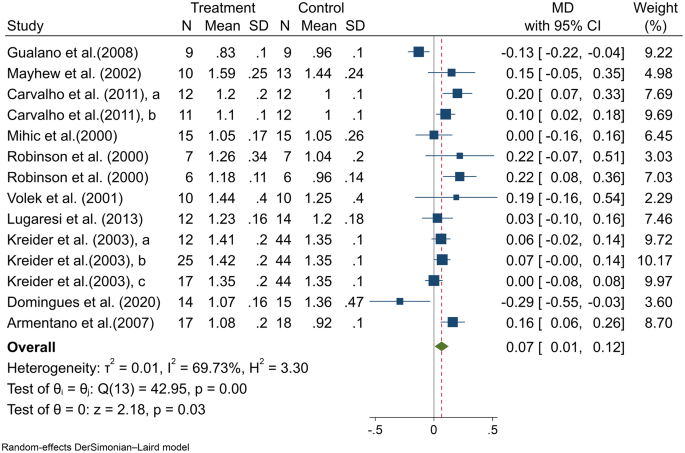
Is Creatine Safe for Your Kidneys? What the 2026 Evidence Says
Two new meta-analyses confirm creatine monohydrate does not impair kidney function despite a modest bump in serum creatinine. Here's what the totality of evidence says — and why the myth has been so hard to shake.
Does Magnesium Really Help With Muscle Cramps? What the Evidence Says
Millions take magnesium for muscle cramps, but a 2020 Cochrane review of 11 randomised trials found it doesn't outperform placebo. A 2026 Finnish trial showed compression stockings work — magnesium didn't. Here's what the evidence says for nocturnal cramps, pregnancy, and exercise.
Does Magnesium Glycinate Cause Digestive Side Effects? What the Evidence Says
Magnesium glycinate promises better absorption and fewer digestive side effects than oxide or citrate. But the head-to-head evidence reveals a more nuanced picture — one where glycinate is gentler on the lower GI tract but not necessarily easier on the stomach itself.
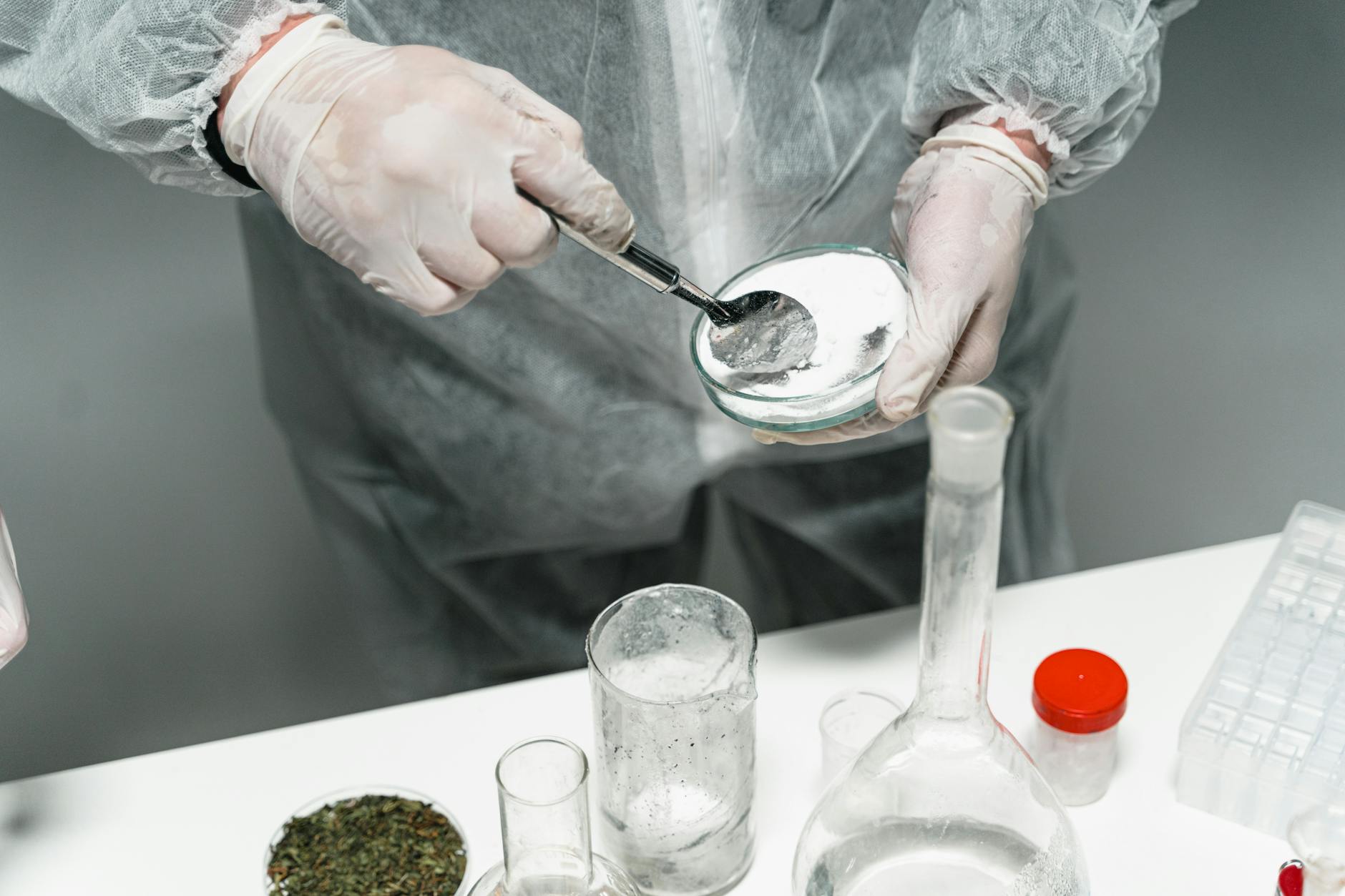
What Creatine Actually Does for Women's Muscle, Brain and Menopause
A sweeping 2025 review argues women metabolise creatine differently than men — and the gap widens during the menopause transition. But a closer look at the cognitive evidence reveals a single small trial, uncorrected multiple comparisons, and a perimenopause-shaped hole in the research.
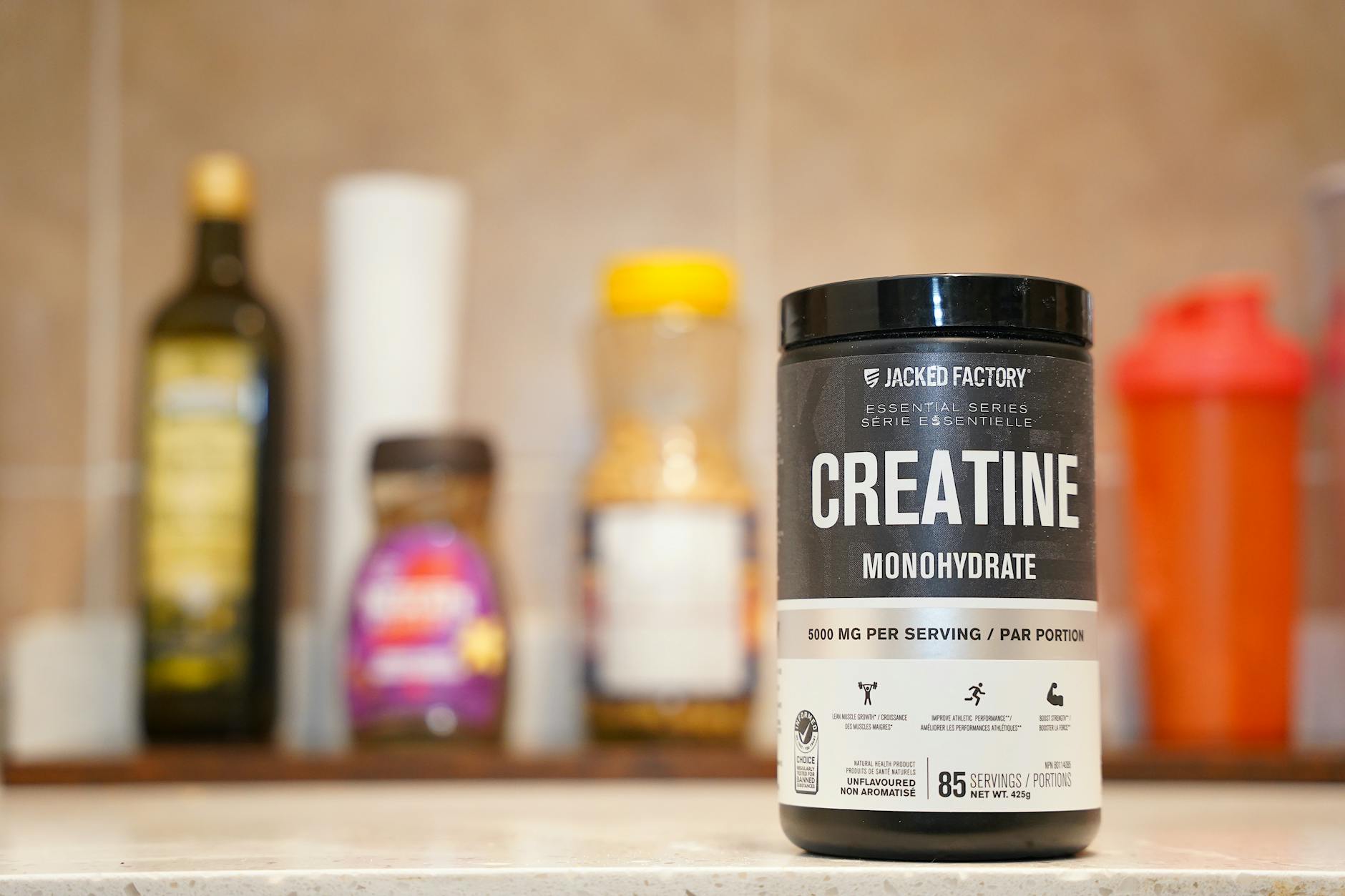
Thinking About Creatine? What Researchers Actually Want You to Know First
Creatine monohydrate is one of the most studied supplements in existence — but most of what circulates online gets the details wrong. Researchers Richard Kreider, Jan Brauner, and Bruno Gualano unpack what 30 years of evidence actually shows about muscle, cognition, kidney safety, and why you can skip the loading phase.
Limited evidence links creatine to better cognition in older adults
A systematic review of six studies finds creatine may benefit memory and attention in adults over 55. The evidence is thin, with only one of six studies rated methodologically 'good.' The authors say high-quality trials are needed before clinical recommendations.
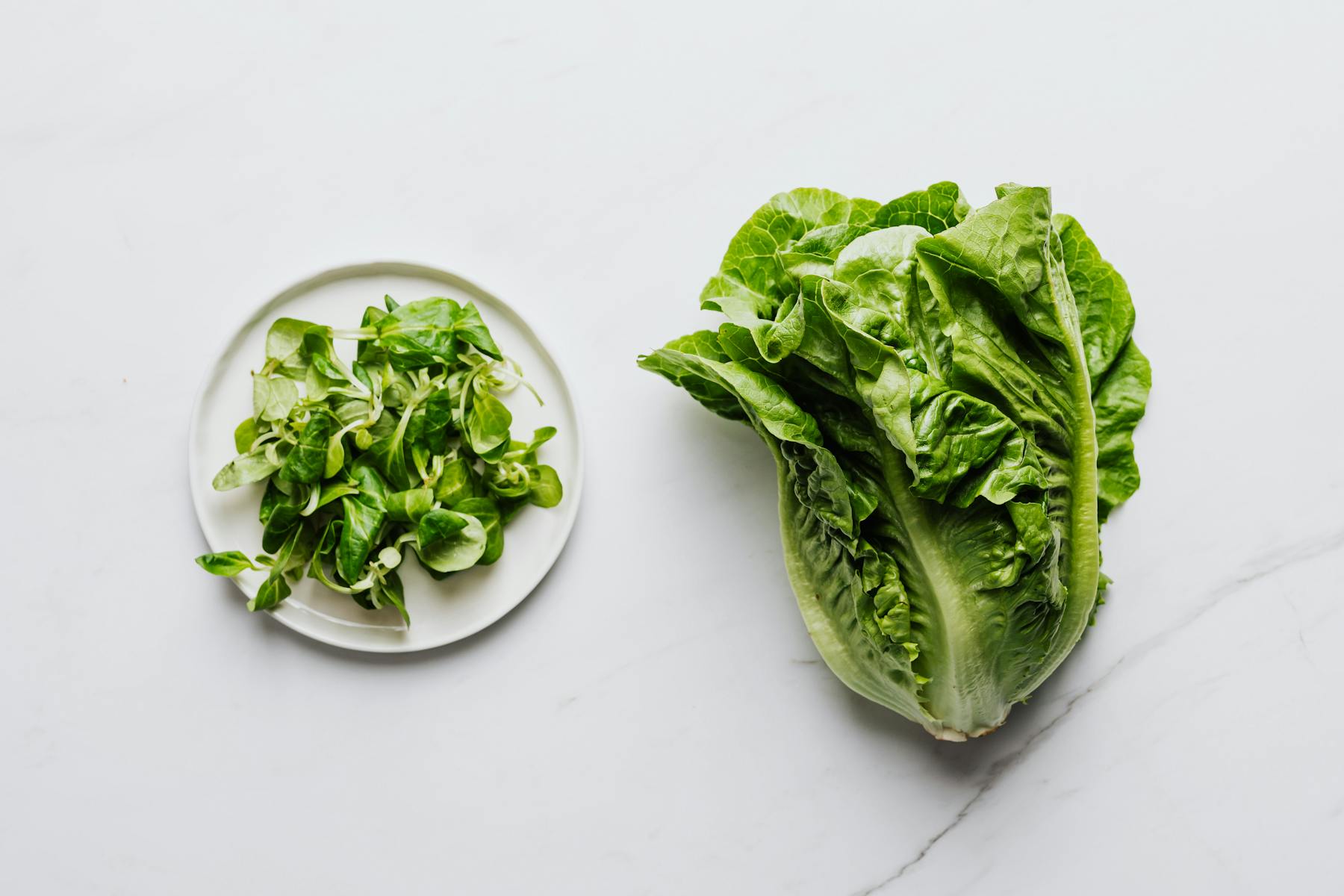
5-MTHF prenatal trial: what the Ritual-funded RCT actually showed
A 24-week randomized trial in Frontiers in Nutrition compared 5-MTHF and folic acid prenatal multivitamins in 62 second- and third-trimester pregnancies. The methylated form held folate status with about a quarter of the unmetabolized folic acid. Industry-funded, narrowly scoped, and worth reading carefully.
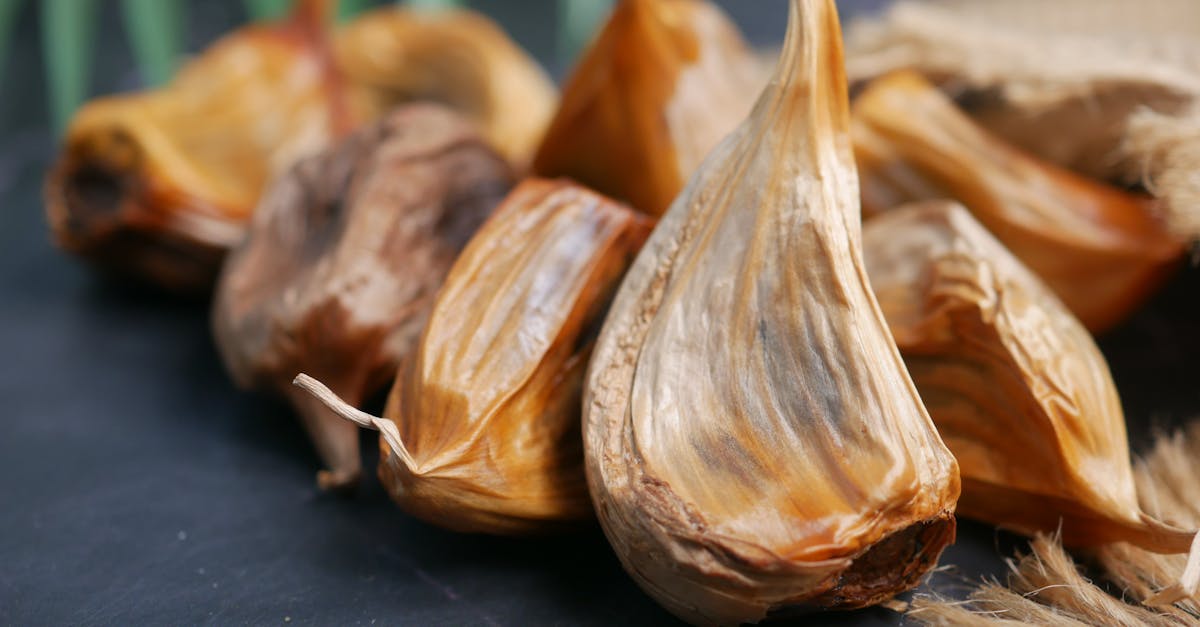
Aged garlic compound nudges the fat-brain-muscle axis longevity researchers chase
A new Cell Metabolism paper identifies S-1-propenyl-L-cysteine, a bioactive in aged garlic extract, as an upstream activator of LKB1 that prompts fat tissue to release more eNAMPT. In aged mice, the molecule reduced frailty and improved muscle force. The human data is preliminary.
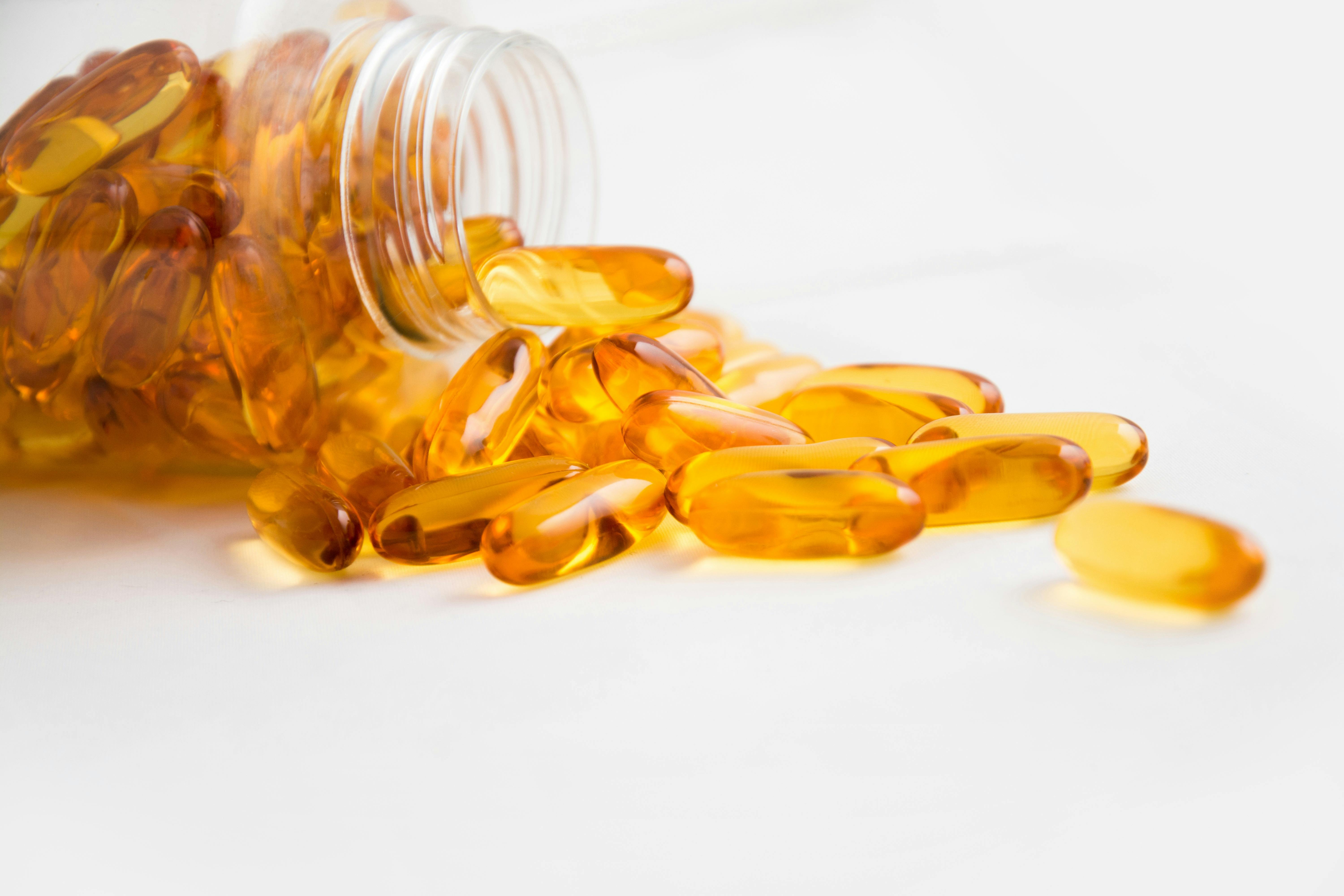
Fish oil supplements face mounting evidence of limited benefits and real risks
A growing body of research suggests fish oil supplements may not deliver the broad health benefits consumers expect and could pose risks including increased atrial fibrillation and possible cognitive decline in older adults.
Berberine derivative lowered HbA1c by 1% in 12-week diabetes trial
A phase 2 randomized trial published in JAMA Network Open found that HTD1801, an oral compound combining berberine with ursodeoxycholic acid, reduced HbA1c by 1.0 percentage point over 12 weeks. The drug also improved insulin sensitivity, lipid profiles, and liver enzyme levels, with two phase 3 trials now completed and an NDA submission planned.
The Vitalspell brief
Evidence-based supplement science — weekly in your inbox.
Subscribe