
Supplements
View all →
Fitness
View all →
Longevity
View all →
Anti-aging supplements that have human evidence in 2026
What the new Cell Metabolism longevity-diet study found

What a long-lived butterfly can teach us about aging
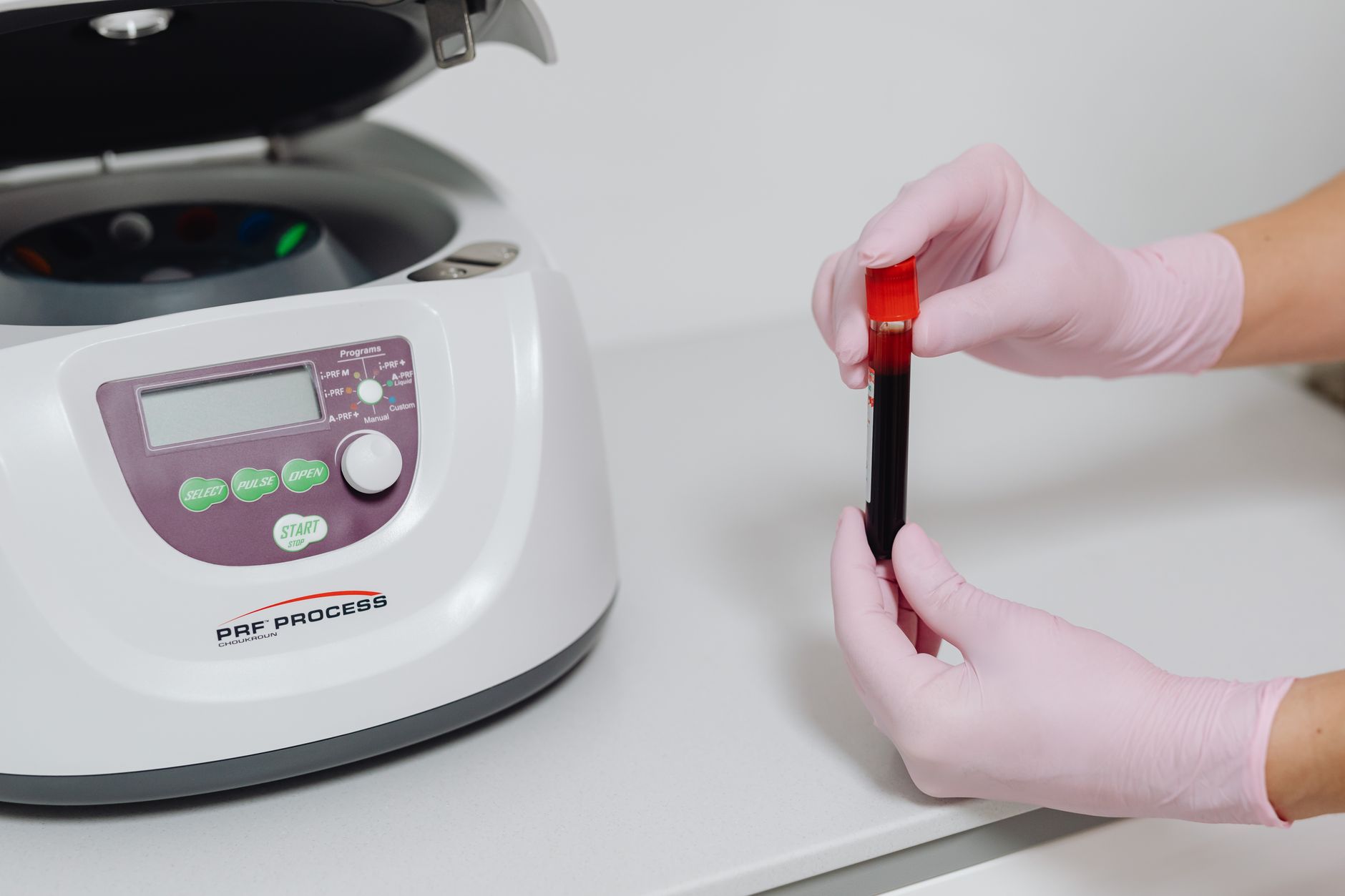
Plasma Exchange Reduced Blood Microplastics 60% in First Human Study

What Life's Essential 8 predicts about living to 100
Can NMN, NAD+ and resveratrol actually slow aging? Here's what the human evidence says
Gut Health
View all →
Nutrition
View all →
Cognitive Health
View all →
Do artificial sweeteners speed cognitive decline?

Tau may help the brain keep memories before Alzheimer's
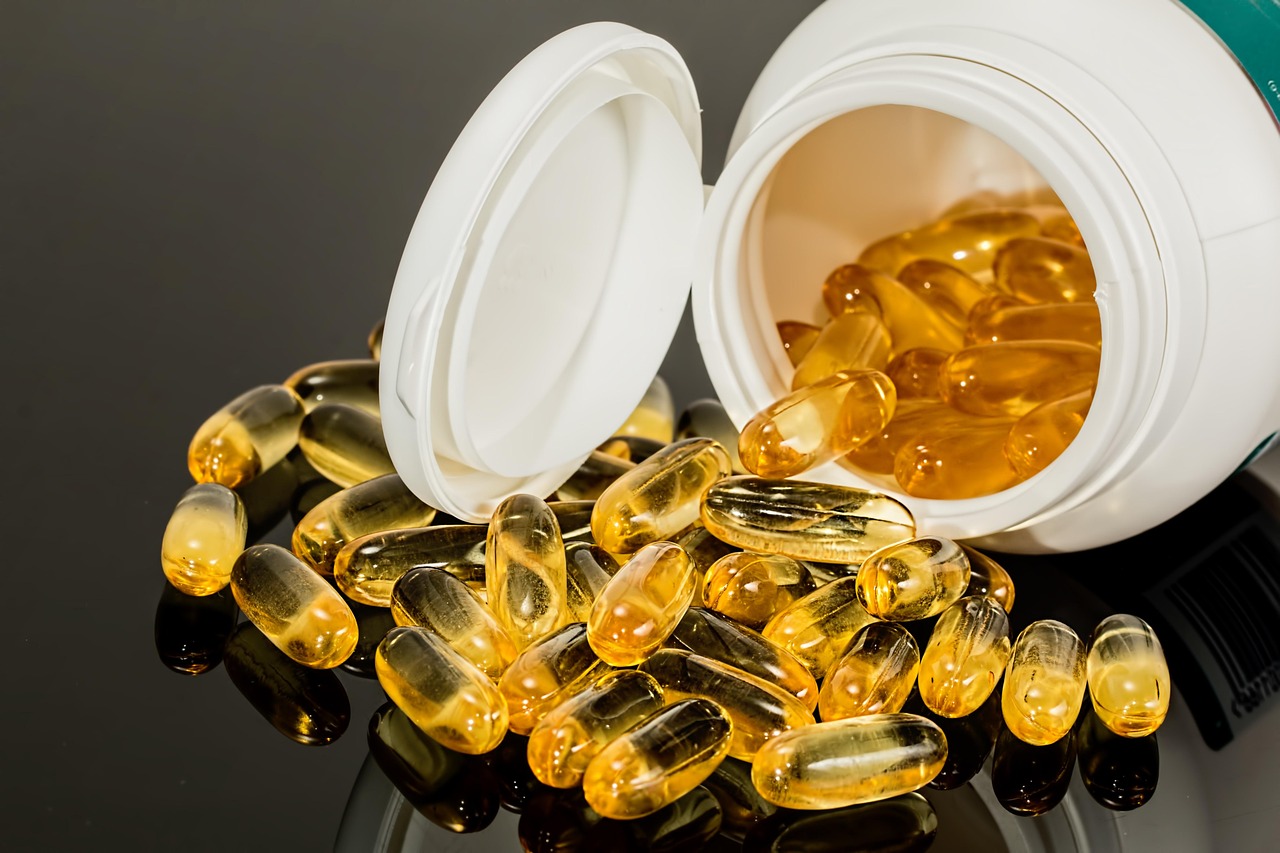
Fish oil supplements and memory: no benefit in 2-year trial
Creatine for depression: what the 2026 trials actually show
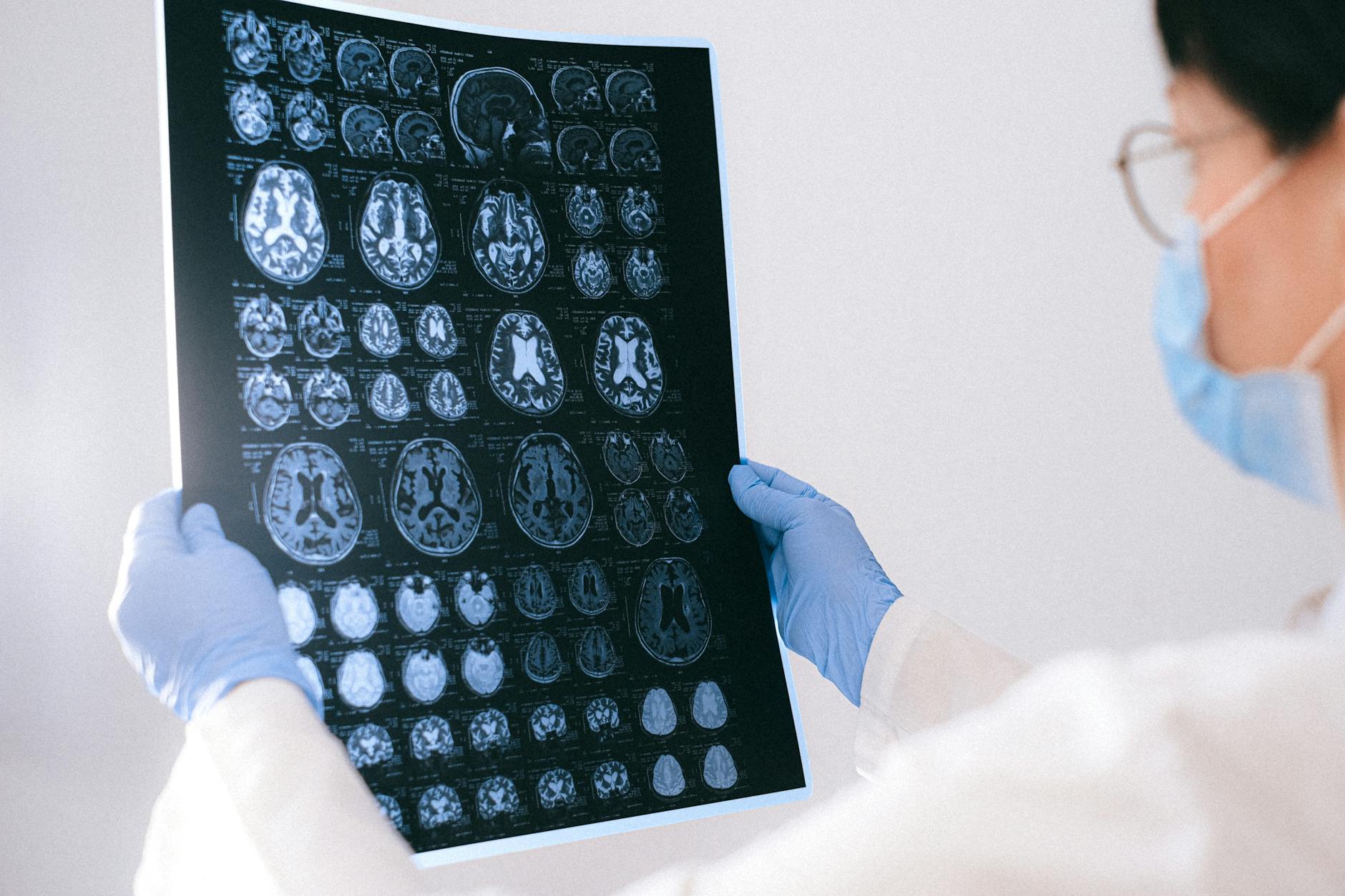
Creatine for Alzheimer's: what the 2026 pilot found

Lion's mane and memory: what human trials actually show
Science
View all →
Sleep
View all →
Hormones
View all →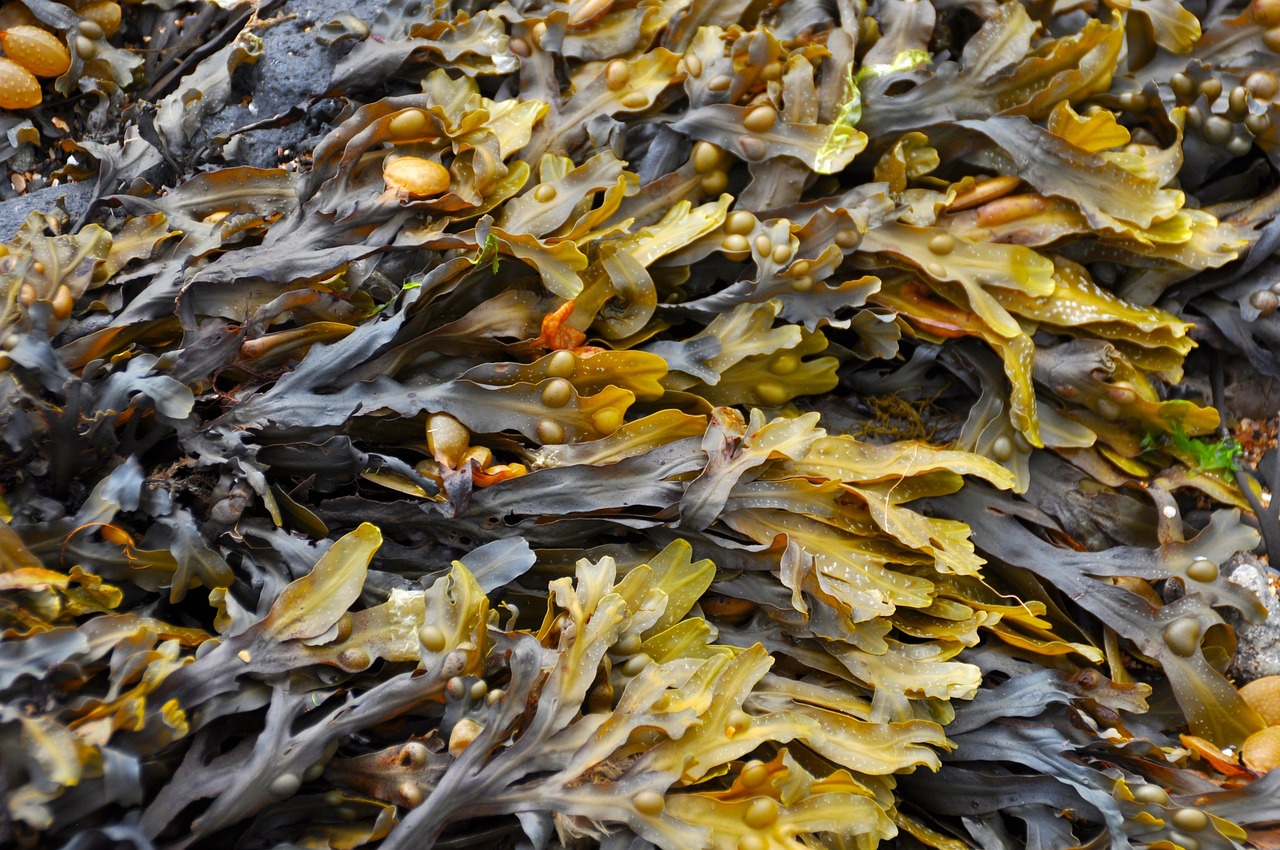
Seaweed for thyroid health: when iodine may backfire
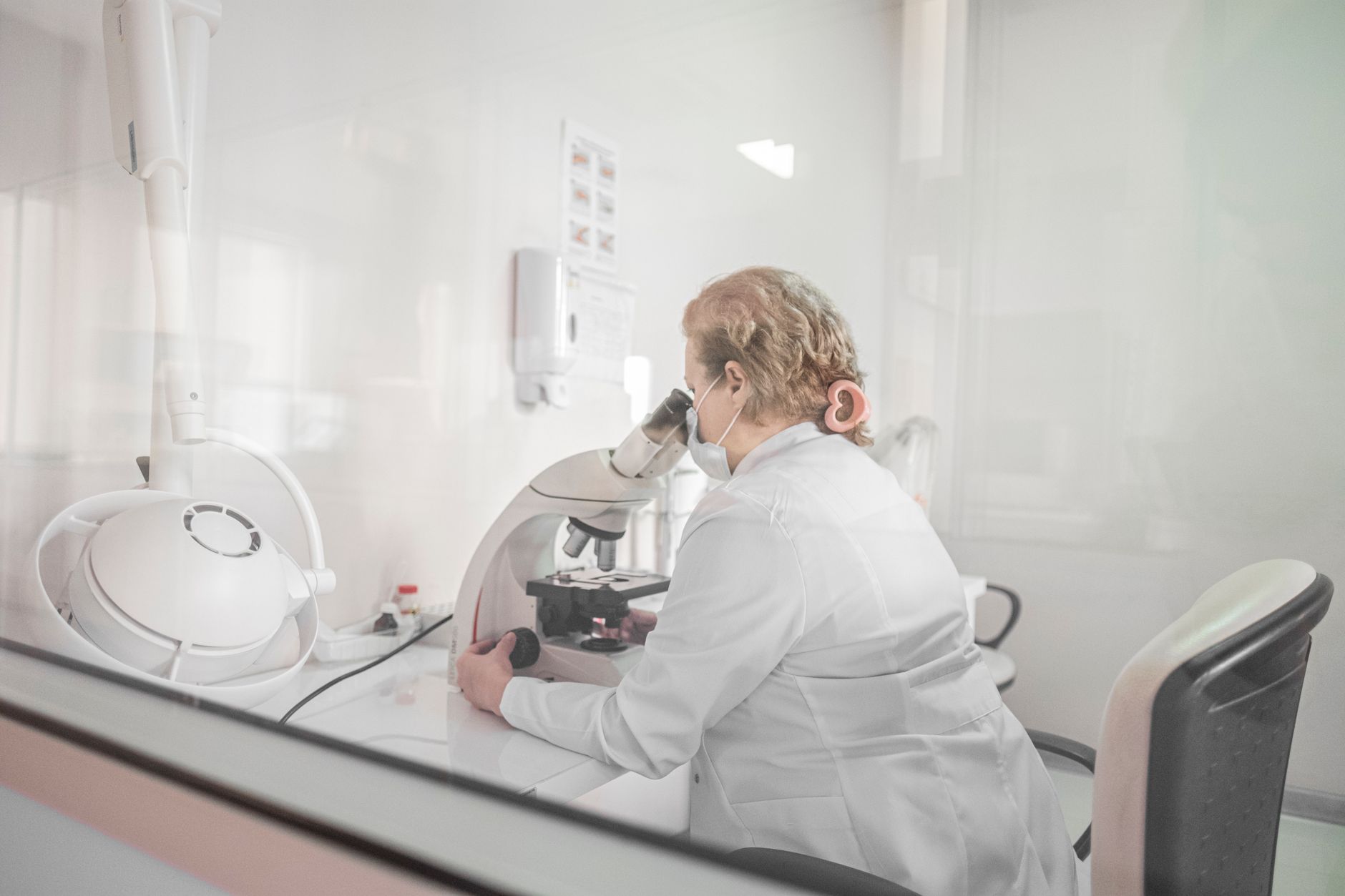
What the Lancet review found about costly IVF add-ons

Perimenopause heart risk may rise before menopause ends
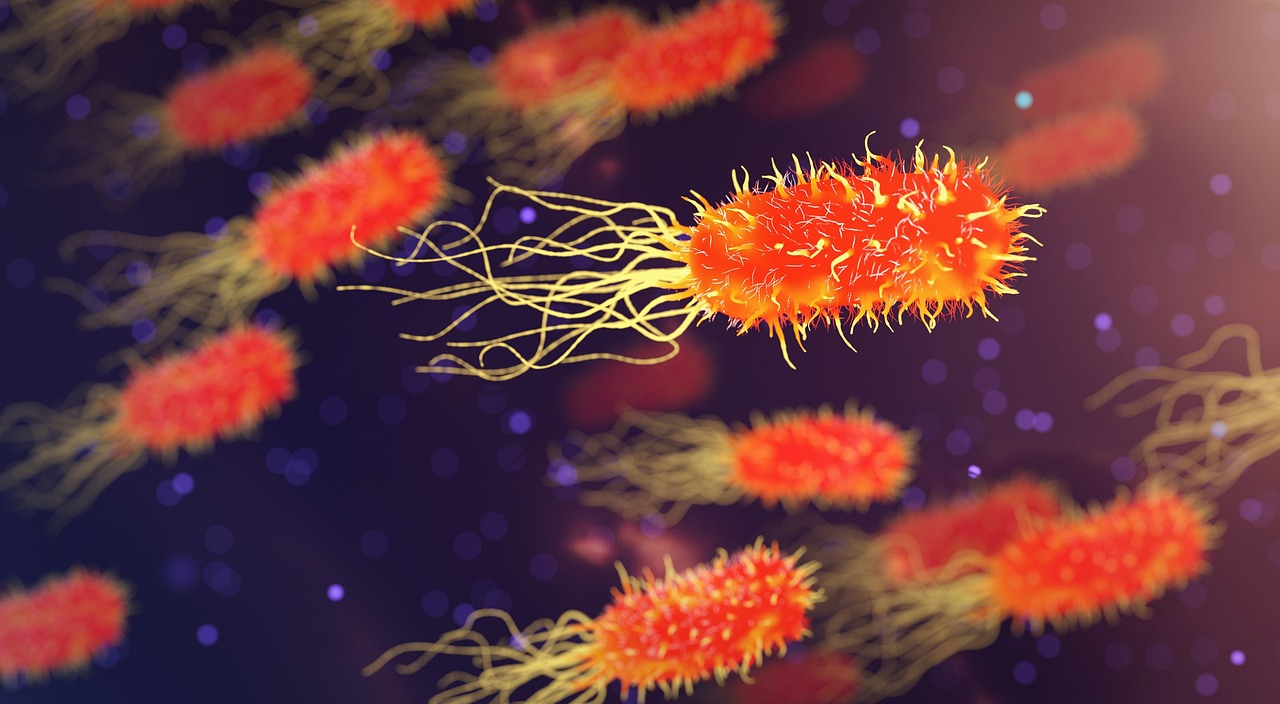
Can gut bacteria predict bone loss in hyperparathyroidism?
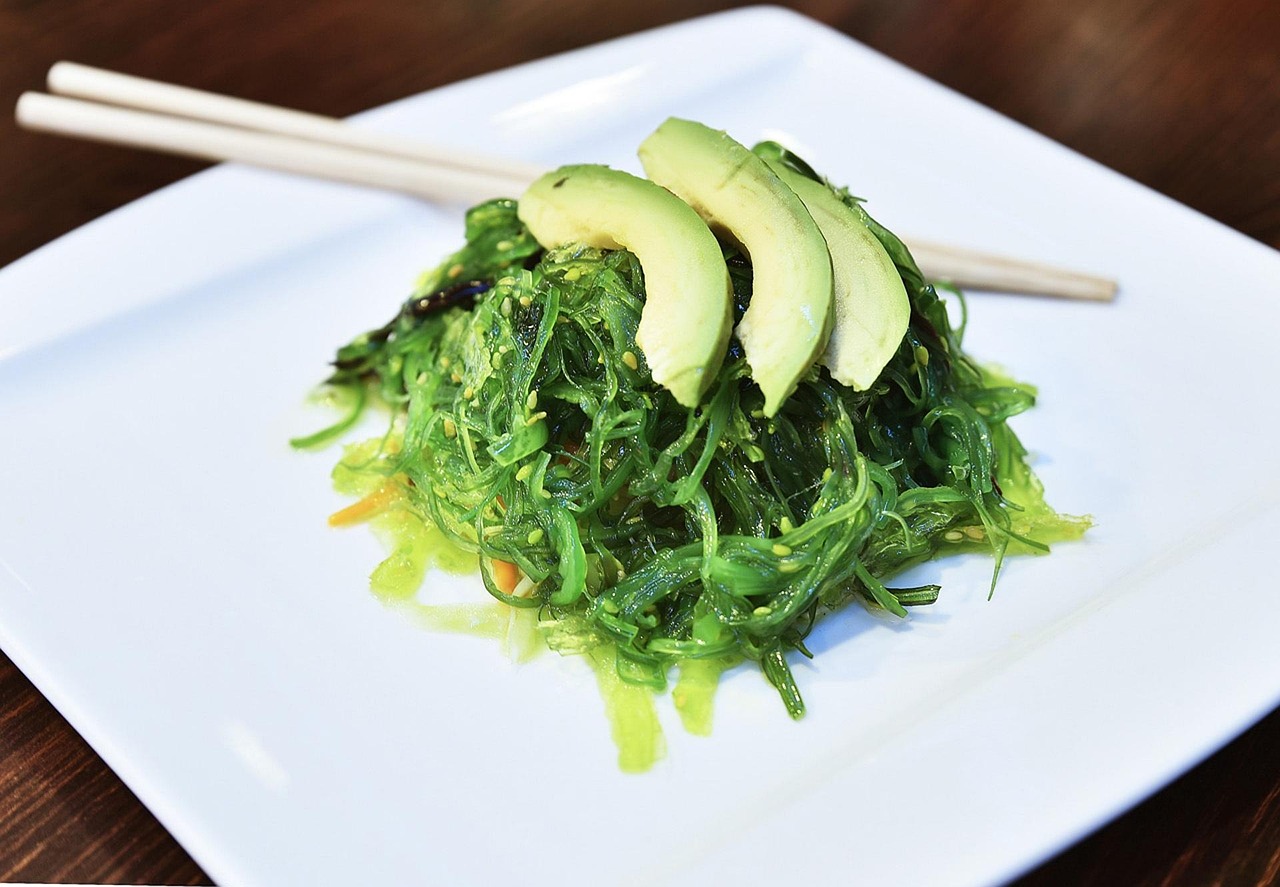
Seaweed for thyroid health: what the iodine evidence says
Can ashwagandha lower cortisol? What the 2026 evidence says
Reviews
View all →
Latest research
Longevity
Anti-aging supplements that have human evidence in 2026
Supplements
FDA peptide vote: what the evidence shows on BPC-157, KPV
Science
Motherhood changes the brain, but not in one neat way

Fitness
Swimming for chronic low back pain: what the trial found

Sleep
Can losing an hour of sleep a night really cause weight gain?
Gut Health
Do probiotics change gut microbiome diversity in adults?
Cognitive Health
Do artificial sweeteners speed cognitive decline?

Science
Wildfire smoke health effects in the latest reviews

Science
Mobile phones and brain cancer risk: what evidence shows
The Vitalspell brief
Evidence-based supplement science — weekly in your inbox.
Subscribe