
Gut Health
The latest from Gut Health on Vitalspell.
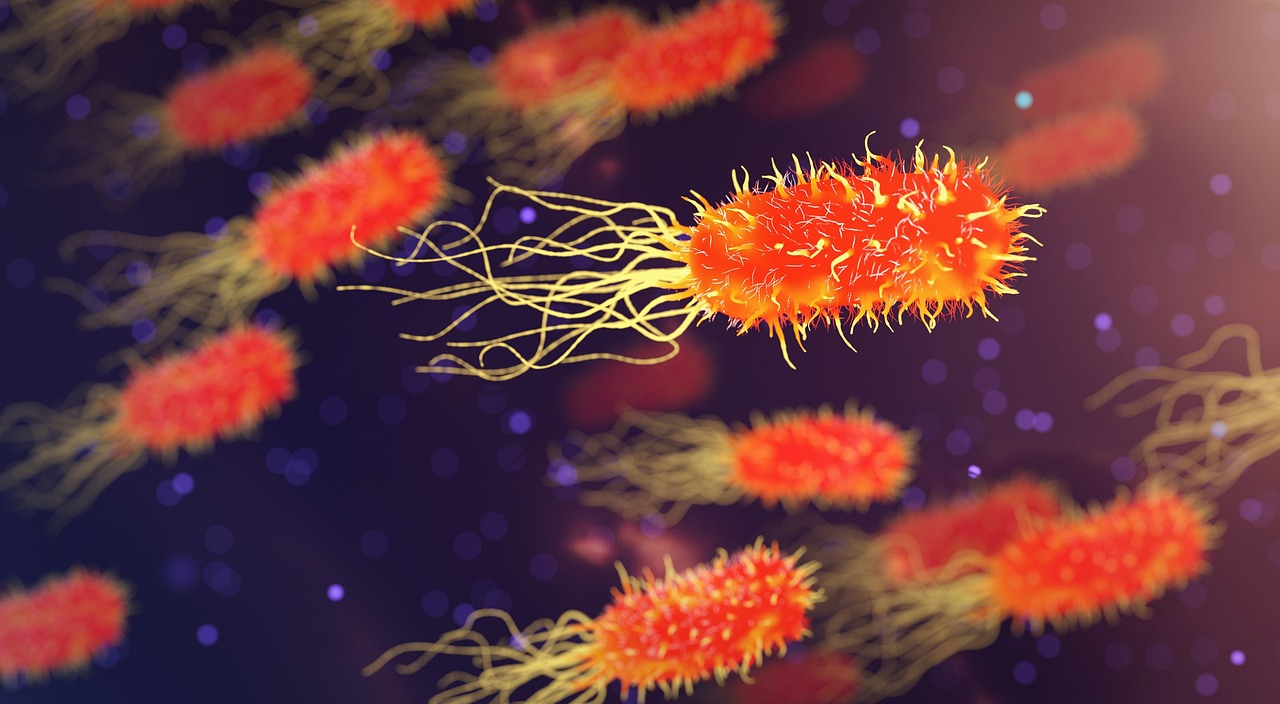
Do probiotics change gut microbiome diversity in adults?
Probiotics and gut microbiome diversity did not shift meaningfully in a 2026 meta-analysis of randomized trials in healthy adults.
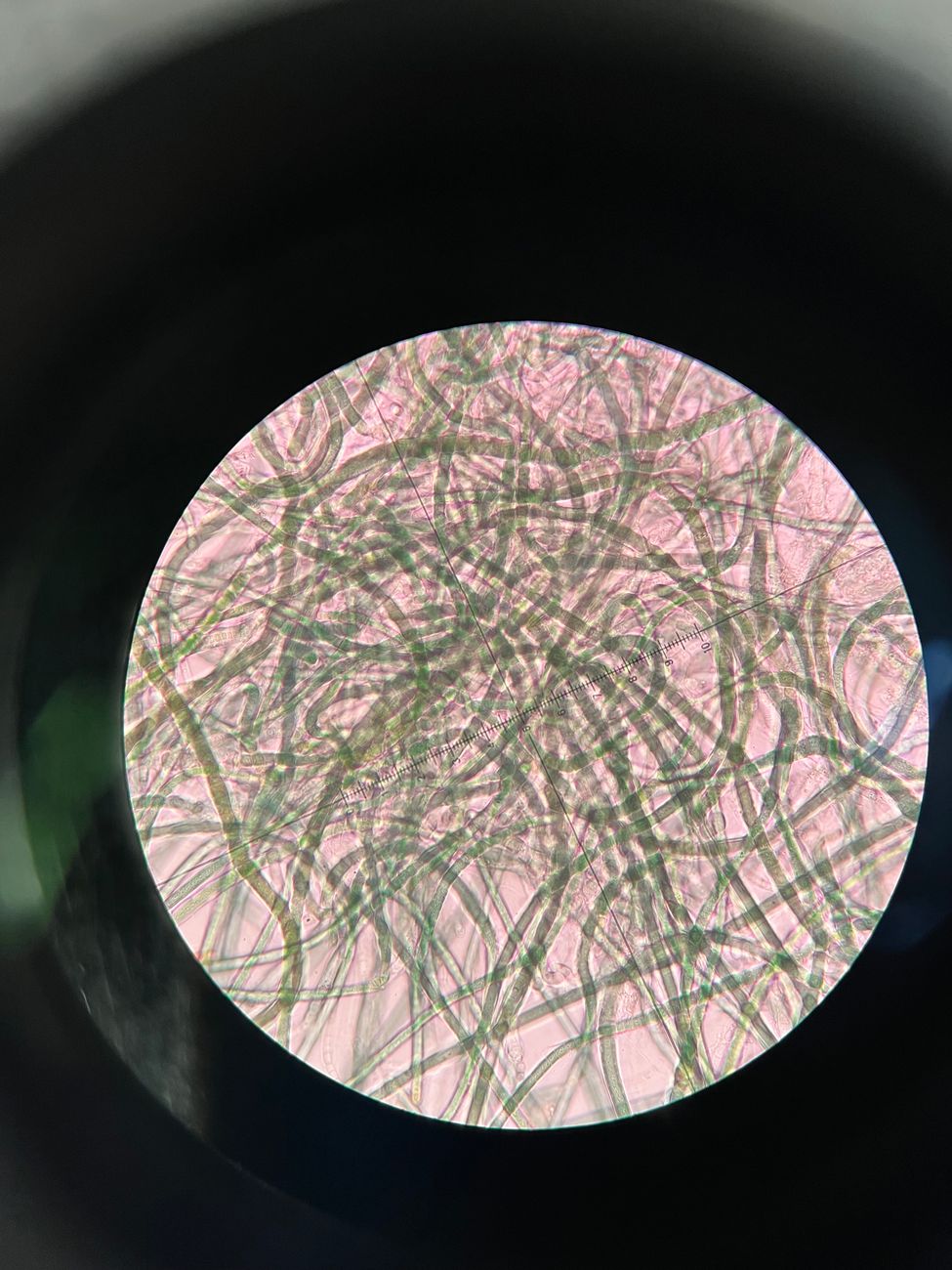
Helminth therapy may depend on fiber for gut inflammation
Helminth therapy may depend on fiber: a 2026 Nature Communications study found low-fiber diets shut down a tapeworm's anti-inflammatory effect.

Akkermansia weight-loss maintenance: what the 2026 trial found
Pasteurized Akkermansia helped adults regain less weight after dieting in a 2026 trial, but the probiotic signal was modest and narrowly tested.
Do artificial sweeteners really disrupt gut health?
Artificial sweeteners and gut health remain a murky mix: a 2026 review found human trial signals, but the evidence still varies by ingredient.
Can XOS reduce liver fat? What the four-month trial found
An XOS prebiotic trial in early fatty liver lowered gut metabolites and slightly reduced liver fat, but the four-month study was small.
More
Probiotic-phytonutrient trial found only modest bowel gains
Probiotic-phytonutrient trial found only modest bowel gains and some gut-marker shifts over eight weeks, but the endpoints were surrogate-heavy.
Bifidobacterium probiotic RCT cut infant eczema risk
Bifidobacterium probiotic BLa80 reduced infant eczema and respiratory infections in a 2026 RCT, but the finding is strain-specific.
Food insecurity may alter children's gut microbiome, study finds
A 2026 study found that food insecurity enriches Sutterella bacteria in children's guts, suggesting unstable food access may leave a measurable biological signature.
Engineered gut bacteria may replace fecal transplants
Engineered gut bacteria matched same-donor fecal transplant on safety and engraftment in an 18-patient C. difficile trial.
Probiotic constipation trial: LP299V combo improved habits
A probiotic constipation trial found the LP299V + LpGOS42 combo improved bowel habits, but the evidence is narrow and strain-specific.
Inulin for knee osteoarthritis: what the 2026 trial found
Inulin for knee osteoarthritis reduced pain over six weeks in a 117-person trial, but the gut-joint mechanism and lasting benefit remain unproven.
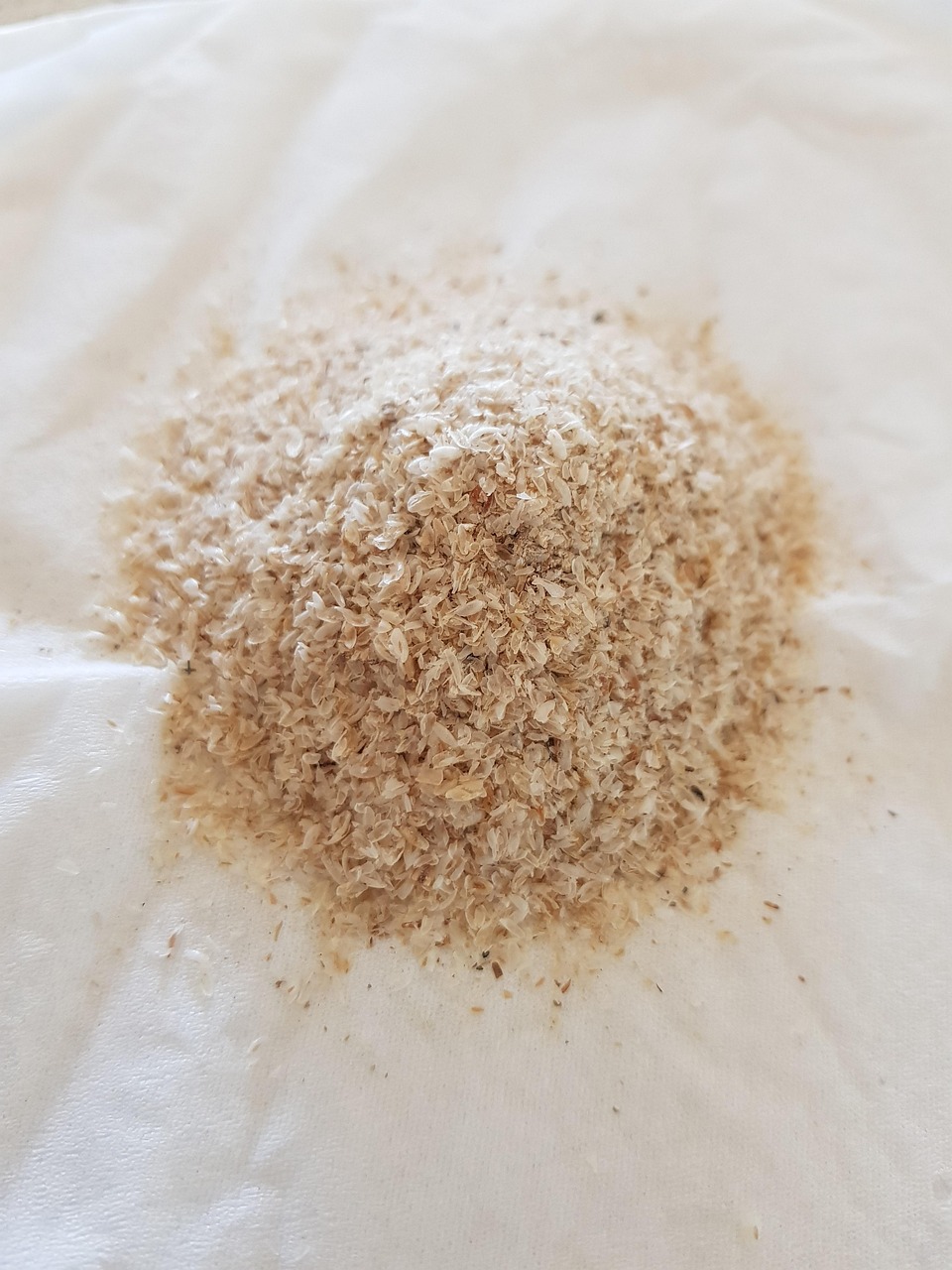
Psyllium husk for constipation: what the evidence says
Trial and meta-analysis evidence suggests psyllium can help chronic constipation, especially for stool softness and regularity, but dose, timing and fluid intake matter.
Why prebiotics may work differently on different guts
Prebiotic fiber response may depend on baseline intake. A 124-man trial showed resistant dextrin shifted gut bacteria, with larger changes in high-fiber eaters.
How a few medical visits reshaped gut microbes in remote Amazonian communities
Amazonian gut microbiome changes came fast after a few medical visits, raising harder questions about essential care, microbial diversity and consent.
Could prebiotic fibre backfire in multiple sclerosis?
Prebiotic fibre in multiple sclerosis looked less protective in a 2026 microbiome paper, but the signal points to fermentation capacity, not fibre alone.
Could infant gut microbes shape later ADHD risk?
A new birth-cohort paper linked one-week Bifidobacterium patterns and a microbial metabolite to ADHD diagnoses at age 10. Here is what the data does, and does not, say.

Eating after 9 p.m. under stress may strain the gut
New evidence suggests late-night eating under stress may track with worse bowel symptoms and lower microbiome diversity, but the case for causality is still incomplete.
Can probiotics sometimes make gut symptoms worse for some people?
Probiotics can trigger short-term gas, bloating or cramping, and in some people with IBS, IBD or SIBO-like symptoms they may be the wrong tool. The evidence is more specific than the marketing.
Should healthy adults take a daily probiotic? What the evidence says
The strongest probiotic evidence is still narrow: specific strains for specific problems. For otherwise healthy adults, the best reviews do not support a default daily capsule.
One Gut Bacterium, Two Kilos Kept Off — But the Trial Was Small
A Nature Medicine RCT found pasteurized Akkermansia muciniphila MucT reduced weight regain by two-thirds compared to placebo across 24 weeks. The mechanism is specific, the effect is real, and the evidence is still incomplete.
Selective eating reshapes the autism gut microbiome — and not for the better
A 96-child study finds restrictive eating patterns in ASD drive up inflammatory gut bacteria, sharpening a decade-old debate about whether dysbiosis causes autism symptoms or simply reflects what children eat.
Probiotics and diet together reduced gut inflammation in autistic children
Two new studies strengthen the case that probiotics combined with dietary changes can reduce intestinal inflammation in children with autism spectrum disorder — but behavioural benefits remain unproven.
Psychobiotics work strain-by-strain on mental health, 14-trial review finds
A 2026 narrative review of 14 randomized trials in Frontiers in Microbiology finds psychobiotic probiotics produce strain- and context-specific effects on stress, sleep, anxiety, and depression rather than universal mood improvements.
Akkermansia muciniphila: what the evidence actually says about the internet's favorite probiotic
Akkermansia muciniphila has attracted more supplement-industry attention than any microbe since Lactobacillus. Here is what the human trials actually show about weight loss, blood sugar, gut barrier repair, and the other claims being made.
Starch- and sucrose-reduced diet tops low FODMAP for IBS symptoms in network meta-analysis
A 2025 Lancet network meta-analysis of 28 trials finds a starch- and sucrose-reduced diet outperforms low FODMAP for global IBS symptoms, with a 59% risk reduction versus habitual diet.
The Vitalspell brief
Evidence-based supplement science — weekly in your inbox.
Subscribe