
Sleep
The latest from Sleep on Vitalspell.
Can losing an hour of sleep a night really cause weight gain?
Sleep loss and weight gain may be linked more directly than expected: a six-week Annals trial found 78 fewer minutes a night added 0.45 kg.
What a sustained-release melatonin trial really shows
Sustained-release melatonin improved sleep efficiency and total sleep time in a small 28-day RCT, but the broader evidence remains modest.
Magnesium bisglycinate for sleep: 2025 trial results
Magnesium bisglycinate for sleep improved insomnia scores modestly in a 2025 RCT, but the evidence still falls short of a blanket recommendation.
Can vitamin D help you sleep? What the evidence says
Vitamin D may matter for sleep in some people, but the human evidence still does not support it as a general sleep aid.
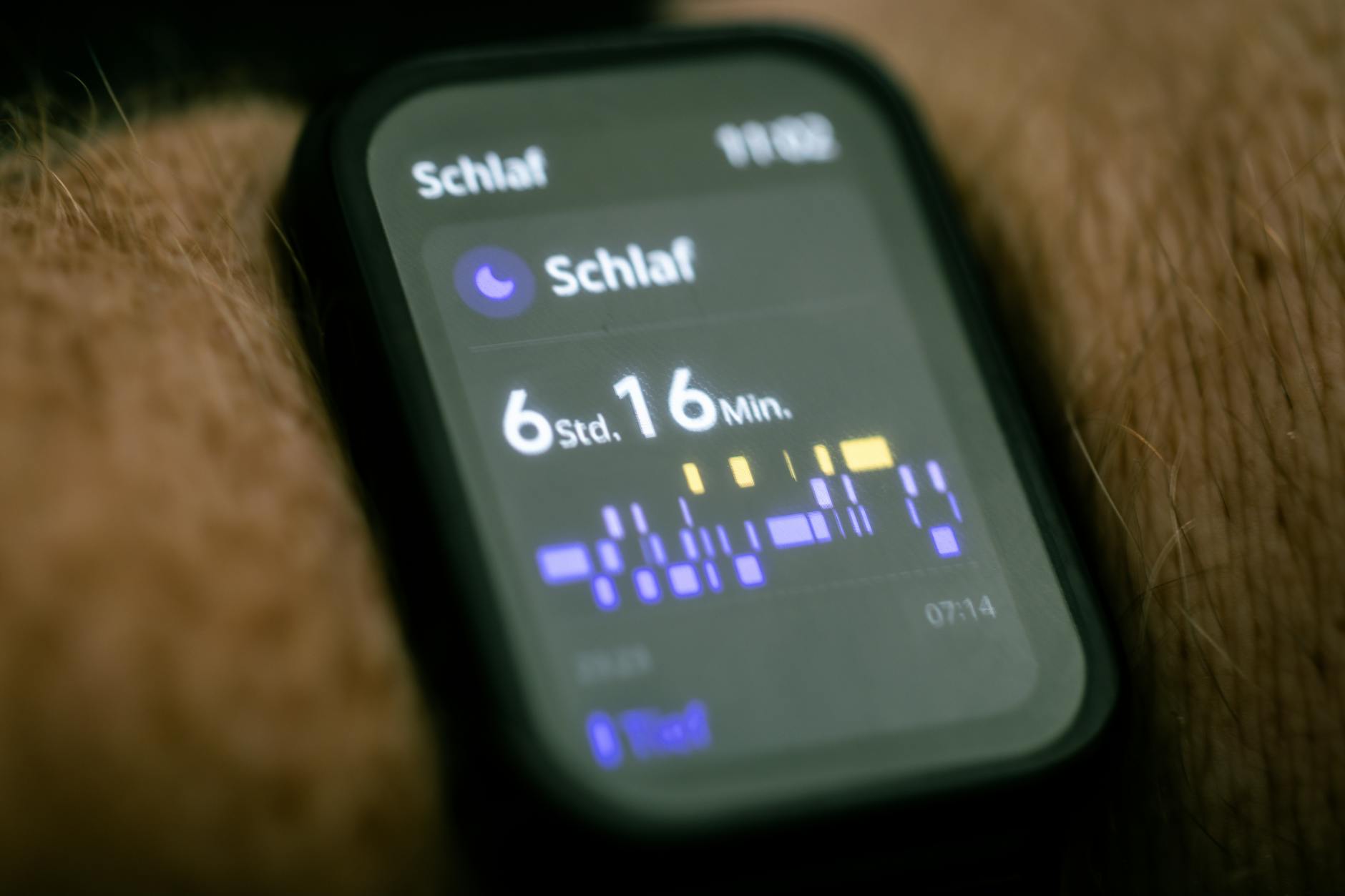
How accurate are sleep trackers? What the 2026 evidence says
The latest reviews suggest sleep trackers are reasonably good at estimating total sleep time, but much weaker on sleep stages and perceived sleep quality.
More

Can saffron help you sleep? What the evidence says
Randomized trials suggest saffron may modestly improve sleep quality over four weeks, but the evidence is still small, short-term and weaker than standard insomnia care.
The Sleep Sweet Spot: 6 to 8 Hours Slows Biological Ageing Across 17 Organs
A study of half a million UK Biobank participants finds that both short and long sleep are tied to accelerated biological ageing across nearly every organ system — and the sweet spot may be narrower than you think.
What Happens to Your Sleep When You Take Magnesium and Melatonin Together
Magnesium and melatonin influence sleep through complementary pathways, but the clinical trial data paints a more modest picture than the marketing suggests. Here's what the evidence actually says.
The Meteoric Rise and Problematic Future of Wearable Sleep Tech
Nearly half of American adults have used a sleep tracker, and the market is projected to reach $6.86 billion by 2034. But validation research reveals a sharp divide: devices reliably detect sleep versus wakefulness, yet struggle to classify sleep stages — and a growing number of users are developing orthosomnia, an anxiety disorder driven by the pursuit of perfect sleep scores.
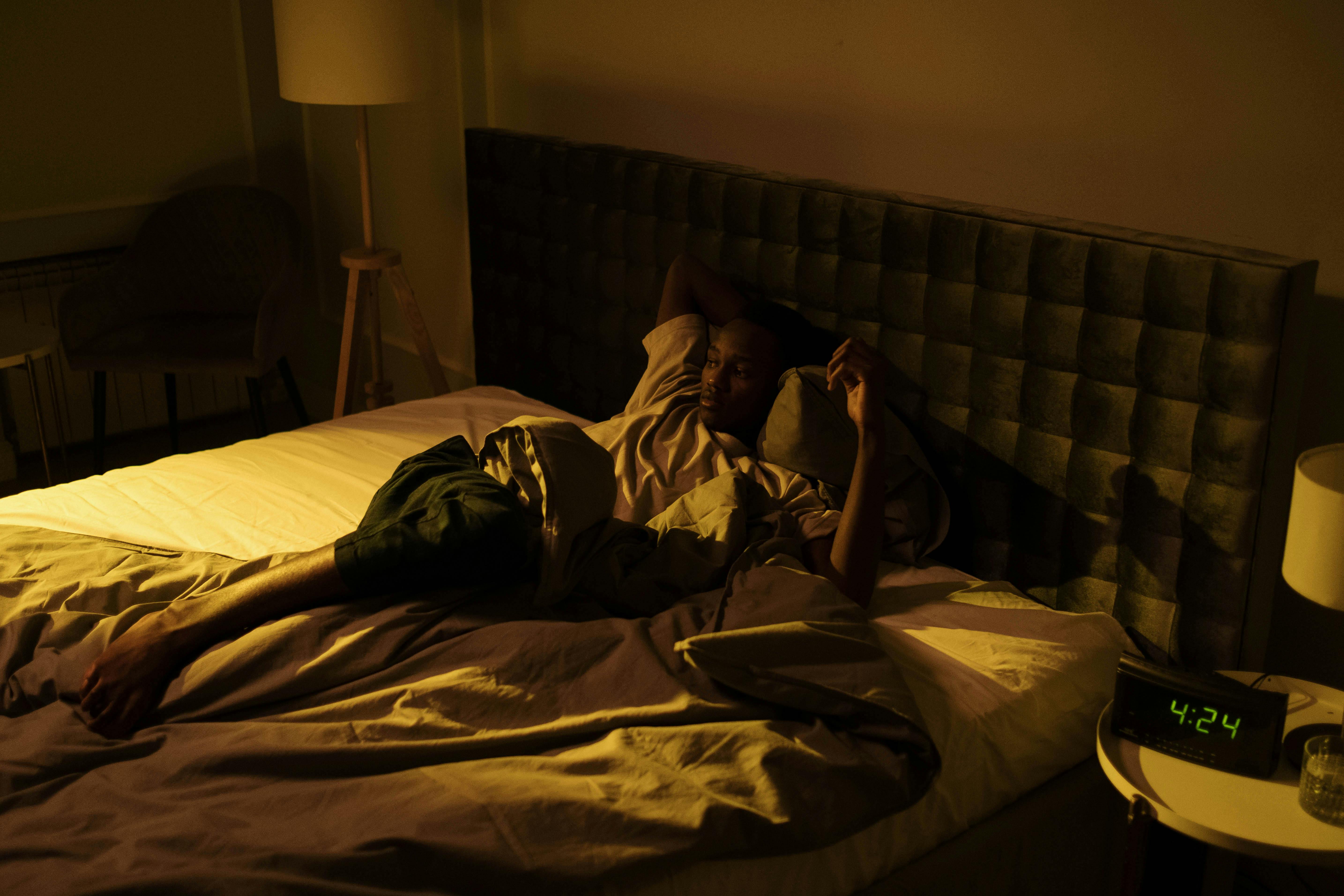
Magnesium did not improve sleep or prevent night cramps, major cohort study finds
A new analysis of the population-based CoLaus cohort, published in the European Journal of Nutrition, found no evidence that magnesium supplements improve sleep quality. Magnesium users actually reported a higher likelihood of nocturnal leg cramps.
Exercise and sleep interventions show synergistic effects on cardiometabolic health in 8-week trial
A 2026 randomized trial found that combining high-intensity circuit training with a digital sleep health intervention produced greater improvements in sleep efficiency, wake after sleep onset, and cardiometabolic markers than either intervention alone in sedentary young women.

GLP-1 receptor agonists reduce sleep apnea severity by 14 events per hour
A 2026 meta-analysis of four randomized controlled trials finds that GLP-1 receptor agonists reduce the apnea-hypopnea index by 13.9 events per hour, lower body weight by 12.5 kg, and improve blood pressure in patients with obstructive sleep apnea and obesity.

Magnesium L-threonate improved cognition by 7.5 cognitive years in 6-week trial
A 6-week randomised trial in 100 adults found that 2 grams per day of magnesium L-threonate (Magtein) improved overall cognitive performance and reduced estimated brain cognitive age by 7.5 years. Sleep improvements were selective, but heart rate and heart rate variability both moved in favourable directions.
Magnesium and sleep: what the evidence says about the most recommended bedtime supplement
Magnesium has a plausible mechanism for improving sleep through GABA and NMDA receptors, but the trial data shows the effect is modest and largely limited to people with low dietary magnesium intake.
Caffeine within 12 hours of bedtime harms sleep, often without you noticing
A randomized crossover trial in Sleep found that 400 mg of caffeine disrupts sleep when consumed within 12 hours of bedtime, while 100 mg is safe up to four hours before bed. Most participants could not tell when caffeine was harming their sleep.
The Vitalspell brief
Evidence-based supplement science — weekly in your inbox.
Subscribe