Too Many Endurance Athletes Are Racing on Too Few Carbs, Study Finds
A 2025 study found non-elite endurance athletes consume roughly 20 percent fewer carbohydrates on race day than planned, with marathoners averaging just 22 grams per hour against guidelines of 60 to 90.
Most endurance athletes show up to race day with a fueling plan. They pack the gels, mix the drink powders, and know their target grams per hour. Then they cross the finish line with half their gels still in their pockets.
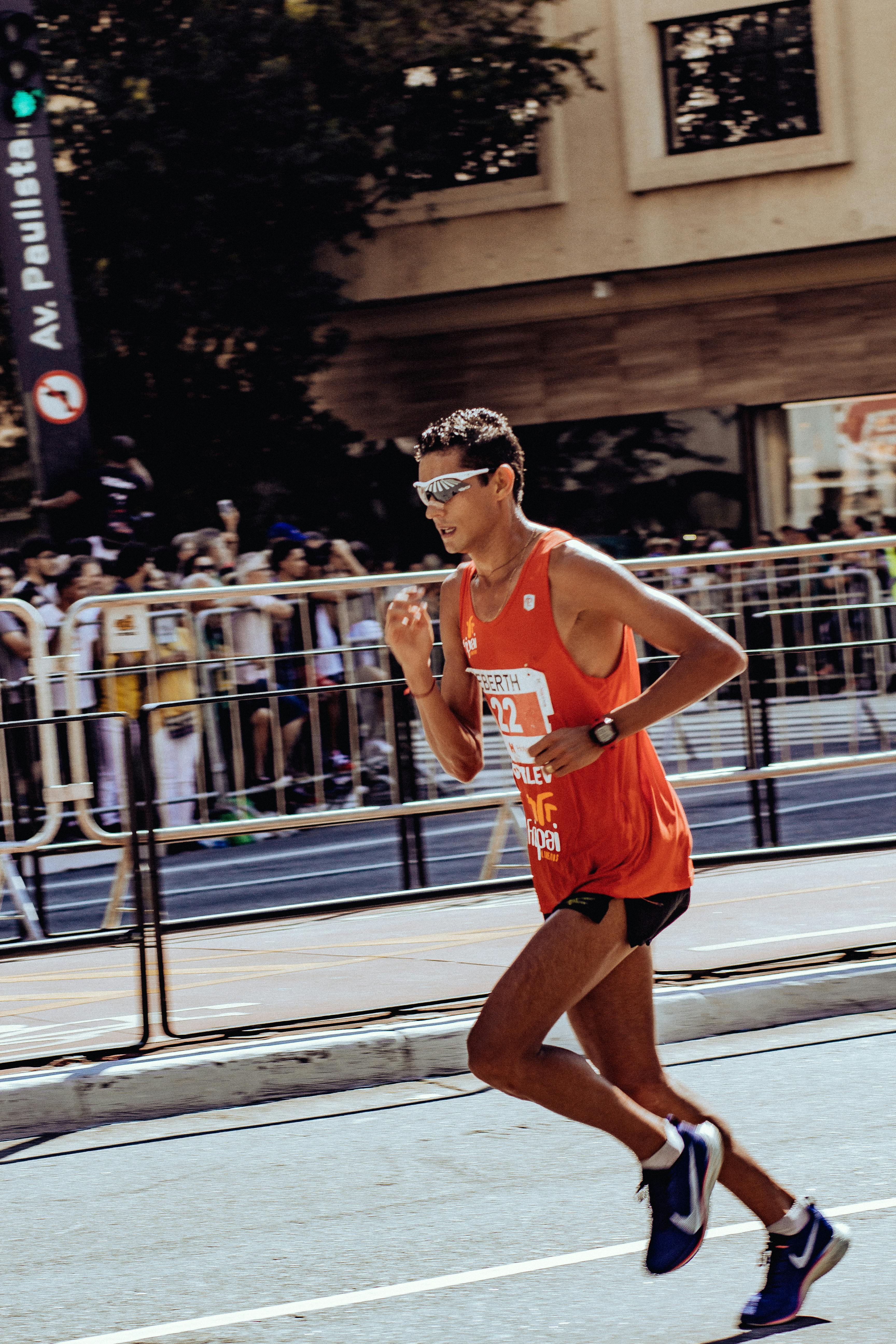
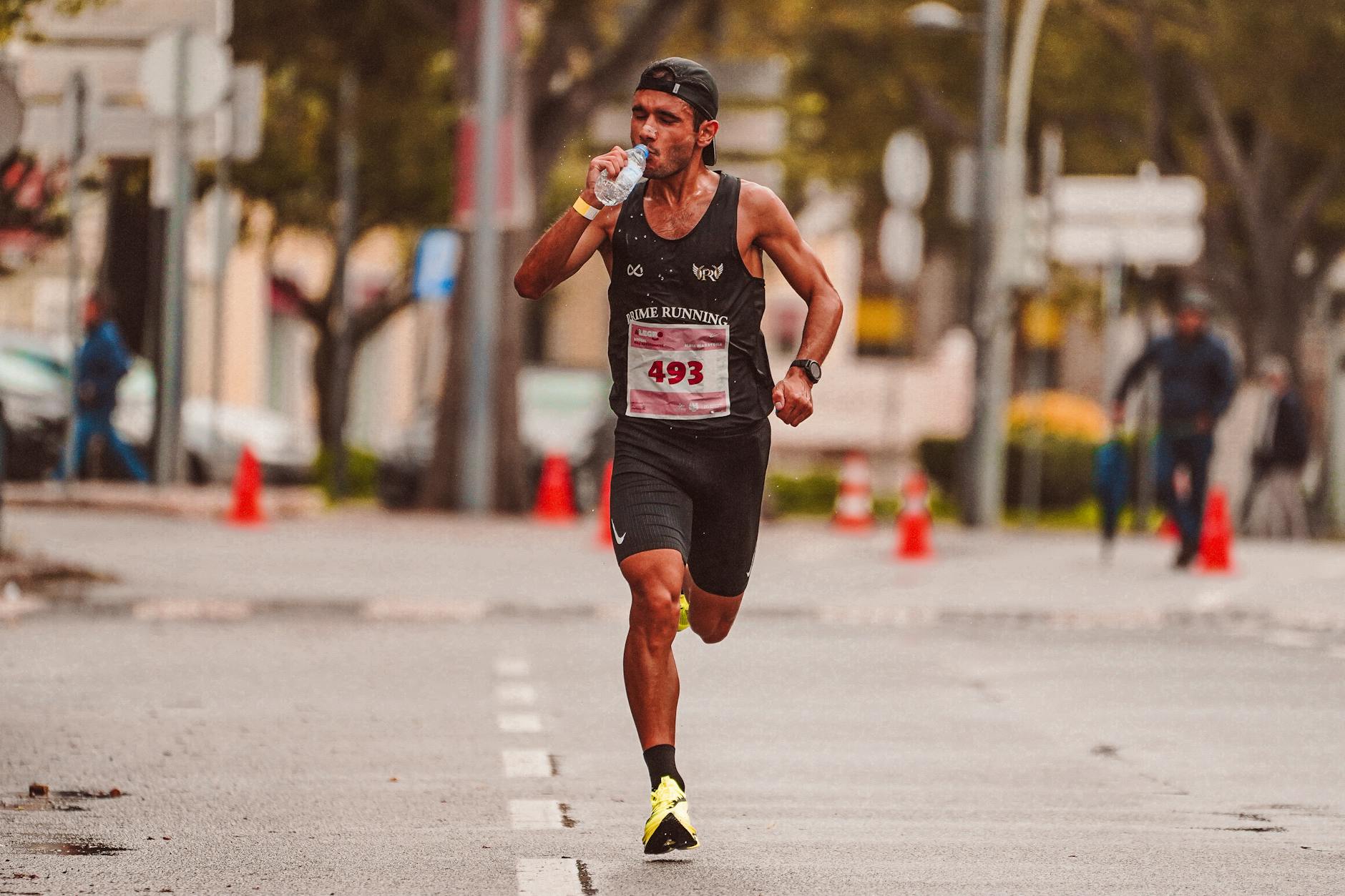
A 2025 study published in the European Journal of Sport Science put numbers to this familiar pattern, and the gap between intention and execution is larger than most athletes might expect. The paper, led by Asli Devrim Lanpir and colleagues, found that a cohort of 60 non-elite endurance athletes consumed roughly 20 percent fewer carbohydrates during races than they had planned. Marathoners were particularly far off the mark, averaging just 22 grams of carbohydrate per hour against established guidelines of 60 to 90 grams per hour for exercise lasting longer than two hours.
The study recruited 38 marathoners and 22 cyclists, all classified as Tier 2 athletes, meaning competitive but not professional. Each athlete participated in two official races. Rather than relying on self-reported intake, the researchers weighed every sports nutrition product before and after each event, including bars, gel packets, drink powders, and solid foods such as bananas. The difference between pre-race and post-race weight gave them an objective measure of actual consumption, sidestepping the recall bias that clouds most dietary surveys.
Across the full cohort, actual carbohydrate intake averaged 31.7 grams per hour, well below the planned average of 38.0 grams per hour. Cyclists came closer to the mark, consuming 49 grams per hour in practice, while marathoners managed only 22 grams per hour. The proportional shortfall was similar in both groups, roughly 16 to 17 percent, but the absolute gap was larger for cyclists simply because they planned to take in more fuel.
One of the study’s more notable findings concerned perception. The runners believed they had consumed more carbohydrates than they actually did. Their perceived intake exceeded their measured intake, a discrepancy that did not appear among the cyclists. The authors describe this as a behavioral gap: runners may assume they are fueling adequately because they carried the products with them, without registering how many went unused.
Why the gap? Fatigue, mostly. Marni Sumbal, a board-certified sports dietitian and 22-time Ironman finisher, describes the spiral: “As the body fatigues due to glycogen depletion and dehydration, decision making slows, and the urgency and desire to consume sport nutrition also begins to slow,” she told Triathlete. The longer a race runs, the more the athlete’s internal clock drifts. Eating on schedule becomes one more thing the brain drops.
The study dug into what predicts better compliance. Cyclists slept better and arrived at the start line with less cognitive anxiety than the marathoners. Both factors independently predicted higher actual carb intake. A regression model combining race type, sleep, and pre-race anxiety accounted for 41 percent of the variance. That is not a trivial share for a behavioral outcome. Stress activates the sympathetic nervous system. Appetite drops. Gut function changes. Suddenly consuming 60 grams of sugar an hour, which sounds simple on paper, becomes physically difficult.
GI symptoms are where most people point the finger. But the two groups reported similar, mild levels of stomach trouble. The runners were not skipping gels because their guts were rebelling. They were skipping them because they had not trained their fueling under race pressure, or because fatigue made them forget, or because the gel packet was too annoying to open at mile 20.
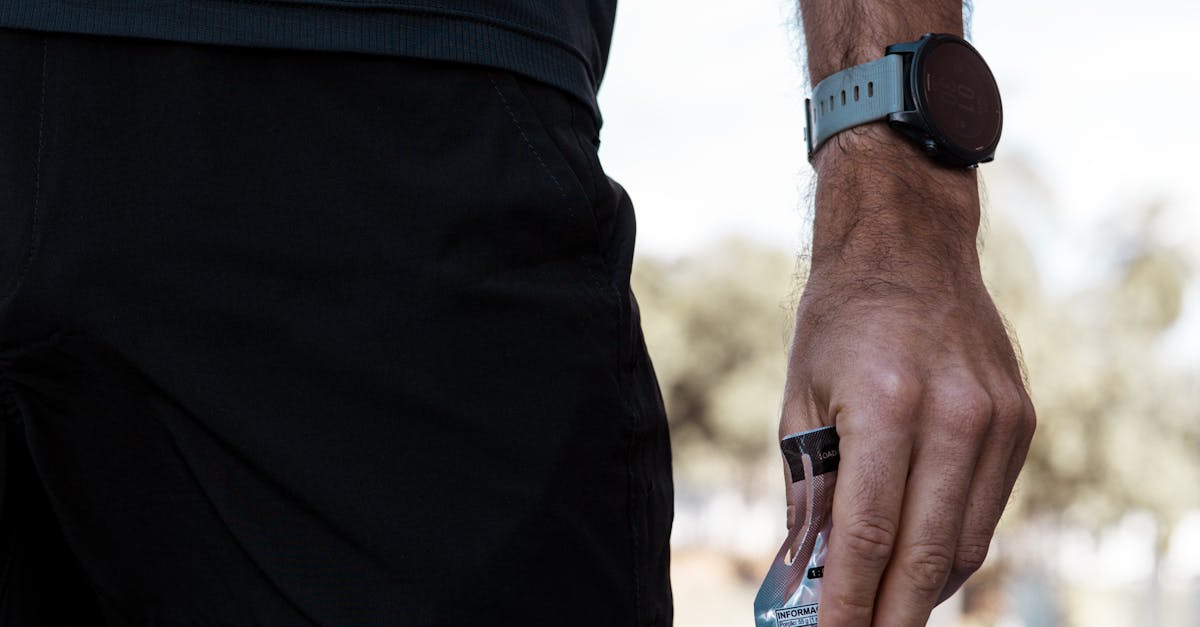
That last point showed up in the data. Gels were everywhere at the start line and still everywhere at the finish. Cyclists struggled with wrappers and gloves. Runners fumbled with tear-offs at pace. Sumbal’s fix is simple enough: empty the gels into a small flask before the race, add a splash of water, and sip. No wrappers, no partial doses. She also pushes athletes to rotate flavors and textures. Sweet gel after sweet gel for four hours triggers what she calls “taste bud fatigue.” A salty cracker or a tart chew every other feed breaks the monotony and makes it more likely the athlete actually consumes what they planned.
Pre-race intake was bad too. Only 42 percent of runners hit the pre-race carb minimum. Cyclists did better, at 73 percent. But pre-race fueling did not predict in-race consumption in either group. Loading up the night before and eating a big breakfast did not save someone from underfueling at kilometer 30. The two failures look like separate problems.
Making this worse: the target itself may be too low. A 2026 review by James P. Morton and colleagues in The Journal of Nutrition examined the evidence and concluded that trained athletes can oxidize carbohydrate at rates closer to 120 grams per hour, above the 90-gram ceiling the American College of Sports Medicine set in 2016. If Morton’s read is correct, the athletes in Lanpir’s study were not merely falling short of a conservative guideline. They were falling short of a number that should probably be raised.
The good news is that none of this requires elaborate intervention. A repeating alarm. Gut training twice a week. A notebook entry after long efforts. For triathletes, more calories on the bike, less reliance on the run leg for fueling. These are small changes with an outsize effect on execution. The problem is not that athletes do not know what to do. The problem is that a plan counts for nothing if the gels stay in the pocket.
What the Lanpir study makes plain is that the gap is real, it is measurable, and it is probably bigger than most athletes think.
References
- Lanpir AD, Eroglu MN, Ozyildirim M, et al. Under Consumed and Overestimated: Discrepancies in Race-Day Carbohydrate Intake Among Endurance Athletes. European Journal of Sport Science 25. 2025. https://doi.org/10.1002/ejsc.70055
- Morton JP, Fell JM, Gonzalez JT, et al. From Metabolism to Medals: Contemporary Perspectives and Revisiting Carbohydrate Guidelines for Fuelling Endurance Athletes During Exercise. The Journal of Nutrition. 2026. https://doi.org/10.1016/j.tjnut.2026.101442
Rafael Costa
Strength coach and nutritionist covering protein science, creatine, recovery protocols, and body composition. Reports from Miami.