Vitex agnus-castus improved oxidative stress markers and insulin resistance in PCOS trial
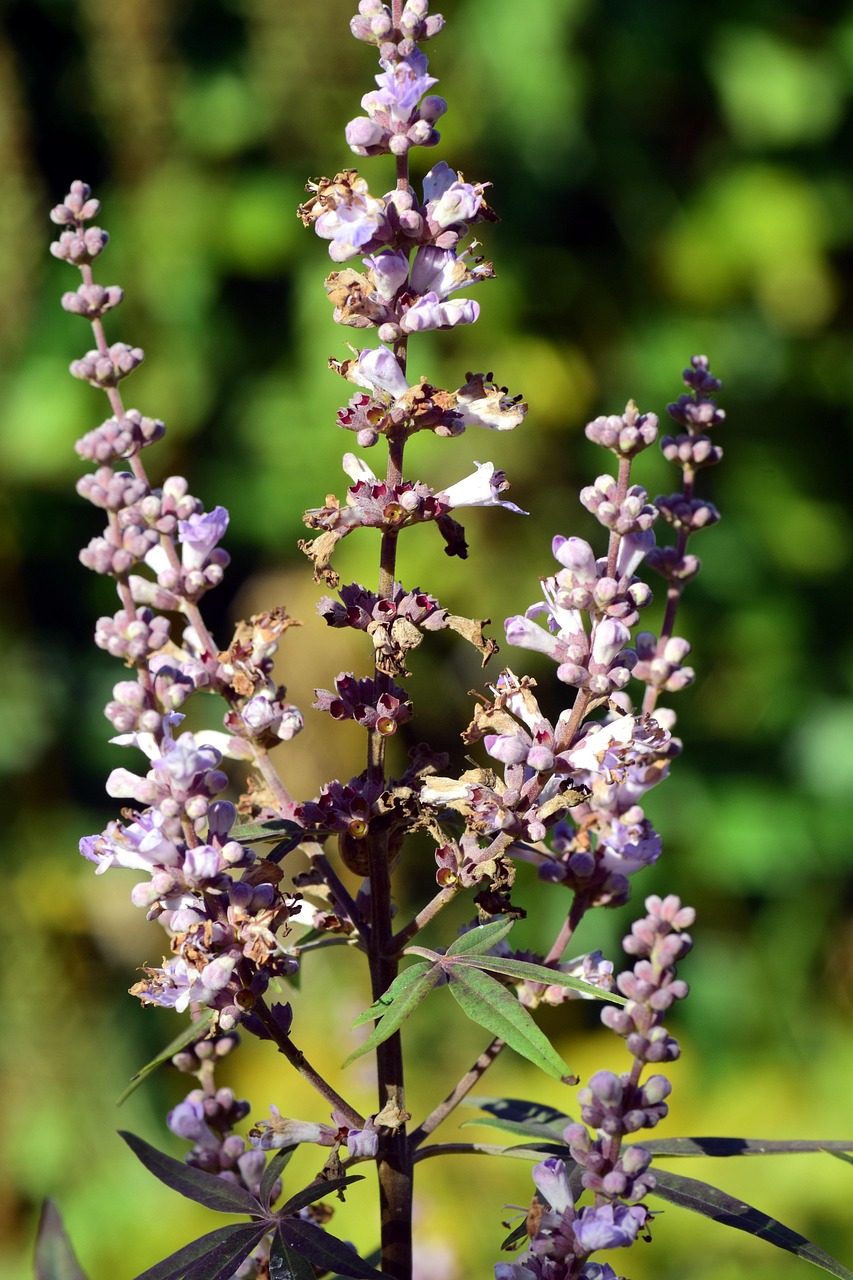
A 12-week randomized controlled trial of 60 women with PCOS found that 5.8 mg daily of standardized Vitex agnus-castus extract improved antioxidant capacity, reduced insulin resistance, and lowered hirsutism scores compared to placebo. The trial was published in JBRA Assisted Reproduction in January 2026.
A 12-week randomized controlled trial published in JBRA Assisted Reproduction found that a low daily dose of Vitex agnus-castus extract produced large improvements in oxidative stress markers and insulin resistance in 60 women with polycystic ovary syndrome. The 2026 trial by Hatami et al. is the first to measure the supplement’s effects across metabolic, antioxidant, and clinical dimensions in a single PCOS cohort.
Women in the Vitex group saw their total antioxidant capacity nearly double. Their HOMA-IR score, a measure of insulin resistance, dropped from 6.4 to just under 1.0, crossing from the severely insulin-resistant range into normal territory. The placebo group received metformin and an oral contraceptive as background therapy and showed far smaller changes.
How the study was designed
Sixty women aged 18 to 45 with PCOS diagnosed by Rotterdam criteria were randomized into two groups of 30 at Ayatollah Taleghani Educational and Therapeutic Center in Arak, Iran. The trial ran from April 2023 to January 2024 and was registered with the Iranian Registry of Clinical Trials (IRCT20230222057493N1).
The Vitex group received 5.8 mg daily of a standardized extract sold under the brand name Agnugol by Goldaro Pharmaceutical Company of Isfahan. The extract was standardized to 0.42 to 0.82 mg aucubin, the marker compound. The placebo group received identical-looking cellulose acetate tablets. Both groups continued background treatment with metformin and an oral contraceptive containing 3 mg drospirenone and 0.03 mg ethinyl estradiol. Participants were not deprived of standard care.
All 60 women completed the 12-week protocol. Zero dropouts in a trial of this length is unusual and strengthens the internal validity. Fasting blood samples were collected at baseline and week 12 and analyzed for oxidative stress markers, metabolic parameters, and liver enzymes.
What the antioxidant results showed
The oxidative stress findings were the primary endpoint. Total antioxidant capacity rose from 0.60 to 1.10 mM in the Vitex group while the placebo group stayed flat (Cohen’s d of 13.01). Glutathione increased more than fivefold, from 4.42 to 23.94 micromolar.
On the oxidative damage side, malondialdehyde, a marker of lipid peroxidation, fell from 4.64 to 2.99 micromolar in the Vitex group (effect size minus 5.29). The oxidative stress index, the ratio of total oxidant status to total antioxidant capacity, dropped sharply (effect size minus 9.30). Total oxidant status declined (effect size minus 6.48). Glutathione peroxidase, which neutralizes hydrogen peroxide, increased modestly (effect size 3.34, p = 0.02).
Catalase was the one antioxidant enzyme that did not move. The authors suggest the 12-week duration may have been too short to shift catalase expression, or that assay sensitivity differed from the animal studies where catalase effects have been observed.
Metabolic improvements: blood sugar, insulin, and lipids
Fasting blood sugar fell from 100.2 to 84.9 mg per dL in the Vitex group (effect size minus 5.10, p = 0.03). The HOMA-IR drop from 6.40 to 0.983 represents a shift from pronounced insulin resistance to the normal range. In a population where insulin resistance drives much of the pathology, that is a clinically meaningful change.
Total cholesterol dipped from 198.7 to 174.4 mg per dL (effect size minus 2.30, p = 0.016). LDL fell from 100.4 to 81.0 mg per dL (effect size minus 2.84, p = 0.001). HDL rose from 50.0 to 60.1 mg per dL (effect size 5.74, p < 0.001). Triglycerides trended lower but the between-group difference did not reach significance. Liver enzymes AST and ALT both declined, with ALT showing the larger effect (minus 3.51, p = 0.001).
Clinical outcomes: cycles, hirsutism, and ovarian volume
Menstrual frequency improved in both groups, but the Vitex group gained more (effect size 3.51, p = 0.027). Women went from roughly one cycle every five months to nearly monthly. The modified Ferriman-Gallwey hirsutism score fell from 10.7 to 7.8 in the Vitex group while it rose in the placebo group (effect size minus 5.38, p < 0.001).
Left ovarian volume decreased modestly in the Vitex group (effect size minus 0.79, p = 0.023) and remained unchanged in the placebo group. Right ovarian volume did not differ between groups.
How Vitex may work
The phenolic acids and flavonoids in Vitex, including vanillic acid and quercetin, have direct antioxidant activity and may upregulate glutathione peroxidase and glutathione synthesis. On the endocrine side, Vitex is thought to modulate dopamine D2 receptors in the anterior pituitary. This would reduce prolactin secretion and indirectly normalize the hypothalamic-pituitary-gonadal axis. Separate evidence points to regulation of KISS-1 gene expression, a node in reproductive hormone signaling.
The hypoglycemic effects may partly reflect inhibition of alpha-amylase and alpha-glucosidase, the carbohydrate-hydrolyzing enzymes targeted by acarbose and related diabetes drugs.
What the findings mean, and what they do not
The effect sizes are large and internally consistent. The double-blind, placebo-controlled design with background standard therapy and the zero-dropout rate strengthen the findings. But there are limitations.
Twelve weeks is short for a chronic condition. The sample, 60 women from a single center in Iran, may not generalize to other populations or PCOS phenotypes. The study did not stratify by BMI, PCOS phenotype, or baseline insulin resistance severity. It did not measure mechanistic biomarkers such as SHBG, the LH-to-FSH ratio, or prolactin, each directly relevant to the proposed dopamine-mediated mechanism.
Both groups were on metformin and oral contraceptives throughout. The effects attributed to Vitex are additive to standard care. They cannot be read as Vitex monotherapy. The extract used here, at 5.8 mg daily, is lower than doses common in trials for premenstrual syndrome and mastalgia, which range from 20 to 40 mg. Higher doses might produce different results.
These findings position Vitex agnus-castus as a potential adjunctive therapy for women with PCOS who want evidence-grounded botanical options alongside conventional treatment. The improvements across oxidative stress, insulin sensitivity, lipid profile, and clinical symptoms warrant larger, longer, multi-center trials that include dose-ranging and phenotypic stratification.
No major adverse events were reported. As with any supplement, women considering Vitex should consult their doctor, particularly if they are taking hormonal medication or trying to conceive.
References
- Hatami A, Seidi F, Khosrowbeygi A, Moslemi A, Jalali-Mashayekhi F. Effect of Vitex agnus-castus plant on some markers of oxidative stress, lipid profile and insulin resistance in women with polycystic ovary syndrome: a randomized, double-blind controlled clinical trial study. JBRA Assisted Reproduction 30(1):70-78. 2026. https://doi.org/10.5935/1518-0557.20250165
- [Authors not resolved]. The effects of Vitex agnus-castus supplementation on inflammatory markers in women with PCOS: a randomized, double-blind, placebo-controlled trial. RIPS. 2026. https://journals.lww.com/rips/fulltext/2026/03000/the_effects_of_vitex_agnus_castus_supplementation.6.aspx
- [Authors not resolved]. Alternative treatment of polycystic ovary syndrome: pre-clinical and clinical basis for using plant-based drugs. Frontiers in Endocrinology. 2024. https://www.frontiersin.org/journals/endocrinology/articles/10.3389/fendo.2023.1294406/full
Priya Nair
Health journalist covering thyroid health, cortisol, perimenopause, and endocrine disruptors. Reports from Chicago.