Spices and gut health: what a 2026 review really shows
Spices and gut health may be linked, but a 2026 Nutrition Reviews paper finds human evidence is still small, mixed and dose-heavy.
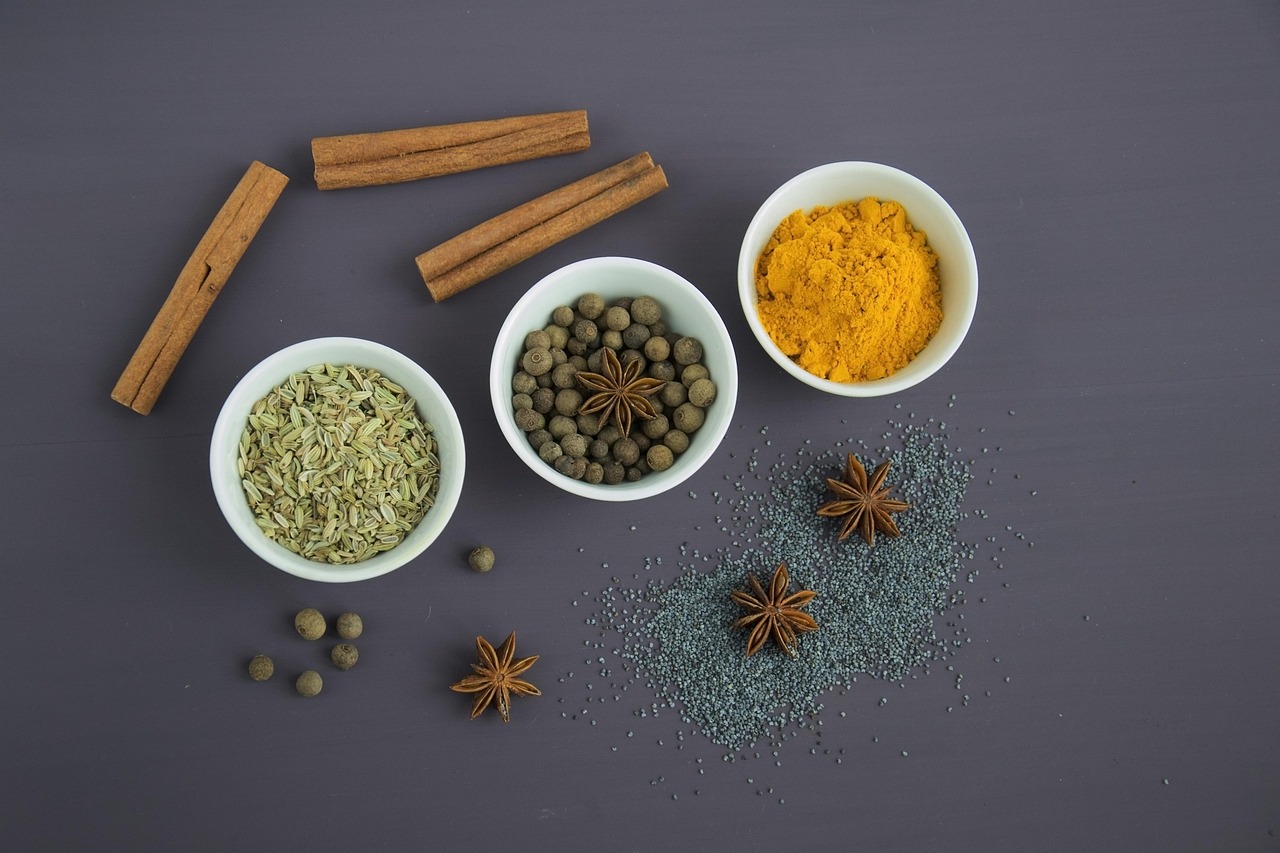
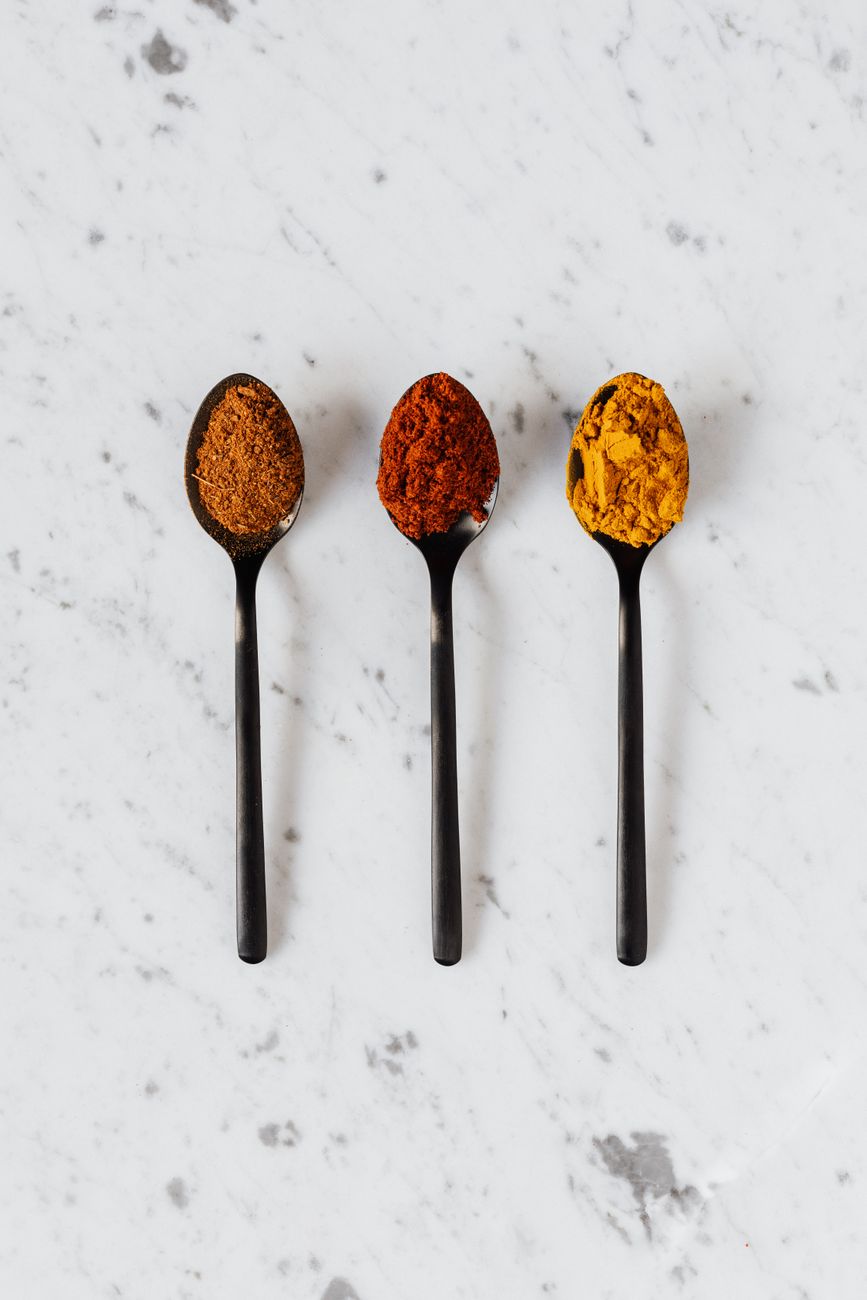
A spice rack is not usually sold as a metabolic intervention. It sits beside the stove, opened in pinches: cinnamon on oats, black pepper over eggs, turmeric in a soup that stains the spoon yellow. That ordinariness is part of the appeal. If spices touch the gut microbiome, blood sugar and cognition, the intervention sounds less like a supplement protocol and more like dinner.
A new review in Nutrition Reviews makes that possibility scientifically interesting without making it simple. Tatiana Diacova, David Heber and Zhaoping Li’s 2026 paper, “Spices Beyond Antioxidants: From the Gut to the Brain”, reviewed human and laboratory work from 2010 through 2024 on pepper, cinnamon, ginger, oregano, rosemary, turmeric and related compounds. Their count was small: eight human trials and 12 in vitro experiments connected to the UCLA Center for Human Nutrition.
Skepticism belongs near the top of this story. Is this about food patterns, or is it a new wrapper for extract marketing? Those are not the same thing. A person cooking with turmeric is not taking several grams of a high-bioavailability curcumin capsule. Nor does a small microbiome shift after one curry meal prove long-term disease prevention.
Read closely, the review is narrower than the most enthusiastic headlines suggest, and more useful because of that. Common spices may contain bioactive compounds that interact with gut microbes, glucose metabolism, inflammation and the gut-brain axis. Human evidence, though, remains small, sometimes short and often closer to hypothesis-building than clinical advice.
What the UCLA review actually found
Diacova, Heber and Li frame spices as more than antioxidant garnish. Their review follows compounds such as curcumin, cinnamaldehyde, piperine, gingerols, rosmarinic acid and oregano phenolics through cell models, mechanism papers and human intervention studies. No single spice gets a clean, one-pathway effect. Instead, the paper sketches several biological junctions at once: digestion, microbial fermentation, inflammatory signaling and metabolic regulation.

The review’s own numbers keep the claim modest. Eight human trials is not a deep clinical literature, especially when the ingredients, doses, populations and endpoints vary. Some studies look at acute meals. Others use capsules or blended spice interventions. A few focus on glucose and lipid markers; others track microbiome composition or cognitive outcomes.
Clinical relevance is the harder question. A nutrition evidence analyst would ask which outcomes move consistently and whether those movements are large enough to matter next to sleep, exercise, medication, fiber intake or weight change. Diacova, Heber and Li do not answer that in one sentence. They give a map of plausible routes.
Gut microbes are one route. Metabolic syndrome is another. Curcumin and cognition form a third, more tentative lane. Keeping those lanes separate matters, because the evidence does not carry the same weight in each one.
The gut signal is plausible, but still small
A controlled curry-meal experiment is the most kitchen-like human study in the bundle. In a 2021 randomized dose-response trial in Scientific Reports, Khine, Haldar, Loi and colleagues tested whether a single serving of mixed spices altered gut microflora composition in 15 healthy Singaporean Chinese men. Participants ate a low-spice control meal or curry meals containing 6 g or 12 g of mixed spices.

Bacteroides shifted downward and Bifidobacterium shifted upward after the higher-spice meals, while alpha diversity did not change. Intriguing, but not decisive. Fifteen participants is a small sample. The study was acute. It did not show that spices improved symptoms, reduced disease risk or produced a durable microbial pattern weeks later.
Still, the UCLA team’s meal-based approach is worth taking seriously. It tests what people might actually eat and avoids a common weakness in spice research: leaping from an isolated compound to a sweeping claim about the food. If a spice blend changes measurable microbial composition after a real meal, that is a useful starting point.
Pradhan, Blanton, Ochoa-Reparaz and colleagues made a similar point in a 2024 review in Gastroenterology Insights. Their paper on herbs, spices and gut microbiota in healthy aging argues that spice and herb intake may influence microbial patterns relevant to aging, while also showing how much of the field still rests on mechanism work and early human signals.
Used carefully, “prebiotic” is still a provisional word here. Some spices may feed or inhibit certain microbes, alter fermentation products, or change the chemical environment those microbes live in. That is not the same as saying oregano, cinnamon or pepper has a proven prebiotic effect in the clinical sense. Human studies are too scattered for that.
Metabolic health is the clearest clinical lane
For now, the practical human signal looks more metabolic than mystical. The 2026 Nutrition Reviews paper treats glucose and inflammation as recurring endpoints, and the better supporting studies point in that direction.

In a 2024 double-blind randomized trial in Nutrients, Al Dhaheri, Alkhatib, Feehan and colleagues assigned 120 people with or at risk of metabolic syndrome to placebo or 3 g/day of a culinary-spice blend containing ginger, cinnamon and black seed for 12 weeks. The authors reported improvements in fasting glucose, HbA1c, LDL cholesterol and total cholesterol compared with placebo in the therapeutic culinary-spices trial.
Compared with a cell-culture mechanism, that is meaningful human evidence. It is still not a license to treat spices like medicine. The trial used a defined blend, a defined dose and a defined population. It was short. It did not test every spice in the cabinet, nor did it show whether the effect persists after a year.
Cinnamon widens the context, though not neatly. Moridpour, Kavyani and colleagues’ 2024 dose-response meta-analysis in Phytotherapy Research found that cinnamon supplementation may help glycemic control in type 2 diabetes, while the outcomes and dose-response patterns remained uneven. Many nutrition interventions land in that uncomfortable middle: enough signal to study, not enough certainty to sell as a fix.
People with prediabetes or metabolic syndrome should hear the distinction clearly. Spices are not useless, but they belong with small dietary levers rather than stand-alone treatment. They may make higher-fiber meals more palatable. They may add polyphenols and other compounds. They may slightly improve markers in some settings. None of that replaces medical care, glucose monitoring, prescribed medication or the larger dietary pattern.
Capsules raise a different question. If someone is considering concentrated spice supplements for blood sugar or lipids, especially alongside medication, the doctor’s-office caveat matters. Spices in food are one thing. Supplement-level dosing is another, and anyone starting a supplement should consult a doctor first.
Brain claims need the most restraint
Brain-health claims are where the spice story gets loudest and least settled. Turmeric and curcumin sit at the center of that problem. Curcumin is studied because it has anti-inflammatory and antioxidant activity in experimental systems. It is marketed because the story sounds clean: inflammation affects the brain, curcumin affects inflammation, therefore turmeric supports cognition. Biology is rarely that linear.
Wang, Zhao, Liu and colleagues’ 2025 systematic review and meta-analysis in Frontiers in Nutrition found that curcumin supplementation may have some cognitive-function signal, but the trials were heterogeneous and population-specific. Many used supplement doses around 1 g/day to 4 g/day, not ordinary culinary turmeric.
Dose is one guardrail; bioavailability is another. Curcumin is notoriously difficult to absorb, which is why supplement formulations often add piperine or other delivery systems. That may make the compound more measurable in blood, but it also moves the intervention further away from the kitchen.
New Scientist’s recent critique of turmeric hype, based on the curcumin literature and safety concerns, put the problem sharply when it quoted Nelson and colleagues:
curcumin is “a missile that continually blows up on the launch pad, never reaching the atmosphere or its intended target(s).”
Source: New Scientist, quoting Nelson and colleagues
The line is memorable because it punctures a common assumption. More mechanistic excitement does not automatically mean a more useful human intervention. New Scientist’s analysis also notes that turmeric is only partly curcumin and that concentrated products have been linked with liver problems in some reports.
None of this makes turmeric bad food. It makes turmeric a poor shortcut for brain-health certainty. The safest sentence is the least marketable one: curcumin remains biologically interesting, some trials suggest possible cognitive effects, and the gap between supplement claims and ordinary spice use is still wide.
Food-level spices are not extract protocols
Dinner is the practical question. If a person wants to add more cinnamon, ginger, oregano, rosemary, black pepper or turmeric to meals, the downside is usually low when those spices are used as food. The benefit may be indirect: more flavor, less reliance on sugar or sodium, and more pleasure in meals built around legumes, vegetables, fish, yogurt or whole grains.
A capsule is a different bet. The 2026 review is about spices as a family of compounds and mechanisms. Its strongest human examples use controlled meals, defined blends or supplement trials with specific inclusion criteria. They do not prove that a random spice routine will lower HbA1c, remodel the microbiome or protect memory.
Seen this way, the news peg should not outrun the paper. Headlines about common spices supporting gut, brain and metabolic health are not wrong in spirit. They are just easy to overread. The review supports a cautious research story: spices may be one small part of the food matrix that talks to microbes, metabolism and inflammatory pathways.
Better questions beat the hunt for one spice that does everything. Was the study in humans? Was it a meal or an extract? How long did it run? Were the participants healthy, diabetic, older, sleep-deprived or cognitively impaired? Did it measure a clinical outcome, or a biomarker that might matter later?
Through that lens, metabolic markers look most concrete, gut microbiome shifts look plausible but early, and brain claims look the most vulnerable to marketing inflation. That hierarchy is the story.
What to do with the finding
For readers, the bottom line is almost ordinary. Spices are worth using in food. They may add biologically active compounds, and the emerging literature gives researchers good reasons to study them in controlled diets. They also make healthier meals easier to repeat, which may matter more than any single molecule.
Evidence does not turn cinnamon into diabetes treatment, turmeric into a cognition drug, or black pepper into a microbiome protocol. Diacova, Heber and Li’s 2026 review is best read as a research agenda with some encouraging human signals. The pantry is interesting. It is not a pharmacy.
References
- Diacova T, Heber D, Li Z. Spices beyond antioxidants: From the gut to the brain. Nutrition Reviews. 2026. https://academic.oup.com/nutritionreviews/article/84/Supplement_1/52/8692892
- Khine WWT, Haldar S, Loi SD, Lee YK. A single serving of mixed spices alters gut microflora composition: a dose-response randomised trial. Scientific Reports. 2021. https://www.nature.com/articles/s41598-021-90453-7
- Al Dhaheri AS, Alkhatib DH, Feehan J, et al. The effect of therapeutic doses of culinary spices in metabolic syndrome: A randomized controlled trial. Nutrients. 2024. https://www.mdpi.com/2072-6643/16/11/1685
- Moridpour AH, Kavyani Z. The effect of cinnamon supplementation on glycemic control in patients with type 2 diabetes mellitus: an updated systematic review and dose-response meta-analysis of randomized controlled trials. Phytotherapy Research. 2024. https://onlinelibrary.wiley.com/doi/abs/10.1002/ptr.8026
- Wang W, Zhao R, Liu B, et al. The effect of curcumin supplementation on cognitive function: an updated systematic review and meta-analysis. Frontiers in Nutrition. 2025. https://www.frontiersin.org/journals/nutrition/articles/10.3389/fnut.2025.1549509/full
- Pradhan S, Blanton C, Ochoa-Reparaz J, et al. Herbs and spices: Modulation of gut microbiota for healthy aging. Gastroenterology Insights. 2024. https://www.mdpi.com/2036-7422/15/2/32
The Vitalspell brief
Evidence-based supplement science — weekly in your inbox.
Subscribe