
Science
The latest from Science on Vitalspell.
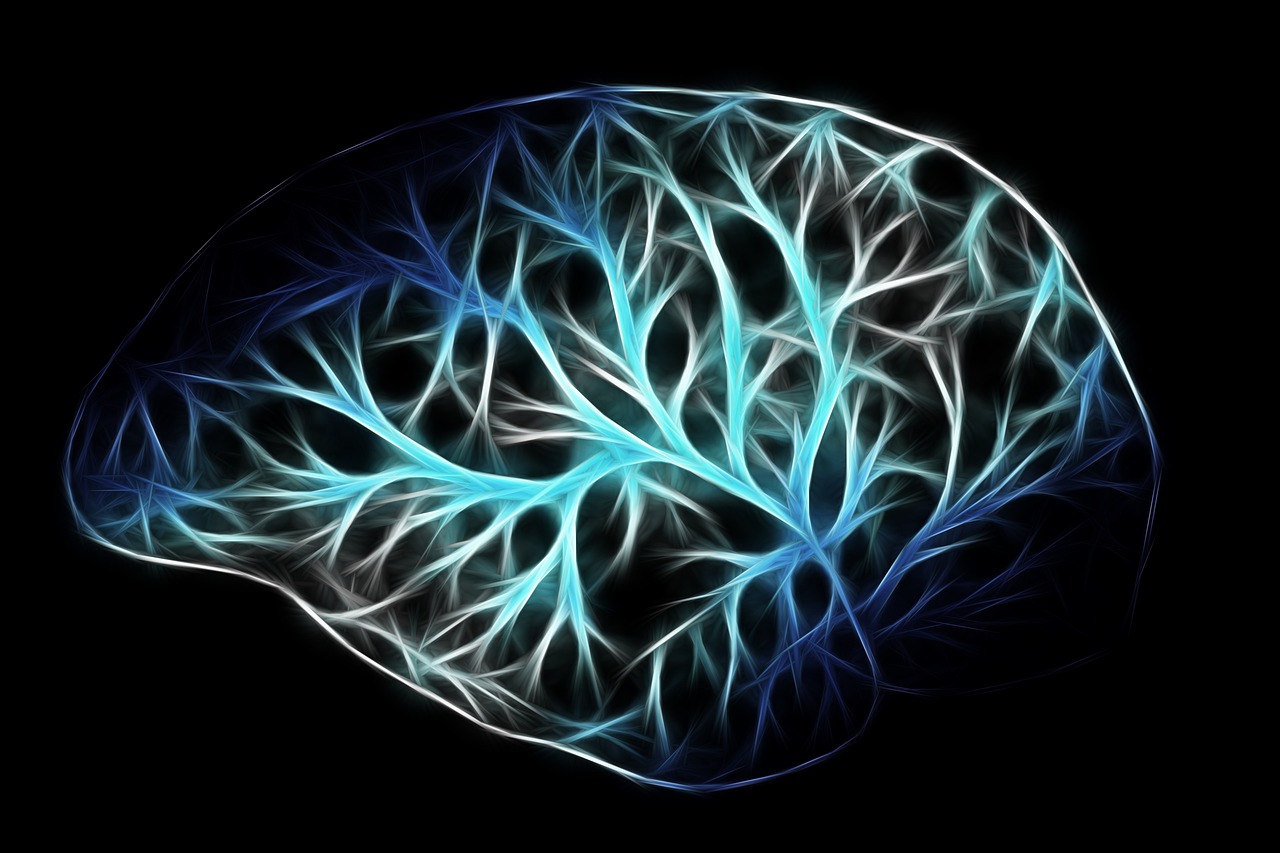
How karyoptosis may help explain neuron loss in Alzheimer's
Karyoptosis in Alzheimer's may explain how proteotoxic stress turns toxic proteins into neuron loss in Alzheimer's and frontotemporal dementia.
Chlorpyrifos may raise Parkinson’s risk, UCLA study finds
Chlorpyrifos and Parkinson’s risk came into sharper focus after a UCLA-led paper linked long-term exposure to a more than 2.5-fold higher risk.
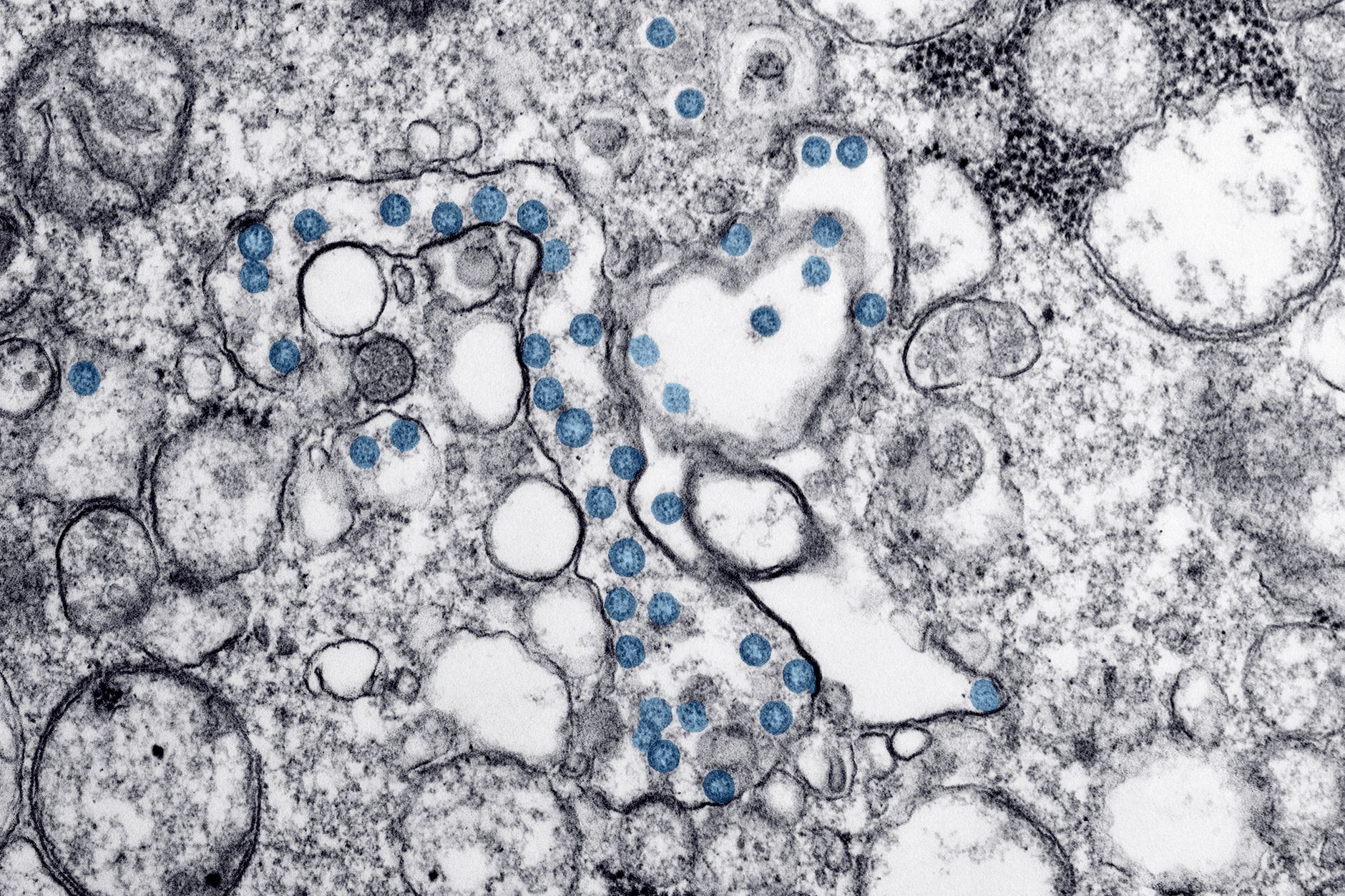
Microglial mitochondrial stress may help explain brain aging
Microglial mitochondrial stress may help explain how brain immune cells age, but the new Nature study stops well short of an Alzheimer's treatment.
The HPV vaccine is pushing cervical cancer deaths toward zero
HPV vaccine data from England suggest cervical cancer deaths before 30 are nearing zero, but screening gaps and lower uptake could slow elimination.
Bifidobacterium probiotic RCT cut infant eczema risk
Bifidobacterium probiotic BLa80 reduced infant eczema and respiratory infections in a 2026 RCT, but the finding is strain-specific.
More
Retatrutide phase 3 diabetes data: what it shows now
Retatrutide phase 3 diabetes data showed large A1c and weight reductions, but placebo control leaves key comparison questions open.
Engineered gut bacteria may replace fecal transplants
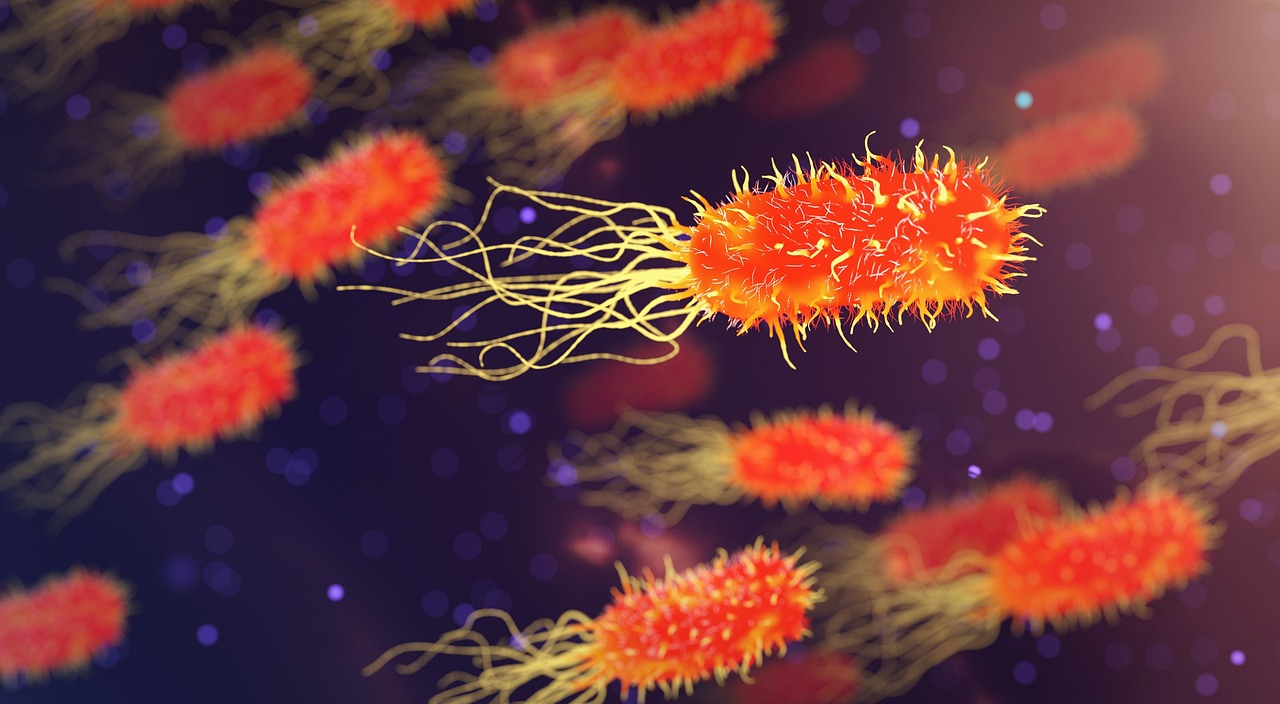
Engineered gut bacteria matched same-donor fecal transplant on safety and engraftment in an 18-patient C. difficile trial.
GLP-1 knee replacement study: what it really found
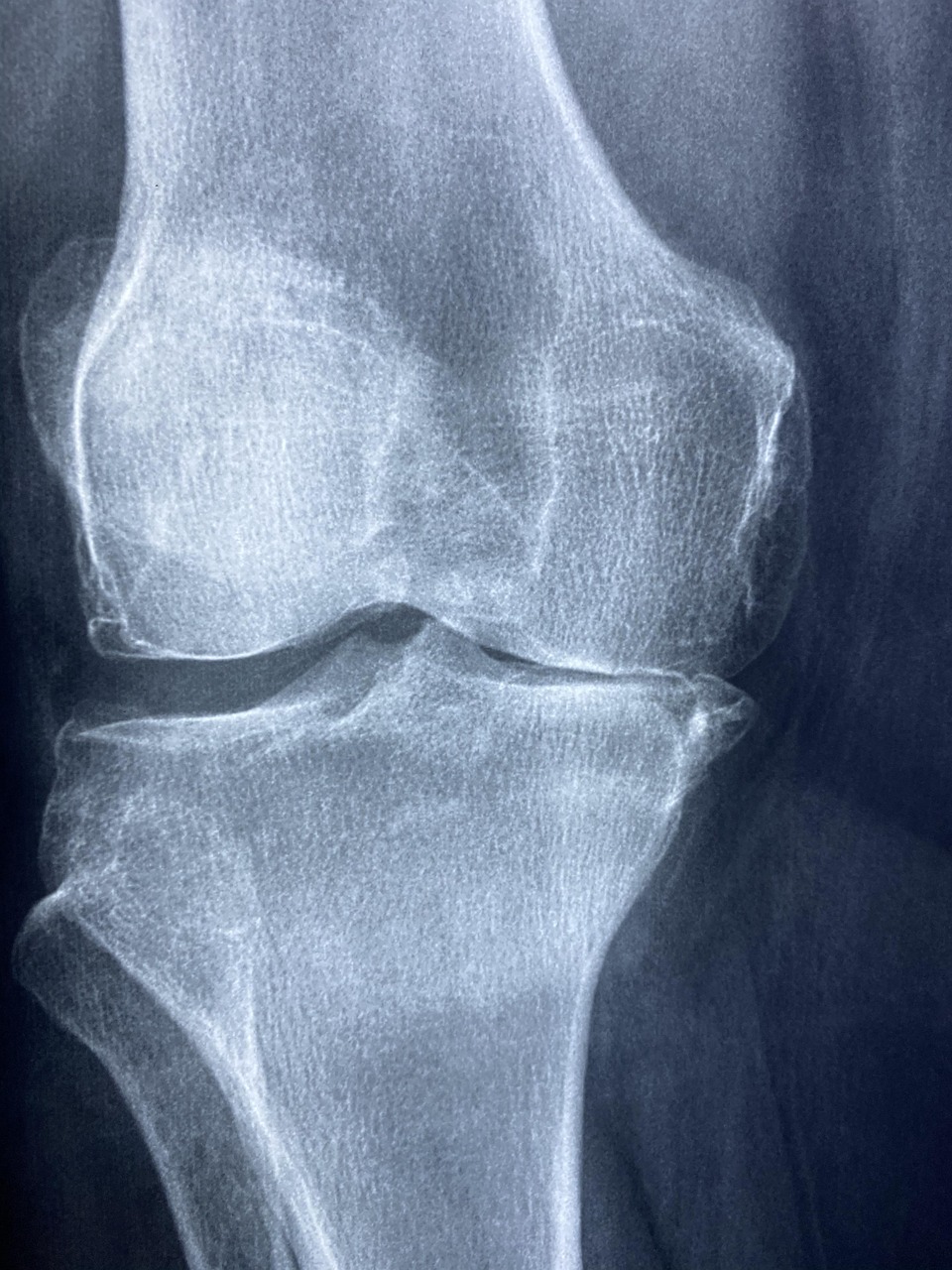
GLP-1 knee replacement data suggests lower surgery risk after long use, but the osteoarthritis study cannot prove the drugs protect joints.
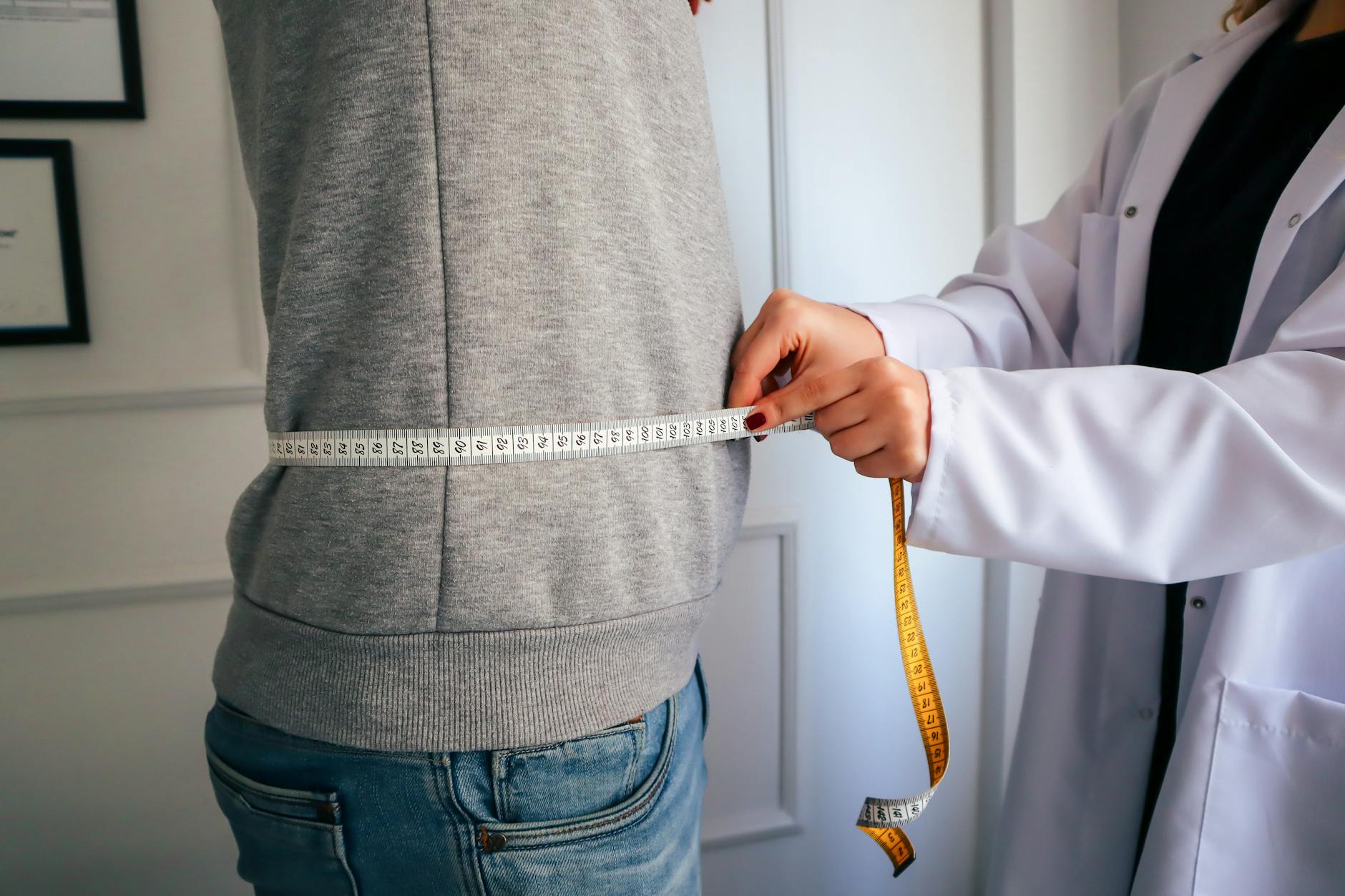
BMI obesity risk: why one in four adults may be missed
BMI obesity risk can be missed when weight and height stand in for body fat. A 2026 study suggests waist measures may flag more adults.
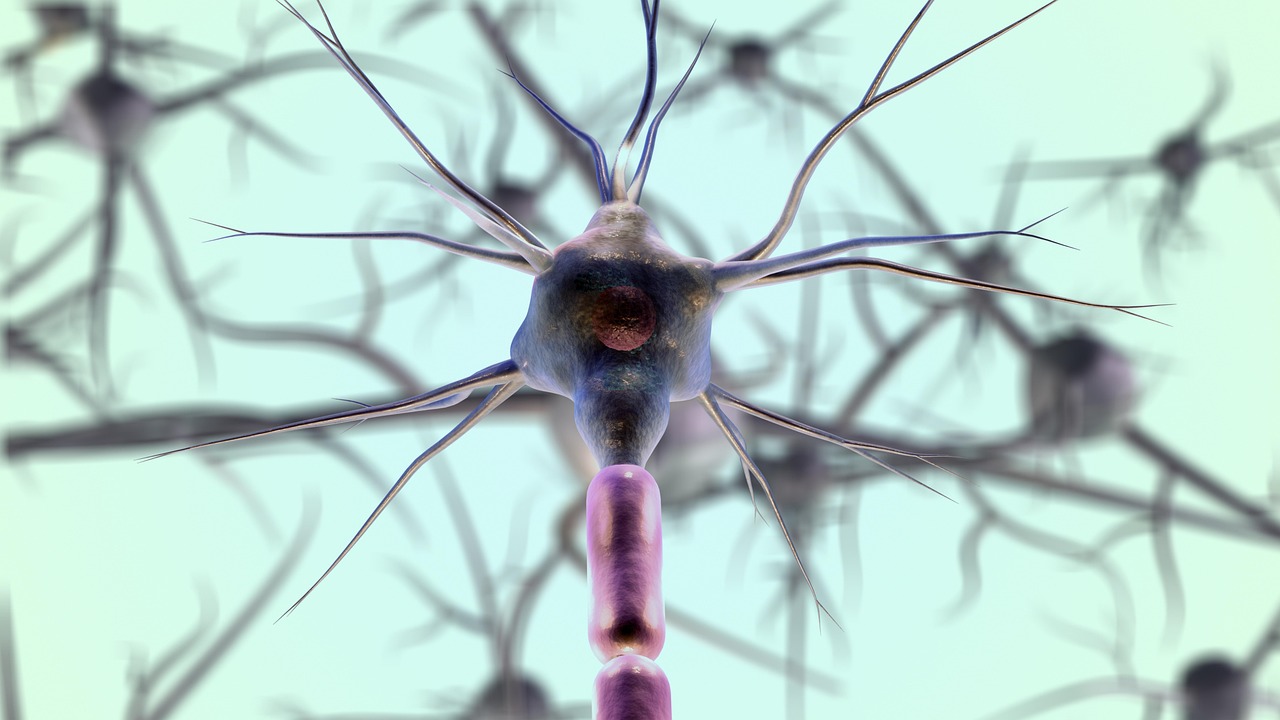
Nerve regrowth block reversed in human organoid study
Cambridge researchers used connected brain-and-spinal-cord organoids to pinpoint when human neurons lose the ability to regenerate — and showed that an existing hormone drug can partially switch axon regrowth back on.
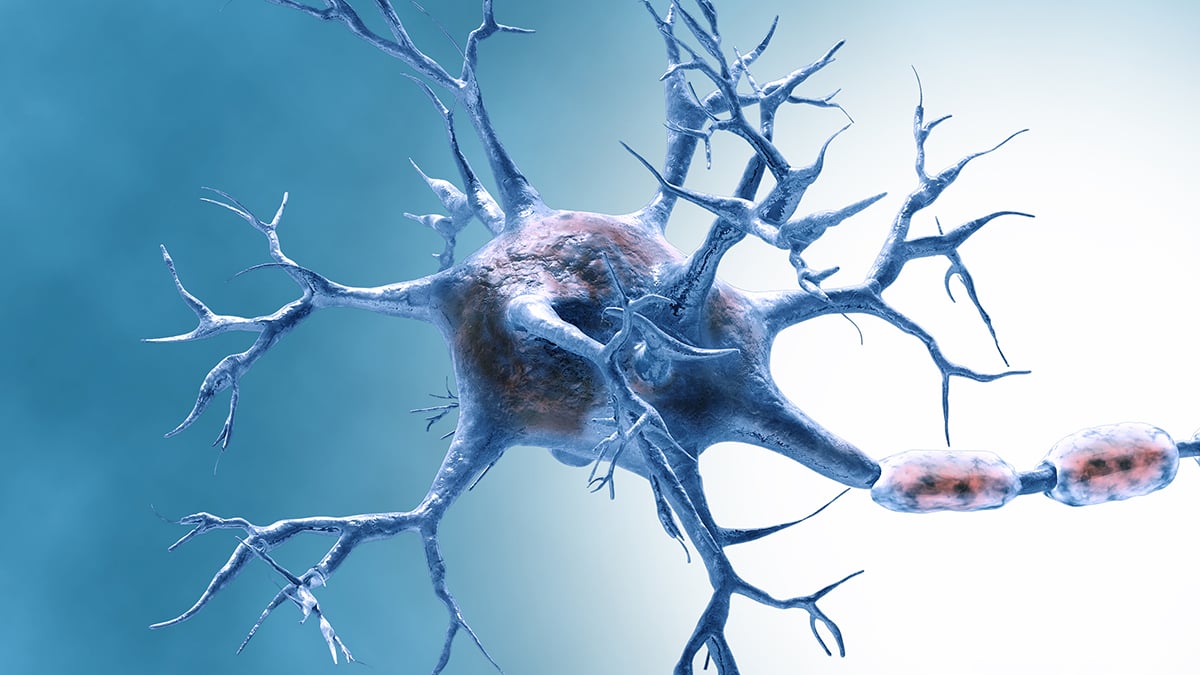
Could D-serine help slow brain aging? What the Menin mouse study found
D-serine and brain aging drew fresh attention after a mouse study tied hypothalamic Menin loss to memory decline, but human evidence is still thin.
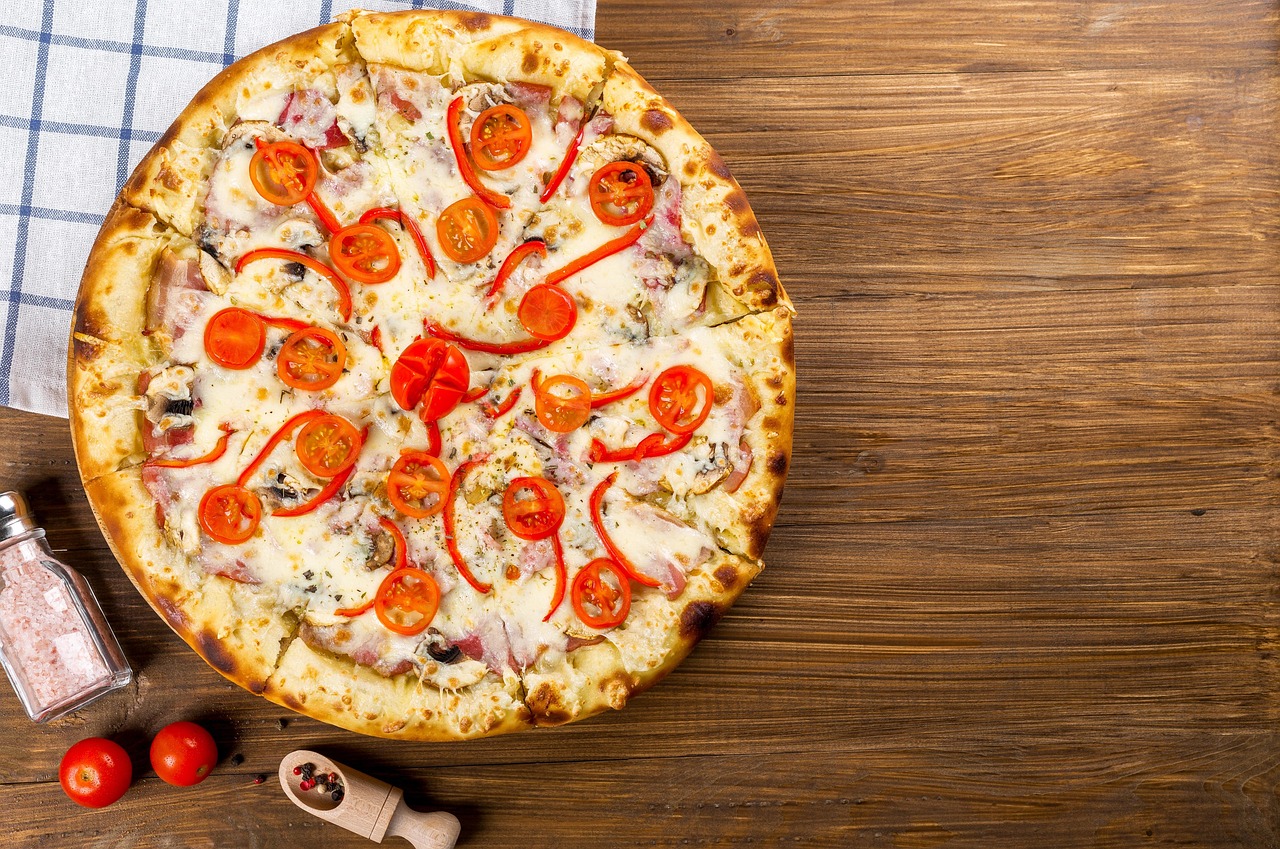
How childhood junk food may rewire the brain for life
A new mouse study suggests early junk-food exposure may leave a lasting mark on appetite circuits, while the microbiome may also be part of the repair story.
What proteomic aging clocks can really tell us about biological age
Proteomic aging clocks are getting better at predicting risk, but 2026 evidence still falls short of a consumer-ready biological-age scorecard.
Vitamin D, calcium do not prevent fractures in most older adults
153,902 participants across 69 trials show vitamin D and calcium supplements offer little to no clinically meaningful protection against fractures or falls in older adults.
How APOE2 helps neurons repair DNA and resist aging
APOE2 and brain aging are linked through DNA repair, a 2026 Aging Cell paper found, offering a new clue to why the variant tracks with longer life.

Can cooler asphalt cut toxic emissions? What the Arizona State study found
Arizona State researchers found heat and humidity can drive toxic asphalt emissions, while algae-derived biochar sharply reduced their toxicity in lab tests.
What a 2026 vitamin D meta-analysis found in multiple sclerosis
A 2026 meta-analysis found a narrow vitamin D signal on MS relapse rates, but no clear overall benefit for disability scores or relapse risk.
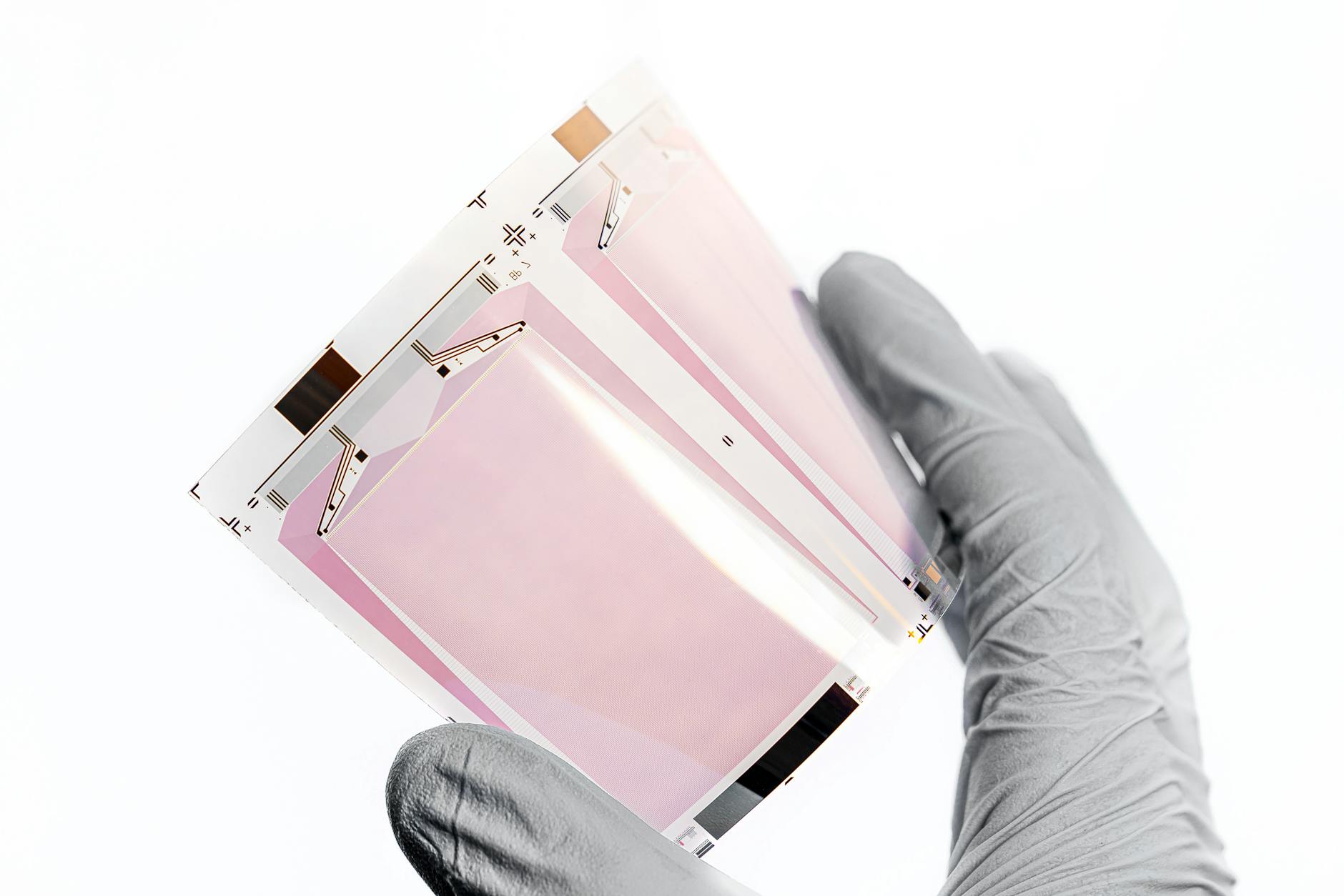
A Patch That Reads Hidden Stress — and Why Five Signals Beat One
Northwestern University engineers have developed a soft, skin-interfaced patch that monitors five physiological signals simultaneously to detect stress in real time — including in infants who cannot communicate their distress.
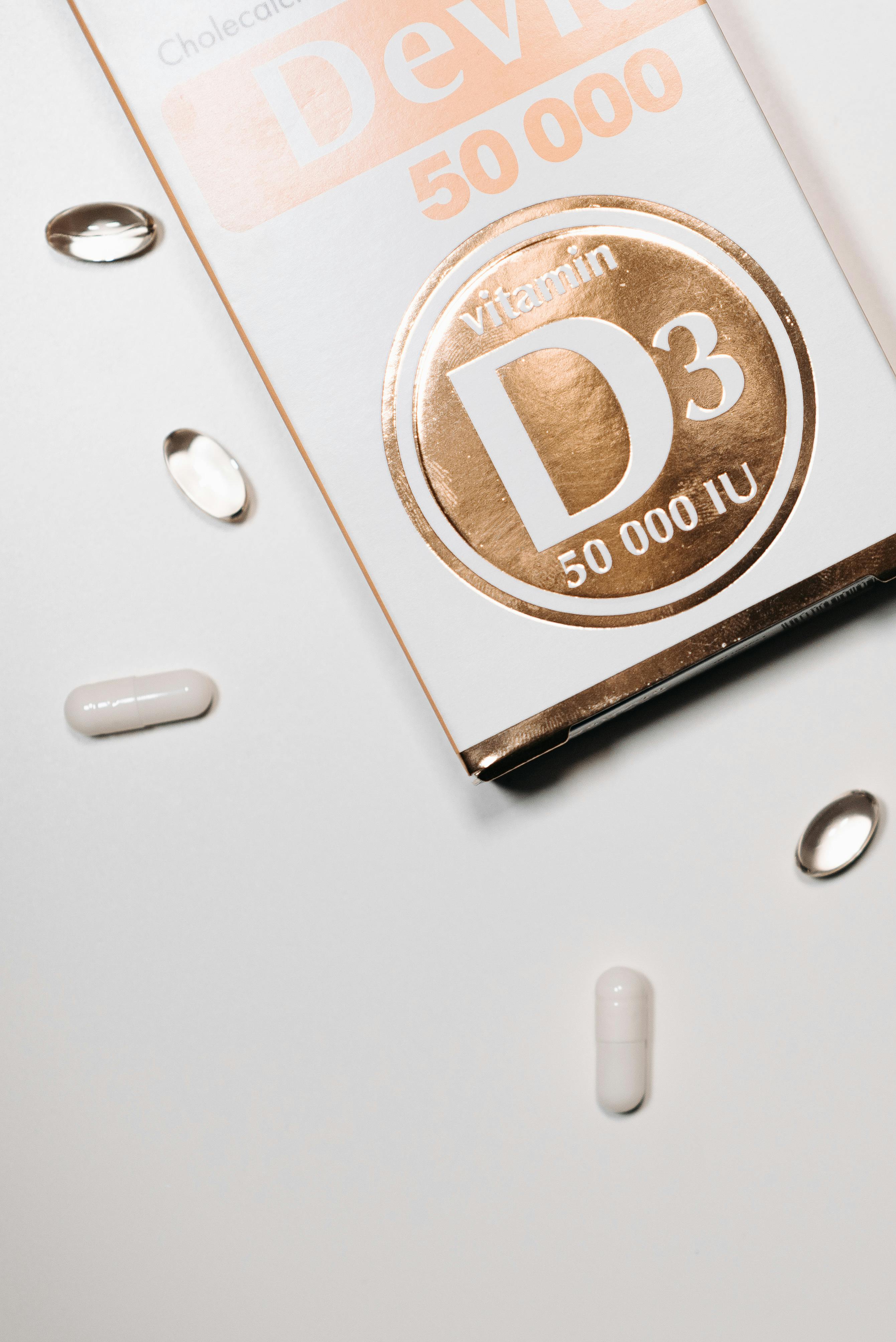
Vitamin D at 5,000 IU reduced depression symptoms most in new dose-response analysis
A 2026 meta-analysis of 15 RCTs finds vitamin D supplementation significantly reduces depressive symptoms, with 5,000 IU per day showing the greatest effect. Reductions in PTH and TNFα point toward anti-inflammatory mechanisms.
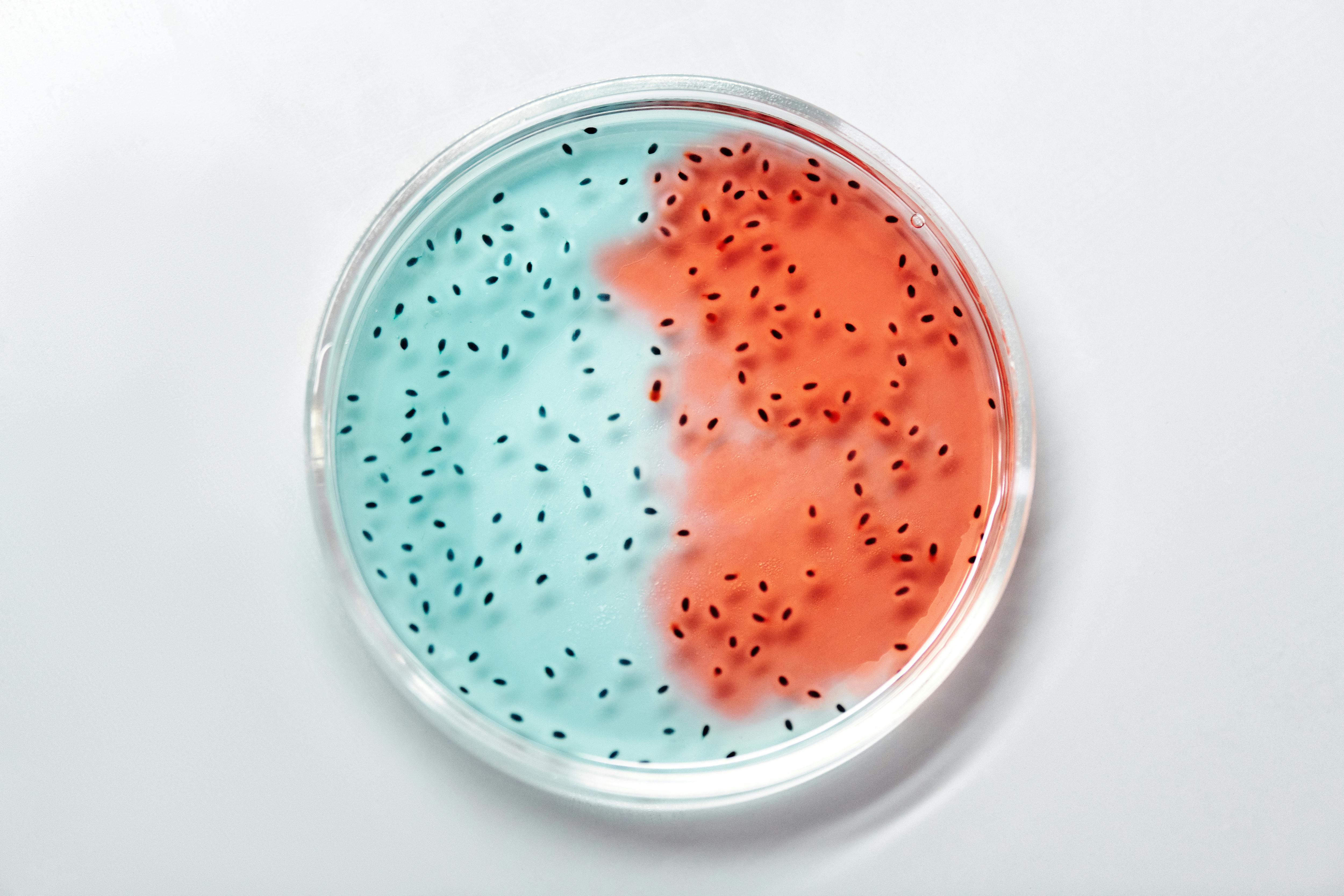
Gut microbiome determines who benefits from plant-based foods, study finds
A systematic analysis of 5,500 human microbiomes mapped 775 dietary phytonutrients to the bacterial enzymes that process them, finding that the gut's capacity to metabolize plant compounds is highly individual and substantially reduced in people with chronic disease.
The Vitalspell brief
Evidence-based supplement science — weekly in your inbox.
Subscribe