
#Evidence Based
Articles tagged #Evidence Based on Vitalspell.

Cold Plunges and Your Brain: What the Science Actually Shows
Cold plunges trigger a measurable surge of noradrenaline and dopamine, but the RCT evidence for long-term mental health benefits is still thin. Two recent studies clarify what the data do and do not support.

Magnesium did not improve sleep or prevent night cramps, major cohort study finds
A new analysis of the population-based CoLaus cohort, published in the European Journal of Nutrition, found no evidence that magnesium supplements improve sleep quality. Magnesium users actually reported a higher likelihood of nocturnal leg cramps.

Aged garlic compound nudges the fat-brain-muscle axis longevity researchers chase
A new Cell Metabolism paper identifies S-1-propenyl-L-cysteine, a bioactive in aged garlic extract, as an upstream activator of LKB1 that prompts fat tissue to release more eNAMPT. In aged mice, the molecule reduced frailty and improved muscle force. The human data is preliminary.

Akkermansia muciniphila: what the evidence actually says about the internet's favorite probiotic
Akkermansia muciniphila has attracted more supplement-industry attention than any microbe since Lactobacillus. Here is what the human trials actually show about weight loss, blood sugar, gut barrier repair, and the other claims being made.

5-MTHF prenatal trial: what the Ritual-funded RCT actually showed
A 24-week randomized trial in Frontiers in Nutrition compared 5-MTHF and folic acid prenatal multivitamins in 62 second- and third-trimester pregnancies. The methylated form held folate status with about a quarter of the unmetabolized folic acid. Industry-funded, narrowly scoped, and worth reading carefully.
More

Longevity supplement NOVOS Core improved vascular aging markers in first human trial
A six-month randomized controlled trial at the University of Surrey found NOVOS Core, a 12-ingredient supplement, improved endothelial function, arterial flexibility, and blood pressure in 61 healthy adults over 40. The effect sizes rival those of structured exercise programs, but the study is modest, single-center, and not yet peer-reviewed.
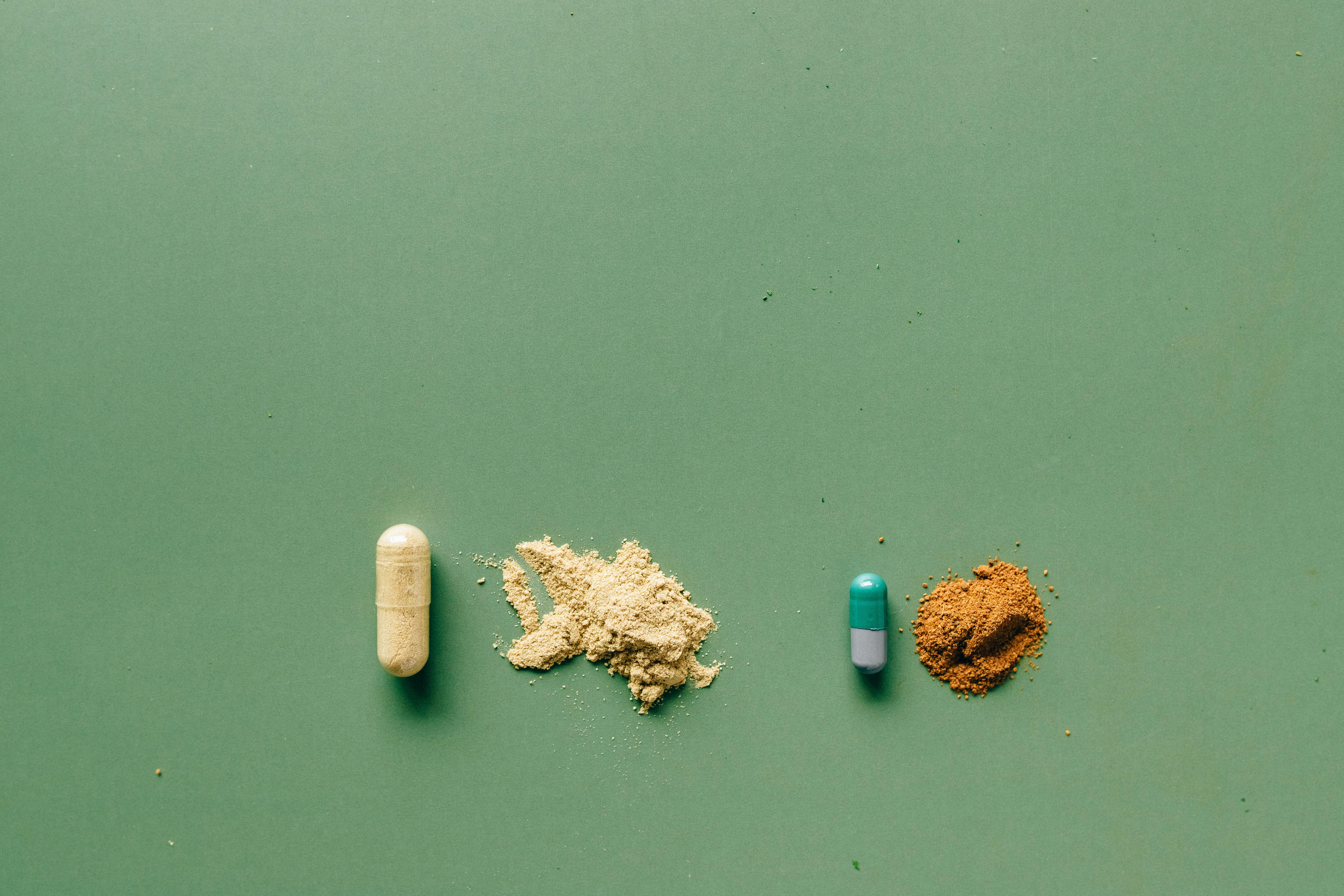
How To Choose the Right Magnesium Supplement for You
The form of magnesium you choose matters more than the brand. Magnesium glycinate and citrate offer high bioavailability for sleep and general health, while oxide is poorly absorbed and best reserved for heartburn.
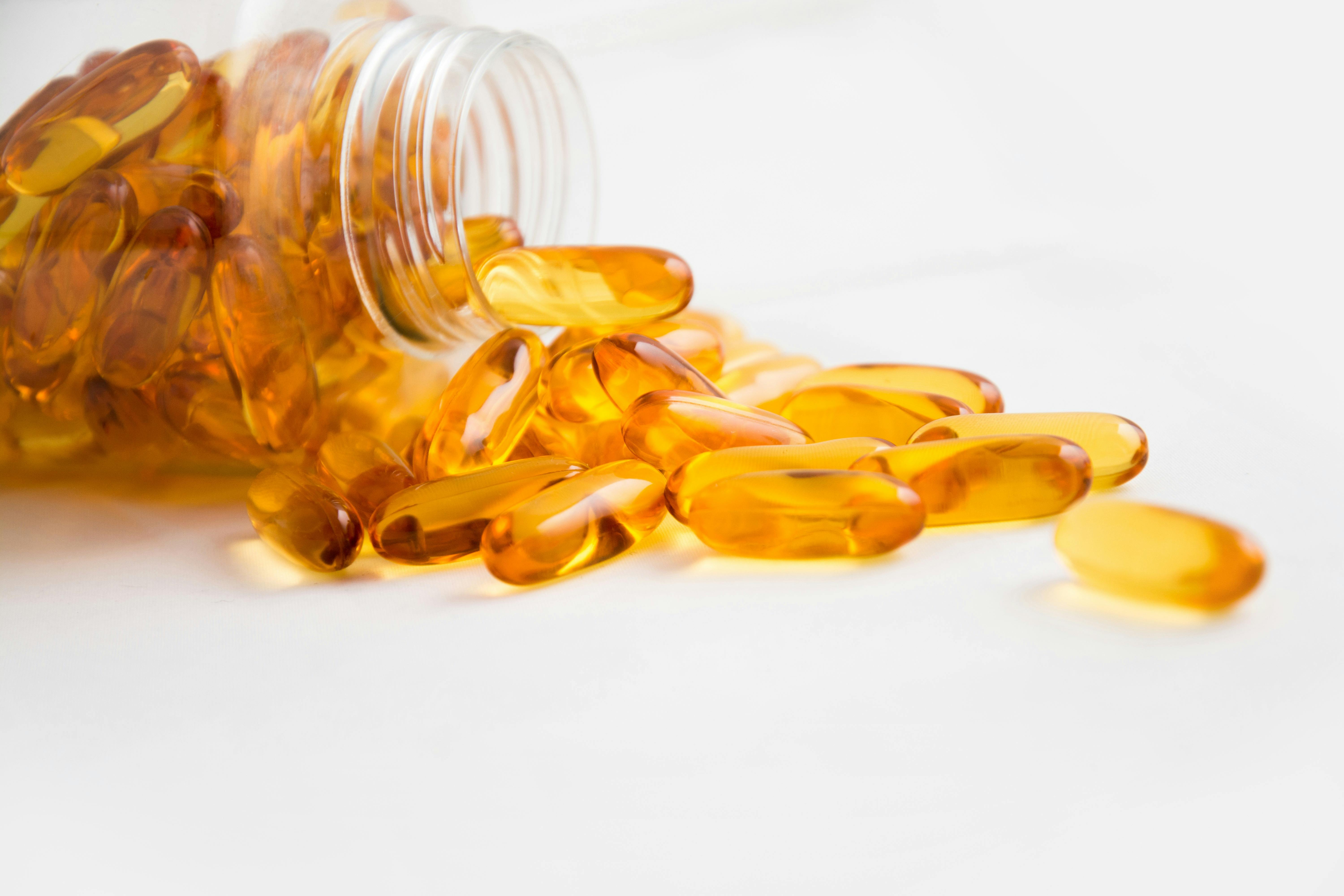
Fish oil supplements face mounting evidence of limited benefits and real risks
A growing body of research suggests fish oil supplements may not deliver the broad health benefits consumers expect and could pose risks including increased atrial fibrillation and possible cognitive decline in older adults.

Magnesium and sleep: what the evidence says about the most recommended bedtime supplement
Magnesium has a plausible mechanism for improving sleep through GABA and NMDA receptors, but the trial data shows the effect is modest and largely limited to people with low dietary magnesium intake.
NMN and NR supplements: what the evidence says about NAD precursors and aging
NAD levels drop by roughly half between age 40 and 70, and supplement companies are selling NMN and NR as the solution. The human trials show measurable NAD increases but inconsistent clinical benefits, and the regulatory situation for NMN remains unsettled.

Creatine monohydrate: what the evidence says about the most studied supplement in sports
Creatine monohydrate is the most studied sports supplement in history. It works reliably for strength and power, shows emerging promise for brain health, and costs pennies per gram. Here is why the more expensive forms have almost no evidence of superiority.