
#Sleep
Articles tagged #Sleep on Vitalspell.
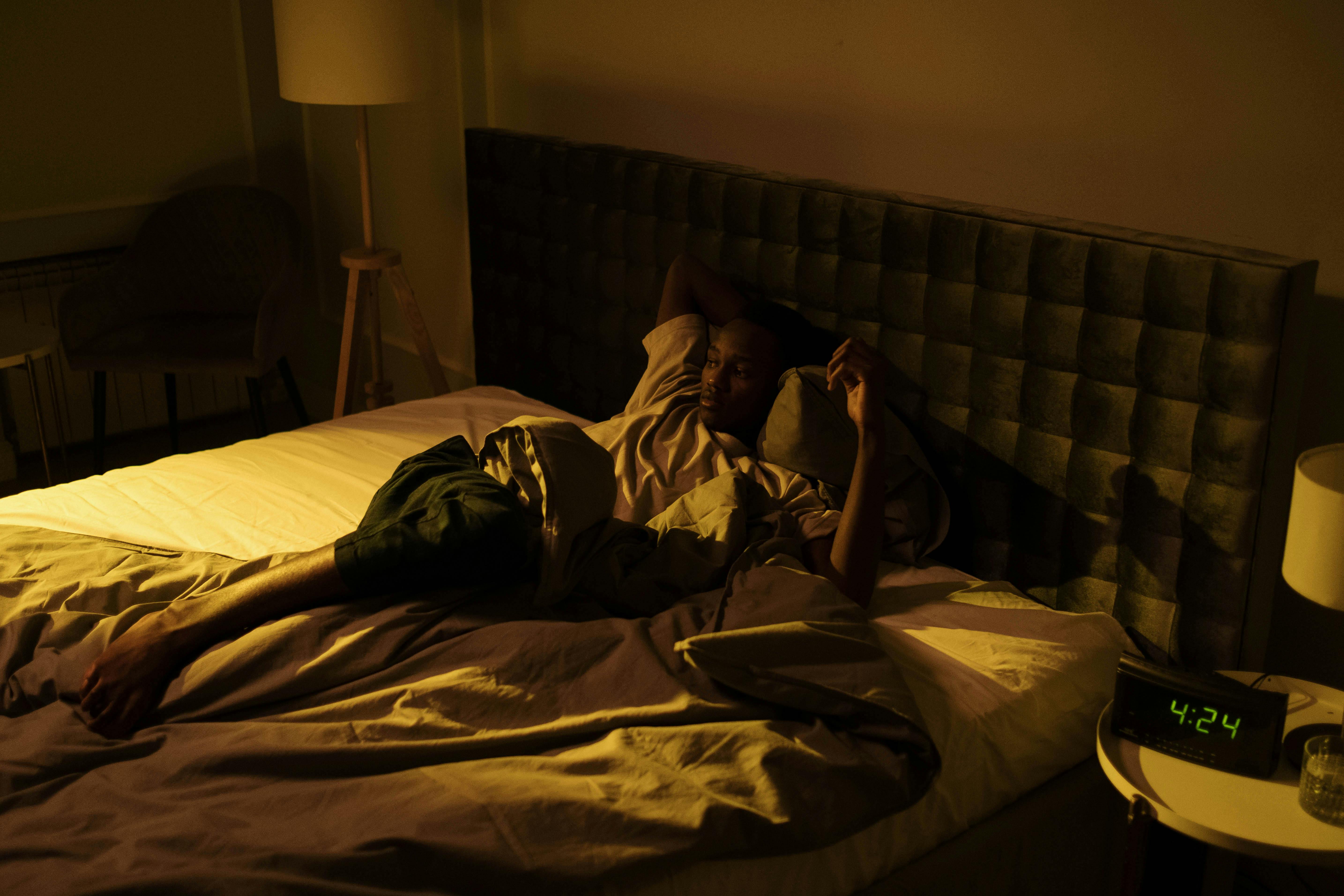
Magnesium did not improve sleep or prevent night cramps, major cohort study finds
A new analysis of the population-based CoLaus cohort, published in the European Journal of Nutrition, found no evidence that magnesium supplements improve sleep quality. Magnesium users actually reported a higher likelihood of nocturnal leg cramps.

Magnesium L-threonate improved cognition by 7.5 cognitive years in 6-week trial
A 6-week randomised trial in 100 adults found that 2 grams per day of magnesium L-threonate (Magtein) improved overall cognitive performance and reduced estimated brain cognitive age by 7.5 years. Sleep improvements were selective, but heart rate and heart rate variability both moved in favourable directions.
Exercise and sleep interventions show synergistic effects on cardiometabolic health in 8-week trial
A 2026 randomized trial found that combining high-intensity circuit training with a digital sleep health intervention produced greater improvements in sleep efficiency, wake after sleep onset, and cardiometabolic markers than either intervention alone in sedentary young women.
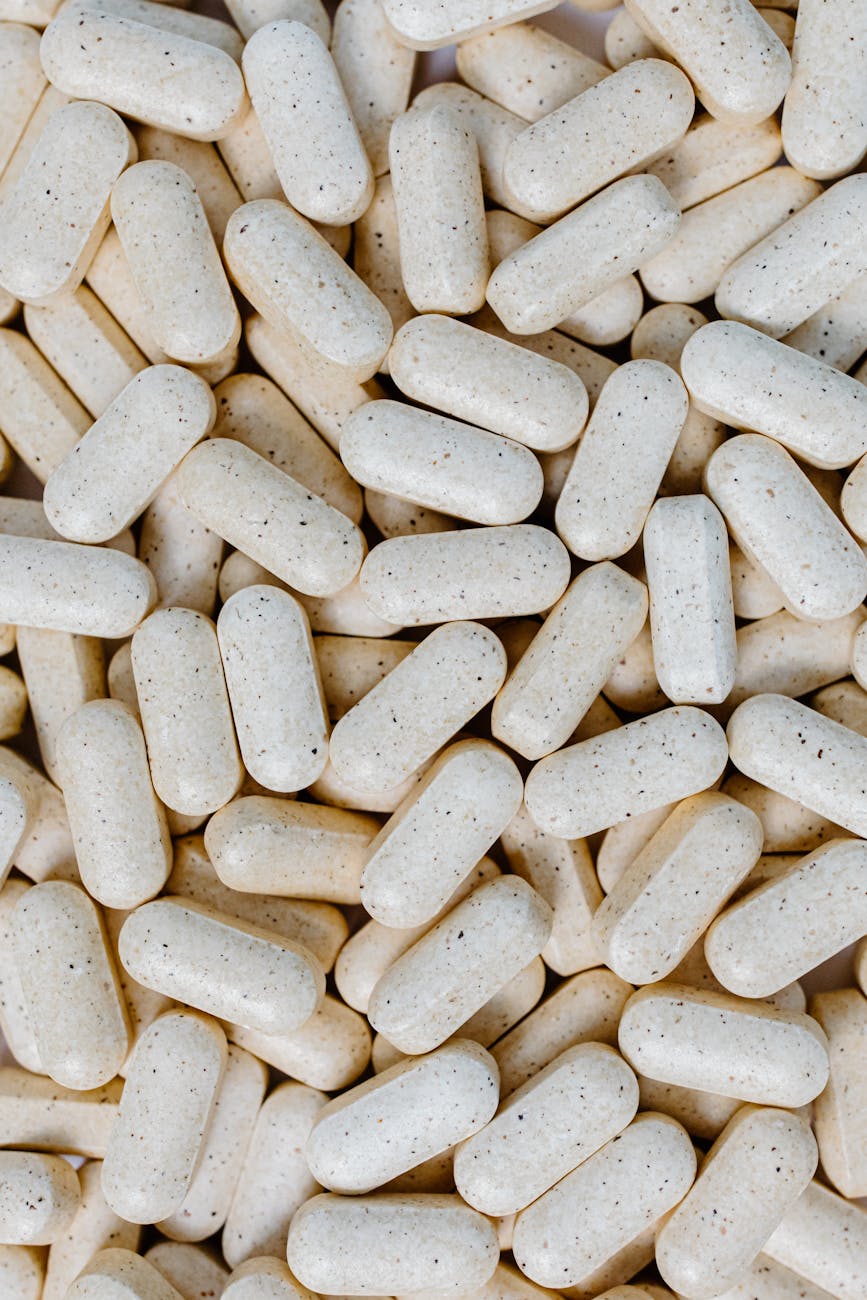
The Best Magnesium Supplements of 2026, According to Experts
Forbes Health consulted a panel of accredited nutrition experts to rank the best magnesium supplements of 2026. The top picks span multiple forms, from affordable oxide tablets to premium bisglycinate powders. Here is what the evidence says about which form you actually need.
Magnesium and sleep: what the evidence says about the most recommended bedtime supplement
Magnesium has a plausible mechanism for improving sleep through GABA and NMDA receptors, but the trial data shows the effect is modest and largely limited to people with low dietary magnesium intake.
More
Caffeine within 12 hours of bedtime harms sleep, often without you noticing
A randomized crossover trial in Sleep found that 400 mg of caffeine disrupts sleep when consumed within 12 hours of bedtime, while 100 mg is safe up to four hours before bed. Most participants could not tell when caffeine was harming their sleep.

Lion's Mane improved visual attention and sleep in 8-week RCT of 109 adults
A new randomized controlled trial posted to medRxiv found that 2 grams of Hericium erinaceus per day improved visual attention, working memory, sleep quality, and mood in adults aged 40 to 75 with subjective cognitive complaints. The effect sizes were modest and the study was funded by the supplement's manufacturer.
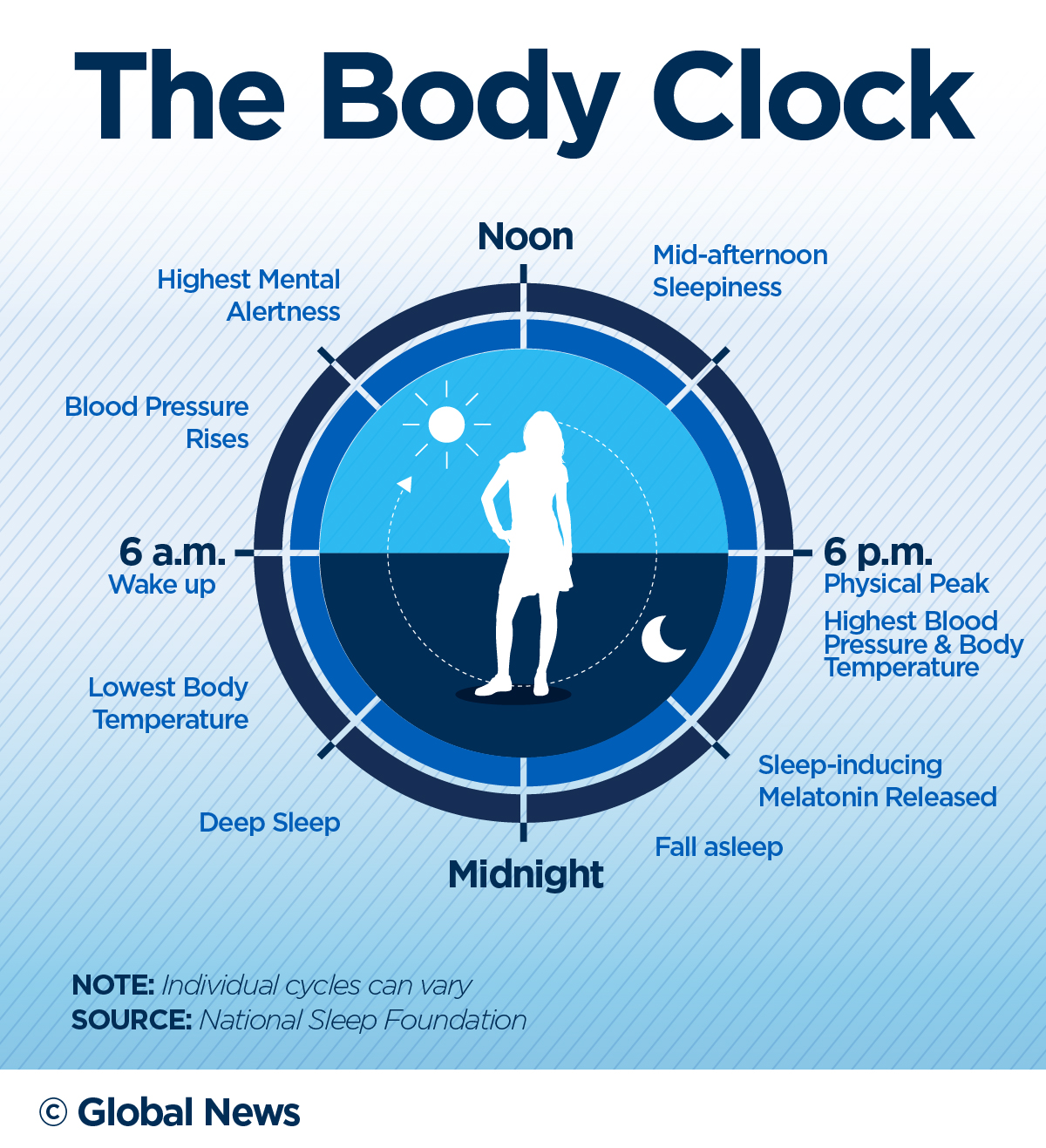
Nutrition timing alone not enough for night-shift metabolic health, trial finds
An 8-week crossover trial in female healthcare workers found that protein-and-nutrient-timing guidance modestly improved visceral fat percentage but did not shift inflammatory markers, gut microbiome diversity, or mental health scores. The findings suggest dietary changes alone are insufficient to reverse the metabolic effects of circadian disruption.
Magnesium bisglycinate modestly improved insomnia in largest placebo-controlled trial
A four-week randomized trial in 155 adults found that 250 milligrams of magnesium bisglycinate per day modestly reduced insomnia severity compared to placebo. The benefit was largest in people with low dietary magnesium intake.