Sawe's marathon fuel: what hydrogel gels actually do
Sabastian Sawe broke two hours at the 2026 London Marathon in 97-gram Adidas shoes. But the Maurten hydrogel gels pinned to his bib may have mattered more. A new RCT finds they do not make you faster, but they do make you steadier.
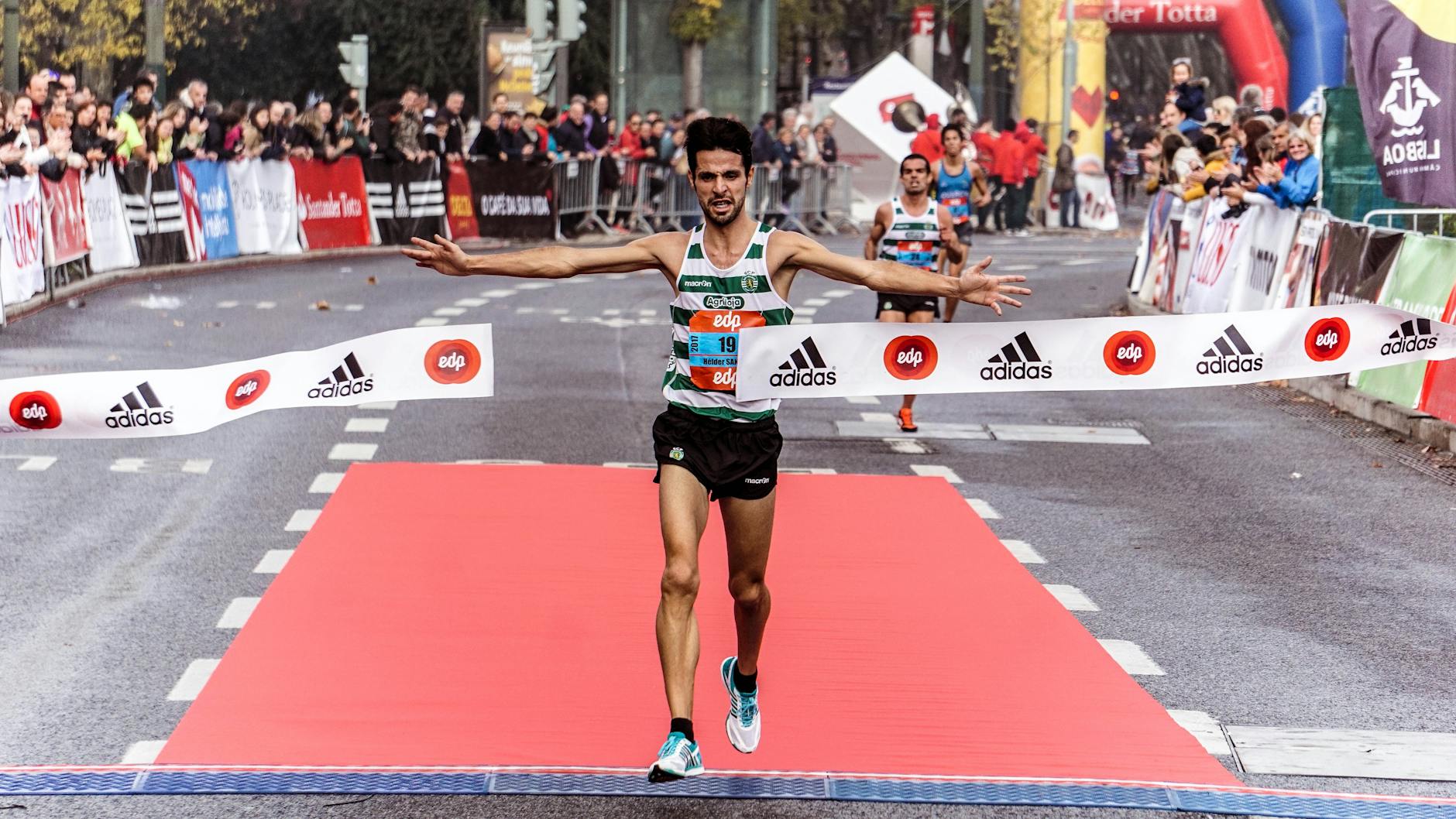
Two men broke two hours at the London Marathon on April 26, 2026. Sabastian Sawe crossed first. Yomif Kejelcha followed. Both wore Adidas shoes that weigh 97 grams per shoe. Both pinned something else to their race bibs: Maurten hydrogel energy gels.
The shoes got the headlines. The Sydney Morning Herald noted that “although the athletes who have attempted to run a marathon under two hours have worn different shoes, each have used Maurten energy gels.” A throwaway line in a race report, but it points at something the carbon-plate discourse misses. Every sub-two-hour marathon in history has been fuelled by the same hydrogel technology. The shoes change. The gels do not.
So what is a hydrogel, and does it actually do anything that a regular gel does not?
A traditional energy gel is a syrup of glucose and fructose. You swallow it. It sits in your stomach. Gastric emptying eventually shunts it into the small intestine, where absorption happens. For something like 30 to 50 percent of endurance athletes, this is also where the race falls apart. GI distress is a leading cause of marathon DNFs.
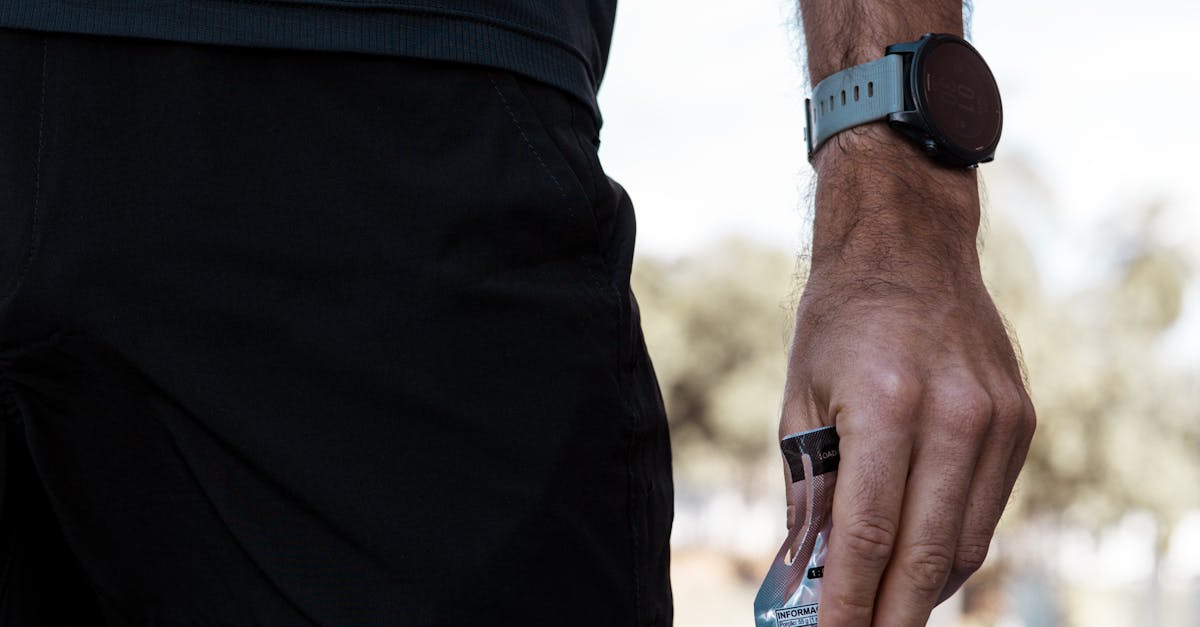
A hydrogel wraps the same carbohydrates in sodium alginate and pectin. When the packet hits stomach acid, the mix sets into a semi-solid capsule that slides through to the small intestine fast. It expands there and releases glucose and fructose over time instead of in one wave. Less stomach time, less sloshing. Maurten’s own description: the encapsulation “allows runners to consume more carbohydrates per hour while being easy on the stomach.”
That is the marketing. Here is the data.
A team led by Jiansong Dai at Nanjing Sport Institute published a randomized controlled trial in Frontiers in Physiology in February 2026. They took 81 amateur runners and split them four ways: elite runners on sodium alginate hydrogel, elite runners on traditional gels, advanced runners on hydrogel, advanced runners on traditional. Everyone wore a continuous glucose monitor for the week before the 2024 Nanjing Marathon. Everyone took in 60 grams of carbohydrate per hour during the race.
Hydrogel runners did not finish faster. Average pace was the same across groups. If you wanted a gel that takes minutes off your time, this is not it.
What changed was how the pace held up. Elite runners on hydrogel kept a steadier speed across all 42 kilometers. The percentage speed drop over the full distance was measurably smaller for the hydrogel group. Advanced runners got the same pacing benefit through the first half and kept their blood glucose flatter during kilometers 11 to 20 and 31 to 40. Those two segments are where marathon pace typically caves.
The finding is narrow but real. Hydrogel is not making anyone faster. It is stopping them from slowing down as much. For an elite runner chasing a record, a two-second-per-kilometer fade over the last 10 k is the margin between winning and not. A gel that shaves that fade is worth carrying.
The Dai paper builds on a 2022 study by Rowe and colleagues at Leeds Beckett University, published in Medicine and Science in Sports and Exercise. That group found a glucose-fructose hydrogel raised exogenous carbohydrate oxidation and cut GI symptoms during endurance running against a standard drink. Solid physiology. The Dai study puts it on an actual marathon course.
One caveat that belongs up front: the Dai paper has an industry author. Yanrong Zhao, one of the co-authors, works for the R&D arm of Inner Mongolia Mengniu Dairy and Shanghai M-Action Health Technology. The gel tested was a sodium alginate product, not Maurten by name, but the mechanism is identical. This does not sink the result. It does sit next to Maurten’s own disclosure that their hydrogel research is company-funded. When the marketing says “revolutionary” and the data says “modest pacing benefit,” the funding source is relevant.
For the runner standing in the expo aisle with a $3.50 Maurten in one hand and a $1.50 GU in the other, the science offers a clearer question than the branding does. Does your stomach betray you at mile 18? If yes, try the hydrogel. If no, the Dai paper gives you no reason to pay the premium. The gels help you run smoother. They do not help you run faster. For Sawe in London, smoother was enough.
References
- Dai J, Chen G, Zhao Y, et al. Impact of sodium alginate energy gel on the marathon performance of amateur runners: a randomized controlled study. Frontiers in Physiology 17. 2026. https://doi.org/10.3389/fphys.2026.1746392
- Rowe JT, King RFGJ, King AJ, et al. Glucose and fructose hydrogel enhances running performance, exogenous carbohydrate oxidation, and gastrointestinal tolerance. Medicine & Science in Sports & Exercise 54(1):129-140. 2022. https://doi.org/10.1249/mss.0000000000002764
Priya Nair
Health journalist covering thyroid health, cortisol, perimenopause, and endocrine disruptors. Reports from Chicago.