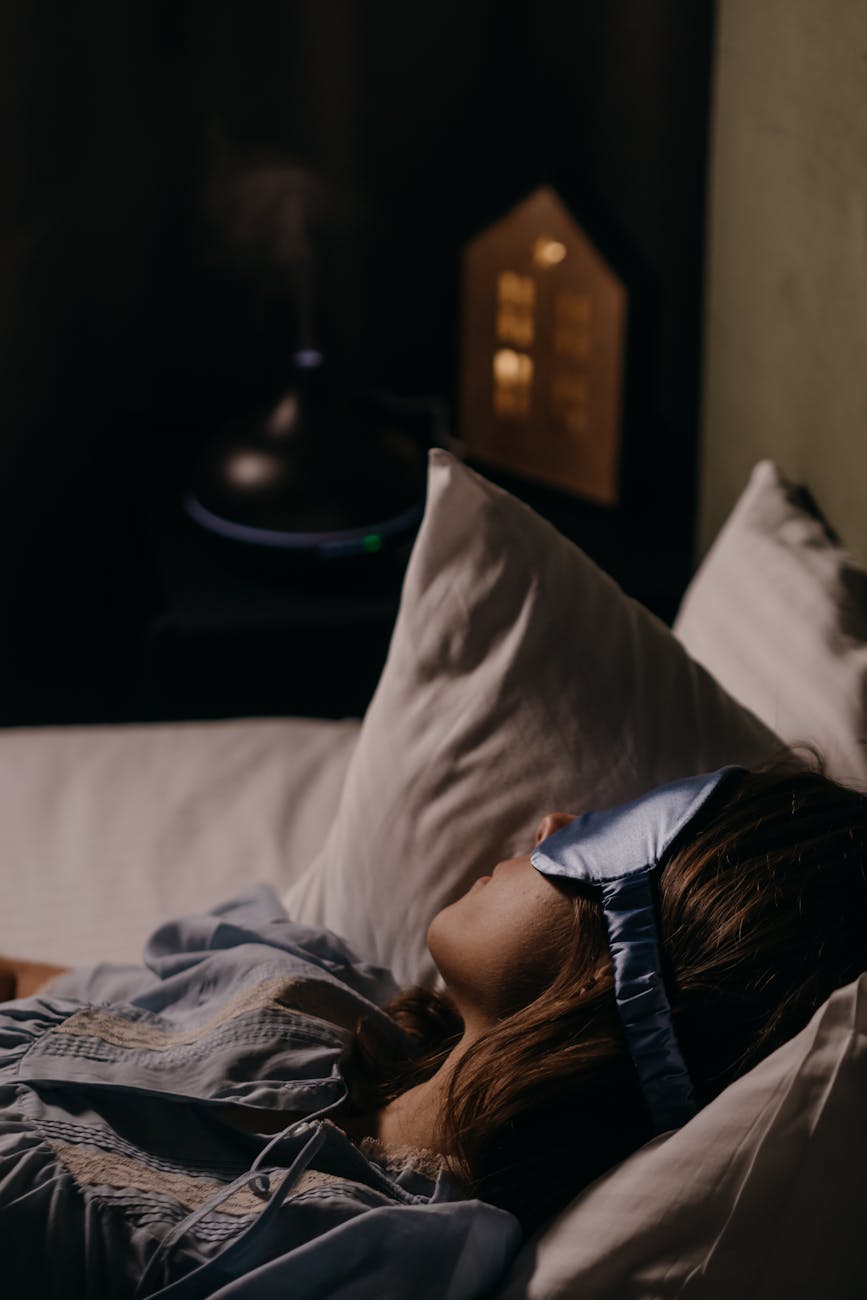
Magnesium did not improve sleep or prevent night cramps, major cohort study finds
A new analysis of the population-based CoLaus cohort, published in the European Journal of Nutrition, found no evidence that magnesium supplements improve sleep quality. Magnesium users actually reported a higher likelihood of nocturnal leg cramps.
A new analysis of the population-based CoLaus|PsyColaus cohort, published in the European Journal of Nutrition in February 2026, found no evidence that magnesium supplements improve sleep quality. Magnesium users actually reported a higher likelihood of nocturnal leg cramps and a trend toward poorer sleep, according to the paper by Stadie, Heinzer, and Marques-Vidal of Lausanne University Hospital.
The findings cut against the grain of a supplement category that has been marketed aggressively as “the new melatonin.” Magnesium supplements are a growing slice of the global sleep-aid market, with TikTok and Instagram influencers routinely recommending magnesium glycinate and magnesium L-threonate as bedtime staples. The underlying biology is plausible: magnesium modulates GABA receptors and acts as an NMDA receptor antagonist, both of which are involved in sleep regulation. But the trial evidence, taken as a whole, tells a different story.
The CoLaus study drew on three follow-up waves spanning 2009 through 2021. The first wave included 3,887 participants (52.6 percent women, mean age 57.2 years). Magnesium supplement use was 4.5 percent in that wave. By the second follow-up, from 2014 to 2017, use had nearly doubled to 7.9 percent of 1,916 participants. The third wave, running 2018 through 2021, included 1,561 participants with 7.5 percent reporting magnesium use. Subjective sleep quality was captured through validated questionnaires. Objective sleep was measured with polysomnography, which records brain activity, eye movements, muscle tone, and heart rhythm across a full night in a sleep lab.
The researchers adjusted for multiple confounders, including age, sex, body mass index, education, smoking, and physical activity. They also computed a polygenic risk score from five single-nucleotide polymorphisms linked to circulating magnesium levels, to check whether genetic predisposition to low magnesium was driving any observed associations.
The multivariable-adjusted results were clear. Magnesium users had a higher likelihood of experiencing night cramps or restless leg syndrome. Polysomnography showed no significant differences between magnesium users and non-users on any objective sleep parameter. The prospective arm of the analysis was perhaps the most telling: participants who were taking magnesium at baseline went on to develop a higher incidence of night cramps over the follow-up period, while restless leg syndrome incidence did not differ between the two groups. “We found no consistent association between magnesium supplementation and subjective or objective sleep parameters or restless leg syndrome,” the authors concluded. “Magnesium supplementation did not prevent night cramps.”
The broader evidence picture
The Stadie paper does not stand alone. A 2023 systematic review by Arab and colleagues, published in Biological Trace Element Research, examined 7,582 subjects across nine observational and interventional studies. The review found that while observational data hinted at a relationship between magnesium status and sleep quality, the randomized controlled trials produced “contradictory findings” and an “uncertain association between magnesium supplementation and sleep disorders.”
A 2021 systematic review and meta-analysis focused specifically on older adults with insomnia tracked down only three randomized trials, one of which enrolled just 12 participants. The authors rated the evidence quality as low to very low and described the existing literature as “substandard.” A 2014 review of magnesium for nocturnal leg cramps, published in Family Practice, concluded that magnesium “does not appear to be effective in the general population,” though it noted a possible small benefit in pregnant women.
Jonathan Jarry, a science communicator at McGill University’s Office for Science and Society, put the state of the evidence plainly in a 2026 analysis: “There is currently no good scientific evidence that taking magnesium supplements will improve your sleep.” He noted that acute insomnia often resolves on its own, and that improvement after starting a supplement is frequently attributed to the pill rather than to the natural course of the sleep disturbance.
Why the gap between mechanism and outcome
The gap between magnesium’s biology and its underwhelming trial performance is common among supplements. Many compounds have clean mechanistic stories that fail to translate into detectable clinical effects. Magnesium is involved in more than 300 enzymatic reactions in the human body, but a 70-kilogram adult carries roughly 25 grams of it, with less than 1 percent circulating in blood. Serum magnesium is tightly regulated and does not reliably reflect intracellular or tissue stores, which makes it difficult to identify who, if anyone, is genuinely deficient in a way that supplementation would correct.
The Arab review noted that the people who appeared to benefit most from magnesium supplementation were those with low dietary magnesium intake at baseline. This fits a pattern seen across nutrition research: supplementation corrects deficiencies but does not boost function in people who already have enough. Roughly half of American adults fall short of the recommended magnesium intake. Eating more leafy greens, nuts, seeds, and legumes would close that gap more reliably than a pill would, and without the gastrointestinal side effects that high-dose magnesium supplements can cause.
What this means for the “sleep stack”
Magnesium’s reputation as a sleep aid has been amplified by the rise of the “sleep stack,” the wellness trend of combining several supplements before bed. A typical stack pairs magnesium glycinate with melatonin, L-theanine, apigenin, and glycine. The pitch is that each ingredient hits a different part of the sleep cascade, making the combination more effective than any single compound alone.
The evidence for most of these individual ingredients is thin. Melatonin has the strongest data, but even there the effect sizes are modest: a pooled analysis put the reduction in sleep onset latency at roughly 17 minutes. Glycine and L-theanine have small, short-duration trials with mixed results. Apigenin, a flavonoid found in chamomile, has almost no human trial data for sleep. The stack is a tidy story, but the Stadie paper and the systematic reviews that precede it suggest that magnesium, at least, is not doing the work the marketing claims it does.
What the study leaves open
The CoLaus study has limits. Magnesium use was self-reported. The data did not capture dose, formulation, or how long people had been supplementing. Magnesium citrate, glycinate, oxide, and L-threonate each have different absorption profiles and reach different tissues at different concentrations. A specific form at a specific dose could produce effects that the aggregate numbers hide. The participants were middle-aged and older Swiss adults; the results may not hold for younger people or for those with diagnosed insomnia.
The Arab review noted that the available randomized trials were small, short (none ran longer than 12 weeks), and used inconsistent dosing regimens. Well-designed trials with larger samples, longer follow-up, and stratification by baseline magnesium status are needed before the book can be closed on magnesium and sleep. But the direction of the evidence, from the best available data, points toward a null effect.
Bottom line
For the person reaching for magnesium before bed, the CoLaus data and the systematic reviews that surround it point in one direction: the best evidence we have does not support the claim that magnesium supplements improve sleep or prevent night cramps. Magnesium deficiency is real and worth correcting through diet, but supplementation beyond that appears to be an expense without a demonstrated return.
References
- Stadie N, Heinzer R, Marques-Vidal P. Magnesium supplements, sleep quality, and nocturnal leg cramps: a combination of cross-sectional and prospective studies. European Journal of Nutrition. 2026. https://doi.org/10.1007/s00394-026-03910-2
- Arab A, et al. The role of magnesium in sleep health: a systematic review of available literature. Biological Trace Element Research. 2023. https://link.springer.com/article/10.1007/s12011-022-03162-1
- Jarry J. Magnesium supplements for sleep may not work like a dream. McGill Office for Science and Society. 2026. https://www.mcgill.ca/oss/article/critical-thinking-pseudoscience/magnesium-supplements-sleep-may-not-work-dream
Margot Ellis
Science writer covering sleep chronobiology, chronotypes, and the supplement-sleep intersection. Reports from London.