Can creatine blunt sleep-loss brain fog? The 2026 study
Creatine and sleep deprivation met in a 29-person crossover trial that found modest cognitive protection, but only at an unusually high acute dose.
Nobody enjoys the fog that follows a bad night of sleep — and supplement marketing knows it. A familiar, urgent problem with no quick fix is exactly the kind of gap a pill or powder promises to fill. So when Ali Gordji-Nejad and colleagues at Forschungszentrum Jülich published a 2026 crossover trial in Nutrients hinting that a single creatine dose might soften the cognitive hit, it drew notice. In 29 healthy adults kept awake for 21 hours, a one-time 0.2 g/kg dose modestly reduced the performance decline that normally tracks sleep loss.
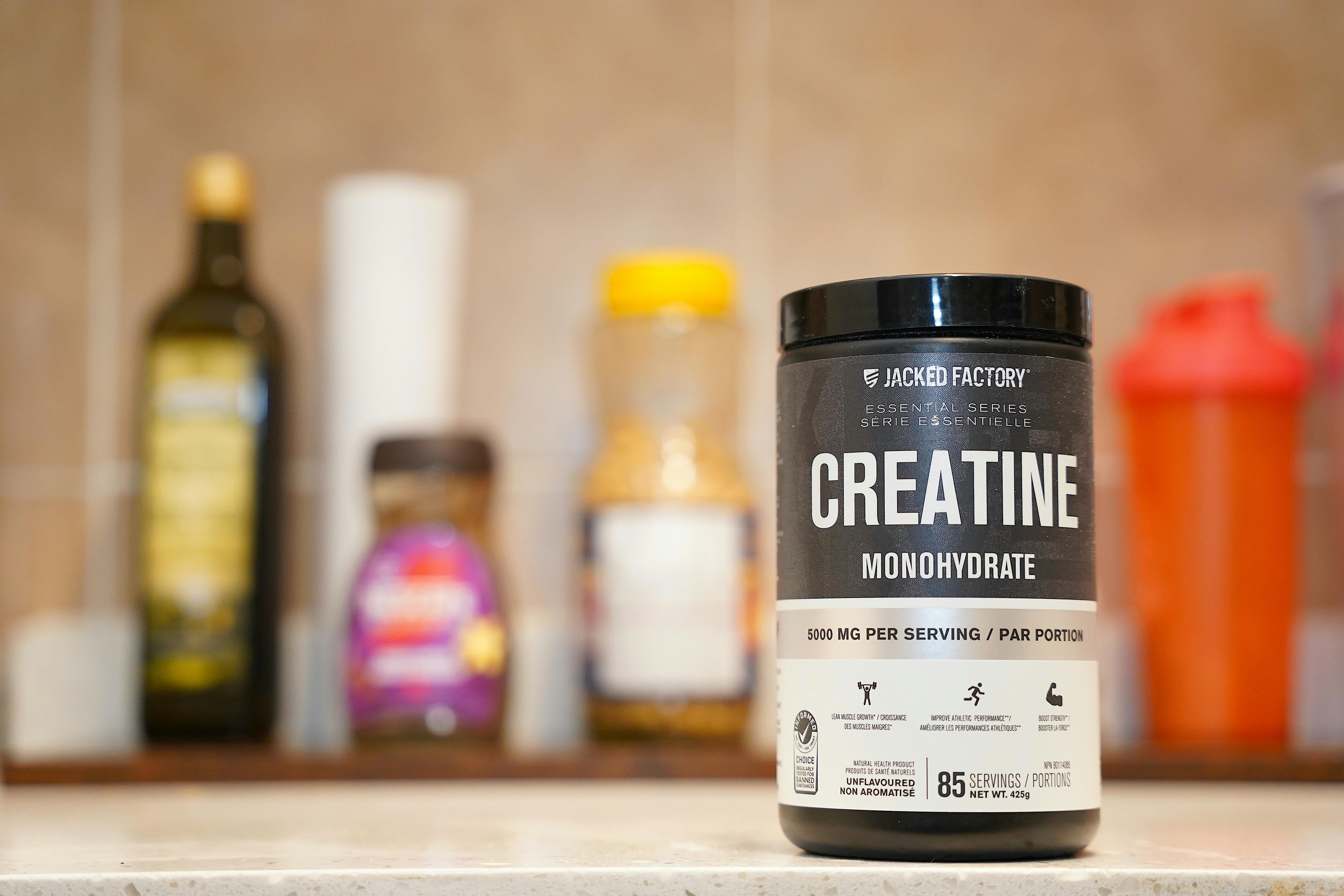
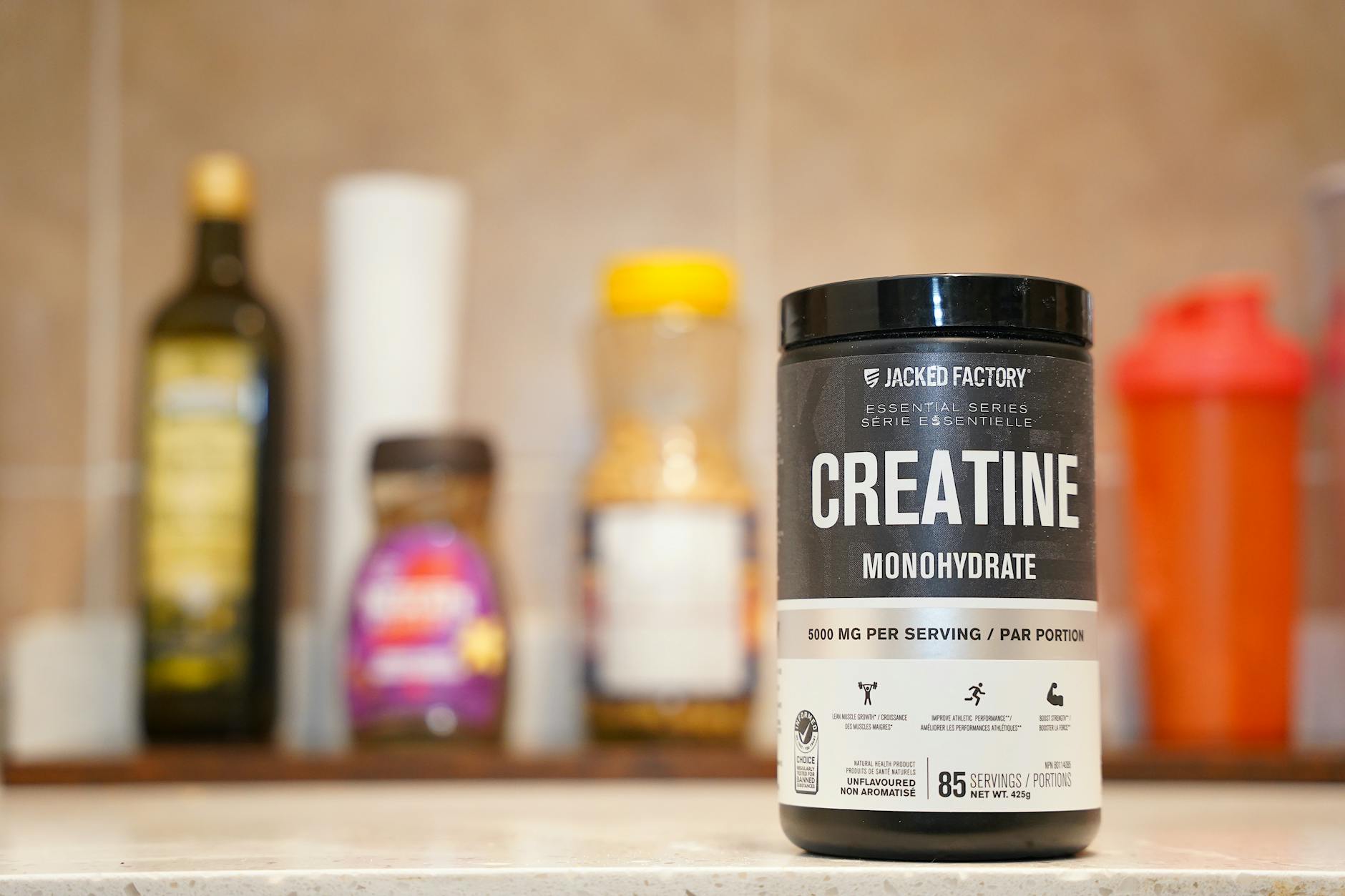
Start with the arithmetic, because the dosing math is where the practical questions begin. For a 70 kg adult, 0.2 g/kg works out to 14 g in a single shot — far above the three to five grams a day that most creatine users know from sports nutrition. The study does not claim creatine erases brain fog, and it certainly does not make sleep optional. What it gestures toward is narrower: under an acute metabolic stressor, the brain may handle creatine differently than it does during ordinary waking life.
Skeptics have a real case here. The sample was small, the results were measured inside a tightly controlled sleep-deprivation model, and the 2026 team did not directly measure brain creatine levels the way their earlier 2024 Scientific Reports paper did. That limitation is precisely why the result deserves a careful look. One reading sees a dose-response story forming across studies; another notices how easy it would be to oversell a modest, context-bound signal. Both interpretations hold until more data arrives.
What the 2026 trial actually tested
Whether creatine turns well-rested adults into sharper thinkers was not the question. The paper asked something more specific: can a single acute dose soften the cognitive drop that follows one lost night? In that setting, even a modest effect matters more than it would during a routine office day. Sleep deprivation is one of the clearest, fastest ways to strain the brain’s energy budget.
Credit the authors for being precise about what they found. Rather than claiming a universal cognitive boost, they described the result as partial protection against deterioration:
“Our results show that administration of a dose of 0.2 g/kg creatine reduces, to a modest extent, the deterioration in cognitive performance during sleep deprivation.”
— Gordji-Nejad et al., Nutrients
That phrasing is worth noting. The signal is not that creatine made tired people superhuman. Some tasks appear to hold up a bit better when the brain is under stress. This reads less like a generic nootropic effect and more like a stress-contingent one — consistent with a field that has often struggled to show large cognitive gains in well-rested, well-fed participants.
Numbers help put the finding in perspective. The newer trial used 0.2 g/kg, while the earlier 2024 Scientific Reports study used 0.35 g/kg — roughly 24.5 g for a 70 kg adult. Before either of those, a 2006 Psychopharmacology study tested a much longer loading-style protocol: 20 g a day for seven days, also in sleep-deprived participants. The part of the literature that appears most promising is also the part least like the everyday “take five grams and forget about it” routine. That is a practical constraint, not a footnote.
Why the dose, and the context, may be doing most of the work
Creatine’s brain-health case rests on a plausible biological story. The brain burns large amounts of ATP, creatine helps buffer high-energy phosphates, and sleep loss is a state in which energy management is genuinely under pressure. Read the new paper generously, and the takeaway is not that creatine has suddenly become a cognition supplement. It is that sleep deprivation may be one of the specific conditions where its energy-buffering role becomes easier to detect.

Earlier work supplied the mechanistic context. The 2024 paper paired performance changes with brain-energy measurements, giving the field something the 2026 study did not: a closer look at mechanism. The newer authors explicitly lean into that stressed-brain interpretation:
“both factors, the cellular stress state and sufficient extracellular creatine availability, are essential for the observed response”
— Gordji-Nejad et al., Nutrients
Ask the practical question instead of the abstract one: not whether creatine “works for the brain” but when, for whom, and at what dose the effect becomes large enough to matter. A 14 g one-off dose is not trivial. It sits far above the maintenance intake most gym users know, and it is the sort of protocol that deserves a conversation with a clinician before anyone tries to translate it into self-experimentation. Skepticism is warranted: a supplement that may help in an acute laboratory stress model is not automatically a supplement that should be repackaged as insurance for shift work, exam cramming, or parenting through a bad night.
Who cares about this, practically speaking? Sleep-deprived clinicians, shift workers, new parents, and frequent travellers are the groups most likely to follow this line of research — not because the evidence is settled for them, but because their lives resemble the experimental stressor more than a rested undergraduate’s does. A 70 kg adult can at least work the arithmetic now: 0.2 g/kg is 14 g, 0.35 g/kg is 24.5 g, and neither looks anything like the standard three-to-five-gram daily maintenance script. The headline finding sharpens once that dosing math is visible.
Where the broader literature still looks thin
Before anyone gets carried away, the broader reviews are worth consulting. A 2021 review by Hamilton Roschel and colleagues argued that creatine’s brain story was promising but unsettled, and that the field still had not identified the best way to raise brain creatine reliably:
“The optimal creatine protocol able to increase brain creatine levels is still to be determined.”
— Roschel et al., Nutrients
Seven years later, that sentence has held up. After the 2026 trial, the best reading is still conditional rather than sweeping. A 2024 systematic review argued that the cognition literature often fails to support its strongest theoretical claims, while a newer 2026 translational overview points to methodological challenges that keep recurring: small samples, heterogeneous tasks, uncertain dosing, and a poor match between muscle-supplement habits and the protocols that may actually change brain chemistry.
The study fits best as part of a creatine shift already underway, not as a standalone verdict. Coverage has been moving beyond squat racks and shaker bottles into menopause, aging, and mental performance. That expanding frame makes sense because the molecule is not muscle-specific. Still, the most convincing evidence remains clustered around special conditions: low baseline stores, high metabolic demand, aging, or acute stressors such as sleep loss. The field is inching toward a more targeted use case, not toward a claim that everyone should take creatine for “mental clarity.”
Call the verdict narrower than the buzz but stronger than dismissal. A new paper in Nutrients suggests that a single high dose of creatine can modestly protect some aspects of cognition during one night of sleep deprivation. Alongside the earlier 2024 study, that looks like a real signal worth following. Alongside the broader review literature, it still looks premature to market creatine as a general-purpose antidote to brain fog. If the next wave of work can show who benefits most, whether smaller or staged doses work, and whether the effect holds outside artificial sleep-loss models, creatine’s brain story will start to look less like supplement folklore and more like applied neuroenergetics.
References
- Gordji-Nejad A, et al. Single-Dose Creatine Reduces Sleep Deprivation-Induced Deterioration in Cognitive Performance. Nutrients 18(8):1192. 2026.
- Single dose creatine improves cognitive performance and induces changes in cerebral high energy phosphates during sleep deprivation. Scientific Reports. 2024.
- Effect of creatine supplementation and sleep deprivation, with mild exercise, on cognitive and psychomotor performance, mood state, and plasma concentrations of catecholamines and cortisol. Psychopharmacology. 2006.
- Roschel H, et al. Creatine supplementation and brain health. Nutrients 13(2):586. 2021.
- Creatine supplementation research fails to support the theoretical basis for an effect on cognition: Evidence from a systematic review. Neuroscience & Biobehavioral Reviews. 2024.
- Creatine supplementation and brain health: Methodological challenges, current evidence, and translational perspectives. The Journal of Nutritional Physiology. 2026.
Cognitive science writer covering nootropics, focus protocols, and the evidence behind brain supplements. Reports from Stockholm.
The Vitalspell brief
Evidence-based supplement science — weekly in your inbox.
Subscribe