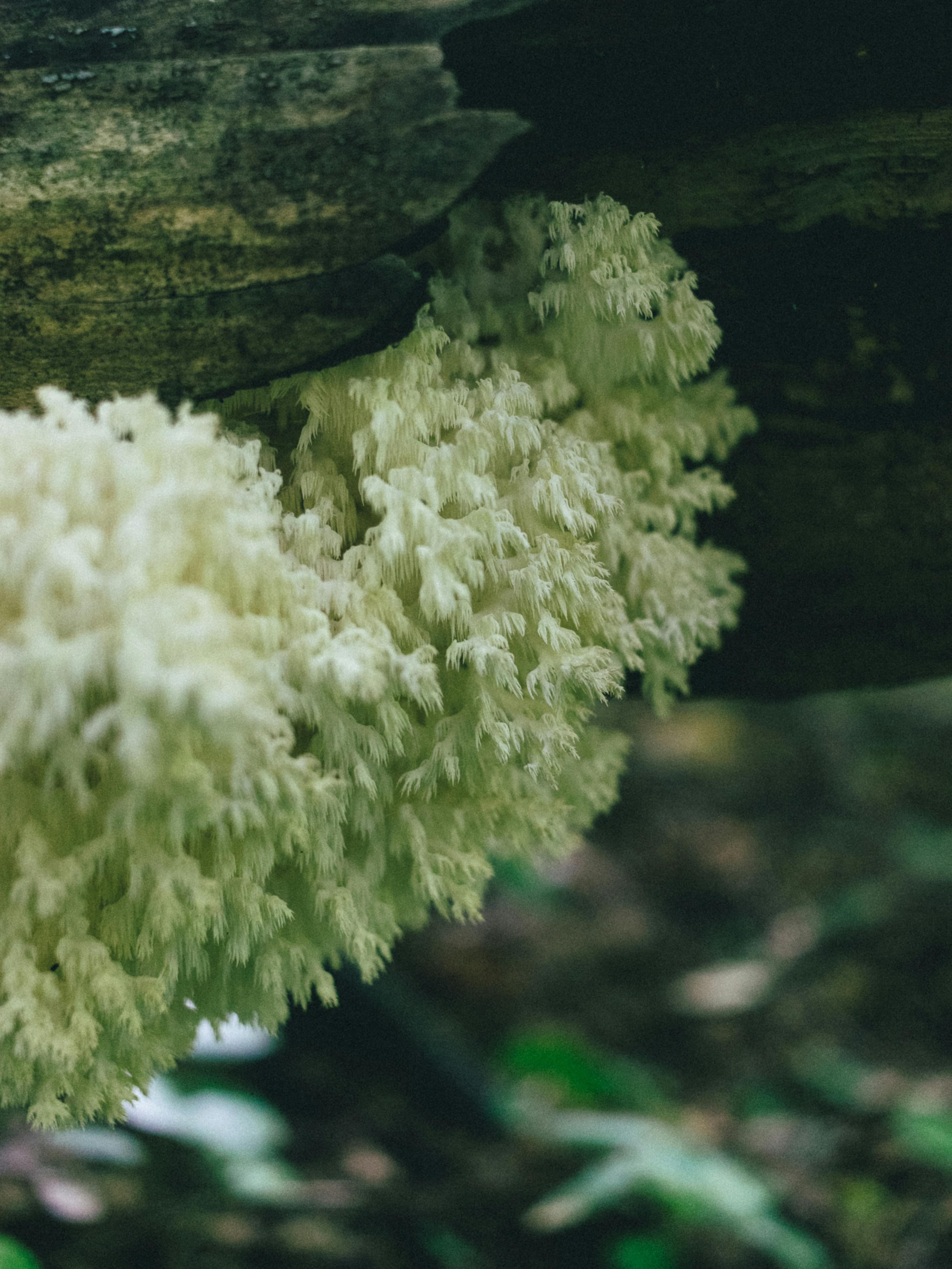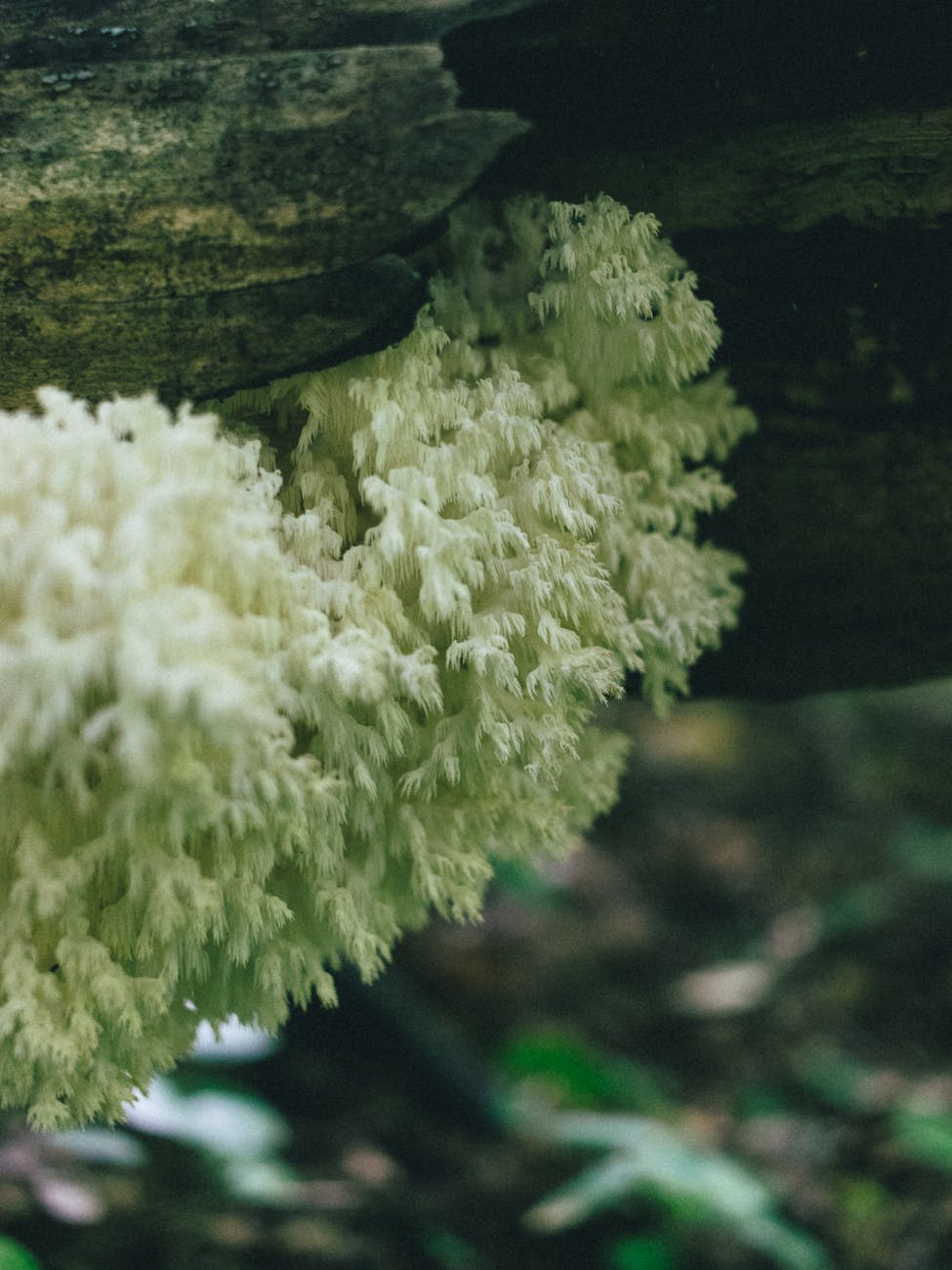
Lion's mane and memory: what human trials actually show
Lion's mane and memory claims look bigger than the evidence. Human trials show mixed, mostly small effects, with the clearest signals in impairment.
Does lion’s mane actually help memory? The short answer is still no, not in the broad way supplement labels suggest. Small human trials on Hericium erinaceus have produced a few encouraging signals, but the evidence is patchy and mostly task-specific.
That is the picture in Arya Menon and colleagues’ 2025 systematic review in Frontiers in Nutrition, which gathered 26 studies on lion’s mane, from human trials to lab work and case reports. The review does not show a useless supplement. It shows an early evidence base that still depends heavily on formulation, patient group and the outcome a study happened to test.
Memory is only one part of cognition, which also covers attention, processing speed, executive control and recall. A narrow shift on one lab task is not the same as proving that a healthy person will feel sharper in ordinary life.
The review is the best starting point
Menon et al.'s 2025 review found some positive results in people with mild cognitive impairment, or MCI, but mixed and often null findings in healthy adults. Even the pooled Mini-Mental State Examination, or MMSE, signal came from a small slice of the evidence rather than a large, decisive trial base.
The authors were blunt:
“HE, as a dietary supplement, shows limited effectiveness in clinical trials.”
— Menon et al., Frontiers in Nutrition (2025)
That is still the cleanest summary. There is enough human evidence to take the mushroom seriously. There is not enough to call it proven memory support for the general population.
Healthy adults have mostly seen narrow or null effects
In Sarah Docherty and colleagues’ 2023 pilot study in Nutrients, 41 healthy young adults took 1.8 g of lion’s mane daily for 28 days in a double-blind design. The paper reported faster performance on a Stroop task and a trend toward lower subjective stress. It did not show a broad gain in memory.
Docherty et al. said as much:
“the findings tentatively suggest that Hericium erinaceus may improve speed of performance and reduce subjective stress”
— Docherty et al., Nutrients (2023)
The 2025 placebo-controlled study in Frontiers in Nutrition was even more restrained. Shelini Surendran and colleagues gave 18 healthy younger adults a 3 g fruiting-body extract and found no significant improvement in composite global cognition or mood at 90 minutes. Pegboard performance improved. The broader claim did not.
Surendran et al. wrote:
“no significant effect of the H. erinaceus fruiting body extract for composite measures of global cognitive function and mood”
— Surendran et al., Frontiers in Nutrition (2025)
Those trials are why the phrase memory support needs a hard look. A supplement can move a narrow lab measure and still fail the everyday test most buyers care about.
The more interesting signal is in impairment
The Mori et al. 2009 trial in Phytotherapy Research followed 31 adults with mild cognitive impairment and found improvement on one cognitive measure during treatment. After treatment stopped, the gains faded.
A later pilot study in Frontiers in Aging Neuroscience looked at erinacine A-enriched mycelia in people with early Alzheimer’s disease. In the 2025 review, that study helped support the narrower idea that lion’s mane may be more relevant in disease-spectrum patients than in healthy younger adults. It was still a pilot study. Small, preliminary, and nowhere close to a final answer.
That distinction matters. A result in MCI or early Alzheimer’s disease does not mean a healthy 28-year-old taking a capsule before work should expect better recall next month.
Formulation keeps changing from study to study
Researchers have not all studied the same intervention. Some trials use fruiting-body extract. Others use mycelia. Some standardize for compounds such as erinacine A. Others test commercial preparations with different extraction methods, doses and treatment lengths.
That is why the 2024 Journal of Functional Foods pilot study should not be read as a verdict on every product sold online. Černelič Bizjak and colleagues tested an erinacine A-enriched preparation for eight weeks and reported improvement on a speed-based cognition measure, along with changes in gut microbiota diversity that correlated with neuropeptide Y.
Human trials have also used different amounts, from 1.8 g daily in healthy young adults to an acute 3 g dose in another study. Those are study details, not a dosing recommendation. Anyone considering a supplement for memory concerns should consult a doctor before starting, especially if symptoms could reflect sleep loss, depression, medication effects or an underlying neurological condition.
The practical answer in 2026
For a healthy adult chasing a broad memory boost, the evidence is still too thin for certainty. Lion’s mane is not pure fantasy. It also has not been proved to reliably improve memory in everyday life.
The better question is narrower: can a well-characterized extract help people with MCI or early neurodegenerative disease on specific outcomes in a trial big enough to trust? That is still open.
What better studies would need
The next wave of studies needs larger samples, pre-registered outcomes and formulations described well enough for another lab to reproduce. Follow-up after treatment stops matters too, because the 2009 MCI trial hinted that any benefit may fade once supplementation ends.
References
- Menon A, Jalal A, Arshad Z, et al. Benefits, side effects, and uses of Hericium erinaceus as a supplement: a systematic review. Frontiers in Nutrition. 2025. https://www.frontiersin.org/journals/nutrition/articles/10.3389/fnut.2025.1641246/full
- Docherty S, Doughty FL, Smith EF. The acute and chronic effects of Lion’s Mane mushroom supplementation on cognitive function, stress and mood in young adults: a double-blind, parallel groups, pilot study. Nutrients. 2023. https://www.mdpi.com/2072-6643/15/22/4842
- Surendran G, Saye J, Binti Mohd Jalil S, et al. Acute effects of a standardised extract of Hericium erinaceus on cognition and mood in healthy younger adults: a double-blind randomised placebo-controlled study. Frontiers in Nutrition. 2025. https://www.frontiersin.org/journals/nutrition/articles/10.3389/fnut.2025.1405796/full
- Černelič Bizjak M, Jenko Pražnikar Z, Kenig S. Effect of erinacine A-enriched Hericium erinaceus supplementation on cognition: a randomized, double-blind, placebo-controlled pilot study. Journal of Functional Foods. 2024. https://www.sciencedirect.com/science/article/pii/S1756464624001221
- Mori K, Inatomi S, Ouchi K, et al. Improving effects of the mushroom Yamabushitake (Hericium erinaceus) on mild cognitive impairment: a double-blind placebo-controlled clinical trial. Phytotherapy Research. 2009. https://doi.org/10.1002/ptr.2634
- Li I, Chang HH, Lin CH, et al. Prevention of early Alzheimer’s disease by erinacine A-enriched Hericium erinaceus mycelia pilot double-blind placebo-controlled study. Frontiers in Aging Neuroscience. 2020. https://doi.org/10.3389/fnagi.2020.00155
The Vitalspell brief
Evidence-based supplement science — weekly in your inbox.
Subscribe