What the Ozempic Reddit study can and cannot tell us
The Ozempic Reddit side effects study mined more than 400,000 posts and surfaced symptom patterns worth investigating, but it cannot prove causation.
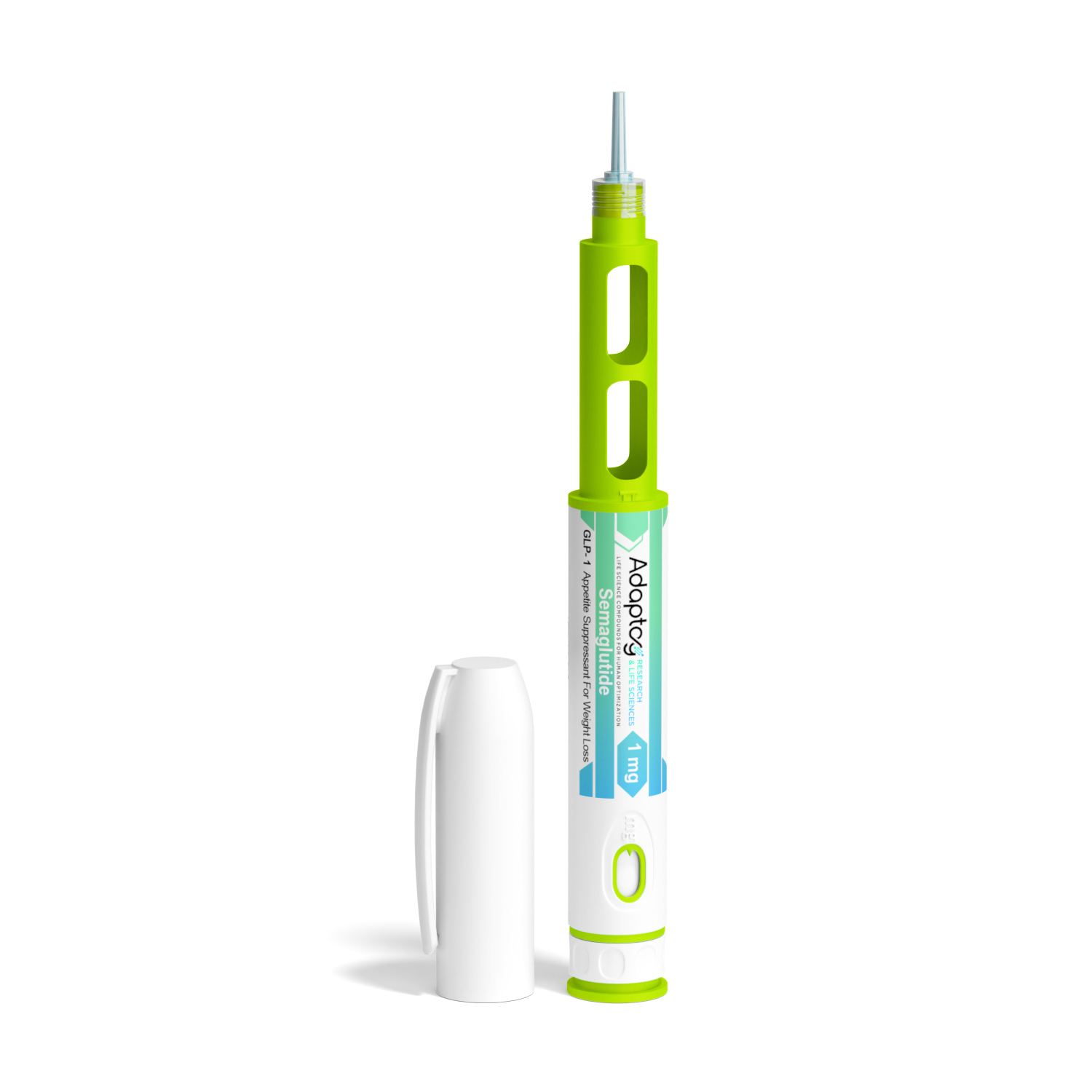
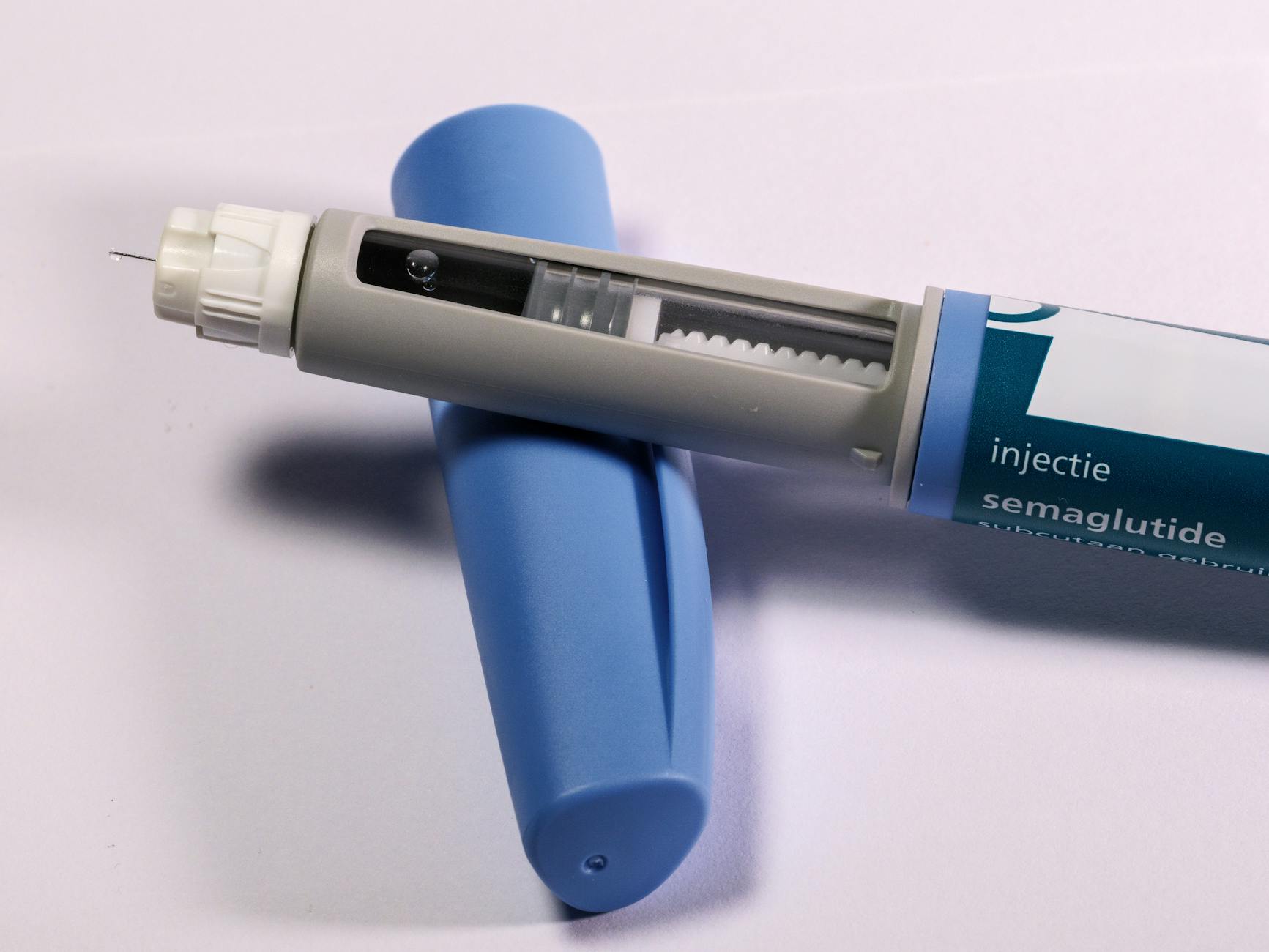
A 2026 Nature Health paper mined 410,198 Reddit posts about semaglutide and tirzepatide, the GLP-1 drugs sold as Ozempic, Wegovy, Mounjaro and Zepbound, and surfaced recurring complaints that ranged from predictable nausea to less-discussed symptoms such as menstrual changes, chills, hot flashes and fatigue. The paper is useful. It is also easy to oversell. What it offers is a large map of patient chatter, not proof that these drugs newly cause every symptom people mention online.
That distinction matters because GLP-1 drugs are now used at a scale that formal trials were never designed to mirror perfectly. Once a medicine moves from a tightly run study into ordinary life, patients notice things that do not always make it cleanly into adverse-event tables. But a subreddit is not a clinic. Exposure is self-reported, symptoms are not medically adjudicated, and the people most motivated to post are often the ones having a rougher experience.
For readers, then, the strongest version of the claim is narrower than the viral headline. Social-media mining may help researchers spot hypotheses worth testing, especially for symptoms that patients discuss in plain language but trials may not query in the same way. It does not show that Ozempic or Mounjaro have now been proven to cause menstrual irregularities or hot flashes.
What the Reddit study actually found
In the study, first author Neil K. R. Sehgal and colleagues analysed posts from 67,008 users who self-reported taking semaglutide or tirzepatide. About 43.5 percent mentioned at least one side effect. Nausea was the most common, appearing in 36.9 percent of side-effect reports, which matters because it is already a well-established GLP-1 complaint. More novel signals, including menstrual changes, appeared far less often. The point was not that every rare symptom suddenly became confirmed. The point was that recurrent patient language could be gathered at a scale that older pharmacovigilance methods often miss.
Senior author Sharath Chandra Guntuku stressed, in Inside Precision Medicine, that the system was at least detecting a known benchmark:
Some of the side effects we found, like nausea, are well known, and that shows that the method is picking up a real signal.
— Sharath Chandra Guntuku, Inside Precision Medicine
Known nausea matters for another reason. If a model can pick up a side effect that randomized trials and drug labels already capture, it becomes more credible as a signal-detection tool. Still, the jump from “people keep mentioning this” to “the drug causes this” remains large. Frequency of discussion is not the same thing as incidence, and incidence is not the same thing as mechanism.
Menstrual changes sit in that harder category. They may be real and important to patients, yet they are also the kind of symptom that can be muddied by rapid weight loss, changing insulin resistance, shifts in food intake, polycystic ovary syndrome, perimenopause or concurrent hormonal treatment. A free-text social-media study can surface that cluster. It cannot untangle it.
Why patient posts can help and mislead at the same time
The Penn Medicine write-up framed the project as a way to close the gap between what people say in daily life and what standard reporting systems capture. That is plausible. Free-text posts let people describe symptoms in their own words, without waiting for a trial form to ask the exact right question. For pharmacovigilance, that is potentially valuable.

Even so, the design carries obvious blind spots. Social-media data cannot tell clinicians how common a symptom truly is among all users, whether one drug formulation is more implicated than another, or whether a symptom would have happened anyway because of weight loss, calorie restriction, changing blood sugar control, hormone shifts or another medicine taken at the same time. The paper can surface co-occurrence. It cannot settle causation.
Sehgal put that limit plainly in News-Medical:
We can’t say that GLP-1s are actually causing these symptoms.
— Neil K. R. Sehgal, News-Medical
Consider what is missing from a Reddit-derived signal. There is no clean denominator, no confirmation that a user actually took the drug exactly as described, no standardized definition of fatigue or hot flashes, and no way to know how long a symptom lasted unless a poster volunteers that detail. Some complaints may be undercounted because people find them embarrassing. Others may be overcounted because dramatic experiences spread faster than uneventful ones. Both biases matter.
That is why claims about “hidden Ozempic side effects” need a cooler reading. Sometimes a symptom is absent from a headline trial summary because it is rare, inconsistently reported, or driven by the physiology of obesity treatment rather than the drug molecule alone. Sometimes it is missing because nobody thought to measure it properly. This paper cannot tell readers which explanation wins. It can only argue that the question deserves better follow-up.
What the trial literature already captures
Randomized evidence looks different. In a 2026 systematic review and meta-analysis in Cardiovascular Diabetology. Endocrinology Reports, Peter and colleagues pooled 11 placebo-controlled cardiovascular outcome trials covering 91,490 participants on GLP-1 receptor agonists. Gastrointestinal adverse effects were consistently more frequent, but the review did not find a material increase in severe hypoglycaemia or acute pancreatitis. That is the sort of dataset that can estimate rates, compare groups and support a safety profile.
Trial tables have their own limits, of course. They compress experience into pre-specified categories, and they are usually powered to answer efficacy and major safety questions, not every diffuse symptom a patient might mention at home. That is where a study like the Reddit paper becomes interesting. It scans the messy edges of real-world experience that formal trials can smooth over.
As Sehgal said in Medscape, the motivation was the mismatch between lived experience and structured datasets:
This gap between what patients are self-reporting online and what gets captured in trials is really what motivated this whole line of work.
— Neil K. R. Sehgal, Medscape
The bridge between those worlds is follow-up work. If future cohort studies or prospective trials specifically track menstrual symptoms, thermoregulation complaints or unusual fatigue in GLP-1 users, then social-media mining will have done its job by helping frame the question earlier. If those signals disappear under tighter methods, that matters too. Negative clarification is still clarification.
What readers should do with this paper
Patients should read this paper as a prompt, not an alarm. It is not a reason to stop a prescribed GLP-1 drug or to assume that every new symptom is drug-driven. It is a reason to document persistent changes carefully and bring them to a clinician, who can weigh timing, dose escalation, other medications and the underlying condition being treated. Better reports, filed through clinicians and formal safety systems, are still far more useful than a comment thread.
Researchers and regulators should read it differently. Millions of people now discuss medications in public, searchable language. Mining that material will not replace trials, registries or adjudicated adverse-event databases. It may, however, help point those systems toward questions they would otherwise ask too late.
Put plainly, the Ozempic Reddit study found signals worth watching. That is enough to matter. It is not enough to count as proof.
References
- Sehgal NKR, Guntuku SC, Tronieri JS, et al. Self-reported side effects of semaglutide and tirzepatide in online communities. Nature Health. 2026. https://doi.org/10.1038/s44360-026-00108-y
- Peter K, Roka O, Sepp E, et al. The long-term cardiovascular safety and efficacy of glucagon-like peptide-1 receptor agonists in high-risk cardiovascular populations: a systematic review and meta-analysis. Cardiovasc Diabetol Endocrinol Rep. 12(1):36. 2026. https://doi.org/10.1186/s40842-026-00295-3
General assignment health reporter covering nutrition science, wellness trends, and clinical research. Reports from Toronto.
The Vitalspell brief
Evidence-based supplement science — weekly in your inbox.
Subscribe