Motherhood changes the brain, but not in one neat way
Pregnancy brain changes may reflect adaptation, not decline, as 2026 mouse data and human MRI studies trace reward circuits, bonding and remodelling.
The insult usually gets there before the science. Someone blanks on a word, misses an appointment or finds a charger under a pile of muslin cloths, and the old phrase appears: mummy brain. A 2026 Science Advances study by Michael Perkinson and colleagues points to a better question. What is pregnancy asking the brain to learn? In mice, part of the answer sits in a hormone-sensitive circuit that helps make newborn care feel rewarding.
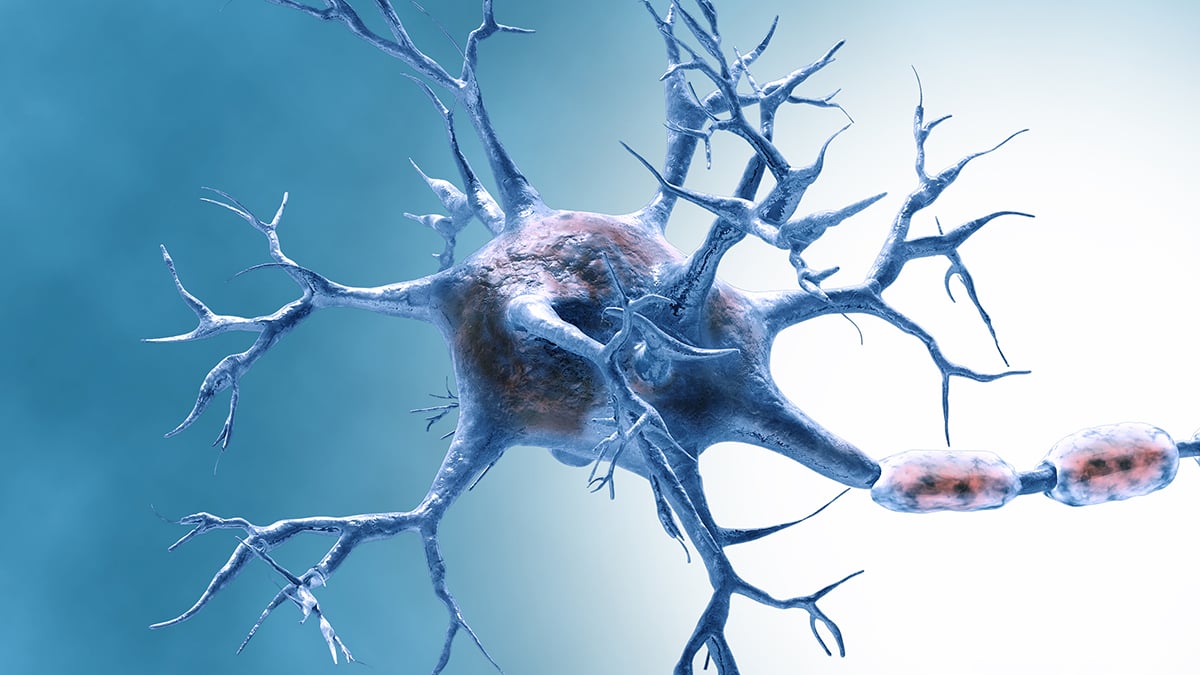
Perkinson, Rosie Brown and Jenny Clarkson are not describing a magical maternal switch. Their claim is smaller and more useful. During late pregnancy and lactation, prolactin and placental lactogen interact with neurons in the medial preoptic area, a hypothalamic hub already tied to parental behaviour. Those neurons appear to route infant cues into dopamine-linked reward pathways, so feeding, retrieving and grooming pups become more salient, and more likely to be repeated.
A skeptical reading begins in a messier room. Sarah Hellewell’s recent ABC analysis argued that much of what people call baby brain also looks like sleep deprivation, overload and stress. Human motherhood does not start in a clean cage. Often it arrives with recovery from labour or surgery, feeding trouble, medical appointments, family pressure, financial admin and the strange new vigilance of keeping a tiny human alive.
Placed beside the strongest human pregnancy MRI research and a newer 2025 longitudinal study, the mouse paper gives the field a mechanism, not a verdict. One piece of the maternal-brain story becomes sharper. Pregnancy can change the brain for years, but the changes look less like decline than adaptation under load.
What the new mouse study actually found
Perkinson’s team focused on the medial preoptic area, a small brain region that has been linked to parental behaviour for decades. In the Science Advances paper, the Otago researchers traced prolactin-receptive neurons from that region into reward circuitry. Activate the pathway, and pup-directed care increased. Block it, and care fell away.

Mechanism is what makes the study more than another round of hormone talk. Prolactin has long been associated with lactation and parental behaviour; placental lactogen rises during pregnancy. A hormone name alone does not explain much. The sharper claim is anatomical. These signals may change the value the brain assigns to infant cues, instead of simply bathing the body in a vague maternal state.
In a summary accompanying the work, Perkinson put the result plainly:
When we artificially activated this part of the brain, mice that had never had pups suddenly acted like devoted new mothers.
Michael Perkinson, Mirage News
That line travels easily because postpartum mental health sits close to the subject. If infant cues can lose reward value, the idea offers a plausible route into why bonding might feel effortful for some parents. Still, the study did not diagnose postpartum depression. Nor did it show that adjusting prolactin or dopamine in people would solve it. Even the researchers’ own explainer in The Conversation stays careful there. Conserved reward pathways make the mouse result relevant to humans. Relevance is not proof.
Human scans show movement, not simple loss
Human evidence starts with repeated scans, not acute circuit manipulations. In 2017, Elseline Hoekzema and colleagues reported in Nature Neuroscience, first pregnancy was followed by durable grey-matter changes in regions involved in social cognition. Damage was not the frame. Those changes predicted aspects of postpartum attachment and, in follow-up work discussed in later reporting on the field, some signatures could still be detected years later.
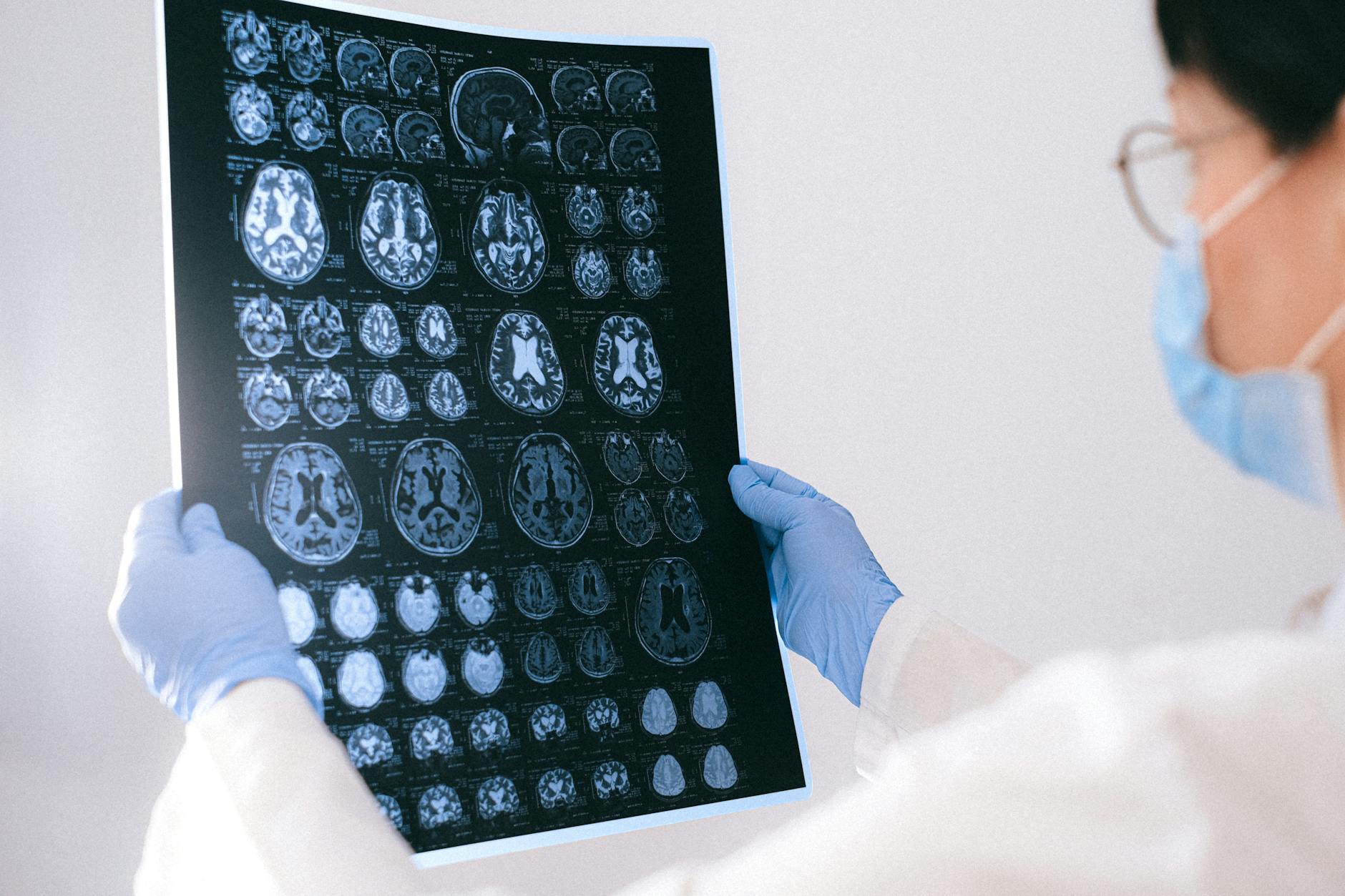
Carmona’s 2025 study made that picture less linear. Susana Carmona’s team reported in Nature Communications that human brain structure across pregnancy and postpartum follows a U-shaped trajectory tied to hormone shifts and maternal attachment. Tissue measures moved, then partly recovered. No simple march toward one endpoint appeared. The brain was reorganising across time.
Another clue came this month from reporting on a study that followed 110 women through a second pregnancy. The striking part was not that the brain changed again. A second pregnancy did not simply replay the first. That fits poorly with the stereotype, but well with a living system shaped by different endocrine histories, births and home lives.
Timelines matter here. A single-subject MRI project collected 26 scans across pregnancy and postpartum. Other explainers have pointed to pregnancy-linked signatures visible up to six years after birth. None of that proves pregnancy leaves one permanent mark. It does argue against the neat before-and-after cartoon.
Emily Jacobs and other researchers in this field have spent years resisting the assumption that structural change must mean loss. In biology, pruning can be part of specialisation. Adolescence works that way. Learning does too. Pregnancy may be doing something adjacent: reshaping networks involved in social attention, salience and attachment, while everyday cognition gets judged inside the noisier reality of new parenthood.
Why the old baby-brain story misses the point
Baby brain imports the wrong metaphor. It suggests a mind that has misplaced something. Newer evidence points instead to a brain reallocating effort, sometimes efficiently and sometimes painfully, under conditions that would leave many people frayed.

Public discussion is starting to catch up. In New Scientist’s coverage of recent parenting-brain research, Craig Boylan said the field is moving away from the idea that the maternal brain is diminished:
It’s dispelling outdated notions of ‘mummy brain’ as being dysfunctional or inadequate, and instead portraying the maternal brain as one capable of continual adaptation.
Craig Boylan, New Scientist
That distinction is practical, not semantic. Once every forgotten appointment is filed under mummy brain, obvious drivers of fog become easier to miss: fragmented sleep, medication changes, feeding anxiety, planning load and the constant low-level alarm of caring for an infant. Hellewell’s explainer makes the case directly. The fog can be real even if a tidy hormone-first explanation is not.
A wider caregiving frame complicates the picture further. Recent reporting on fathers’ brain and hormone changes suggests that intensive care can reshape attention and biology beyond pregnancy alone. Gestation still brings a unique endocrine upheaval. Parenthood, though, may recruit different routes into care rather than exposing a simple maternal defect with a catchy name.
The longer story is adaptation with memory
Recent papers in the field carry a more provocative idea: motherhood may leave molecular memory. A 2026 Nature paper described dopamine-driven remodelling that persisted 49 days postpartum in mice, with hippocampal changes linked to long-term maternal behaviour. Reproductive experience did not look like a switch that flips on at birth and shuts off at weaning.

Earlier this year, Nature’s news coverage of that paper described matrescence as a biological transition with a longer half-life than ordinary conversation admits. The new Science Advances paper belongs to that turn. Maternal behaviour is not treated as instinct appearing from nowhere. Instead, the model is layered: endocrine signals prime circuits, reward pathways reinforce care, repeated experience remodels tissue, and the surrounding environment helps decide whether the adaptation is sustainable.
Clinical implications remain speculative, but the timeline matters. If maternal circuits are being sensitised and reinforced across pregnancy and early postpartum, then bonding disorders or mood symptoms may be better understood as disturbances in an adaptive system, not as generic cognitive failure. Sleep loss, pain, inflammation, isolation and stress could all interfere with a brain already in recalibration.
Plenty remains unknown. Mouse circuitry is precise; human motherhood is messier, slower and more social. MRI studies can show correlation without giving the full causal script. Declaring the mystery solved would be the wrong lesson. A narrower lesson is safer: neuroscience is now precise enough to retire some bad myths.
For readers, that conclusion is less tidy and more humane than the slogan. Pregnancy appears to change the brain in ways that can support bonding, vigilance and care. Some changes are measurable in circuits, some in scans, some only in behaviour. None means every lapse is decline. None means biology overrides sleep, stress or support. Motherhood is not one hormone, one scan or one stereotype. It is a long negotiation between endocrine biology and lived life, and the science is only beginning to show the terms.
References
- Perkinson M, Clarkson J, Brown R, et al. A prolactin-receptive neural circuit drives maternal interactions with pups in mice. Science Advances. 2026. https://www.science.org/doi/abs/10.1126/sciadv.ady6498
- Hoekzema E, et al. Pregnancy leads to long-lasting changes in human brain structure. Nature Neuroscience. 2017. https://www.nature.com/articles/nn.4458
- Carmona S, et al. Pregnancy entails a U-shaped trajectory in human brain structure linked to hormones and maternal attachment. Nature Communications. 2025. https://www.nature.com/articles/s41467-025-55830-0
- Dopamine drives persistent remodelling of the maternal brain. Nature. 2026. https://www.nature.com/articles/s41586-026-10509-4
The Vitalspell brief
Evidence-based supplement science — weekly in your inbox.
Subscribe