
Perimenopause heart risk may rise before menopause ends
Perimenopause heart risk may start climbing before menopause is complete, with new data tying the transition to worse lipid and glucose scores.
A new analysis suggests perimenopause may be one of the best moments to check heart risk. Not because menopause suddenly causes heart disease, but because cholesterol and blood sugar can start moving in the wrong direction before periods stop altogether. In a 2026 Journal of the American Heart Association analysis by Amrita Nayak and colleagues, researchers found that women in perimenopause had the highest age-adjusted odds of poor overall cardiovascular health on Life’s Essential 8, the American Heart Association score that combines diet, physical activity, nicotine exposure, sleep, body weight, blood pressure, blood lipids, and blood glucose.
The paper cannot show that perimenopause itself caused those changes. It was observational: a look at patterns in a large US survey, not a test of an intervention. Even so, it sharpens a concern cardiologists have raised for years. The menopausal transition may be the point when prevention matters most, especially for lipids and glucose rather than only symptoms such as hot flashes.
What the new study actually found
The authors analysed 9,248 women in NHANES from 2007 through 2020 and grouped them as premenopausal, perimenopausal, or postmenopausal. Median Life’s Essential 8 scores fell across those stages, from 73.3 to 69.1 to 63.9. After adjusting for age, perimenopause stood out. Compared with premenopausal women, that group had 1.92 times the odds of a poor overall score, 1.76 times the odds of a poor lipid score, and 1.83 times the odds of a poor glucose score.
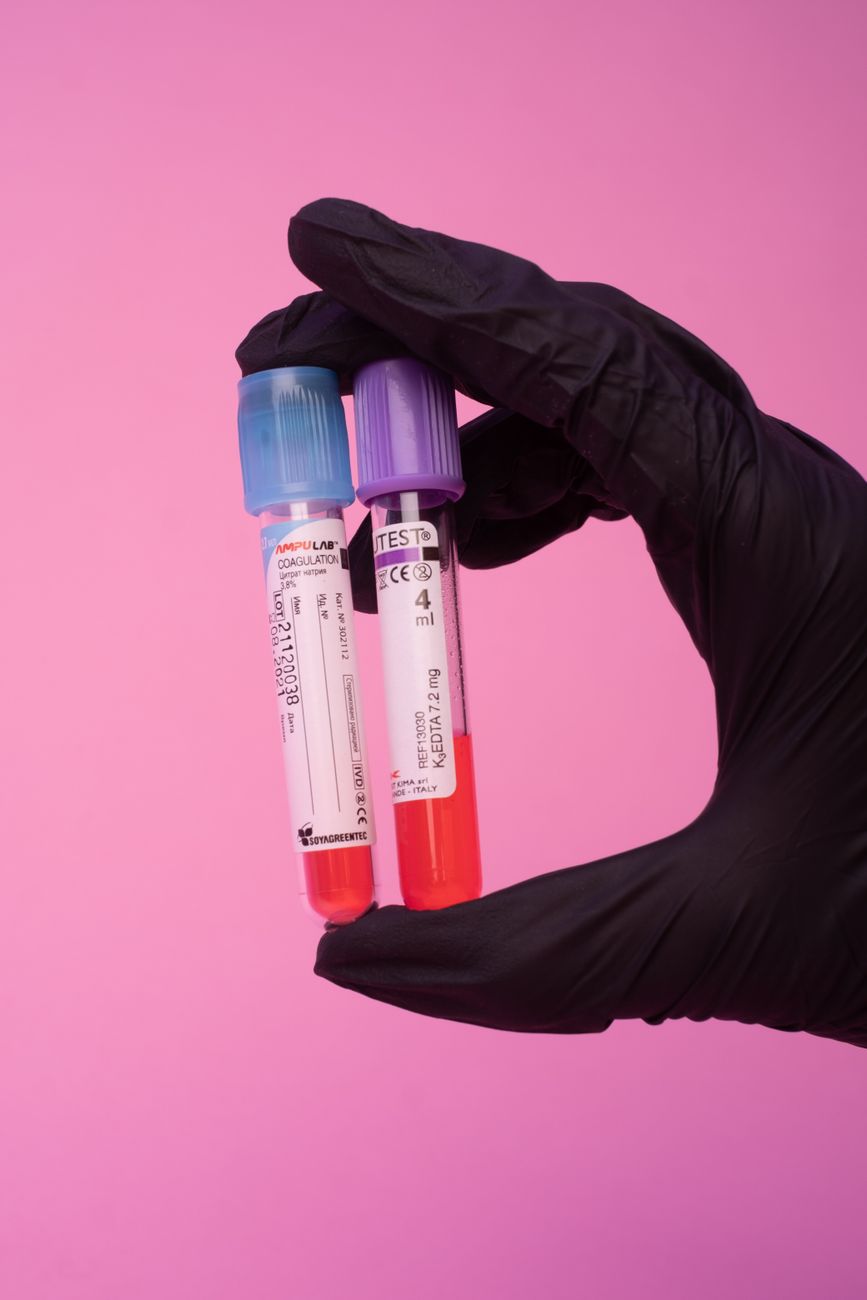
The point is timing. These markers seem to worsen during the transition, not only after it. That is why the paper matters for women who may not yet think of themselves as postmenopausal.
In the American Heart Association’s summary of the paper, senior author Garima Arora put it in clinical terms:
“It may be the perfect time to get a baseline for their heart health.”
— Garima Arora, American Heart Association newsroom
For readers, baseline means the plain measurements that often get delayed: a lipid panel, a fasting glucose or A1c check when appropriate, blood pressure, sleep, weight trends, and family history. The study does not say every woman in perimenopause is suddenly high-risk. It suggests this is the stage when risk can become easier to miss if nobody is checking.
Why perimenopause could be a distinct heart-risk window
Perimenopause is the stretch before menopause becomes final, when hormone levels fluctuate and menstrual cycles turn irregular. Estrogen is part of the story, but the useful clinical point is broader. The transition often overlaps with shifts in body-fat distribution, insulin sensitivity, and cholesterol handling. A 2022 review by Kamila Ryczkowska and colleagues in Archives of Medical Science argued that the menopausal transition is a period of rising cardiovascular risk, while also noting that women are often underdiagnosed and may underestimate that risk themselves.
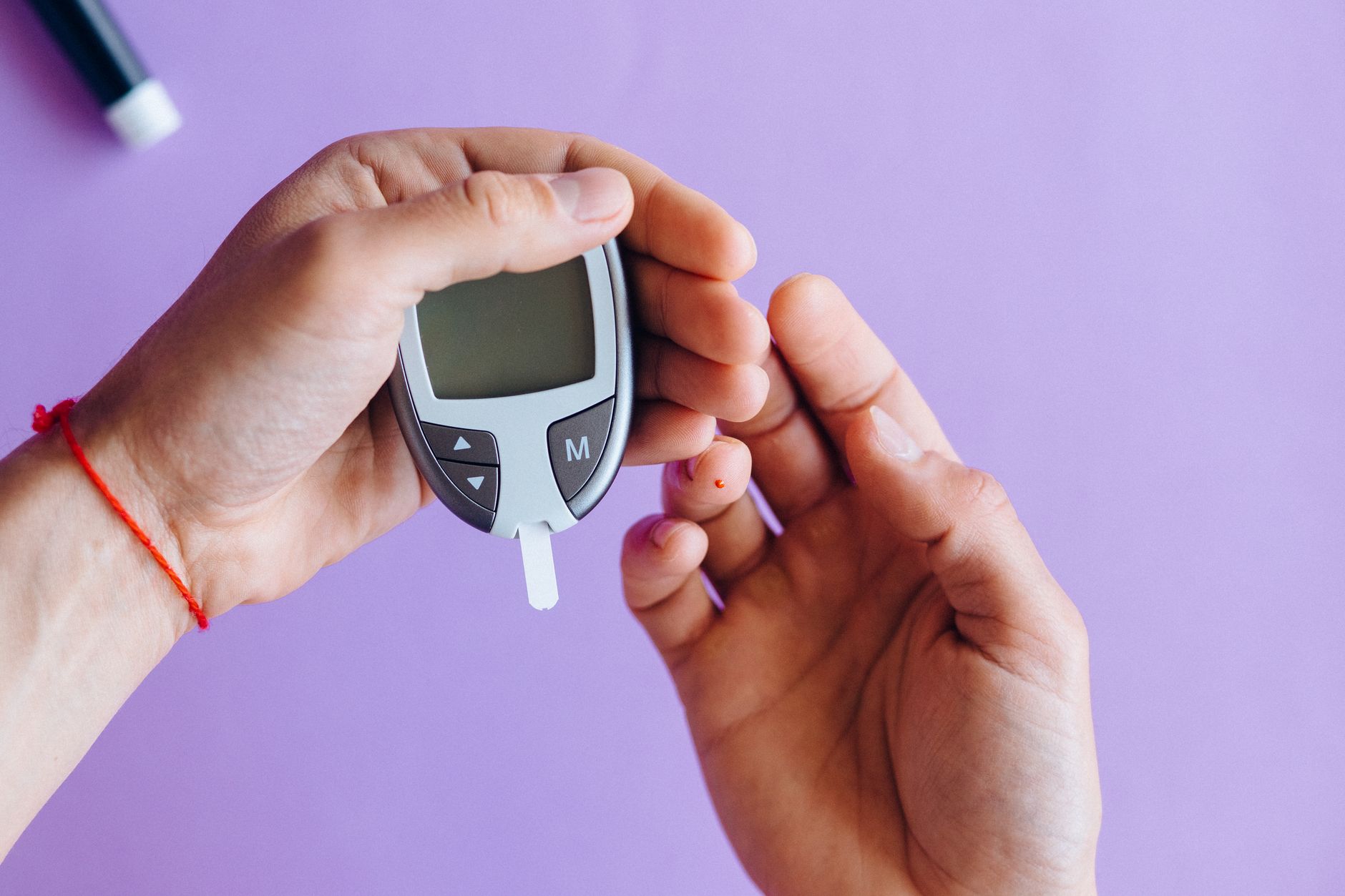
That broader biology lines up with the weak points in the new paper. The biggest age-adjusted problems were in lipids and glucose, not just in the summary score. Healthline’s reporting on the study included outside cardiologist Jennifer Wong, who described the metabolic shift this way:
“During perimenopause, women commonly experience adverse metabolic changes, including worsening lipid profiles, increased insulin resistance, and greater accumulation of visceral adiposity.”
— Jennifer Wong, Healthline
The quote should not be stretched into a claim that every metabolic change is inevitable, or that hormones act alone. Age, smoking, exercise, diet quality, medication use, socioeconomic factors, and pre-existing conditions all shape cardiovascular risk. Still, the paper helps narrow the discussion. Rather than a vague message about heart health after menopause, it points to the transition itself as the moment when metabolic screening may have the most leverage.
What women should do with this information
The study is not a treatment guide, and it cannot tell readers which intervention works best. What it can do is sharpen the timing question. If someone is entering perimenopause, it is reasonable to treat that stage as a cue to review the metrics most tied to long-term risk instead of waiting until menopause is complete.
In practice, that means asking whether recent labs actually exist, not assuming one normal blood-pressure reading settles the issue, and paying attention to the parts of Life’s Essential 8 that are easiest to lose track of in midlife: sleep, physical activity, blood lipids, and glucose. For women who already have a history of gestational diabetes, hypertension, polycystic ovary syndrome, smoking, or a strong family history of cardiovascular disease, the case for earlier screening is stronger.
The paper also helps separate useful advice from generic menopause content. The signal here is not to buy a supplement or try to fix hormones naturally. It is that a common life stage appears to coincide with measurable shifts in cardiometabolic risk markers. That makes standard prevention tools more relevant: discussing cholesterol and glucose results with a clinician, checking whether sleep disruption or weight change is becoming chronic, and making room for interventions with actual cardiovascular evidence behind them.
The same AHA summary that highlighted the study’s results also included a reminder from Stacey E. Rosen that women can take proven steps to improve their cardiovascular health at all ages. It is a less dramatic conclusion than much menopause coverage offers. It is also the one the evidence supports.
What to watch next
The key unanswered question is whether treating perimenopause as a screening trigger actually changes outcomes. This study identified a pattern in survey data. The next step is more specific research on which interventions work best during the transition, for whom, and how early screening should begin.
For now, the practical takeaway is narrower than the headlines and more useful. Perimenopause may be the stage when heart risk becomes newly visible, especially in lipids and glucose. That does not make the transition dangerous by default. But waiting until menopause is over could mean missing the most actionable part of the window.
References
- Nayak A, Pampana A, Gaonkar M, et al. Cardiovascular health characterization using Life’s Essential 8 score in perimenopausal women: an analysis of the National Health and Nutritional Examination Survey. Journal of the American Heart Association. 2026. https://www.ahajournals.org/doi/10.1161/JAHA.125.046898
- Ryczkowska K, Adach W, Janikowski K, et al. Menopause and women’s cardiovascular health: is it really an obvious relationship? Archives of Medical Science. 2022. https://pubmed.ncbi.nlm.nih.gov/37034510/
The Vitalspell brief
Evidence-based supplement science — weekly in your inbox.
Subscribe