Vitamin B12 and folate fatigue study: clue, not diagnosis
Vitamin B12 and folate fatigue links appeared in 602 healthy adults, but the 2026 study cannot prove deficiency caused tiredness.
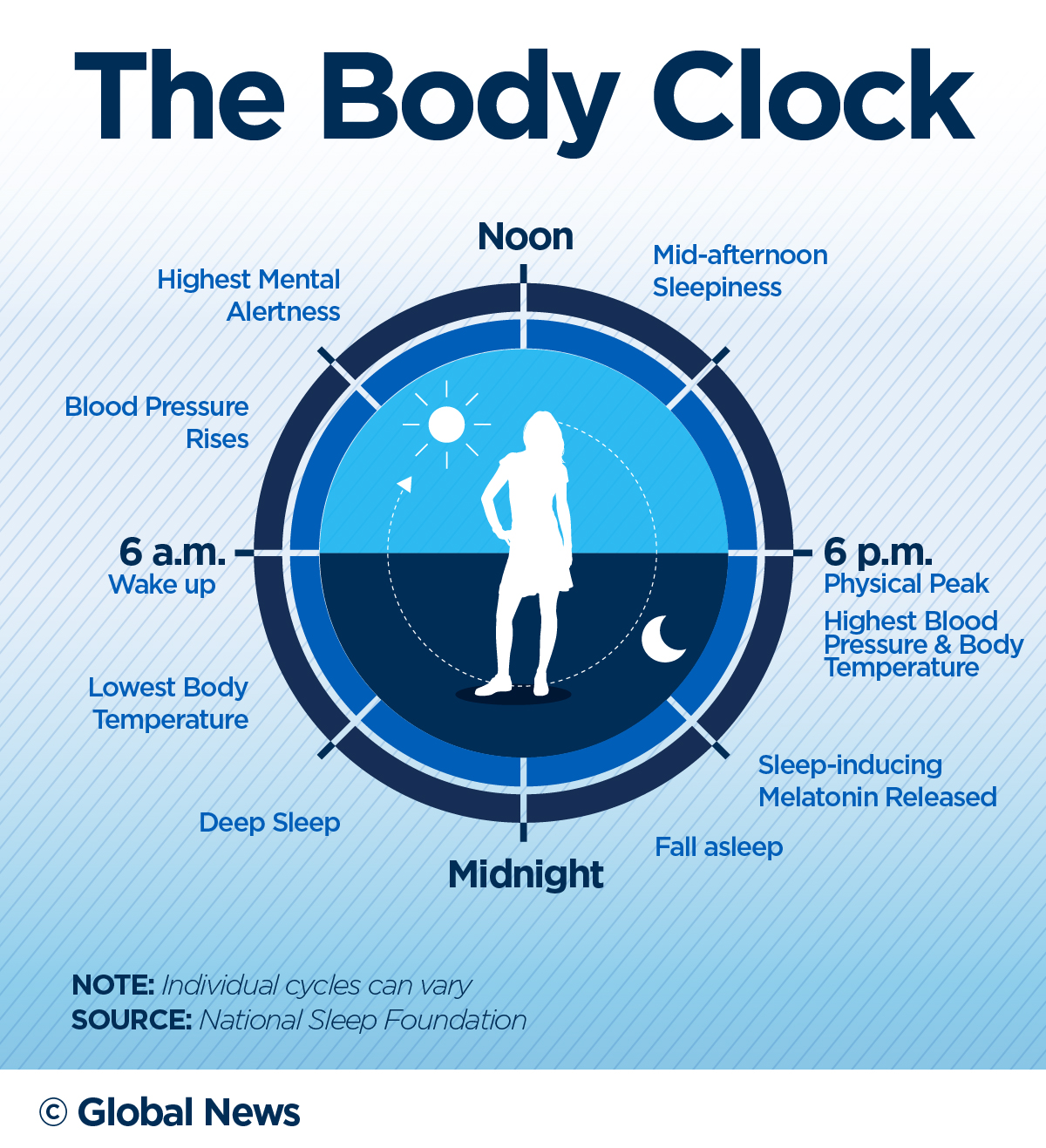
A tired morning is usually easy to blame on something ordinary. A short night. A late screen. Not enough coffee. Then there are the mornings when none of those explanations quite fit, and the day starts with a heaviness that feels harder to name.
The public news peg came through a ScienceDaily summary, but the sturdier source is the paper itself. A new Nutrients paper by Hiroaki Kanouchi and colleagues gives that familiar feeling a biochemical lead to follow, not a diagnosis. In 602 healthy Japanese adults, higher blood homocysteine, a marker that can rise when vitamin B12 or folate status is lower, tracked with more physical fatigue in men and lower motivation in women.
The caveat belongs up front. This was a cross-sectional study: blood markers and fatigue scores were measured once. The design can show that two things appeared together. It cannot show that low B12 or folate caused the tiredness, and it cannot show that taking a supplement would fix it.
Osaka Metropolitan University described the result as an early clue rather than a treatment claim. Lead author Hiroaki Kanouchi put it carefully:
This suggested relationship between vitamin B12, folate, and fatigue in healthy individuals may represent the first report of its kind.
Hiroaki Kanouchi, Osaka Metropolitan University
What the study actually measured
The researchers analyzed 204 men and 398 women living in the community, not patients recruited for diagnosed vitamin deficiencies or chronic fatigue syndrome. Participants had blood drawn for homocysteine, vitamin B12 and folate. They also completed fatigue and motivation measures, including the Chalder Fatigue Scale and a visual analog scale for motivation.
Homocysteine is an amino acid made during normal metabolism. B12 and folate help recycle it through one-carbon metabolism, the network cells use to move small chemical units around for DNA, red blood cell and nervous-system functions. When B12 or folate is low, homocysteine can rise. It is not a perfect deficiency test, but it can point toward a problem that deserves a closer look.
In this sample, higher homocysteine tertiles were linked with lower serum folate and vitamin B12 in both sexes. Among men, the highest homocysteine group had a physical-fatigue score 1.55 points higher on the Chalder scale than the lowest group. Among women, the highest homocysteine group had a motivation score 3.274 points lower on the visual scale than the lower groups.
Those numbers are modest, and they came from a healthy population. They still matter because fatigue often sits in a messy zone. Lifestyle, mood, sleep, iron status, thyroid disease, infection, medication effects and nutrient status can all look similar from the inside. A marker tied to B12 and folate gives clinicians one more place to look. It does not redraw the whole map.
Why B12 and folate are plausible suspects
B12 and folate are not energy drinks in vitamin form. Their relevance is slower and more basic: blood formation, nerve function and methylation chemistry. Severe B12 deficiency can cause anemia and neurologic symptoms. Folate deficiency can affect red blood cell production too. Either can make fatigue feel less like ordinary tiredness and more like a body-wide drag.
The 2026 study does not prove that pathway, but it sits comfortably beside older evidence. In a 2009 analysis in The American Journal of Clinical Nutrition, Miller and colleagues found stronger metabolic signs of B12 deficiency in older adults who had low B12 and elevated folate. That paper was not a fatigue trial. It did show why these vitamins are usually read as a system, not as isolated lab values.
A 2021 review by Azzini, Raguzzini and Polito made the same diagnostic point from another direction: B12 deficiency can be easy to miss because symptoms cross blood, nerve and mood domains. Fatigue may appear, but it rarely travels alone. Tingling, balance changes, glossitis, anemia, cognitive symptoms or risk factors such as vegan diets, bariatric surgery and long-term metformin use can change the level of concern.
This is where the study has value. It nudges fatigue workups toward measurable biology without turning every tired afternoon into a B12 problem.
When bloodwork is more useful than guessing
For readers, the useful message is less exciting than the supplement aisle. If fatigue is persistent, new, severe or paired with neurologic symptoms, bloodwork beats guessing. A clinician can check B12, folate, complete blood count, thyroid markers, iron status and other causes that overlap in ordinary life.

Kanouchi’s second quote is the line worth keeping because it resists the usual wellness shortcut. In the university release, he said:
Maintaining a well-balanced diet on a daily basis is essential.
Hiroaki Kanouchi, Osaka Metropolitan University
That sounds simple, maybe too simple for a study about homocysteine. It is also the safer reading. B12 is found mainly in animal foods and fortified products, while folate is common in leafy greens, legumes and fortified grains. People with restricted diets, absorption problems or certain medications may need testing and replacement. People without a deficiency are not promised more motivation from adding another pill.
The missing study is the one that would settle the reader’s main question: if people with fatigue and high homocysteine are treated based on confirmed B12 or folate status, do their fatigue scores improve more than comparable people who are not? Until that trial exists, this paper is a clue for clinicians and a reminder for readers. Chronic tiredness deserves investigation. It does not deserve a single-cause story.
References
- Kanouchi H, Yamamoto A, Kuwabara A, et al. Associations of plasma homocysteine reflecting vitamin B12 and folate status with fatigue-related outcomes in healthy adults. Nutrients. 2026;18(6):941. https://doi.org/10.3390/nu18060941
- Miller JW, Garrod MG, Allen LH, Haan MN, Green R. Metabolic evidence of vitamin B-12 deficiency, including high homocysteine and methylmalonic acid and low holotranscobalamin, is more pronounced in older adults with elevated plasma folate. The American Journal of Clinical Nutrition. 2009;90(6):1586-1592. https://doi.org/10.3945/ajcn.2009.27514
- Azzini E, Raguzzini A, Polito A. A brief review on vitamin B12 deficiency looking at some case study reports in adults. International Journal of Molecular Sciences. 2021;22(18):9694. https://doi.org/10.3390/ijms22189694
General assignment health reporter covering nutrition science, wellness trends, and clinical research. Reports from Toronto.
The Vitalspell brief
Evidence-based supplement science — weekly in your inbox.
Subscribe