What a long-lived butterfly can teach us about aging
Heliconius butterflies and aging came into focus after a 2026 study found some species live far longer, and appear to age more slowly, than relatives.
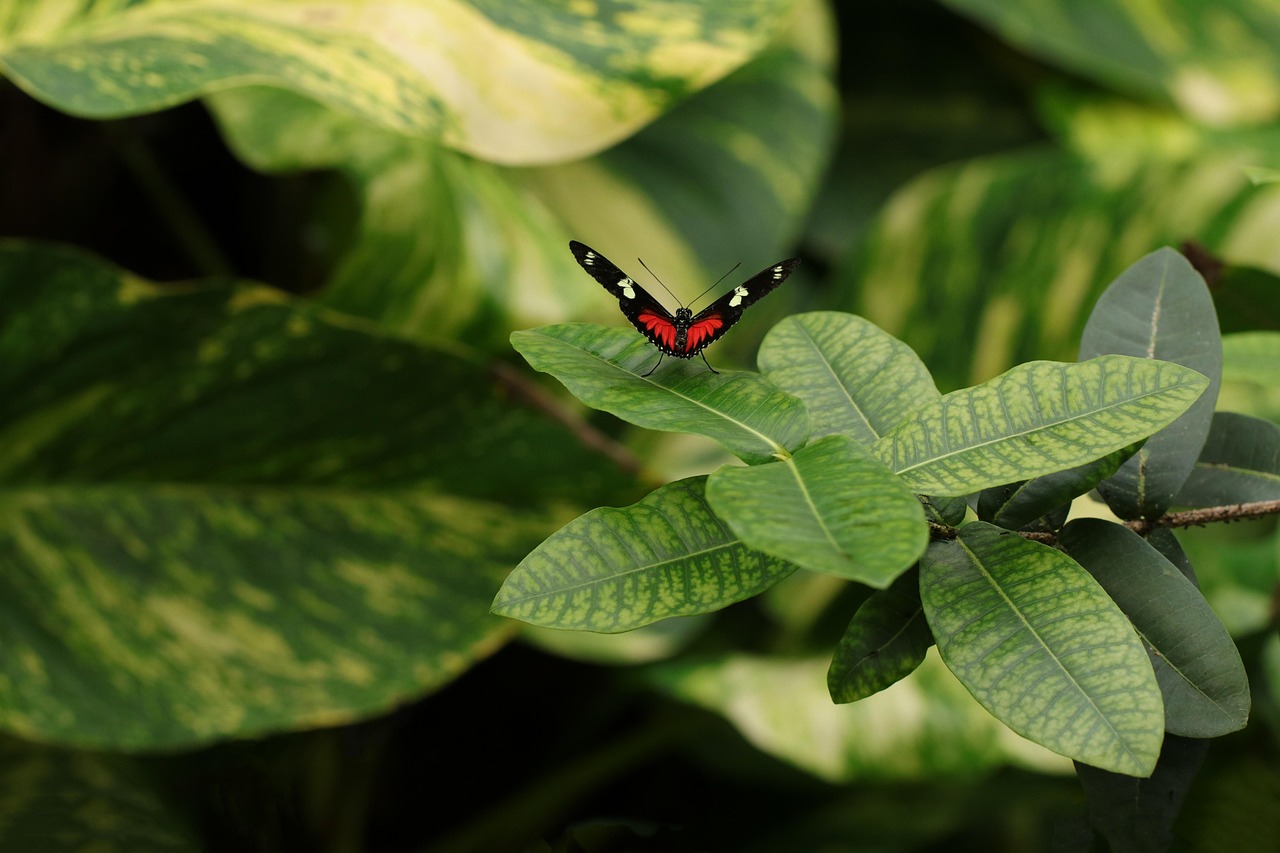
Look closely at a Heliconius butterfly and the usual butterfly clock starts to feel wrong. Day after day, it circles back to flowers for pollen, keeps flying, keeps mating and laying eggs, and may keep that routine going for months. Some adults approach a year. Many close relatives get only a few hard weeks. In a 2026 Nature Communications paper by Jessica Foley, Josie McPherson and Stephen H. Montgomery, that odd calendar becomes a way into a larger question: why do some bodies wear down so slowly?
Foley’s recent NPR interview travelled beyond the usual butterfly crowd because the claim is stronger than long survival. Her team argues that some Heliconius species show slower actuarial ageing, meaning their risk of death rises more gently with age, and slower physiological ageing in captive tests. Longevity is the headline. Slower decline is the harder result.
Stephen Montgomery’s account in The Atlantic nudges the story away from diet lore. Extra adult time has to be useful, or evolution has little reason to keep paying for it. Pollen is part of the puzzle, but the paper is asking a life-history question: what kind of animal gains enough from staying alive that maintenance is worth the bill?
Skepticism belongs in the same frame. CNN’s reporting on the paper quotes outside expert Jaret C. Daniels welcoming the study as evidence that insect models still have more to offer biologists. Fair enough. A model organism is a comparison tool, not a miniature person. Nor is a long-lived butterfly an anti-aging protocol with wings.
“I’m interested in the evolutionary basis of these kinds of lifespan differences because they might hold insights relevant for healthy ageing in humans.”
Jessica Foley, via CNN
Small creature. Large question.
The study did not rely on one lucky butterfly
Foley and colleagues’ load-bearing result is not a spectacular single insect. Records from butterfly houses, mark-release-recapture field studies and captive insectaries all pointed the same way. Across those sources, Heliconius butterflies showed roughly a three-fold lifespan extension over close relatives in the Heliconiini tribe.

Maximum lifespan reached 348 days in some species. More important, the authors paired that number with measures of ageing. They report slower actuarial ageing and slower physiological ageing in captive experiments. Plenty of animals live longer when predators, drought and infection are removed. Fewer appear to wear down more slowly under comparison.
Pollen removal keeps the story honest. According to the paper and The Atlantic’s reporting, lifespan fell by about 25 percent when pollen was taken away. That is a real cost. Even so, Heliconius still outlived close relatives such as Dryas without the adult pollen diet. Pollen helps. It does not explain the whole trait.
Remove that detail and the finding becomes a tidy nutrition fable. Leave it in and the remaining gap points toward longevity built into the lineage, then supported by a food source that made a longer adult life more valuable. Inheritance first, diet as amplifier.
Bristol researchers make the same case in the University of Bristol summary of the findings. Heliconius is presented as a promising system for comparative aging biology, a way to ask why one branch of closely related insects moved so far from the ordinary butterfly timetable. That is more useful than any headline about a “secret” to longer life, because it keeps attention on mechanism.
Pollen helps, but it does not solve the mystery
Pollen is still the first thing readers notice. Adult butterflies are supposed to sip nectar, move, reproduce and die. Heliconius adults do something stranger: they collect amino acids from pollen and remain reproductively active far longer than nearby cousins, an ecology the paper traces back roughly 12 million to 18 million years.
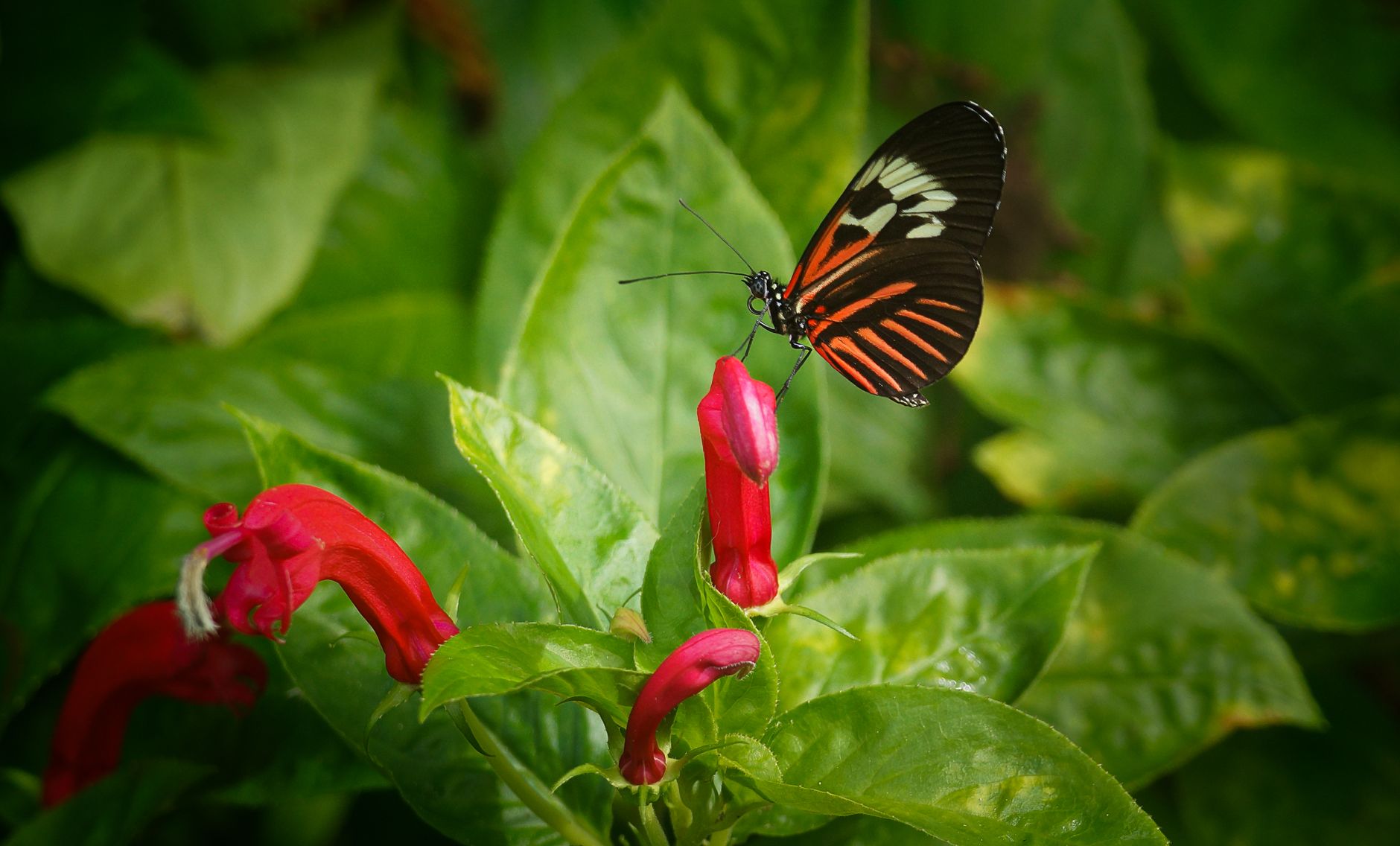
In The Atlantic’s feature on the study, Montgomery puts the oddity plainly.
“No other butterfly does it,”
Stephen H. Montgomery, in The Atlantic
A short line, but it carries an evolutionary bet. If Heliconius adults keep investing in maintenance, memory, movement and egg-laying for months, selection had to make those extra months worth the metabolic cost.
Longevity, in this case, may be ecological before it is biochemical. A long life evolves only when the environment lets an animal cash it in. For Heliconius, that may mean foraging routes that reward learning, fidelity to reliable flowers, and a slower reproductive schedule. The Atlantic’s reporting also notes that females lay fewer eggs than some shorter-lived relatives, a clue that longer life may come with a slower reproductive tempo.
Human readers have been trained to hear “longevity” as a consumer category: pills, stacks, biomarkers, morning routines. This butterfly paper runs the other way. Slower ageing appears inside a whole way of living, where feeding strategy, reproductive timing and daily behaviour are braided together. There is no isolated ingredient to pull out.
Restraint matters here. It is tempting to turn the pollen result into a metaphor about protein, amino acids or nutritional completeness. The authors are showing something narrower. In one lineage, a distinctive adult diet may have supported an already unusual evolutionary shift toward longer life.
Long life seems tied to tradeoffs
Comparison is the quiet strength of the Heliconius result. The revealing contrast is not young versus old butterflies. It is closely related lineages, with shared ancestry, that diverged sharply in adult lifespan.

So what did Heliconius buy with time? The answer seems to include sustained adult activity, repeated pollen foraging, and a different reproductive pace. Less visible maintenance work at the physiological level may be part of it too. If mortality curves flatten and bodily decline slows inside one lineage but not another, researchers can begin asking which underlying systems track that difference.
Daniels’s caution is useful here. Excitement around model organisms often expands faster than the evidence. Heliconius may help researchers think about ageing in a new comparative frame, but it does not erase the limits of an insect system. A butterfly nervous system, immune system and lifespan architecture are not human ones. The gain is analytical leverage, not direct translation.
“This study reinforces the utility of many insect groups and important model organisms for various fields of research,”
Jaret C. Daniels, via CNN
One answer to the model-organism question is that Heliconius offers a naturally evolved example of slowed aging within a lineage famous for burning through adult life. It does not replace worms, flies or mice. It widens the map.
A recent Nature analysis of longevity biohacking makes a useful counterpoint: many high-profile anti-aging practices remain thinly tested, or not clinically tested at all. The butterfly paper belongs nowhere near that sales pitch. If anything, it rebukes it. Long life here arises inside biology and ecology shaped over millions of years, not inside a weekend protocol copied from a supplement shelf.
What human aging research can borrow, carefully
Read the Heliconius paper as a prompt for better questions. Why did one butterfly lineage evolve longer adult life when most relatives did not? Which physiological markers moved with that shift? What part of the effect persisted after the obvious dietary explanation was removed? Those questions force researchers to separate lifespan extension from slowed decline, and mechanism from story.

A little humility helps longevity coverage. The news peg, whether through NPR or the more magazine-style framing in The Atlantic, gets readers to the underlying science. Foley’s paper itself is not telling people how to live longer. It is showing scientists a lineage where the usual insect timetable appears to have loosened.
That distinction is easy to lose because “teach us about aging” sounds practical. Sometimes the value of a system is that it is weird enough to break a familiar assumption. Butterflies are supposed to burn fast and vanish. Heliconius seems to have found a different bargain. It keeps moving through adult life without surrendering so quickly to the decline that defines it for most other species.
For human aging research, the butterfly is a lens rather than a template. The species may help researchers identify mechanisms worth testing elsewhere. It may sharpen ideas about maintenance, reproduction and the ecology of slower decline. Foley and her coauthors may be right that Heliconius deserves a place in healthy ageing research. The careful word is “model,” not prescription.
The clean takeaway is almost anti-self-help. Slower ageing is not necessarily a trick to copy. It may be the visible surface of a deeper evolutionary arrangement. Heliconius is interesting because it reminds biologists that long life is more than a number on a survival curve. Evolution solved a design problem in one strange butterfly, and the reasons are still coming into focus.
References
- Foley J, McPherson J, Montgomery SH. Evolution of increased longevity and slowed ageing in a genus of tropical butterfly. Nature Communications. 2026. https://www.nature.com/articles/s41467-026-73635-7
- University of Bristol. “Geriatric” butterfly species lives nearly three times as long as their relatives. 2026. https://www.bristol.ac.uk/news/2026/june/geriatric-butterfly-species-lives-nearly-three-times-as-long-as-their-relative.html
- NPR Science. Butterflies may hold clues to longer lives. 2026. https://www.npr.org/2026/06/20/nx-s1-5862078/butterflies-may-hold-clues-to-longer-lives
The Vitalspell brief
Evidence-based supplement science — weekly in your inbox.
Subscribe