Are cold showers good for you? What studies actually show
Cold showers may sharpen alertness and slightly cut sick days, but studies show small, uneven effects and little proof of broad health benefits.
Cold showers sell themselves as a tiny test of character. Turn the handle, stay put for a minute, and an ordinary morning suddenly feels disciplined. Biology is harder to package. Social posts and wellness podcasts often talk about cold water as if one uncomfortable minute can tidy up mood, immunity, metabolism and hormones.
Controlled studies are much less sweeping. In a 2025 systematic review in PLOS ONE by Ben Singh and colleagues, researchers pooled 11 studies covering 3,177 healthy adults. A few signals were worth keeping: inflammatory markers rose shortly after cold-water immersion, reported stress was lower about 12 hours later, and one large shower trial was linked to 29 percent fewer sickness-absence days. The same review found no consistent mood or immunity benefit. Its protocols also varied enough that broad claims look shaky.
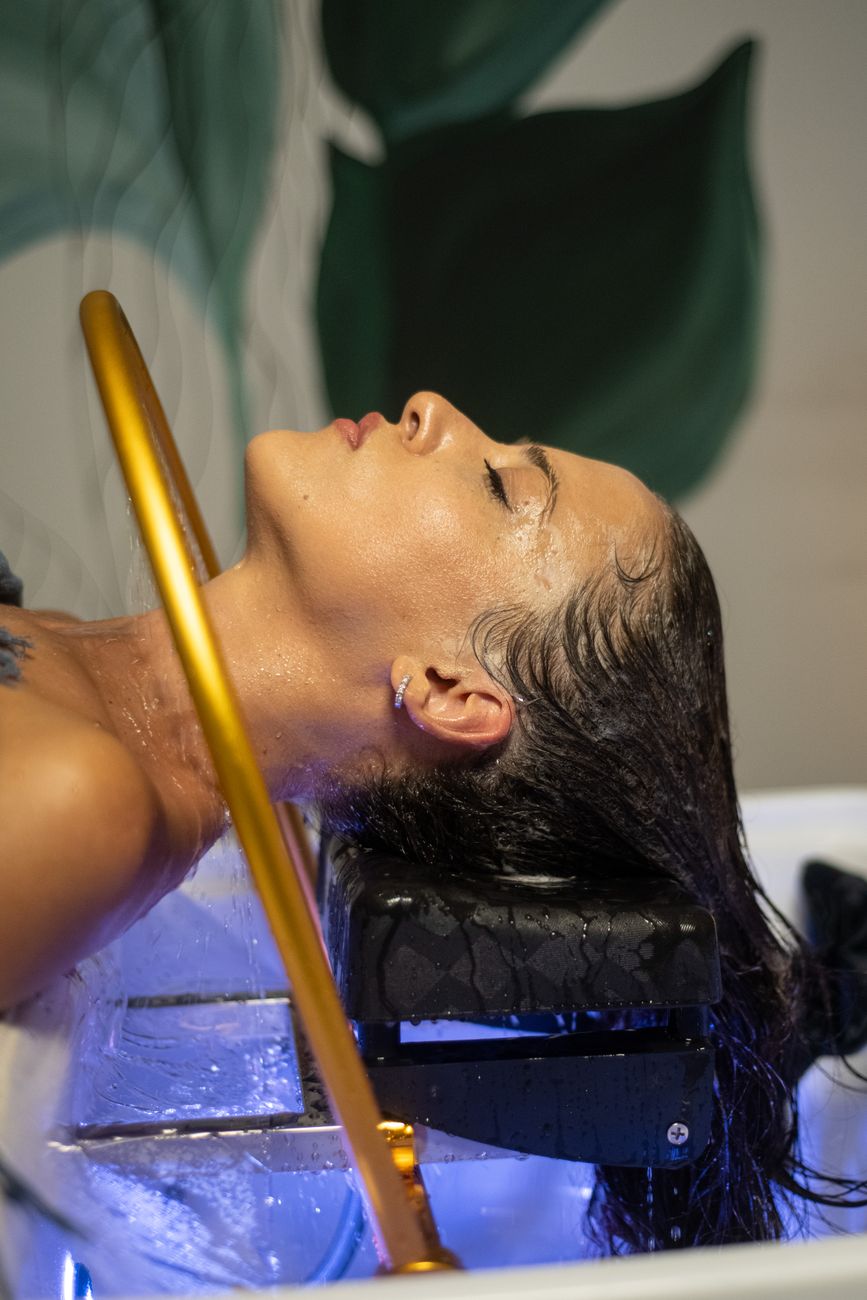
This distinction matters because most studies are not testing a quick shower at home. Many use colder, more controlled immersion protocols, often in athletic or lab settings. When Daniel Anthony Traylor and colleagues reported in Health Science Reports in 2026 on four days of 10-minute cold showers in a small cohort of male athletes, they did not find a meaningful group-level rise in salivary testosterone. If the pitch is “cold water changes everything,” the evidence does not get there.
What researchers have actually tested
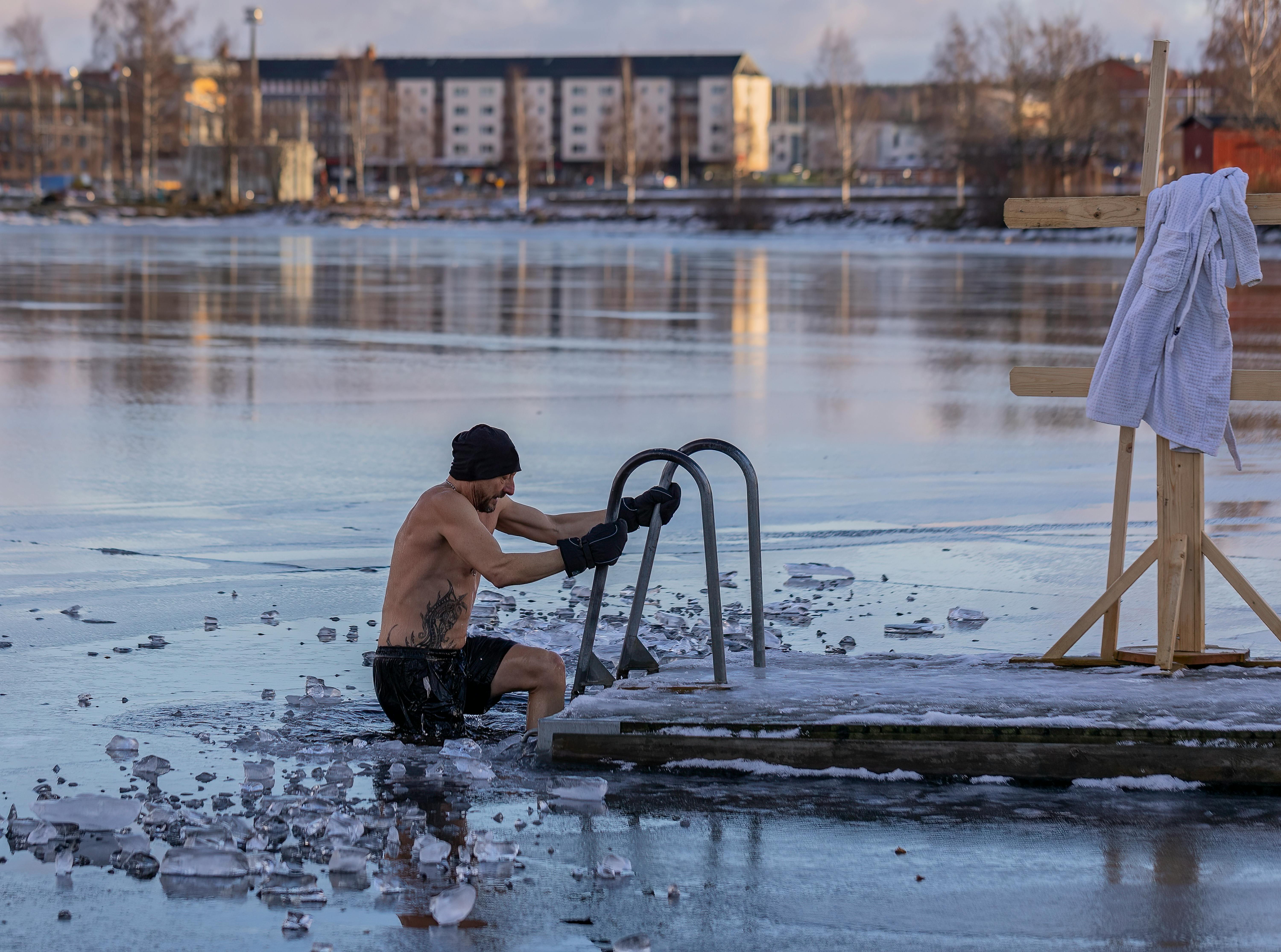
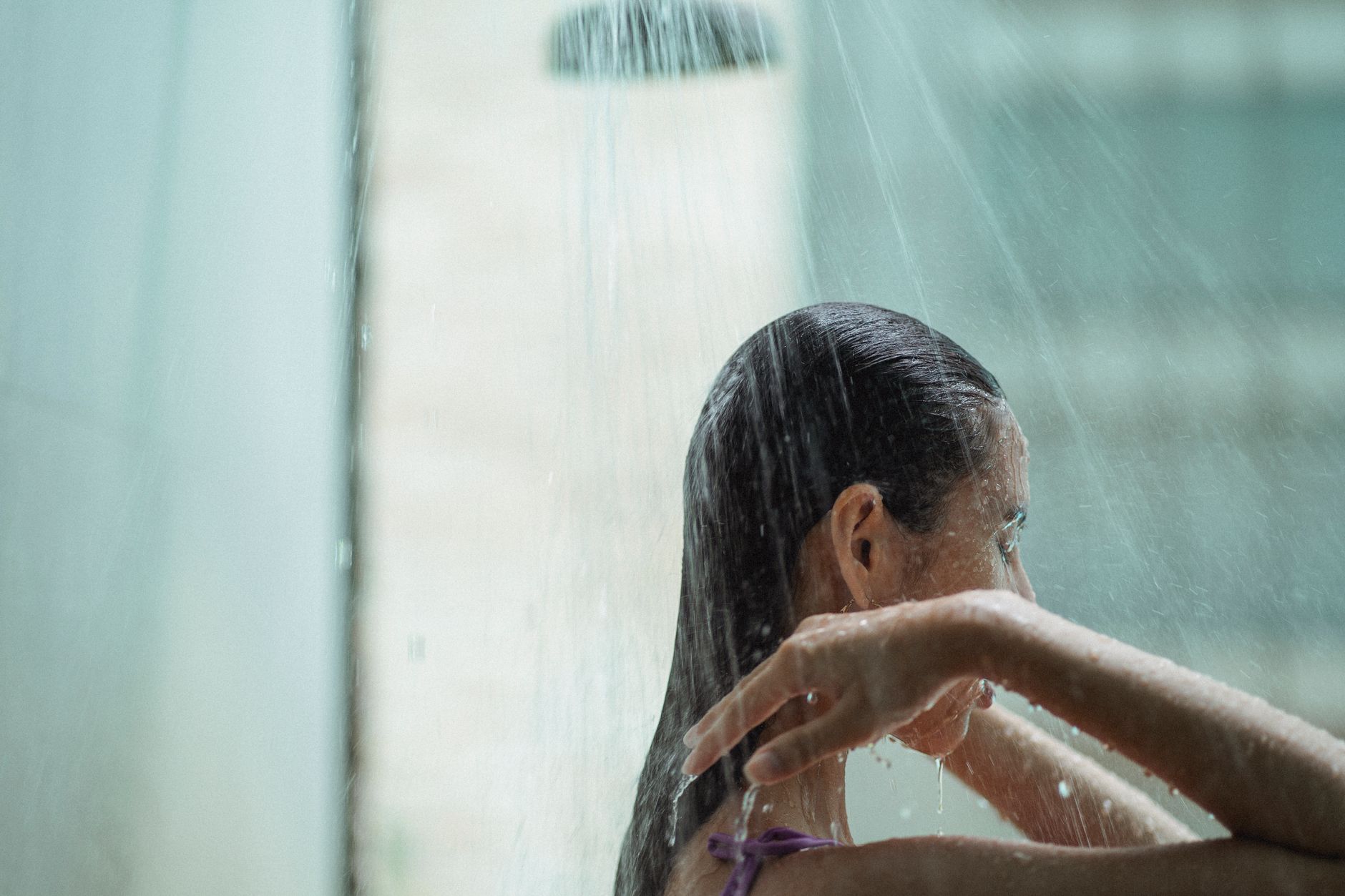
Begin with exposure. Cold-water immersion usually means putting much of the body into cold water for a set time. A household shower sends moving water over the skin, often for less time and at a temperature nobody is measuring very carefully. They are related exposures, not the same intervention.

Because of that mismatch, online claims can sound more exact than the data. The Singh review mostly captured short interventions in healthy adults, then looked for changes in the body or mind afterward. Some markers moved. Others did not. The clean answer was not that cold water is useless. Any benefit seems tied to dose, timing and the outcome being measured.
Sickness absence is a good example. In the large pragmatic trial included in the review, 3,018 participants who ended showers with cold water took fewer sickness-absence days. Interesting, yes. It still does not prove fewer infections, stronger immunity or a lasting health upgrade. The result may reflect how people felt, functioned or decided to work through mild symptoms. Those are worth studying, but they are different questions.
Where the signal looks strongest, and where it fades
Short-term alertness is the easiest signal to believe. Cold water triggers the sympathetic nervous system, the fast “fight or flight” branch that raises alertness and shifts blood flow. A jolt is real, and it probably explains why many people step out of a cold shower feeling sharper rather than soothed.
As GQ’s reporting on cold showers quoted cardiologist Arash Bereliani:
Cold water exposure triggers an immediate sympathetic nervous system response.
Arash Bereliani, quoted in GQ
Real, though, is not the same as durable. A jolt is different from a long-run adaptation, and the literature gets thinner when the question changes from “what happens in the next hour?” to “what improves over months?”
The Singh paper keeps that timing problem in view. Right after immersion, inflammatory markers went up, not down. Around 12 hours later, stress measures were lower. This pattern fits the everyday report better than the grander marketing does: a short, intense stressor followed by a possible rebound, not an all-purpose upgrade. Harvard Health’s evidence summary reached a similar middle ground, framing any upside as conditional and modest rather than universal.
Hormone claims need the same restraint. Cold-water enthusiasts often say brief discomfort raises testosterone or “hardens” the endocrine system. The 2026 athlete study tested a version of that claim and did not see a statistically significant testosterone change after four straight days of 10-minute cold showers. Details matter here: small cohort, four days, salivary testosterone, adult male athletes. That does not settle the whole question, but it is far less dramatic than the internet version.
Who should treat the trend carefully
Cold showers have the perfect shape for a wellness trend: free, dramatic, easy to try and easy to narrate afterward. That creates a self-report problem. When someone braces through discomfort at 6 a.m., the payoff is easy to notice and the neutral result is easy to forget. Research can cut through that only when studies are large, controlled and repeated often enough to separate signal from ritual.
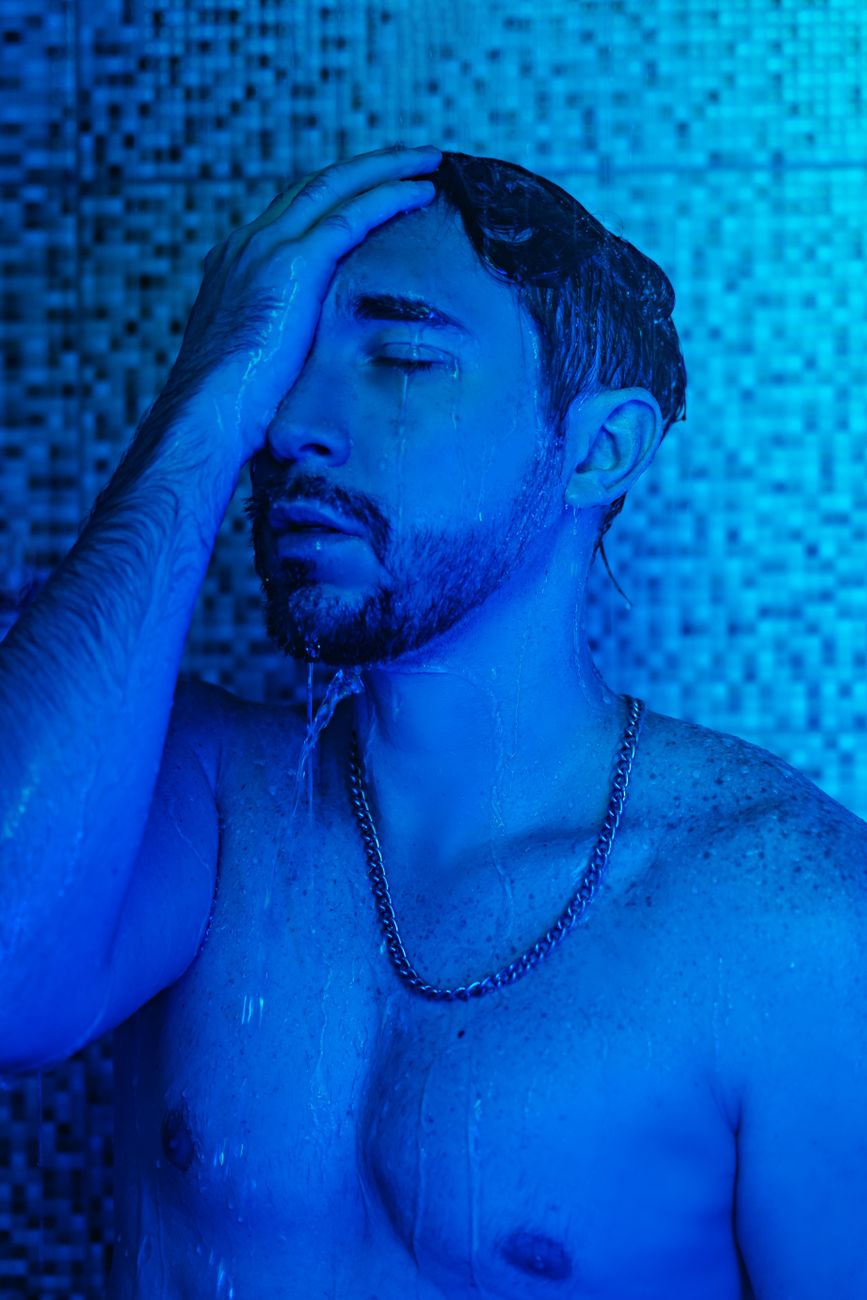
Expert caution still matters. Bereliani told GQ that the practice is not automatically wise for every stressed-out person:
I’d also caution people who are chronically sleep-deprived or over-trained, since adding another stressor isn’t always wise.
Arash Bereliani, quoted in GQ
Florence Comite made a related point in the same story, noting that hormone shifts from cold exposure appear transient rather than lasting in healthy adults. Scale is the point. If an effect is small, short-lived and context-dependent, the honest takeaway is not “cold showers are bad.” It is that they are being sold with more certainty than the data can support.
So, are cold showers actually good for you? Maybe, in limited ways. Current evidence suggests they can create a real short-term stress response, may lower perceived stress later in the day, and may be linked to fewer sickness-absence days in one large shower trial. It also says benefits are uneven, the best data often come from immersion rather than ordinary showers, and some popular claims, including testosterone talk, have not held up in direct testing.
A simple ritual turns out to be complicated. Cold showers are not magic, but they are not pure myth either. They sit in the familiar zone of wellness science, where a modest effect can be real, interesting and easy to overstate.
References
- Singh B, et al. Effects of cold-water immersion on health and wellbeing: A systematic review and meta-analysis. PLOS ONE. 2025. https://journals.plos.org/plosone/article?id=10.1371/journal.pone.0317615
- Traylor DA, Nunes EA, Lees MJ. A Four-Day Cold Shower Protocol Does Not Increase Salivary Testosterone in a Small Cohort of Male Athletes: A Research Communication. Health Science Reports. 2026. https://onlinelibrary.wiley.com/doi/10.1002/hsr2.72432
Strength coach and nutritionist covering protein science, creatine, recovery protocols, and body composition. Reports from Miami.
The Vitalspell brief
Evidence-based supplement science — weekly in your inbox.
Subscribe