Vitamin D plus K2 acts like a drug, not a supplement
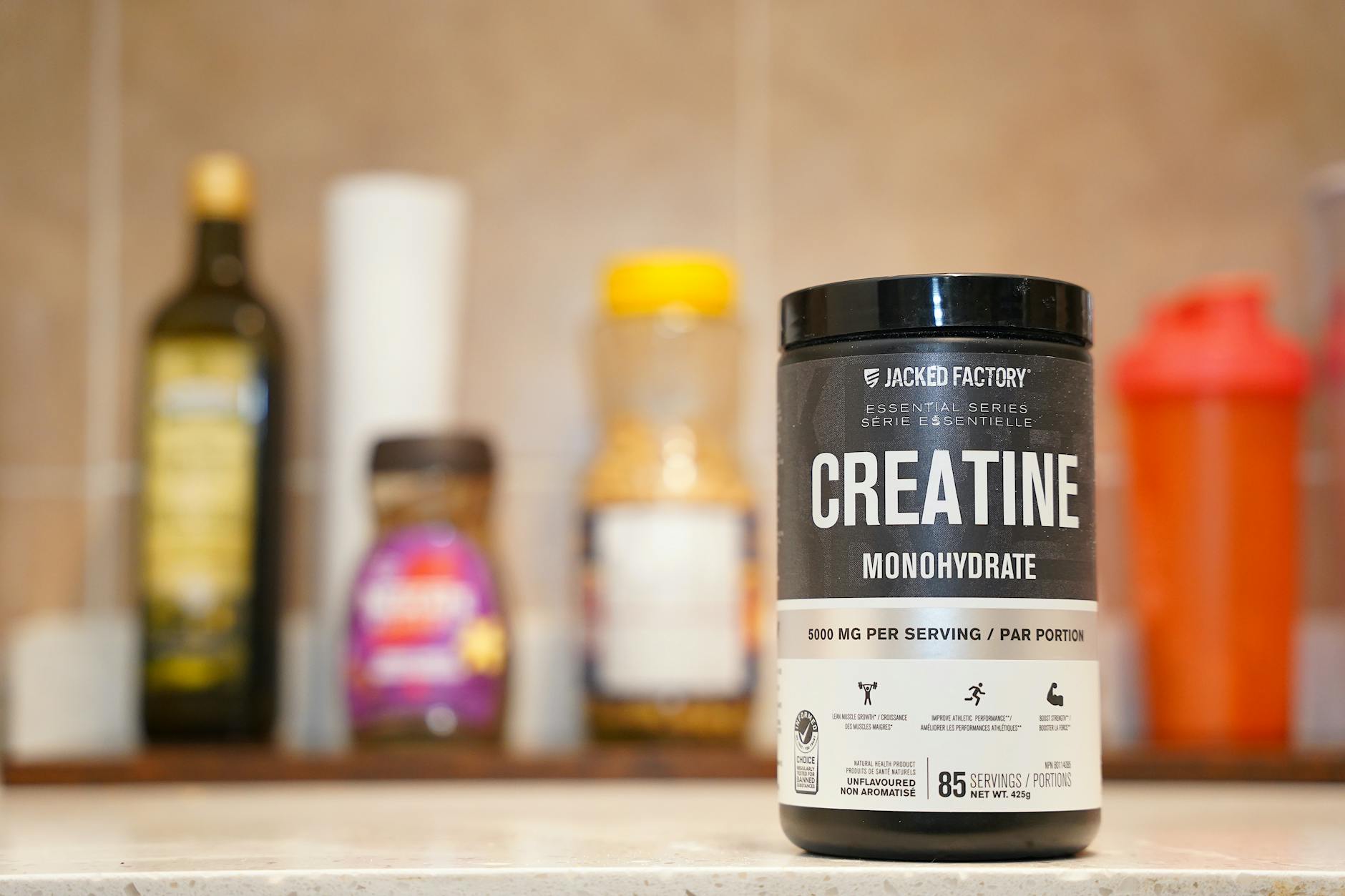
An Italian cardiology team's narrative review in IJMS reframes combined vitamin D and K2 as a low-potency pharmacological intervention, arguing that the large neutral RCTs tested the wrong populations and ignored K2 as an essential cofactor.



Supplements
View all →

Fitness
View all →
Carbon-plated shoes alter running biomechanics tied to bone stress injury risk
A new study of 23 elite distance runners found that carbon-plated shoes increased rearfoot eversion and lowered cadence compared to neutral trainers. The biomechanical shifts are small but cumulative, and recreational runners face more exposure than elites.

Cold Plunges and Your Brain: What the Science Actually Shows
Cold plunges trigger a measurable surge of noradrenaline and dopamine, but the RCT evidence for long-term mental health benefits is still thin. Two recent studies clarify what the data do and do not support.
What Bryan Johnson's Erection Tracking Reveals About Vascular Health
Bryan Johnson claims nighttime erections predict mortality. The medical literature confirms erectile function is an early warning for cardiovascular disease, but his personal protocol of tadalafil, Botox, and shockwave therapy goes beyond what the evidence supports.

Best Running Gels, According to Editors and Science
Runner's World editors tested nine energy gels on taste, digestibility, and carbohydrate formulation across months of training. Here is which gels stood out and what the research says about how your body actually absorbs them during long runs.
Longevity
View all →
Nutrition
View all →
Omega-3 supplements accelerated cognitive decline in older adults, study finds
A 2026 analysis of over 800 older adults found omega-3 supplement users declined faster on three cognitive measures than matched non-users. Reduced brain glucose metabolism, not amyloid buildup, appeared to drive the effect.
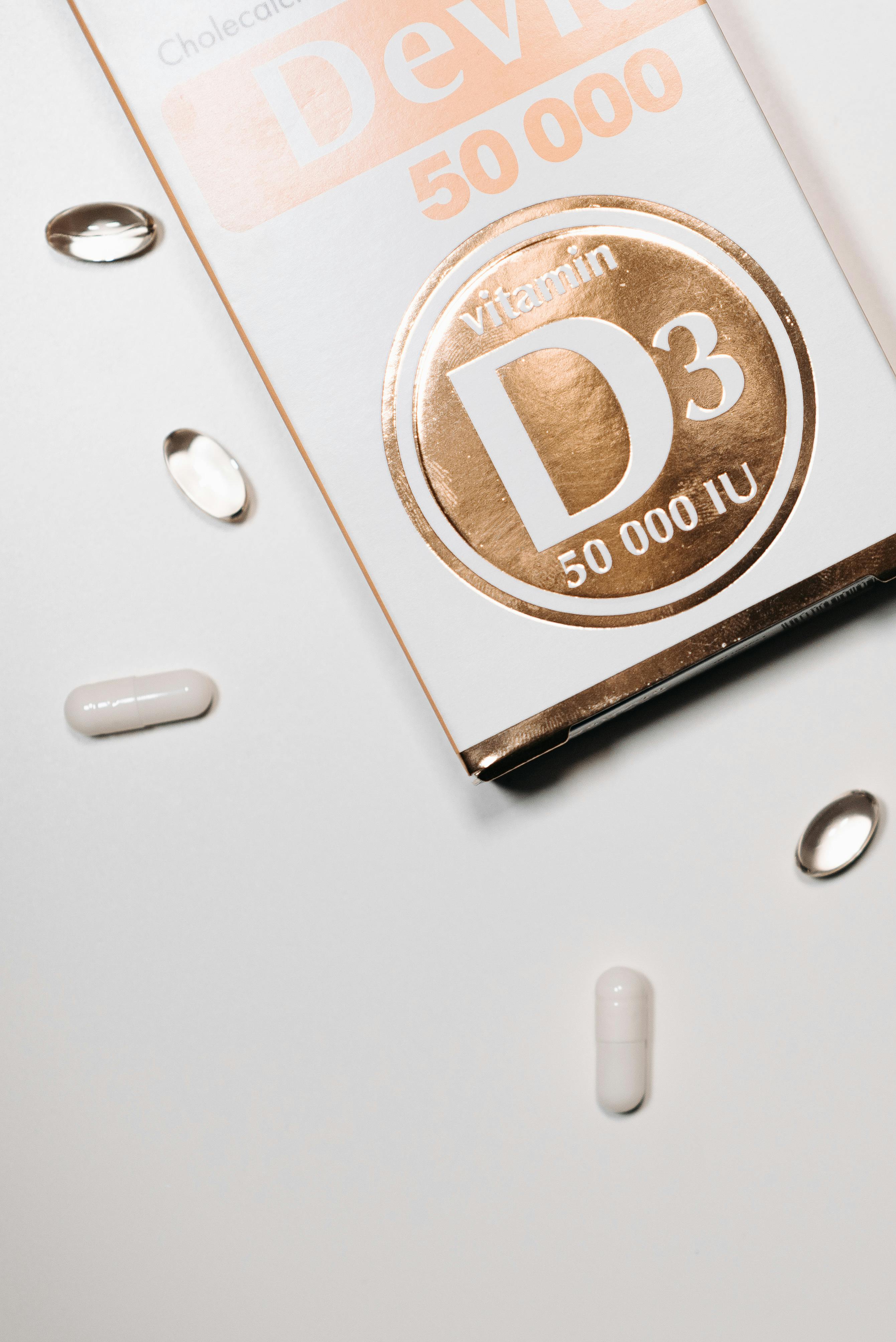
Vitamin D at 5,000 IU reduced depression symptoms most in new dose-response analysis
A 2026 meta-analysis of 15 RCTs finds vitamin D supplementation significantly reduces depressive symptoms, with 5,000 IU per day showing the greatest effect. Reductions in PTH and TNFα point toward anti-inflammatory mechanisms.

Magnesium did not improve sleep or prevent night cramps, major cohort study finds
A new analysis of the population-based CoLaus cohort, published in the European Journal of Nutrition, found no evidence that magnesium supplements improve sleep quality. Magnesium users actually reported a higher likelihood of nocturnal leg cramps.

Berberine derivative lowered HbA1c by 1% in 12-week diabetes trial
A phase 2 randomized trial published in JAMA Network Open found that HTD1801, an oral compound combining berberine with ursodeoxycholic acid, reduced HbA1c by 1.0 percentage point over 12 weeks. The drug also improved insulin sensitivity, lipid profiles, and liver enzyme levels, with two phase 3 trials now completed and an NDA submission planned.