MetaSprint Series 2026 expands beginner gateway with new XL category
Singapore's MetaSprint Series returns with a new XL race tier, elite starting waves seeded by past performance, and per-athlete performance analytics. Research on race progression ladders and pacing strategy backs the format changes.
Singapore’s MetaSprint Series returns on 1 February 2026 with a rebuilt ladder of race distances, elite starting waves seeded by past performance, and per-athlete performance analytics.
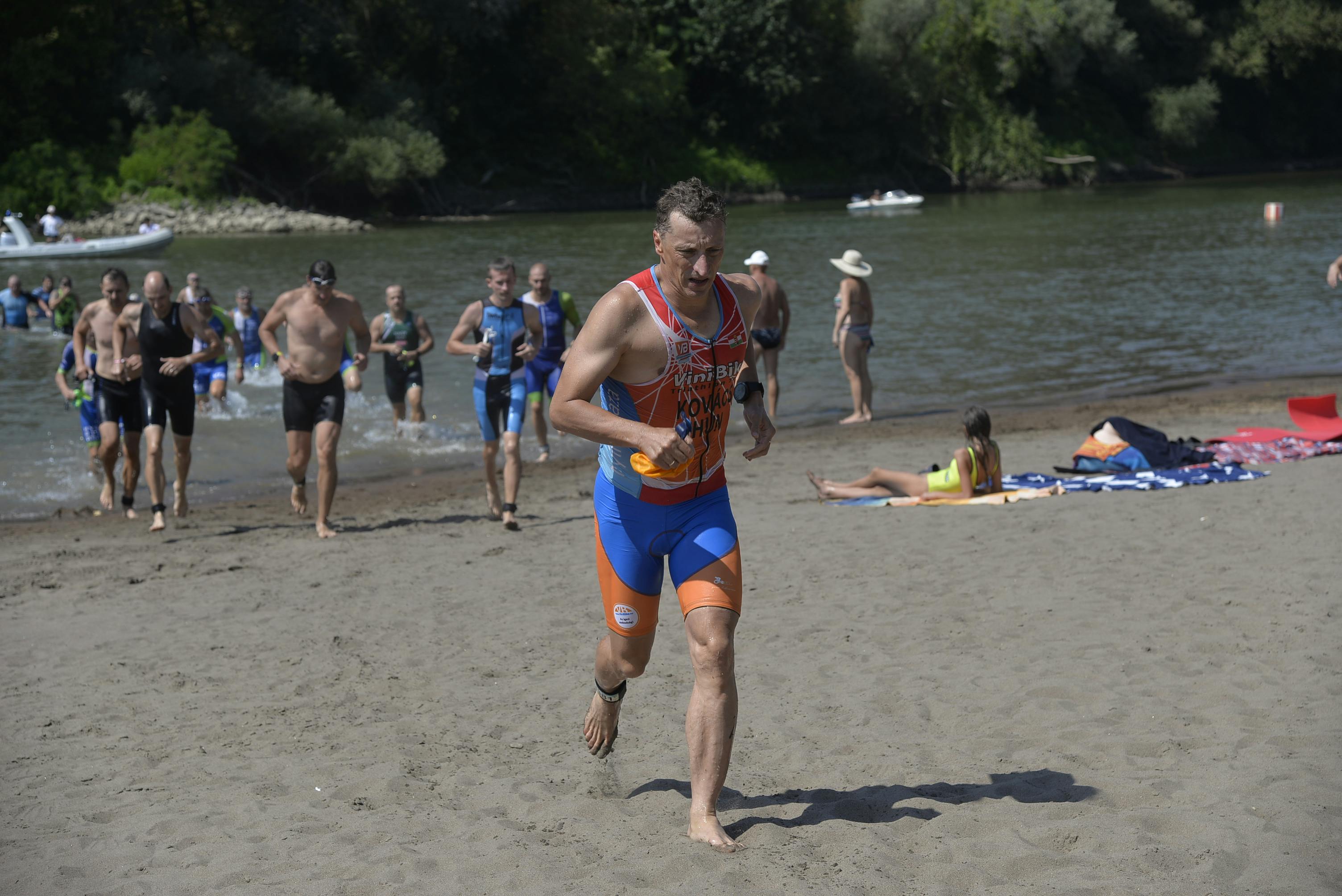
The 2026 calendar: an aquathlon on 1 February, a duathlon on 15 March, and a triathlon on 29 March. The headline change is a new XL (eXceL) tier above the existing Sprint, Discovery, Youth, and Kids categories. XL races stretch the standard sprint distance by roughly 50 percent. A standard sprint triathlon covers a 750-metre swim, 20-kilometre bike, and 5-kilometre run. The XL format extends each leg; exact distances vary by discipline and venue.
Elite waves will be allocated based on past performance data rather than the old first-come, first-seeded system. After each race, athletes receive a personalized report covering split times, category ranking, and comparisons against peers in the same age and experience bracket. The series is also adding live timing through a mobile app. Real-time tracking is common at major international races but still rare at the amateur level in Southeast Asia.
Research on progressive race ladders
A 2025 study by Lee and Tan in the International Sports Science journal examined recreational specialisation among amateur triathlon finishers. They found that structured race ladders with incremental distance increases improved athlete retention compared to open-entry formats. First-time participants were more likely to return when they could see a clear path from beginner to advanced distances. The dropout rate between a first sprint and a first Olympic-distance event was highest when athletes attempted the jump without an intermediate step.
Pacing and coaching with data
A 2023 study by Martinez in Healthcare examined relative intensity during the running leg of amateur triathlons. Female triathletes performed the run at higher relative intensity than male counterparts, which suggests personalized pacing strategies based on individual physiology could help. A 2022 study by Tanaka in Frontiers in Sports looked at pacing among university triathletes in Japan and found that even pacing across all three disciplines produced better overall finish times than positive or negative pacing strategies.
The post-race reports MetaSprint plans to issue feed directly into this evidence. Giving athletes split times, category rankings, and peer comparisons gives them the data sport scientists argue is essential for training decisions. The live timing app extends that transparency to race day, letting coaches adjust pacing strategy mid-race.
The XL category and the amateur market
The XL category fills a gap that has sat in the amateur multi-sport market for years. Standard sprint triathlons can feel short for experienced athletes who are not yet ready for the Olympic distance, which doubles the swim, bike, and run. The XL format is a natural stepping stone, roughly 50 percent longer than a sprint. The Lee and Tan study recommended intermediate-distance categories as a retention tool: athletes who had access to a mid-distance option were more likely to stay in the sport beyond two seasons.
First-time participants
The Discovery distance is the recommended entry point for newcomers: a 200-metre swim, 8-kilometre bike, and 2-kilometre run. Youth and Kids categories offer shorter distances for younger age groups. The Sprint category covers the standard 750-metre swim, 20-kilometre bike, and 5-kilometre run and suits athletes who have finished at least one multi-sport event and want a benchmark time before stepping up to the XL tier. Registration opens 1 December 2025 through the MetaSprint Series website, with early-bird pricing until 15 January 2026.
References
- Lee K, Tan S. From novice sprint all the way up to Ironman: recreational specialisation progression in amateur triathlon finishers. International Sports Science 47(2). 2025. https://doi.org/10.69665/iss.v47i2.52
- Martinez R. Relative intensity in the running leg of amateur female triathletes. Healthcare 11(3):418. 2023. https://doi.org/10.3390/healthcare11030418
- Tanaka H. Race pacing strategies in Japan university triathlon. Frontiers in Sports. 2022. https://doi.org/10.3389/fspor.2022.871727
Rafael Costa
Strength coach and nutritionist covering protein science, creatine, recovery protocols, and body composition. Reports from Miami.