Psyllium husk for constipation: what the evidence says
Trial and meta-analysis evidence suggests psyllium can help chronic constipation, especially for stool softness and regularity, but dose, timing and fluid intake matter.
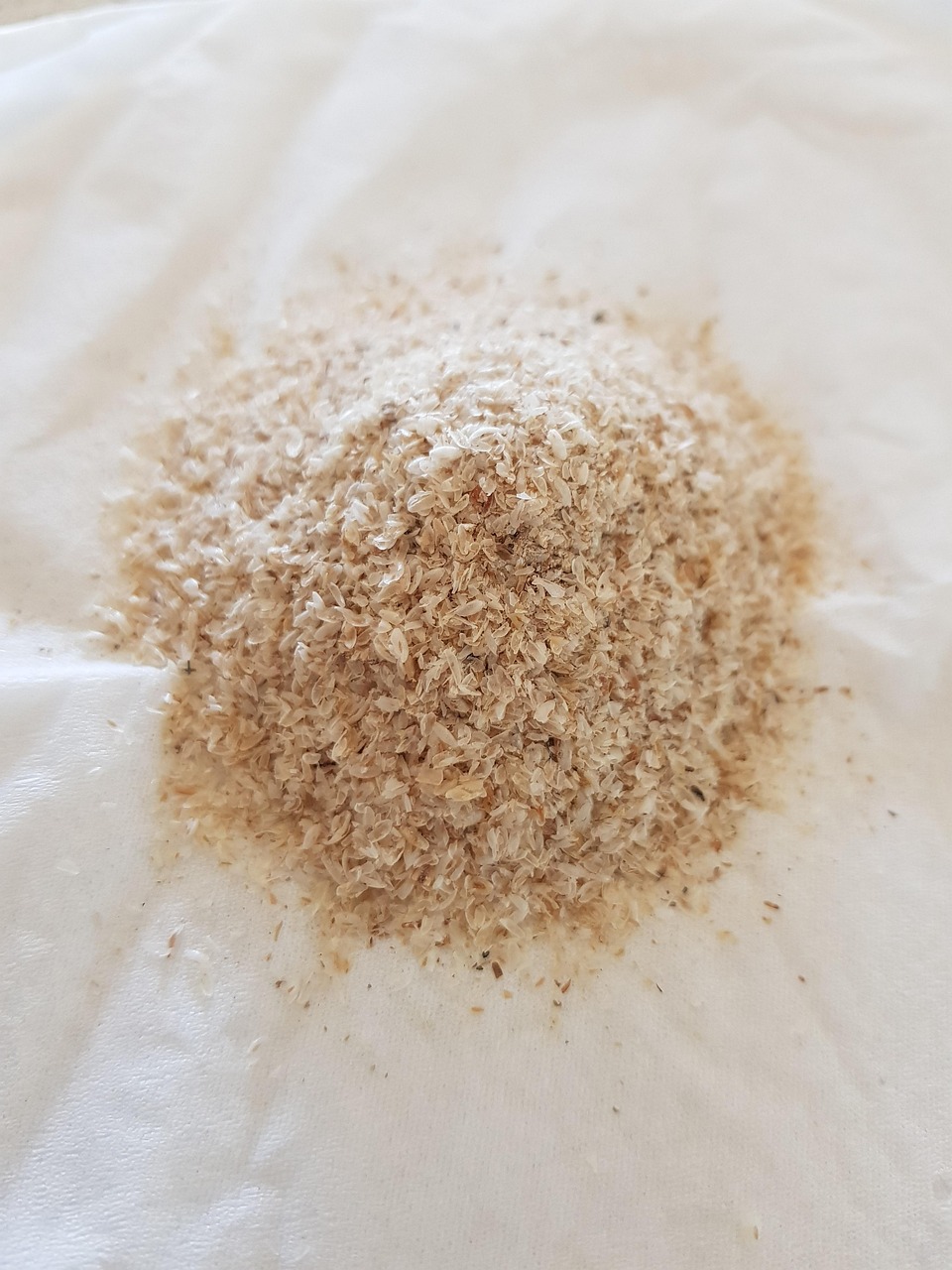
Does psyllium husk actually help constipation? The evidence says yes. Not as a cure-all. Not for every digestive complaint, either. But as a fairly well studied fibre supplement for adults with chronic constipation, psyllium has a credible case. It is a soluble, gel-forming fibre: mix it with water and it turns viscous in the gut. Constipation often means stools are too dry or too hard to pass, so a fibre that holds water in the stool can make bowel movements easier without acting like a stimulant laxative.
Marketing says more than the trials do. The better studies do not show that psyllium “detoxes” the body or fixes every gut symptom. They show something narrower. In adults with chronic constipation, psyllium tends to improve stool consistency, stool frequency and overall regularity when the dose is high enough and the study lasts long enough. Recent consumer coverage of psyllium and isabgol has revived interest, but public attention is not clinical proof. The live question is whether psyllium itself has randomized-trial support. It does.
What the trials actually show
Start with the strongest synthesis. In a 2022 systematic review and meta-analysis in The American Journal of Clinical Nutrition, Alice van der Schoot, Candice Drysdale, Kevin Whelan and Eirini Dimidi pooled randomized controlled trials in adults with chronic constipation. In that kind of trial, people are assigned to different treatments by chance, which helps reduce some forms of bias. The result was fairly plain: fiber supplementation improved constipation overall, and the stronger results clustered around psyllium, doses above 10 g per day and study periods of at least four weeks.

That distinction matters because chronic constipation is not one symptom. Trials look at bowel movement frequency, stool form, straining and the sense that evacuation is incomplete. On those measures, psyllium looks most reliable when the question is stool texture and ease of passage. It helps pull water into the stool and can increase stool bulk, so the best-supported effect is often softer, more passable stools rather than a dramatic overnight jump in bathroom visits.
The authors put it plainly in their 2022 review:
Fiber supplementation is effective at improving constipation.
— van der Schoot et al., The American Journal of Clinical Nutrition (2022)
Still, the same review shows the limits. Not every fibre performed equally well, and not every trial was long enough or used a dose likely to work. If someone takes a small amount for a few days and decides the supplement is useless, that is not really a test of what the better trials studied.
Why psyllium behaves differently from other fibres
Mechanism helps explain why. In a 2019 study in International Journal of Molecular Sciences, Jonna Jalanka and colleagues looked at psyllium husk in constipated patients and healthy controls. Psyllium increased stool water in constipated participants and was associated with shifts in the intestinal microbiota, the community of microbes that lives in the gut. Their interpretation was restrained: psyllium was not simply adding roughage. It was altering the bowel’s physical environment.
Researchers therefore describe psyllium as a soluble, viscous and nonfermented fibre. Here, “nonfermented” means gut bacteria do not break down all of it as quickly as they do with some other fibres. So psyllium can keep its gel-forming behaviour long enough to affect stool texture and transit while still interacting with the gut ecosystem in measurable ways. That is more precise than the usual supplement-language promise of “gut cleansing.”
Even the broader review on psyllium’s broader health effects made the microbiome case cautiously rather than dramatically:
Psyllium may contribute to the growth of beneficial bacteria.
— review authors, 2025
And the important word there is “may.” Psyllium is not a probiotic, and the microbiome evidence is still more supportive than definitive. For constipation, the stronger claim is simpler. Psyllium changes stool properties in a way that can help some adults become more regular.
Where the marketing gets ahead of the data
The overreach starts when one useful bowel effect gets turned into a catch-all wellness claim. Roger Gibb, Kyle Sloan and Johnson McRorie Jr. argued in a 2023 review in The Journal of the American Association of Nurse Practitioners that psyllium has a broader clinical literature than many over-the-counter supplements, including work on weight and cardiometabolic outcomes. A secondary dose-response review of cardiovascular risk factors helps explain why the ingredient gets pulled into much broader wellness marketing. But evidence in one domain does not let marketers smuggle in unrelated claims about detoxing, cleansing or effortless weight loss.
Clinical context matters too. A person with mild stool hardness, irregularity or low fibre intake is not the same as a person with new abdominal pain, rectal bleeding, unexplained weight loss or severe persistent constipation. Trial evidence can support a supplement for a common symptom. It does not replace an evaluation for a condition that needs medical workup.
Dose, timing and tolerability
For readers, the most practical finding from the constipation meta-analysis is not glamorous. The better results tended to appear when studies used more than 10 g per day and lasted at least four weeks. That does not mean everyone should copy a trial protocol on day one. It means psyllium is better understood as a routine fibre intervention than as a one-off rescue product. It also means the evidence looks better when the person using it gives it time to work.
Tolerability matters as much as dose. Fibre studies routinely run into bloating, fullness and gas, especially early on. Psyllium’s gel-forming effect is also a reminder that water intake is part of the mechanism, not an optional extra. Anyone thinking about using it regularly, especially alongside existing digestive disease or multiple medications, should consult a doctor before starting any supplement.
What to watch next
Better evidence will probably look boring. More likely, it will come from longer head-to-head trials that compare psyllium with other constipation strategies, separate whole-husk from powder or capsule forms, and measure who benefits most. For now, the evidence-based answer is fairly clean. Psyllium husk really can help constipation, but the case for it rests on stool outcomes, consistency and regularity, not on the inflated language that usually surrounds supplement marketing.
References
- van der Schoot A, Drysdale C, Whelan K, et al. The effect of fiber supplementation on chronic constipation in adults: an updated systematic review and meta-analysis of randomized controlled trials. Am J Clin Nutr. 2022. https://pubmed.ncbi.nlm.nih.gov/35816465/
- Jalanka J, Major G, Murray K, et al. The effect of psyllium husk on intestinal microbiota in constipated patients and healthy controls. Int J Mol Sci. 2019. https://pmc.ncbi.nlm.nih.gov/articles/PMC6358997/
- Gibb RD, Sloan KJ, McRorie JW Jr. Psyllium is a natural nonfermented gel-forming fiber that is effective for weight loss: a comprehensive review and meta-analysis. J Am Assoc Nurse Pract. 2023. https://pmc.ncbi.nlm.nih.gov/articles/PMC10389520/
The Vitalspell brief
Evidence-based supplement science — weekly in your inbox.
Subscribe