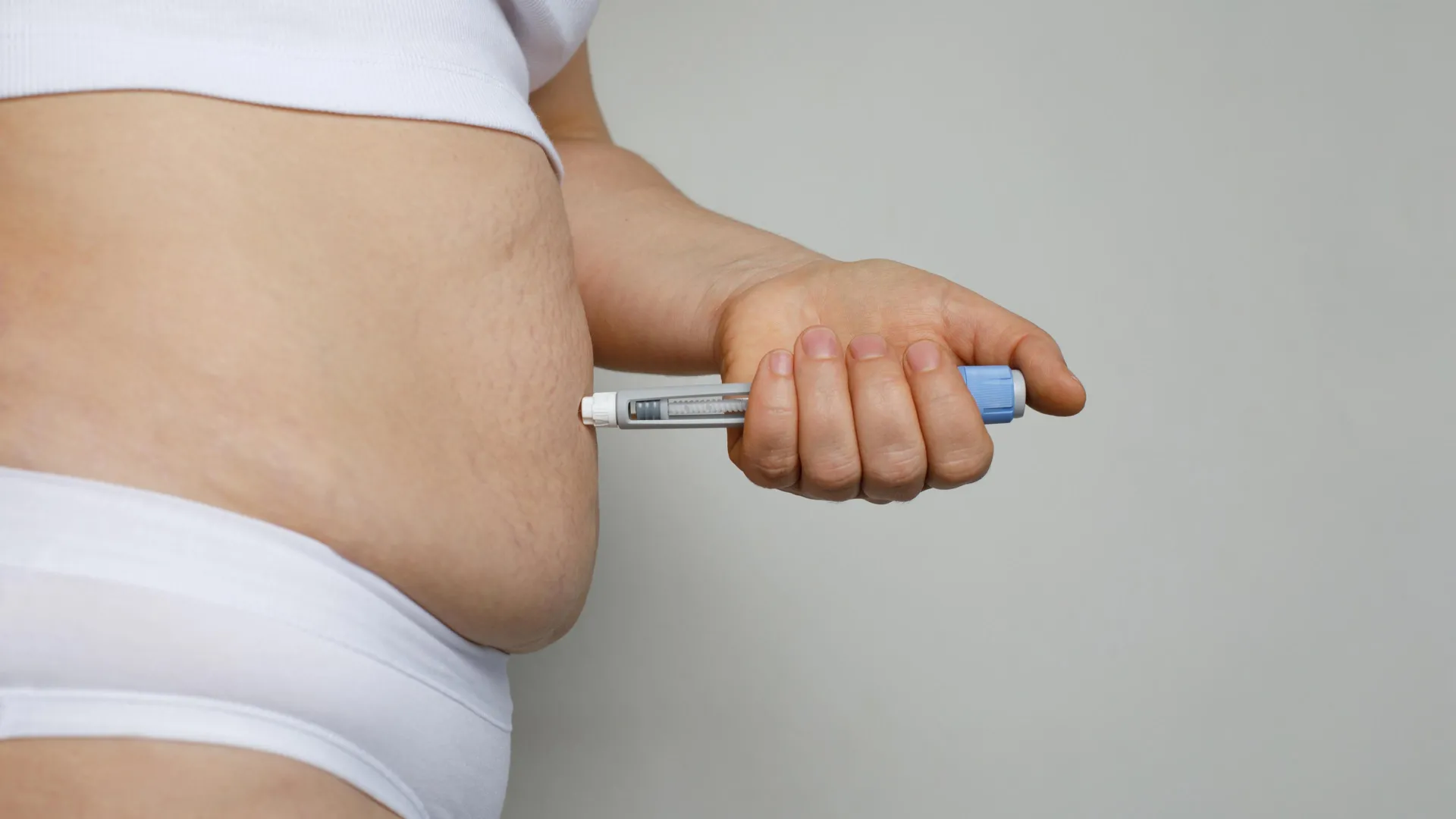
Retatrutide phase 3 diabetes data: what it shows now
Retatrutide phase 3 diabetes data showed large A1c and weight reductions, but placebo control leaves key comparison questions open.
Fresh phase 3 results make retatrutide look like the next serious entrant in type 2 diabetes treatment. In a 40-week randomized trial, the triple-hormone drug lowered A1c and body weight by amounts that would have sounded implausible in diabetes care a decade ago. That is the headline worth noticing.
Still, the story is not finished. The phase 3 TRANSCEND-T2D-1 trial in The Lancet, led by Harpreet Singh Bajaj and colleagues, compared weekly retatrutide with placebo in 537 adults with recent-onset type 2 diabetes. It did not compare retatrutide directly with semaglutide or tirzepatide, the drugs readers most want to compare it against.
For patients and clinicians, that distinction matters. An analyst looking at the cardiometabolic drug race sees a striking efficacy signal. A skeptical endocrinologist sees a trial that still leaves the superiority question open. Someone living with type 2 diabetes sees something more concrete: a weekly injection that may move glucose and weight at the same time, if the side effects and access barriers do not derail treatment.
The result was large by diabetes-trial standards
Bajaj et al. reported that retatrutide reduced A1c by up to 2.0 percentage points over 40 weeks, with the strongest effect in the higher-dose groups. The drug also produced dose-related weight loss, reaching 16.8% of baseline body weight, or 36.6 lb, at the 12 mg dose. For a diabetes cohort, not an obesity-only cohort, those are substantial changes.

Biologically, the pitch is different from older GLP-1-only drugs. Retatrutide activates GIP, GLP-1 and glucagon receptors. GLP-1 signaling is already familiar from semaglutide. GIP is part of tirzepatide’s dual-agonist logic. Glucagon adds a third metabolic lever, one that may raise energy expenditure and change liver metabolism, but also one that clinicians will watch carefully because glucagon can push glucose upward in other settings.
Eli Lilly, which is developing the drug, said in its ADA 2026 release that gastrointestinal adverse events were the most common side effects and were mostly mild to moderate. That pattern sounds familiar for incretin therapies. Tolerability is not a solved issue.
Patients can read the result more simply. Retatrutide appears able to pull on two problems at once: blood sugar and weight. In type 2 diabetes, that overlap is not cosmetic. Weight loss can improve insulin resistance, blood pressure, fatty-liver risk and medication burden for some people. The caveat is that a trial endpoint is not the same as a durable plan a patient can stay on for years.
The comparison everyone wants is not in this paper
Here is the least promotional sentence about the readout: this was a placebo-controlled trial. Placebo control is appropriate for proving that a drug does more than no active drug in the trial setting. It is weaker for deciding whether a new drug should displace the best existing treatments.
Marie Spreckley, a lecturer in nutrition science at the University of Roehampton, put the caveat plainly in the Guardian’s report:
“the study compared retatrutide with placebo rather than semaglutide or tirzepatide, it is not possible to determine from this data whether retatrutide is superior”
Marie Spreckley, quoted by The Guardian
Clinically, that is not nitpicking. Semaglutide and tirzepatide are the practical comparators for many prescribers. The question is not whether retatrutide beats placebo. It does. The question is whether adding glucagon receptor activity produces a better balance of A1c lowering, weight loss, side effects, muscle preservation, cardiovascular outcomes and adherence than the options already changing diabetes care.
Obesity data around retatrutide need the same caution. In a 2023 phase 2 obesity trial in The New England Journal of Medicine, Ania M. Jastreboff and colleagues reported large weight reductions that helped set expectations for the phase 3 program. Then, at ADA 2026, Lilly presented obesity and comorbidity data, and Reuters reported that the 12 mg dose reached 28.3% weight loss in TRIUMPH-1. Those numbers explain the attention. They do not substitute for a clean active-comparator diabetes trial.
The triple-agonist bet is scientifically interesting
Retatrutide is not just a stronger version of the same idea, at least on paper. It is a test of whether a broader hormonal signal can improve metabolic outcomes without creating a tolerability ceiling. That makes the drug interesting even before the market comparisons are settled.
Jonathan Campbell, a Duke metabolism researcher, framed the mechanistic argument in ADA Meeting News:
“This provides an opportunity to engage tissues and mechanisms that are not available to incretin receptor agonists.”
Jonathan Campbell, ADA Meeting News
Opportunity, in this case, is also uncertainty. GLP-1 drugs have become familiar partly because their mechanism, side effects and clinical uses have been studied across many populations. Tirzepatide extended the field by combining GIP and GLP-1 receptor activity. Retatrutide asks whether adding glucagon can push weight lower while preserving glycemic benefit.
One plausible answer is yes. Another plausible answer is yes, but only for selected patients, or only after a dose-escalation schedule that many people find hard to tolerate. The phase 3 diabetes trial supports the first part of the hypothesis. It does not yet resolve the second.
From the analyst’s chair, a placebo-adjusted 2.0-point A1c reduction plus double-digit weight loss signals a potentially differentiated cardiometabolic franchise. In an exam room, the next question is less exciting but more useful: in a patient already eligible for semaglutide or tirzepatide, what would justify switching, starting with retatrutide, or waiting?
Patients will care about persistence as much as percentages
The early retatrutide story risks becoming a contest of the largest number. That is understandable. Weight-loss percentages are easy to compare and easy to headline. Patients with type 2 diabetes, however, usually live in the smaller details: nausea during dose escalation, insurance coverage, glucose targets, muscle maintenance, appetite changes, and whether treatment still feels worth it after the novelty fades.
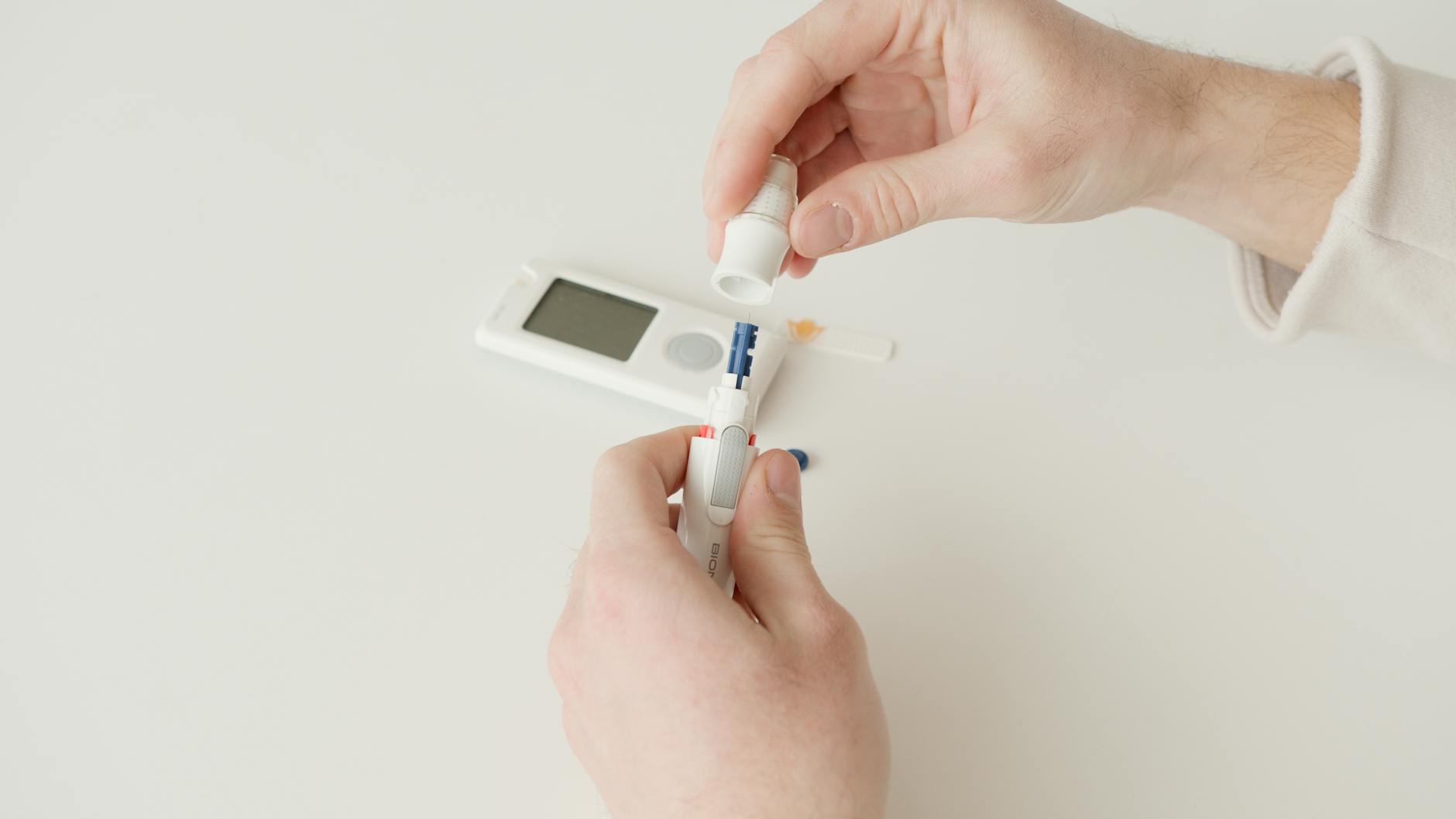
Forty weeks is long enough to show a clear signal, but short for a chronic condition. The study also found that weight loss had not plateaued by week 40 at the 12 mg dose. Optimists will see room for more benefit. Skeptics will note that the full long-term pattern of weight change, discontinuation and maintenance is not yet visible.
For the user-affected perspective, the unresolved question is not abstract. A drug that produces large average losses may still be a poor match for someone who cannot tolerate gastrointestinal effects, cannot afford it, loses too much lean mass, or needs a therapy with established cardiovascular-outcomes data. Retatrutide may eventually answer some of those concerns. This trial does not answer all of them.
So the safest interpretation is boring, but useful. Retatrutide looks potent. It also looks early in the kind of evidence ladder that turns a striking trial result into a treatment decision. Patients should not treat the 12 mg number as a personal forecast, and no one should change diabetes medication without a clinician who can weigh glucose control, kidney function, cardiovascular risk and side-effect history.
What would actually settle the Ozempic-successor claim
A clean superiority claim would need active comparators. Ideally, that means retatrutide against semaglutide and tirzepatide in similar patients, with endpoints that go beyond the scale: A1c, weight, waist circumference, discontinuation, hypoglycemia, gastrointestinal events, body-composition changes, cardiovascular markers and patient-reported quality of life.
Longer follow-up matters too. Forty weeks is enough to separate drug from placebo. It is not enough to show whether the third receptor target improves durability, how weight regain looks after stopping, or if rare safety signals emerge with broader use.
Across obesity and diabetes medicine, the drug landscape is moving fast. Lilly’s own portfolio includes tirzepatide and the oral GLP-1 candidate orforglipron. Novo Nordisk continues to defend semaglutide while developing its own next wave. Against that background, retatrutide’s phase 3 diabetes data are not merely a new trial. They are a sign that incretin-based medicine is becoming a platform, with each new drug testing a different mix of efficacy, convenience and tolerability.
Narrowing the claim makes it stronger. Bajaj et al. showed that retatrutide can sharply lower A1c and body weight versus placebo in people with type 2 diabetes. Jastreboff et al. had already shown an obesity signal large enough to make the drug hard to ignore. What remains unknown is whether retatrutide is better than today’s best incretin drugs for the patients who would actually choose among them.
Until that comparison arrives, retatrutide should be read as a serious, promising and still-unfinished answer to a very practical question: how much more can incretin-based treatment do, and at what cost to tolerability?
References
- Bajaj HS, et al. Efficacy and safety of retatrutide, a GIP, GLP-1, and glucagon receptor agonist, for people with type 2 diabetes. The Lancet. 2026. https://www.thelancet.com/journals/lancet/article/PIIS0140-6736(26)00967-0/fulltext
- Jastreboff AM, et al. Triple-hormone-receptor agonist retatrutide for obesity: a phase 2 trial. New England Journal of Medicine. 2023. https://www.nejm.org/doi/full/10.1056/NEJMoa2301972
General assignment health reporter covering nutrition science, wellness trends, and clinical research. Reports from Toronto.
The Vitalspell brief
Evidence-based supplement science — weekly in your inbox.
Subscribe