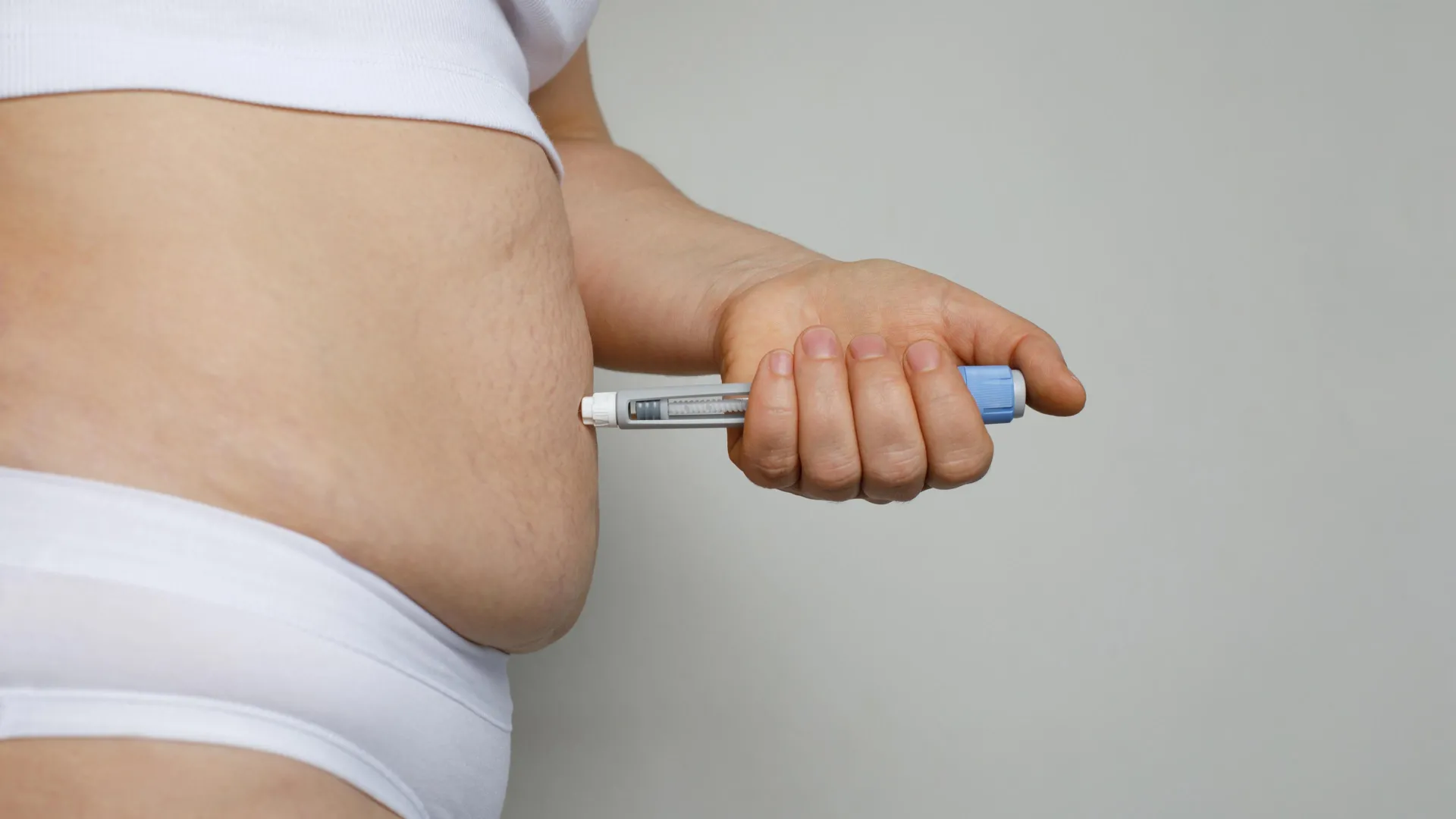
Why exercise matters more on GLP-1 drugs as the evidence shifts
GLP-1 drugs can help weight loss, but the emerging evidence suggests they should not make exercise optional.
Why exercise matters more on GLP-1 drugs as the evidence shifts
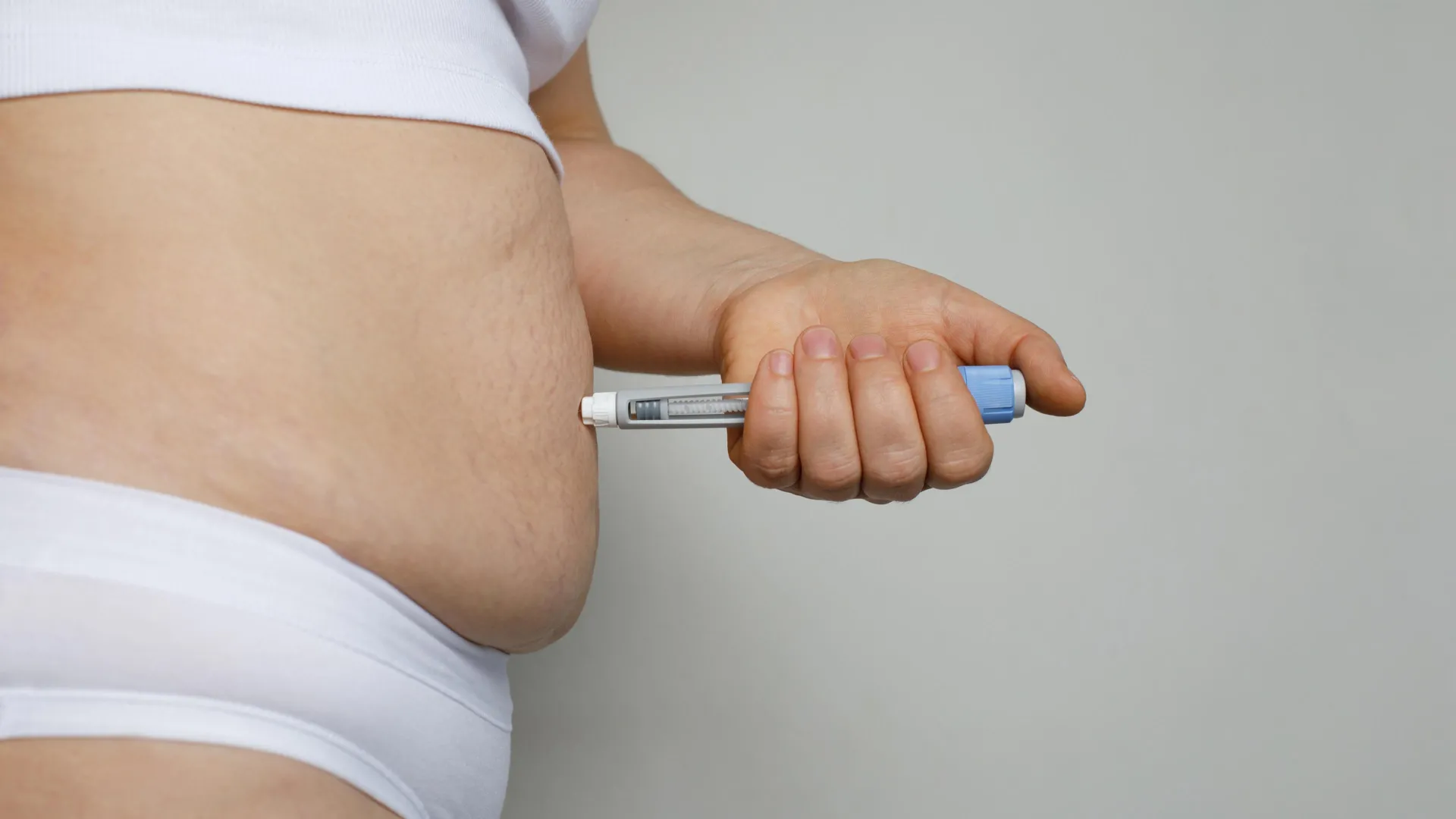
GLP-1 drugs have changed obesity care by making weight loss more achievable for many people. More important for long-term health is the next question: what happens after the scale starts to move if movement itself quietly goes down?
That uncomfortable signal comes from a new ENDO 2026 analysis reported by ScienceDaily. In a Fitbit-backed sample of adults with obesity who started a GLP-1 medication, daily steps fell from 5,047 to 4,487 and moderate-to-vigorous physical activity slipped from 28 minutes a day to 22. Because the study is still a conference presentation, it should not be treated as settled evidence. Even so, it fits a broader pattern in the peer-reviewed literature: GLP-1 treatment seems to work best when it is paired with structured lifestyle support, not when lifestyle is assumed to happen on autopilot.
The part that should worry clinicians
Ordinarily, weight loss should make people feel lighter and more willing to move. Maybe that happens in some patients. Yet the ENDO data suggest the opposite can happen too, at least in the early treatment period. If appetite drops, calories fall, and fatigue or muscle complaints show up, exercise can become the first thing people stop doing.
This matters because GLP-1 therapy is not just fat loss therapy. Weight loss on these drugs can include lean mass loss as well, which is one reason exercise and protein-rich eating are so often discussed as complements to the medication rather than optional extras. The issue is not whether GLP-1 drugs work. They do. What matters is whether real-world use preserves the muscle, stamina, and cardiometabolic gains people hope to get from them.
What the best cohort data say
A useful answer comes from Nguyen et al. (2026, Lancet Diabetes & Endocrinology), who examined more than 98,000 veterans with type 2 diabetes in the Million Veteran Program. They found that GLP-1 receptor agonist use was associated with a lower risk of major adverse cardiovascular events, with a hazard ratio of 0.84. But the bigger story was the interaction with lifestyle.
People who combined GLP-1 use with six to eight low-risk lifestyle habits had a 43% lower risk of major adverse cardiovascular events than people with three or fewer habits and no GLP-1 use. Those habits included physical activity, diet quality, sleep, smoking status, alcohol intake, stress management, social support, and opioid use disorder status.
Still, that does not prove exercise alone caused the benefit. It does show that the drug is not replacing the lifestyle. If anything, the drug seems to amplify the payoff from a healthier baseline.
The meta-analysis points the same way
Another paper reaches a similar conclusion from a different angle. In their 2026 systematic review and meta-analysis in Nutrients, Bruna-Mejias et al. looked at 35 independent trials or trial clusters of GLP-1RA and incretin-based therapies delivered inside lifestyle interventions.
In plain language, weight loss was greater when the drug was paired with lifestyle support than with placebo or control, with a mean difference of minus 10.08 kg. The authors were careful not to oversell the finding. They noted that future trials need better reporting on body composition, physical function, adherence, and safety. That caution matters because the core issue is not only how much weight comes off. It is what kind of tissue is lost, and what the person can still do with their body afterward.
Why movement may be the real issue hiding in plain sight
Taken together, the new wearable-data finding should probably be read as a warning about treatment drift. People start GLP-1s for weight loss, feel better, eat less, and then may unconsciously move less. That would be a bad trade if it blunts the preservation of muscle and fitness.
Exercise is doing at least three jobs here. First, it helps preserve lean mass during weight loss. Second, it supports insulin sensitivity and cardiovascular fitness. Third, it may protect the functional side of health that weight alone never captures, such as walking tolerance, strength, and energy.
For that reason, the phrase “exercise cannot be optional,” which came from the ENDO presentation, feels right even if the study is preliminary. The better framing is not that GLP-1s make exercise more important in some abstract sense. It is that the drugs may make the absence of exercise more costly.
What this does and does not prove
There are real limitations here.
Because the activity study was based on a subset of patients who had usable Fitbit data, it is vulnerable to selection bias. It is observational, not randomized. It cannot tell us whether the drop in movement was caused by the drug, by the burden of weight loss, by pain, or by something else entirely. It also does not tell us how long the decline lasted.
By contrast, the cohort study in Lancet Diabetes & Endocrinology is stronger, but it is still observational. The meta-analysis in Nutrients is useful because it pools trials, but its authors also warn about heterogeneity and bias. None of these papers say GLP-1 drugs fail without exercise. They say something subtler and more practical: if you want the health benefits to stick, you should not assume the medication will do the behavioral work for you.
The practical takeaway
For patients, the message is simple. If you start a GLP-1 drug, do not let movement become collateral damage. For clinicians, that means building physical activity into treatment planning from day one, not waiting to see whether the scale moves first. For readers, the wider lesson is that obesity treatment is moving toward combination therapy, not medication-only thinking.
Even more important, the evidence base is beginning to separate weight change from health change. Losing pounds is useful. Preserving muscle, function, and daily activity is better. In 2026, the most credible GLP-1 story is no longer just about how much weight people lose. It is about what they keep.
References
- Nguyen XT, Li Y, Czernichow S, Rassy N, Houghton SC, Lu B, et al. Combined associations of GLP-1 receptor agonists and a healthy lifestyle with cardiovascular outcomes among individuals with type 2 diabetes: a prospective cohort study. Lancet Diabetes Endocrinol. 2026;14(4):317-326. https://doi.org/10.1016/S2213-8587(25)00395-X
- Bruna-Mejias F, Valenzuela-Fuenzalida G, Oyanedel A, Figueroa-Puig A, Cabezas-Salgado A, Orellana-Donoso J, et al. GLP-1RA- and incretin-based therapies within lifestyle interventions for adults with overweight or obesity: a systematic review and meta-analysis. Nutrients. 2026;18(11):1781. https://doi.org/10.3390/nu18111781
General assignment health reporter covering nutrition science, wellness trends, and clinical research. Reports from Toronto.
The Vitalspell brief
Evidence-based supplement science — weekly in your inbox.
Subscribe