Why cyclospora outbreaks keep returning to produce
Cyclospora outbreaks in produce keep resurfacing because contamination often starts before harvest, tracing is slow and kitchen rinsing has limits.
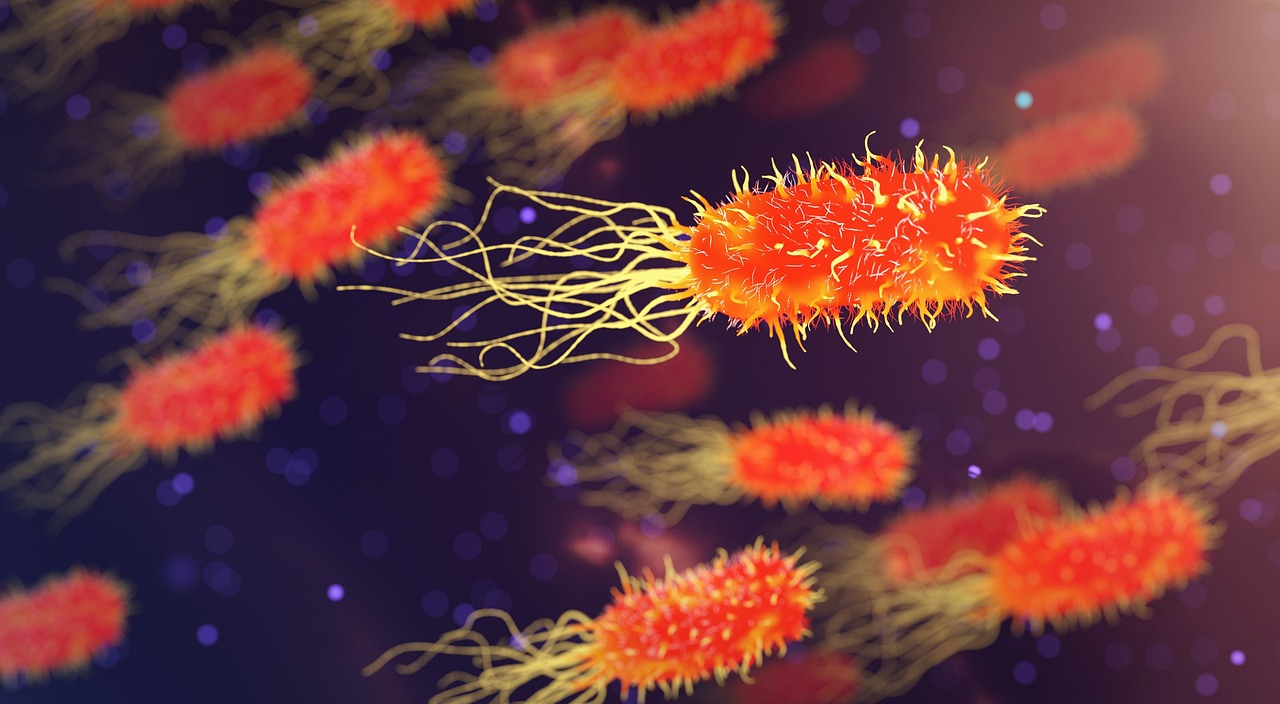
Why does Cyclospora cayetanensis keep turning up in fresh produce each summer when the lettuce, herbs or berries look perfectly clean? Start before dinner. The microscopic parasite, which causes the diarrheal illness cyclosporiasis, usually reaches food before harvest or during packing, not on a cutting board at home. Once a tainted ingredient is folded into salads, fruit cups or ready-to-eat meals, the trail gets hard to follow.
Michigan’s current surge is a reminder of that pattern, rather than a local oddity. AP’s reporting on the outbreak says officials had recorded nearly 1,000 cases and 40 hospitalizations by 9 July, far above the state’s usual annual total. Michigan chief medical executive Natasha Bagdasarian put it plainly:
“there is clearly a linked outbreak happening right now”
Natasha Bagdasarian, AP News
Research fills in the less visible part of the story. Totton and colleagues’ 2021 scoping review in Epidemiology & Infection found plenty of studies on human infection, but far less evidence on how to detect Cyclospora in soil and water or stop it before produce reaches stores. Health officials can describe outbreaks after people get sick. They still have a thinner evidence base for the field conditions that allow contamination to begin.
Why Cyclospora is a produce problem
Cyclospora causes an intestinal infection that can bring watery diarrhea, loss of appetite, cramping and fatigue. Fresh produce is a recurring vehicle because it is often eaten raw, handled repeatedly and exposed to water before harvest. If contamination happens upstream, a rinse at the sink may reduce dirt but may not solve the problem.

The FDA’s Cyclospora guidance puts the source problem bluntly: humans are the only known source of Cyclospora infection. In practice, contamination tends to start when human fecal material reaches irrigation water, field sanitation systems, harvested crops or packinghouse surfaces. That is narrower, and more uncomfortable, than the usual advice to wash vegetables. The issue is labor conditions, water quality and sanitation before the food is sold.
Totton et al. (2021) found just eight control studies among 349 relevant primary studies. For a parasite that keeps appearing in produce-linked outbreaks, that is a thin prevention record. The authors concluded that publicly available research is still short on ways to control Cyclospora in soil, water and produce before retail. The literature is much better at naming the problem than at testing fixes.
Why investigators struggle to find the source
Tracing a Cyclospora outbreak is not like tracing a single recalled package. People may remember a salad or fruit cup, but not the garnish, herb or lettuce mix inside it. One contaminated ingredient can move through shops, cafeterias and party trays, blurring the pattern before investigators can see it.
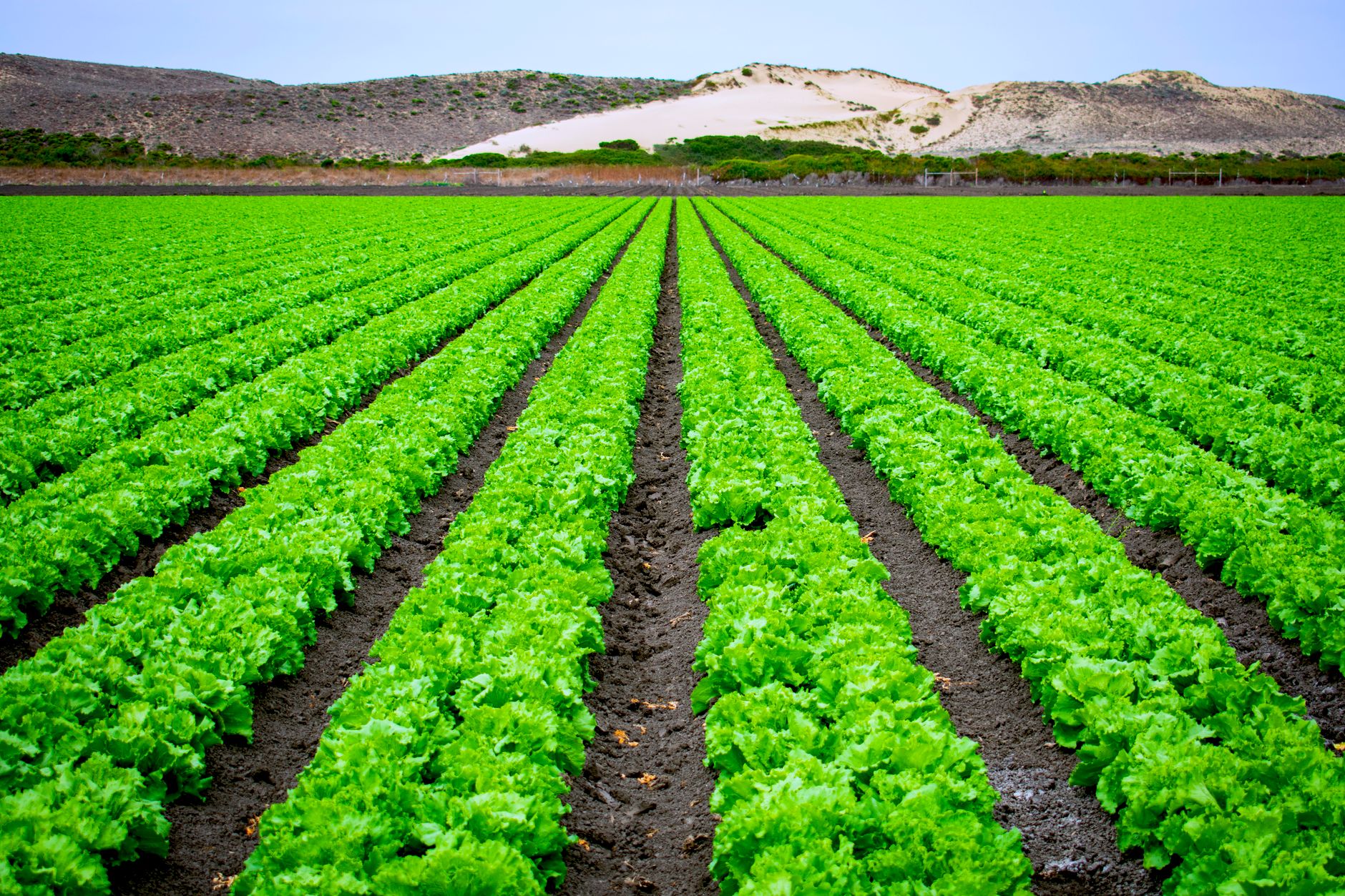
A 2023 modelling study by Reyes, Chavez and Stasiewicz in the Journal of Food Protection explains why preharvest detection is so difficult. The paper tested different sampling plans for irrigation water and produce. Its conclusion was uneasy: when contamination occurs in the field, the odds improve only with frequent testing and broad sampling. That is expensive, logistically awkward and still uncertain when contamination is patchy.
Cyclospora adds a lab problem. The parasite cannot simply be cultured the way many bacteria can, which narrows what investigators can do once cases appear. Officials may know an outbreak is linked to fresh produce long before they can name the exact item, field or batch.
Suspect foods therefore sound familiar from year to year. Cilantro, basil, lettuce mixes, vegetable trays and berries fit the same risk profile. They are fresh, often uncooked and commonly assembled from more than one source. The pattern can repeat even when the final product changes.
What washing can and cannot do
Consumers should still rinse produce under running water, keep raw foods separate and watch for recalls. Those steps are sensible. They are not a fail-safe. The FDA says chlorine and similar sanitizers are not reliably effective against Cyclospora, one reason prevention has to start earlier in the chain.
The agency’s guidance makes the point directly:
“Controlling sources of contamination in the field, in the packinghouse, and from farm workers is key to preventing outbreaks.”
FDA, Cyclosporiasis and Fresh Produce
Prevention, then, sits mostly with farms, water systems, worker sanitation and produce handling, not with the home kitchen. This is why consumer advice can feel unsatisfying. Once contamination is already on ready-to-eat produce, the strongest protections may no longer be in the shopper’s hands.
What to watch next
The next phase of a Cyclospora investigation is usually less dramatic than the first headlines. Investigators compare food histories, narrow ingredient lists and look for a shared supplier or handling point. Sometimes that work identifies a source. Often the answer stays partial.
For researchers, the missing piece is not more case counting. Totton et al. (2021) pointed to the shortage of soil and water detection studies. Reyes et al. (2023) showed how easy it is to miss patchy contamination unless sampling is frequent. Together, those findings help explain why public guidance still leans on hygiene checklists. A stronger answer would be earlier detection in the field.
For readers, the takeaway is not that produce is uniquely dangerous. Cyclospora exploits a specific weakness in fresh food systems: food eaten raw, moved quickly and exposed to sanitation failures early in the supply chain. Until detection in water and field settings improves, outbreaks may keep recurring for the same unglamorous reason as before. The science of prevention still lags behind the science of recognizing an outbreak once people are already sick.
References
- Totton SC, O’Connor AM, Naganathan T, et al. A scoping review of the detection, epidemiology and control of Cyclospora cayetanensis with an emphasis on produce, water and soil. Epidemiology & Infection. 2021. https://doi.org/10.1017/S0950268821000200
- Reyes GA, Chavez RA, Stasiewicz MJ. Modeling preharvest Cyclospora cayetanensis sampling and testing for various water and produce sampling plans. Journal of Food Protection. 2023. https://doi.org/10.1016/j.jfp.2023.100161
The Vitalspell brief
Evidence-based supplement science — weekly in your inbox.
Subscribe