Bacopa monnieri outperforms Ginkgo biloba for working memory, analysis finds
A 2026 network meta-analysis of 29 trials found high-dose Bacopa monnieri substantially outperformed Ginkgo biloba for working memory in healthy adults, though the comparison relies on indirect evidence with no head-to-head trials.
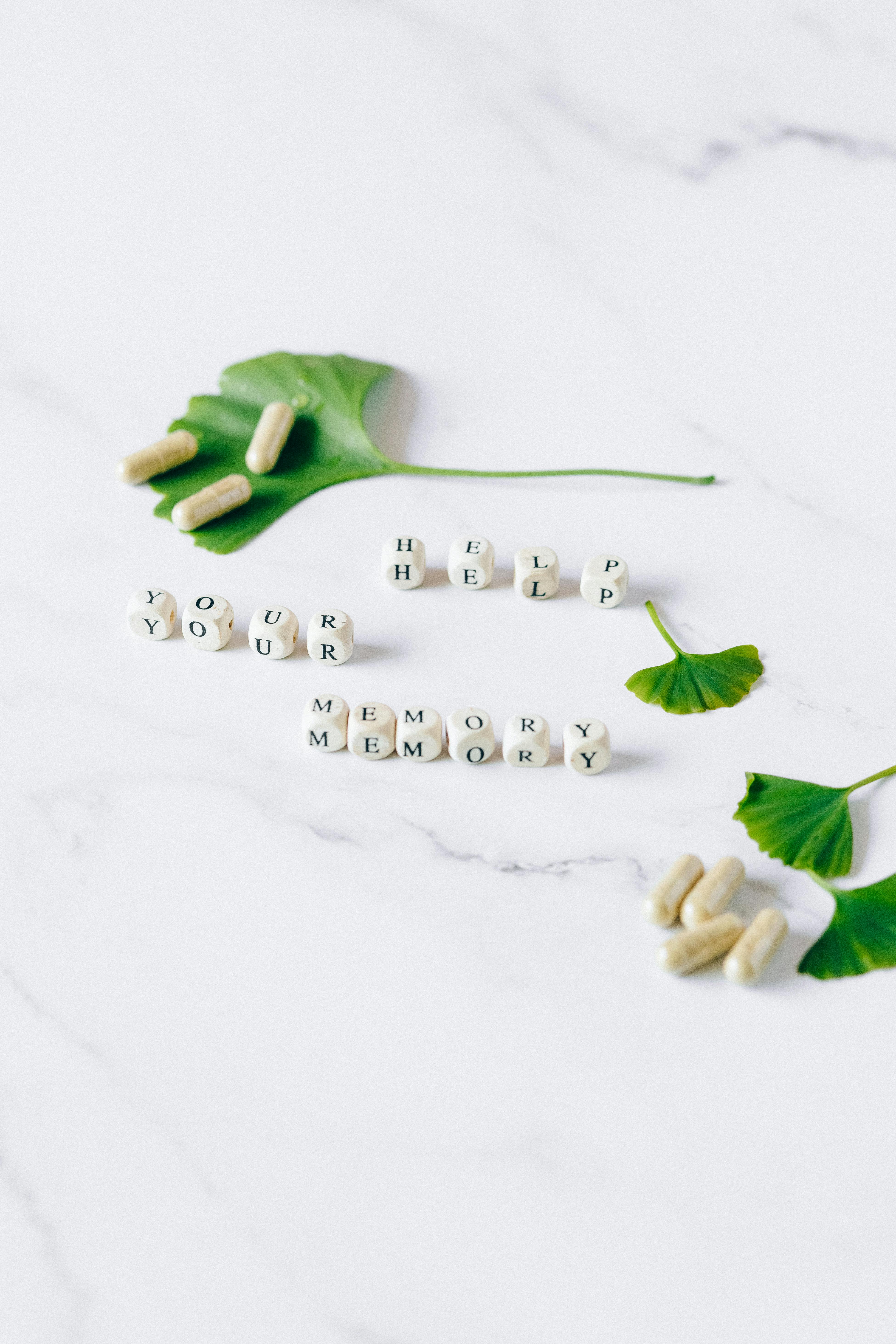
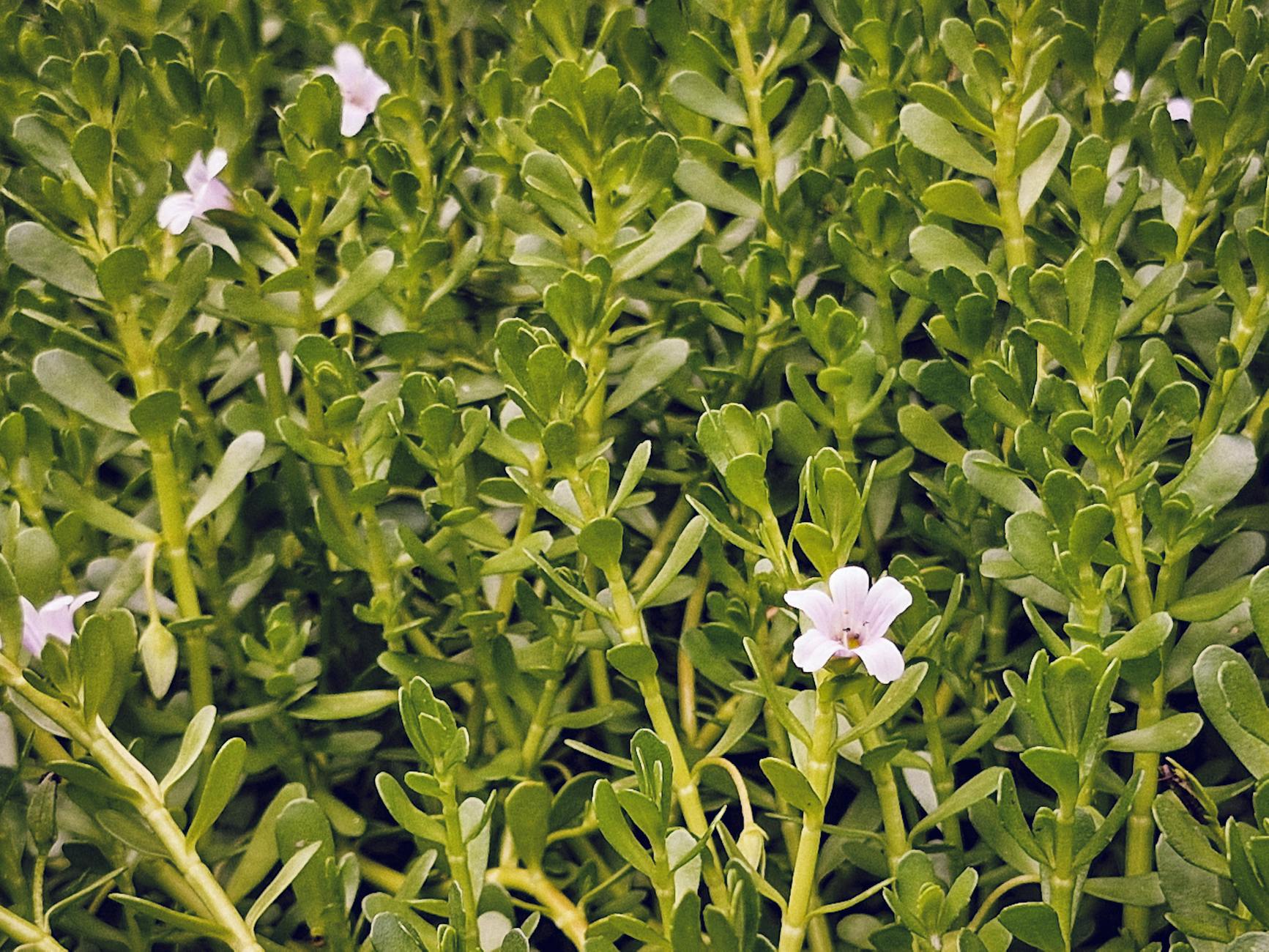
A network meta-analysis of 29 randomized controlled trials encompassing 2,107 healthy adults has found that high-dose Bacopa monnieri, the Ayurvedic herb also known as Brahmi, substantially outperforms Ginkgo biloba for working memory. The study, published in April 2026 in Phytomedicine by researchers at Naresuan University in Thailand, is the first to compare the two most widely studied botanical nootropics using indirect evidence. The margin is not close.
At 600 milligrams per day or higher, Bacopa monnieri produced a standardized mean difference of 2.03 compared to placebo for working memory (95% CI 1.28 to 2.78). The authors describe the effect as large and statistically robust. Even high-dose Ginkgo biloba, at 240 milligrams per day and above, showed no significant separation from placebo on the same outcome. When compared against each other indirectly through the network, high-dose Brahmi outperformed high-dose Ginkgo with an SMD of 1.94 (95% CI 1.10 to 2.77).
“Brahmi, particularly in high-dose formulations, shows promise as a cognitive enhancer compared to Ginkgo in healthy adults,” the authors conclude. The finding consolidates evidence from nearly three dozen trials in a single analytical framework. But it comes with a structural caveat the authors are transparent about: no randomized trial has ever put one group on Bacopa and another on Ginkgo and measured the outcome head to head. Every comparison in this analysis is indirect, routed through the network meta-analysis model.
How the study was designed
Tiemtad and colleagues searched four databases (PubMed, EMBASE, Cochrane CENTRAL, and EBSCO Open Dissertations) in November 2024. They screened for randomized controlled trials that enrolled healthy adults, administered either Brahmi or Ginkgo extracts, and reported at least one cognitive outcome. After applying the Cochrane Risk of Bias version 2 tool, 29 trials with a combined 2,107 participants qualified.
The analysis stratified interventions by dose. High-dose Brahmi: 600 milligrams per day or more. Low-dose: 300 to below 600 milligrams. For Ginkgo, the high-dose cutoff was 240 milligrams per day, with low-dose spanning 60 to below 240 milligrams. Outcomes were pooled as standardized mean differences under a random-effects model. Treatments were ranked using surface under the cumulative ranking curve (SUCRA), a probabilistic method that scores each intervention from 0 to 100 percent based on how likely it is to be the best option.
What the numbers show
The dominant result is in working memory, where high-dose Brahmi achieved a SUCRA score of 100 percent. The model ranked it as the best treatment in every simulation. Effect sizes against each comparator were large: SMD 2.03 versus placebo, 1.94 versus high-dose Ginkgo, 2.04 versus low-dose Ginkgo, and 1.84 versus low-dose Brahmi.
Short-term memory and delayed memory also favored Brahmi, though the effect sizes were more modest. A separate 2026 network meta-analysis published in Frontiers in Pharmacology examined 25 trials of plant-derived active substances in 1,861 healthy older adults and found the same pattern. Bacopa monnieri significantly improved learning and memory (mean difference 0.49, 95% CI 0.07 to 0.90). Ginkgo biloba did not; its confidence interval crossed zero (MD 0.25). For executive function, a multi-ingredient Bacopa compound produced the largest effect among all interventions tested (MD 1.28, 95% CI 0.78 to 1.78), while Ginkgo showed a smaller, borderline-significant benefit (MD 0.30, 95% CI 0.01 to 0.59).
Neither herb improved sustained attention, selective attention, or processing speed. In the Tiemtad analysis, no dose of either Bacopa or Ginkgo produced a statistically significant change in these domains. The benefits appear specific to memory, and specifically to working memory, rather than a general cognitive boost.
The dose question
The most actionable finding concerns dosing. Low-dose Brahmi, at 300 to below 600 milligrams per day, produced smaller and less consistent effects than the high-dose regimen. Bacopa above 600 milligrams per day works. The evidence for lower doses is thinner. Many commercial supplements deliver 300 to 450 milligrams per capsule, which means a single-capsule routine sits below the threshold associated with the largest effects.
Ginkgo at 240 milligrams per day did not separate from placebo for working memory. The herb has stronger evidence in other contexts (age-related cognitive decline, cerebral insufficiency), but for memory in healthy adults the signal is not there.
What the evidence cannot yet say
The authors flag the absence of direct head-to-head trials as the central limitation. Network meta-analysis is a valid method for comparing treatments not tested against each other (NICE in the United Kingdom uses it for technology appraisals). But indirect comparisons are less reliable than randomized head-to-head evidence. The confidence intervals around the Bacopa-versus-Ginkgo estimates are wide (1.10 to 2.77). That width comes from routing the comparison through placebo as a common reference.
A second issue is heterogeneity. The Bacopa preparations in the 29 trials used different standardized extracts with varying bacoside content (the compound group thought to drive cognitive effects), yet the analysis pools them as a single intervention class. A 20 percent bacoside formulation may produce different results from a 50 percent one. The evidence does not say which is optimal.
Duration is another open question. Most included trials ran between 8 and 12 weeks. Bacopa’s traditional use in Ayurveda assumes chronic administration over months, and some mechanistic work suggests its effects on dendritic branching and acetylcholinesterase inhibition are cumulative. The meta-analysis cannot say whether effects grow or plateau beyond 12 weeks.
Where this leaves the evidence
The Tiemtad paper makes the strongest case to date that Bacopa monnieri, at 600 milligrams per day or higher, improves working memory in healthy adults. The effect sizes are large enough to matter clinically. It also shows that Ginkgo biloba, at least in healthy populations, does not produce comparable memory benefits.
But it does not settle the comparison. Until someone runs a trial with one arm on Bacopa and the other on Ginkgo, measuring memory outcomes directly, the ranking rests on modeled evidence. The dose finding is more actionable than the ranking. If you are going to try Bacopa, the data say you need at least 600 milligrams per day to get the working-memory effect the trials describe.
“The absence of direct head-to-head trials may limit the strength of this evidence,” the authors write. That sentence matters as much as any effect size in the paper.
References
- Tiemtad P, Ingkaninan K, Temkitthawon P, et al. Comparative effects of Bacopa monnieri and Ginkgo biloba on cognitive functions: A systematic review and network meta-analysis. Phytomedicine 153:157915. 2026. https://pubmed.ncbi.nlm.nih.gov/41678913/
- (Multi-author). The effect of plant active substances on cognitive function in healthy older adults: a systematic review and network meta-analysis of randomized controlled trials. Frontiers in Pharmacology. 2026. https://pmc.ncbi.nlm.nih.gov/articles/PMC12864429/
Cognitive science writer covering nootropics, focus protocols, and the evidence behind brain supplements. Reports from Stockholm.
The Vitalspell brief
Evidence-based supplement science — weekly in your inbox.
Subscribe