Do you need a creatine loading phase? What the evidence says
Most adults do not need a creatine loading phase to get the long-term benefits. The evidence suggests loading mainly changes how fast muscle stores fill.
A burst of mainstream creatine coverage has revived a familiar gym argument: should a newcomer start with a loading phase, or just take the usual daily scoop and move on? The evidence points to a narrower answer than supplement marketing usually gives. Most healthy adults do not need a loading phase to get the long-term benefits of creatine monohydrate. Loading fills muscle stores faster. It does not appear to be mandatory if someone is willing to wait a few weeks.
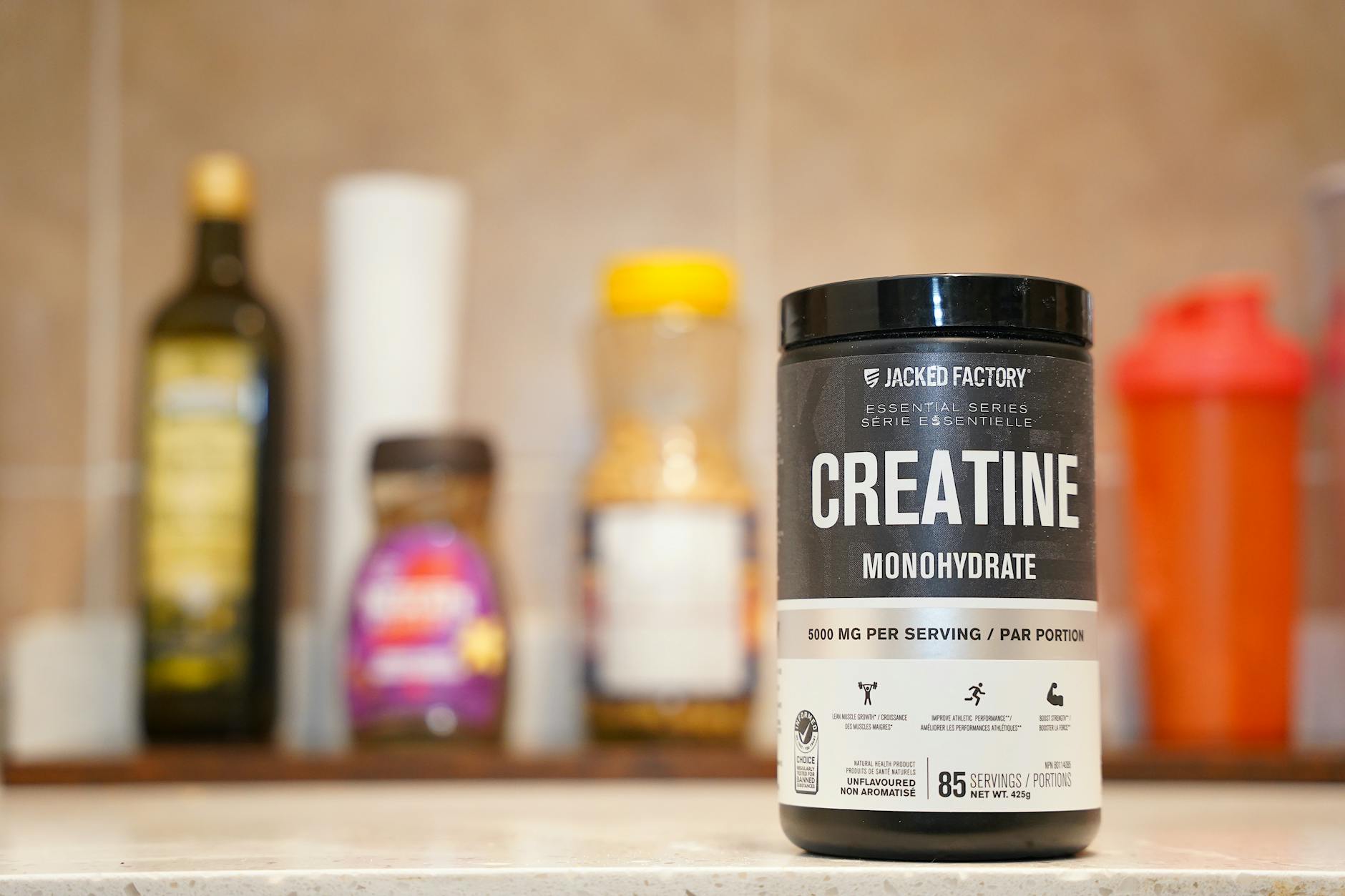
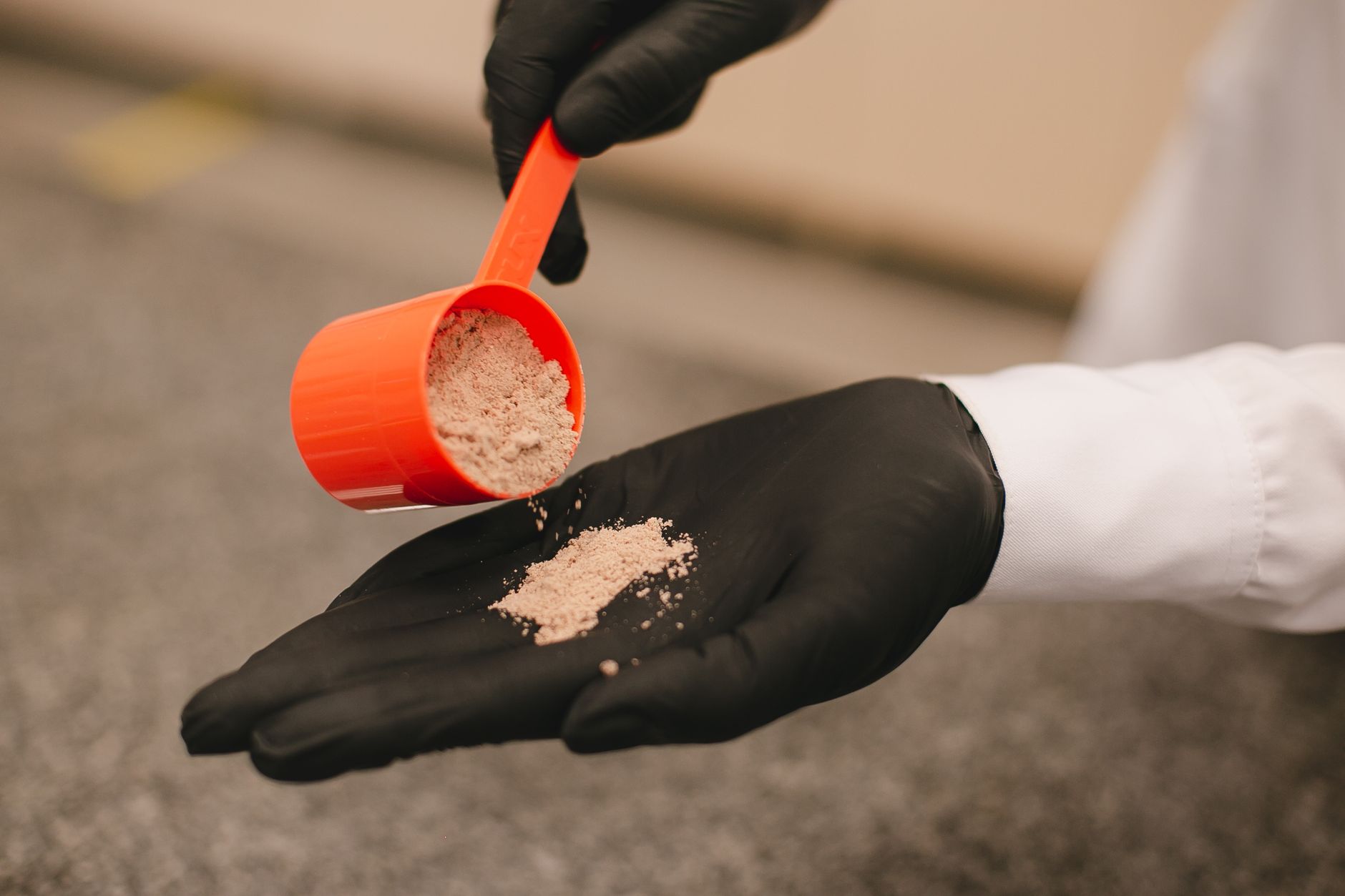
Consumer advice often blurs that distinction. A loading phase usually means 20 grams a day for five to seven days, then about 3 to 5 grams a day after that. The point is to saturate muscle, or raise intramuscular creatine stores quickly enough to support repeated high-intensity effort. That protocol works. The real question is whether speed matters enough to justify it for everyone.
What a creatine loading phase actually does
The old study that set the template still matters. In the 1996 Journal of Applied Physiology study by Hultman and colleagues, 20 grams a day for six days pushed muscle creatine stores up quickly, after which a smaller daily dose could maintain them. Coaches and supplement labels still lean on that finding, and not without reason. It established that loading is an efficient way to reach saturation fast.

Speed is the key word. Loading does not create a different endpoint so much as it changes the timetable. Someone who wants fuller stores before a new training block, a competition, or a short run of hard intervals may care about that one-week ramp. Someone taking creatine for a longer stretch may not.
The clearest modern summary comes from a 2024 dose-response meta-analysis in the Journal of the International Society of Sports Nutrition. Across 143 randomised trials, Fereshteh Pashayee-Khamene and colleagues described the familiar protocol of 20 grams a day for five to seven days followed by 2 to 5 grams a day. They also noted that roughly 3 grams a day without loading can saturate intramuscular creatine stores in about 28 days.
So the tradeoff is fairly plain. Loading gets a person to full stores sooner. A smaller daily dose seems to reach the same place on a slower schedule.
Why most people can skip it
For everyday gym use, the endpoint matters more than the first week. The 2024 meta-analysis did not present loading as a biological requirement. What stood out instead was the bigger pattern around continued use and training. As the authors wrote, “Studies that incorporated a maintenance dose of creatine or performed resistance training in conjunction with supplementation had greater effects on body composition.”
That matters because it shifts the emphasis. Readers often treat the loading week as the important part, even though the more durable variables appear to be consistency and resistance training. Once muscle stores are elevated, keeping them there may matter more than how dramatic the ramp looked on day three.

A similar point appears in the 2026 Frontiers in Nutrition systematic review and meta-analysis by Gu, Li, Xiao, and Zhang. Pooling 37 trials in healthy men aged 18 to 30, Gu and colleagues found that creatine improved anaerobic power with or without resistance training, while gains in fat-free mass and lean body mass were stronger when supplementation was paired with resistance training. The authors concluded that creatine “leads to an increase in anaerobic power regardless of the training environment.”
Taken together, those papers make loading look more optional than essential. They support creatine as a useful supplement. They also suggest that training context and ongoing intake do more to shape outcomes than the decision to front-load the first week.
When loading may make sense
Loading is still a reasonable choice in some situations. A short deadline is the obvious one. If someone starts creatine just before a heavy training cycle, competition, or preseason block, waiting four weeks for gradual saturation may be less appealing.
Research and coaching settings may also prefer loading because it standardises the protocol. There is a behavioural case too. Some people find it easier to follow a defined first-week plan, then settle into a smaller daily routine.
The downside is tolerance. Bigger short-term doses can be rougher on the stomach, especially if they are taken in one hit instead of spread through the day. The papers in this bundle say more about efficacy than side effects, so the tolerance evidence here is thinner. Even so, steady daily dosing has one practical advantage: it asks less of the person taking it.
What the evidence still cannot settle
Limits remain. The 2026 Frontiers review focused on young men, which helps with performance questions but does not answer everything for women, older adults, or people taking creatine for reasons beyond the gym. The 2024 meta-analysis is broader, yet large syntheses still combine studies with different durations, training plans, and dosing details.
That leaves a narrower, more defensible conclusion. A loading phase speeds the rise in muscle creatine stores. It does not seem clearly necessary for the eventual benefits most people want from creatine monohydrate. Whether it is worth doing comes down to time horizon, tolerance, and training goal.
Supplement marketing tends to frame loading as a rule. The papers support something softer. It is an option for people who want faster saturation, not a requirement for everyone else. Readers trying creatine for the first time should match the dosing strategy to their timeline, and consult their doctor before starting any supplement.
References
- Hultman E, Söderlund K, Timmons JA, Cederblad G, Greenhaff PL. Muscle creatine loading in men. Journal of Applied Physiology 81(1):232-237. 1996. https://pubmed.ncbi.nlm.nih.gov/8828669/
- Pashayee-Khamene F, Heidari Z, Asbaghi O, et al. Creatine supplementation protocols with or without training interventions on body composition: a GRADE-assessed systematic review and dose-response meta-analysis. Journal of the International Society of Sports Nutrition. 2024. https://pmc.ncbi.nlm.nih.gov/articles/PMC11268231/
- Gu J, Li Y, Xiao J, Zhang Y. Creatine supplementation in young men under resistance versus non-resistance training: a systematic review and meta-analysis of strength, performance, and lean mass. Frontiers in Nutrition. 2026. https://www.frontiersin.org/journals/nutrition/articles/10.3389/fnut.2026.1800546/full
The Vitalspell brief
Evidence-based supplement science — weekly in your inbox.
Subscribe