Raisins and tart cherry beat ginkgo for memory in a landmark meta-analysis
A 2026 network meta-analysis of 25 RCTs found raisins and tart cherry ranked highest for learning and memory, while a Bacopa monnieri compound led in executive function. Ginkgo biloba sat mid-pack.
Raisins and tart cherry beat ginkgo for memory in a landmark meta-analysis
When researchers at Shandong University of Traditional Chinese Medicine set out to compare how different plant compounds affect the aging brain, the supplements that came out on top were not the ones lining pharmacy shelves. Raisins. Tart cherry juice. A Bacopa monnieri formulation that most people have never heard of.
The 2026 network meta-analysis, published in Frontiers in Pharmacology, pooled 1,861 healthy older adults from 25 randomized controlled trials. It is the first study to rank 10 plant active substances against each other rather than just against placebo. Feng and colleagues found that raisins had a 95.1 percent probability of being the best intervention for learning and memory. Tart cherry placed second at 89.5 percent. Ginkgo biloba, the $1.3 billion global supplement, did not crack the top two in any domain.
The authors were direct about what they found. “The NMA results indicate that in terms of learning and memory functions, raisin and tart cherry ranked higher,” they wrote. For executive function, “the bacopa monnieri compound demonstrated a relatively better intervention effect.” Curcumin and tart cherry followed in that domain. The effect sizes are spelled out in the paper and reproduced below.
One pattern held across all 10 substances: safety. Only eight of the 25 trials tracked adverse events, but among those that did, the worst complaint was mild gastrointestinal discomfort. One Bacopa trial recorded a statistically higher rate of GI issues. No serious toxicity appeared anywhere in the dataset.
How the study was designed
The authors searched Embase, PubMed, the Cochrane Library, and Web of Science through December 2024. They looked for randomized controlled trials testing plant active substances against placebo or another active comparator in adults aged 50 and older without diagnosed cognitive impairment. Twenty-five trials met the inclusion criteria. Risk of bias was assessed with the Cochrane ROB tool version 6.5: six studies rated low risk, 15 moderate, and four high risk.
The analysis used a Bayesian network meta-analysis framework with Stata 15.1. Interventions were ranked by surface under the cumulative ranking curve (SUCRA), a standard method for comparing multiple treatments when head-to-head trials are sparse. The cognitive domains covered learning and memory (23 studies), complex attention (18 studies), executive function (16 studies), language (4 studies), and perceptual-motor skills (3 studies). With only four studies feeding the language domain and three for perceptual-motor, those rankings are the least reliable in the set.
The tests used varied by domain. Memory was assessed with instruments including the Rey Auditory Verbal Learning Test, the California Verbal Learning Test, and the Cambridge Neuropsychological Test Automated Battery (CANTAB). Executive function was measured with the Stroop Color and Word Test, the Trail Making Test Part B, and spatial working memory tasks. Each tool captures a distinct facet of cognition. That distinction matters. A substance that improved performance on one test did not necessarily move the needle on another.
What the rankings found, domain by domain
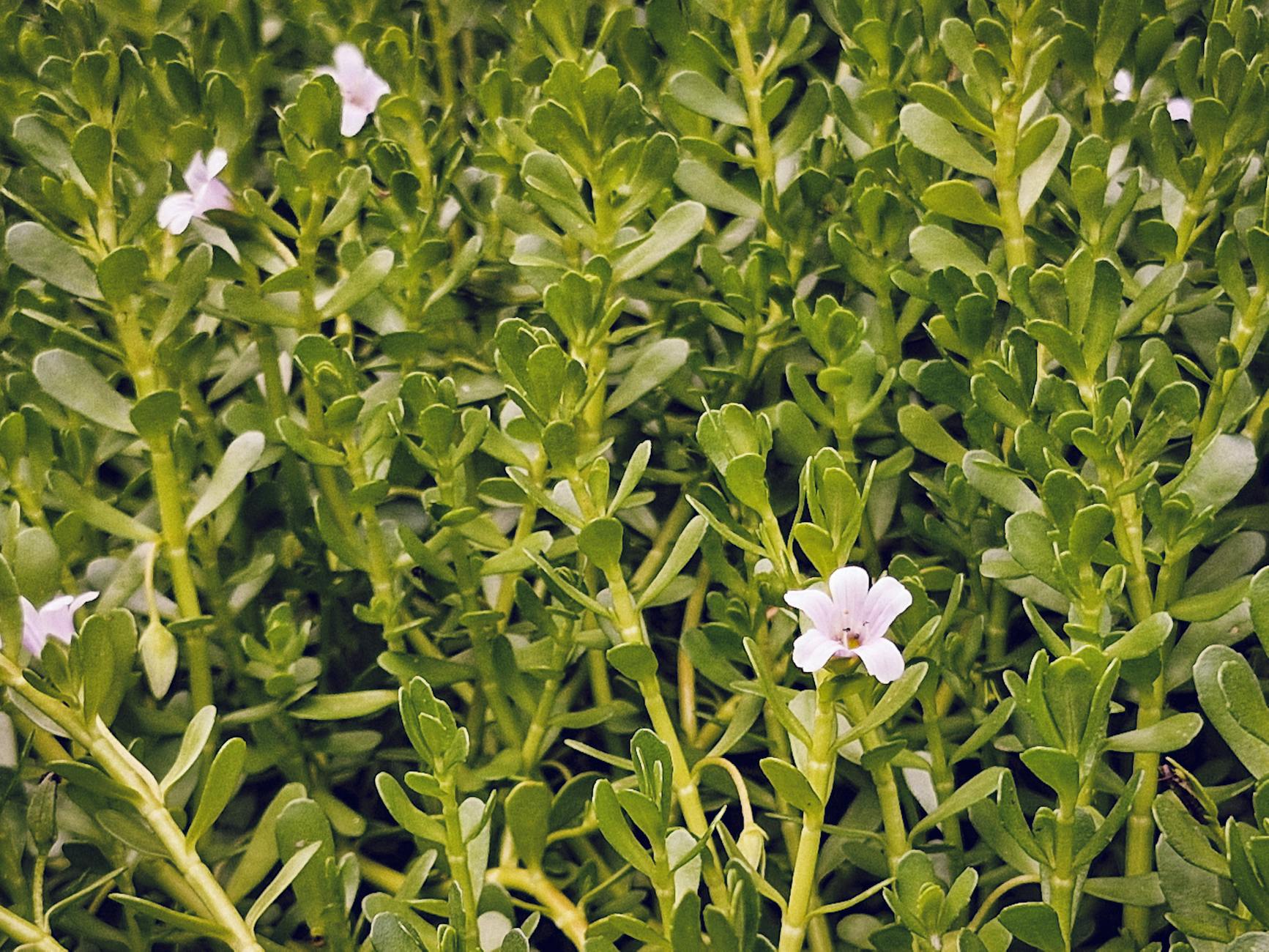
For learning and memory, raisins (SUCRA 95.1 percent) and tart cherry (89.5 percent) occupied the top two spots. Bacopa monnieri alone produced a smaller but still significant benefit (MD 0.49, 95% CI 0.07 to 0.90), placing it third among single-compound interventions. The comparative effects of Bacopa monnieri and Ginkgo biloba have been examined before, but this analysis adds tart cherry and raisin to the league table for the first time.
Executive function told a different story. A Bacopa monnieri compound that also contained lycopene, astaxanthin, and vitamin B12 ranked first (SUCRA 91.3 percent, MD 1.28, 95% CI 0.78 to 1.78). Curcumin followed at 89.3 percent (MD 1.12, 95% CI 0.72 to 1.70). Tart cherry placed third (SUCRA 88.9 percent, MD 1.21, 95% CI 0.47 to 1.96). The Bacopa compound’s advantage over isolated Bacopa probably reflects synergy between its four constituents. The study design cannot confirm that directly. Several multi-component preparations appeared in the trial pool (a Ginkgo biloba plus gotu kola and DHA pill, a grape and blueberry polyphenol blend), and it is not possible to say which ingredient in any of them did the work.
Language function was led by the same Bacopa monnieri compound (SUCRA 93 percent, MD 0.75, 95% CI 0.29 to 1.21). Raisins ranked second (SUCRA 80.7 percent). For perceptual-motor skills, guarana produced the highest probability of benefit (SUCRA 90.3 percent, MD 1.09, 95% CI 0.34 to 1.85 versus caffeine).
Complex attention was the exception. None of the 10 substances outperformed placebo for sustained or selective attention in healthy older adults. The effect was essentially flat across the board.
What the findings mean, and what they do not
SUCRA rankings are probabilities, not certainties. A SUCRA of 95.1 percent for raisins does not mean they improve memory in 95 percent of people. It means that, based on the trials in this analysis, raisins are more likely than the nine alternatives to be the best performer. The distinction trips up readers who are new to network meta-analysis, and it is worth dwelling on.
The absolute effect sizes were real but modest. Raisins beat placebo by 1.09 points on standardized cognitive batteries (95% CI 0.46 to 1.71). That is a signal worth investigating. It is not a cognitive fountain of youth.
The practical question is straightforward: if someone starts eating a cup of raisins a day or drinking tart cherry juice, does their cognitive trajectory change? Nobody knows. The trials in this analysis used different doses for different durations. Hardly any ran past 12 weeks. The durability question is wide open.
The polyphenol hypothesis offers one explanation. Raisins and tart cherries pack anthocyanins, flavonols, and resveratrol at concentrations that have shown antioxidant and anti-inflammatory effects in animal models. These compounds cross the blood-brain barrier in rodents. Whether a dietary dose reaches the same concentrations in human brain tissue is unproven. The raisin studies used roughly one cup per day. That cup comes with around 30 grams of sugar. For an older adult watching their glucose, the benefit has to be weighed against that.
The authors flagged the obvious next steps: long-term safety data, dose optimization, and a serious look at the synergy mechanisms that might explain why certain combinations outperformed single compounds.
The limitations worth knowing
Four of the 25 studies were high risk of bias. Only four studies contributed to the language rankings and three to perceptual-motor. Those domains are built on thin ground. Most of the 10 substances were tested in a single trial each rather than across independent labs. Publication bias was detected in some domains, so the literature probably overstates the positive findings.
The star performer needs an asterisk. The Bacopa monnieri compound that led executive function and language contained lycopene, astaxanthin, and vitamin B12 alongside Bacopa. Its ranking cannot be pinned on Bacopa alone. This is a structural problem for network meta-analysis. A single trial with a big effect on a multi-ingredient formula can dominate a domain, even when the evidence for each individual ingredient is limited.
The study population was healthy older adults without cognitive impairment. The results say nothing about people who already have mild cognitive impairment or dementia. The trial sites clustered in the United States, Australia, and the United Kingdom. Brazil, France, Italy, and Spain contributed one study each. How these findings translate to South Asian, East Asian, African, or Latin American populations is an open question.
Bottom line
This paper is the first to rank plant active substances against each other for cognitive aging. Before it, the evidence was a scattered set of placebo comparisons. Now there is a league table.
Raisins and tart cherry lead for memory. A Bacopa monnieri compound (with lycopene, astaxanthin, and B12) is the most consistent performer across executive function and language. Ginkgo biloba, the supplement people actually buy, sits in the middle of the pack. Guarana shows promise for perceptual-motor skills but only three studies fed that analysis.
The evidence is not strong enough for clinical guidelines. But if you are a researcher picking which compounds to study next, or a consumer trying to separate signal from noise, this paper is a better starting point than anything that existed before. Consult your doctor before starting any supplement.
References
- Feng X, Fan S, Wei F. The effect of plant active substances on cognitive function in healthy older adults: a systematic review and network meta-analysis of randomized controlled trials. Frontiers in Pharmacology 16:1672171. 2026. https://doi.org/10.3389/fphar.2025.1672171
- Kumar N, Abichandani LG, Thawani V, et al. Bacopa monnieri: preclinical and clinical evidence of neuroactive effects, safety of use and the search for improved bioavailability. Nutrients 17(11):1939. 2025. https://www.mdpi.com/2072-6643/17/11/1939
Tess Lindqvist
Cognitive science writer covering nootropics, focus protocols, and the evidence behind brain supplements. Reports from Stockholm.