Sodium in one meal: why a sandwich can pass 6 g
Sodium in one meal can top daily limits: one UK sandwich had 6.88 g of salt, but the bigger risk is repeated hidden intake.
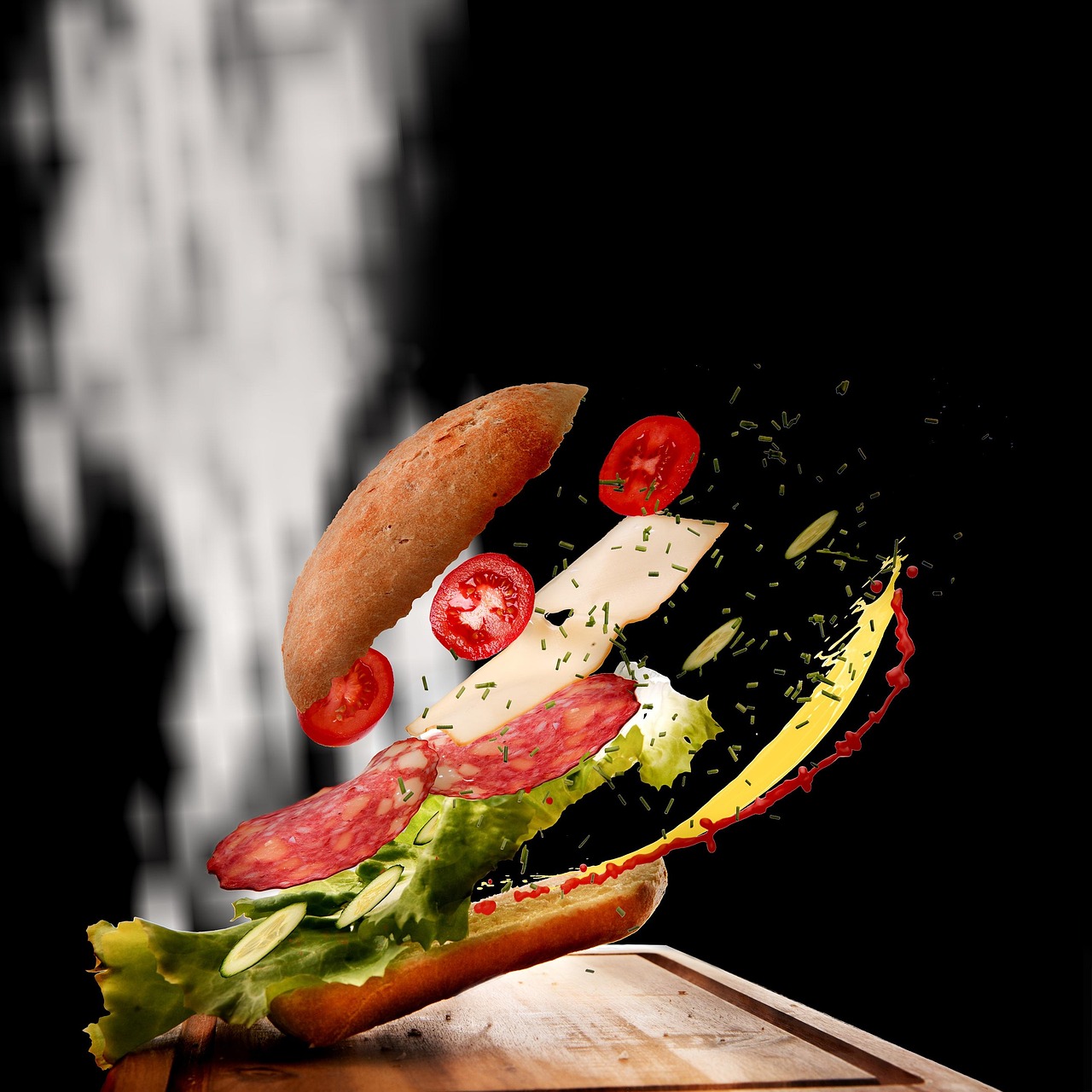
Start with the oddity: Britain’s saltiest sandwich sounds like a stunt until the number lands. In the BBC’s test, a bacon-and-chicken club from Gail’s was reported to contain 6.88 g of salt. At that point, an ordinary-looking lunch had already passed the UK’s recommended adult limit for a whole day.
No reader needs to treat the sandwich as a medical emergency. Sonia Pombo of Queen Mary University of London and Action on Salt & Sugar told the BBC that one salty meal is not what decides long-term health. Taste gives few warnings, though, when a routine lunch can cross the daily line before dinner.
Once the wrapper is out of the frame, the story stops being about one bakery counter. Sodium is built into sandwiches, bread, cereals, cured meat and ready meals, so personal vigilance can only do so much. Regulators see a default-setting problem. Researchers ask the narrower question: when salt intake falls, how much does blood pressure move, and what happens to cardiovascular risk?
“Having a one-off, high-salt meal isn’t going to impact your long-term health.”
Sonia Pombo, BBC News
Seen this way, the BBC’s saltiest sandwich experiment does not prove that one lunch is dangerous. It makes the arithmetic visible.
The sandwich was a signal, not the diagnosis
A sandwich made the point because it is so familiar. It is lunch between meetings, lunch on a train platform, lunch bought because the other option is a pastry and coffee. This one, with a reported 6.88 g of salt, cleared the NHS inform adult limit of 6 g per day before the rest of the day’s food had entered the picture.

That number should prompt attention, not panic. It is not a case against one chain. Nor is it a reason to treat one meal as a diagnosis. Sodium often arrives quietly, through bread, cured meat, cheese, sauces and prepared fillings. The eater may never touch a salt shaker.
Pombo’s second comment gets closer to the biology than the outrage does.
“the amount we need is actually very, very small in the grand scheme of things”
Sonia Pombo, BBC News
Part of the confusion is that salt has two identities. In the kitchen, it is seasoning. In the body, sodium helps regulate fluid balance, nerve signalling and muscle function. Nobody is arguing that sodium has no use. The concern is ordinary intake overshooting ordinary need, especially when manufacturers have done much of the salting before anyone sits down to eat.
UK intake data make the sandwich look less like a freak example. The BBC cited 2019 National Diet and Nutrition Survey estimates of 9.2 g of salt per day for men and 7.6 g for women, both above the 6 g guidance. A lunch that crosses the line by itself is memorable. A pattern that crosses it quietly, most days, is the public-health problem.
What the evidence says about sodium and blood pressure
Blood pressure explains why sodium draws so much official attention. The relationship is messy in the usual nutrition-evidence ways: salt sensitivity varies, diet records are noisy and long trials are hard to run. Still, the direction is not especially mysterious. Lower salt intake tends to lower blood pressure, and high-sodium diets are linked with cardiovascular burden at population scale.

Zhang, Xu, Nie and colleagues tested the intervention evidence in a 2025 systematic review and meta-analysis in Nutrition Reviews. Their trials asked what happens when salt intake changes, rather than simply comparing people who eat differently. In the researcher’s synthesis, lower intake was associated with lower blood pressure, with effect size depending on baseline intake, study design and the group being studied.
Kong, Liu, Zhou and colleagues approached the question from a different angle in an umbrella review in Annals of Medicine, looking across meta-analyses and dose-response evidence on salt and cardiovascular outcomes. Such reviews inherit the weaknesses of the reviews underneath them. Their value is breadth: they ask whether the literature points in the same general direction, rather than letting one striking trial carry the argument.
Population modelling supplies the harsher frame. Nie, Wang, Huang and colleagues’ 2025 analysis in Frontiers in Nutrition used Global Burden of Disease 2021 data to estimate deaths and disability linked to high-sodium diets from 1990 to 2021. That paper cannot tell one person what to order for lunch. It can explain why health agencies treat sodium reduction as public health, not just personal preference.
WHO guidance is tighter than the UK limit. The agency’s sodium reduction fact sheet recommends less than 5 g of salt per day for adults and quotes Dr Luz Maria De Regil on the scale of the problem.
“excess salt consumption remains among the top preventable drivers of death globally”
Dr Luz Maria De Regil, World Health Organization
Beside a sandwich wrapper, that sentence sounds too large. It is not describing the effect of one lunch. It is describing meals, packaged foods and restaurant defaults repeated across years.
The hidden-salt problem is mostly boring food
Stopping the table salt would be a neat answer. It would also miss much of the exposure. NHS inform points readers toward everyday processed foods, including bread, breakfast cereals and ready meals. In the BBC analysis, sandwiches led the high-street comparison. These foods do not have to taste aggressively salty to matter. They just have to be eaten often.
Policy arguments keep returning to reformulation for that reason. Label reading helps, but it asks for time, attention and numeracy in the aisle. Reformulation changes the default. If sodium falls in bread or prepared fillings without making the food unacceptable, many people eat less salt without turning lunch into a spreadsheet.
Context still matters. A long-distance runner after a hot race, a person eating mostly fresh food and someone whose usual diet is built around processed meals do not share the same pattern. One sandwich should not become a morality play about one purchase. The more useful unit is the week.
At home, the practical move is to look where habit hides the number. A person who cooks most dinners from scratch may still get a large share of salt from bread, deli meat, cheese, sauces or bought lunches. Someone else may rarely eat sandwiches but lean on soups, frozen meals or restaurant food. The source changes. The arithmetic does not change much.
Compare like with like. If two sandwiches are equally appealing, the lower-salt option matters more than a vague front-label promise. A soup or ready meal that already supplies most of the daily limit can make dinner the second high-sodium meal without feeling extreme. That is not diet perfectionism. It is pattern recognition.
Potassium helps the context, but it is not an escape hatch
Sodium rarely travels alone in blood-pressure science. Potassium intake, fruit and vegetable intake, body weight, alcohol, exercise and kidney function all shape risk. Consumer coverage has recently revived interest in potassium-rich foods, and the physiology is real enough: potassium and sodium belong in the same conversation.

Potassium is not a permission slip for unlimited salty food. For most readers, the safer frame is dietary pattern: more minimally processed foods, more fruit and vegetables, fewer salty defaults, and a closer look at packaged lunches. People with kidney disease or those taking blood-pressure medications should not treat potassium advice as casual wellness guidance. They need clinician-specific advice.
Similar restraint applies to sodium targets. A population limit is not a personalised prescription. Athletes, people with certain medical conditions and people taking specific medications may have different needs. The average adult choosing lunch, however, does not need to solve every edge case before noticing that 6.88 g of salt in one meal leaves almost no room for the rest of the day.
What to do after the salty sandwich headline fades
Use the BBC story to make invisible sodium legible, not to swear off sandwiches. Check the salt number on foods eaten often, not only on foods that seem indulgent. Bread, cheese, cured meats, sauces, soups and prepared meals deserve more attention than the occasional salty restaurant plate.
For policymakers and food companies, the takeaway is sharper. If the evidence base links high-sodium diets with blood-pressure and cardiovascular burden, sodium reduction cannot depend only on consumers catching every number. Product reformulation, clearer labelling and procurement standards in cafeterias and hospitals are less glamorous than a viral sandwich, but they are closer to the scale of the problem.
For everyone else, the right emotional response is boring and useful. Do not catastrophize one lunch. Do not ignore it either. Sodium risk is mostly cumulative, and cumulative risks are built from ordinary choices repeated until they stop looking like choices.
The sandwich did not reveal that lunch is dangerous. It revealed how quickly a daily limit can disappear.
References
- Nie Y, Wang N, Huang M. Global burden of disease from high-sodium diets, 1990–2021: analysis of GBD 2021 data. Frontiers in Nutrition. 2025. https://doi.org/10.3389/fnut.2025.1617644
- Kong F, Liu Q, Zhou Q. Dietary salt intake and cardiovascular outcomes: an umbrella review of meta-analyses and dose-response evidence. Annals of Medicine. 2025. https://doi.org/10.1080/07853890.2025.2582065
- Zhang Z, Xu Y, Nie K. Association Between Changes in Salt Intake and Blood Pressure: A Systematic Review and Meta-Analysis of Randomized Controlled Trials. Nutrition Reviews. 2025. https://doi.org/10.1093/nutrit/nuaf222
The Vitalspell brief
Evidence-based supplement science — weekly in your inbox.
Subscribe