Why five-a-day may miss the flavanol target for heart health
Flavanols for heart health may require more than five servings a day, because food choice, biomarkers and outcome evidence do not all line up.
A new 2026 Food & Function paper lands on an awkward point for public-health nutrition. People can hit the familiar five-a-day target and still miss the flavanol intake level that has been linked to cardiovascular benefit. In the researchers’ biomarker-based analysis, the problem was not simply that people ate too little produce. It was that broad serving guidance and flavanol-rich food choice are not the same thing.
Seen that way, the paper becomes more interesting than the headlines about apples and berries. Javier I. Ottaviani and colleagues examined biomarker data from the US COSMOS randomized clinical trial and the UK’s EPIC-Norfolk cohort, covering 30,663 participants in total. They asked a narrower question: how many people actually reached about 500 mg a day of flavanols, the intake level tied to the most-discussed cardiovascular signal in COSMOS? The answer was not many.
Still, the skeptical reading belongs near the top of the story, not the bottom. As BBC News reported, cardiologist Naveed Sattar cautioned that the field still lacks hard proof that ordinary diets delivering 500 mg of flavanols translate into fewer heart attacks or strokes in the way readers may assume. A biomarker threshold is not a clinical endpoint. Nor is a cocoa-extract trial the same thing as telling people to eat more berries.
So the useful takeaway is narrower and more honest. Five-a-day works as a population slogan because it is simple. This paper shows what that slogan cannot capture: when the nutrient or bioactive in question is specific, the composition of the basket matters more than the raw number of servings.
What the new paper actually measured
Here, the Food & Function study did not rely on the kind of diet diary that often turns nutrition reporting into guesswork. Instead, it used urinary biomarkers, gVLMB and SREMB, to estimate flavanol exposure in free-living adults from two well-known cohorts. That matters because bioactive compounds are notoriously hard to reconstruct from memory, food databases and portion-size recall alone.
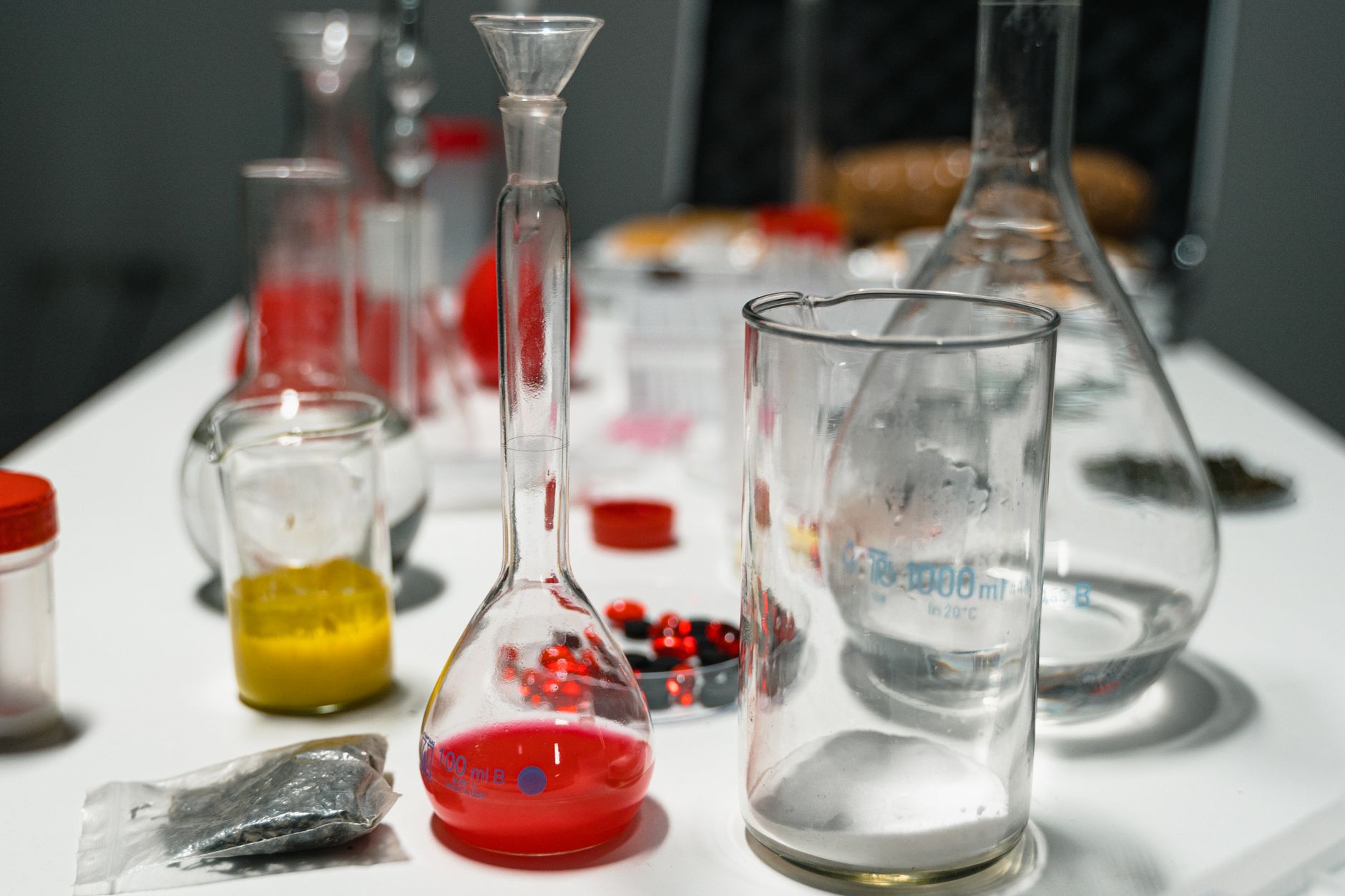
By that biomarker yardstick, only 19.2 percent of COSMOS participants and 17.9 percent of EPIC-Norfolk participants reached the 500 mg a day level. Even among people in the top quartile for fruit-and-vegetable intake, only 21 percent made it there. That is the paper’s real argument. It is not that produce does not help. It is that quantity alone is a blunt instrument for a chemically specific target.
Ottaviani put the point plainly in ScienceDaily’s summary of the study:
“Most people assume that eating plenty of fruit and vegetables covers this, but what this research shows is that the specific choices you make matter far more than the total amount.”
Javier I. Ottaviani, ScienceDaily
In The Conversation, corresponding author Gunter G. C. Kuhnle made the companion case for the method itself. Kuhnle and co-authors argued there that biomarkers are especially useful here because flavanol intake varies widely even within foods that live in the same healthy-sounding category. A serving of produce is easy to count. It says far less about the underlying flavanol profile. That at least partly answers one of the central method questions raised by the paper: for measuring exposure to bioactives, urinary biomarkers can outperform diet questionnaires. What they cannot do is settle the downstream outcome question on their own.
Why the 500 mg target is not a food prescription
Crucially, the 500 mg benchmark did not come from this new paper. It came largely from the COSMOS trial, a large randomized study in older adults that tested cocoa extract providing 500 mg a day of flavanols. COSMOS did not significantly lower total cardiovascular events on its primary endpoint, but it did report a 27 percent reduction in cardiovascular death. That is why the number keeps surfacing. It has intervention history behind it, not just epidemiology.
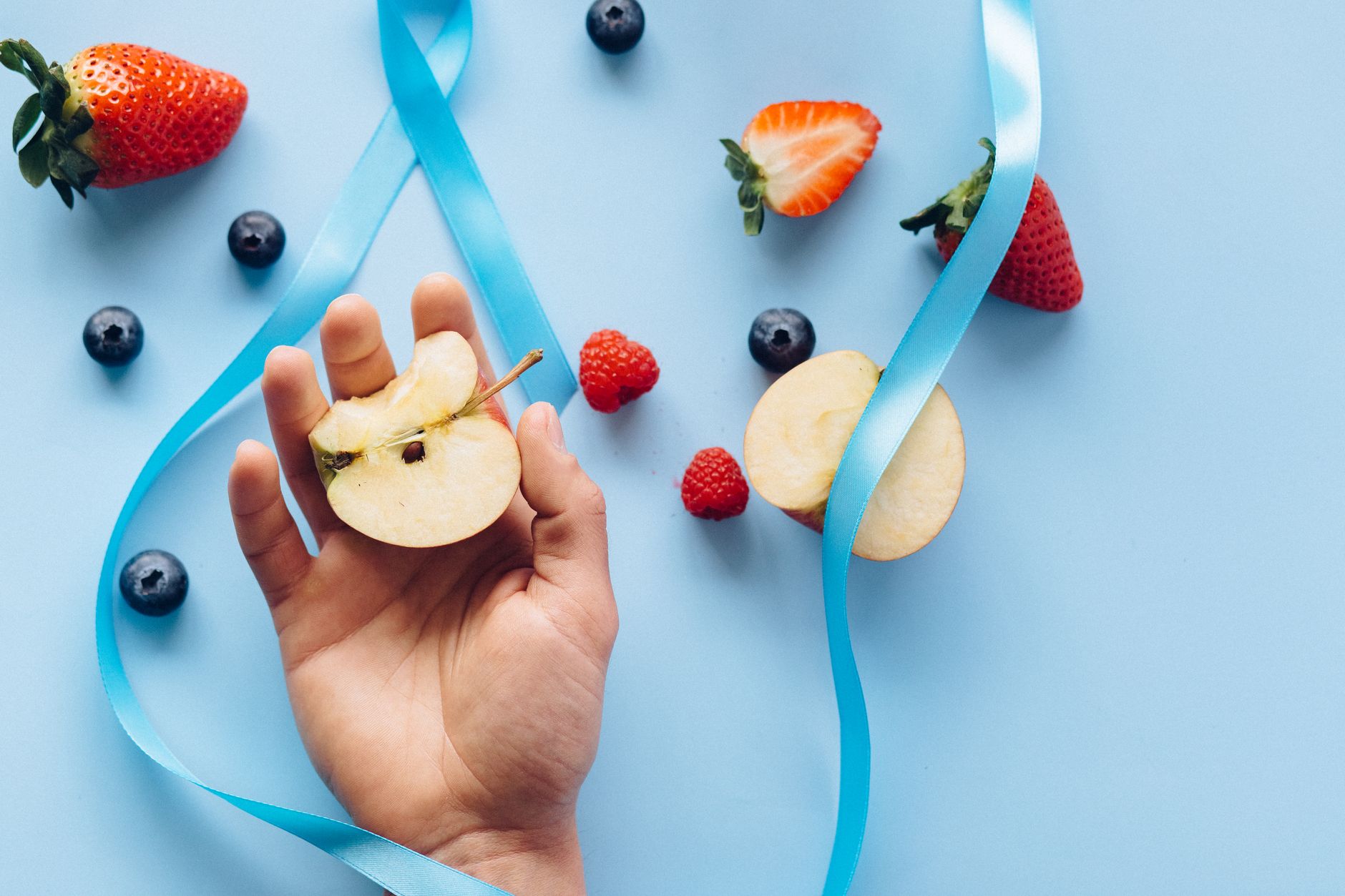
Encouraging, yes. Definitive, no. The skeptical perspective matters because the route from cocoa extract in a trial to mixed foods in daily life is not straight. Different food matrices change absorption. Preparation matters. So does what else is eaten alongside the food. A number that looks clean in a supplement study can get messy fast once it enters ordinary diets.
That is the concern Sattar raised in the BBC’s coverage. He was blunt:
“there was no real evidence yet showing actual reductions in heart disease outcomes.”
Naveed Sattar, BBC News
Even so, he is right to draw that line. The present paper shows that current dietary guidance often misses a flavanol target associated with benefit. It does not prove that pushing free-living adults to that target through food will reproduce the same cardiovascular effect seen in a cocoa-extract arm. Those are related claims. They are not interchangeable claims.
Any good analysis piece should sit in that uncomfortable space. The biomarker story is stronger than a generic “superfood” story because it measures something real in the body. The clinical story is weaker than some headlines imply because outcome evidence remains partial. Both can be true at once.
What this could mean for dietary guidance
For regulators and guideline writers, the policy question is whether broad advice should stay broad. If certain bioactives matter for certain outcomes, public guidance may eventually need more specificity than “eat more fruit and vegetables.” That does not necessarily mean publishing a flavanol quota on cereal boxes. It may mean naming higher-flavanol food patterns more explicitly within otherwise ordinary diet advice.
Policy-wise, that is the direction co-author John Erdman Jr. hinted at when Health quoted him on the paper’s implications:
“following the general dietary guidelines for consumption of fruit and vegetables will not assure that you receive sufficient intake levels of flavanols that are important for cardiovascular health”
John Erdman Jr., Health
Yet even that policy case needs restraint. Public-health advice built around single compounds can mislead if it downgrades the rest of diet quality. Flavanol content also varies within the same food group, and consumers do not eat biomarkers. They eat meals. The simplest way to overread this paper would be to convert it into a ranked list of miracle foods, exactly the move Vitalspell should resist.
Context helps here. A 2015 Journal of Translational Medicine cohort study found that higher flavonoid intake tracked with lower cardiovascular risk and mortality over 12 years. Useful signal, yes. But that study was observational. So is much of the literature surrounding flavonoids and heart health. The case is suggestive across study types, not closed.
In practical terms, the paper answers one perspective question more clearly than the others. Should guidance keep talking only in servings? Probably not forever, at least not if researchers continue finding that bioactive exposure diverges sharply inside the same fruit-and-veg total. Does 500 mg a day from food behave the same way as 500 mg a day from cocoa extract? That remains unsettled.
The better question for readers
Most valuable here is the conceptual shift. Instead of asking whether five-a-day is enough in the abstract, a better question is what kind of five-a-day a person is eating, what compounds that pattern actually delivers, and how strong the endpoint evidence is for each claim made about it. That is a less marketable headline. It is also closer to the truth.
For readers, that means treating flavanols as a promising part of the cardiovascular evidence base rather than a standalone heart-health fix. Tea, apples, berries and cocoa-rich foods can contribute meaningful amounts, but the new paper does not license a single-nutrient obsession. Nor does it justify swapping balanced dietary advice for supplement-style target chasing.
Taken together, the paper exposes the limit of generic nutrition slogans. Five-a-day is broad, memorable and still worth defending as a baseline. This new analysis suggests it is not precise enough to guarantee flavanol exposure at the level the COSMOS literature made relevant. If future trials can show that whole-food patterns reaching that range improve hard outcomes, guidance may need to get more chemically specific. Until then, the honest verdict is a narrow one: the paper sharpens the question far more than it settles the answer.
References
- Ottaviani JI, Erdman JW Jr., Steinberg FM, Manson JE, Sesso HD, Schroeter H, et al. Adhering to dietary guidelines does not yield flavanol intake levels associated with beneficial cardiovascular effects. Food & Function. 2026. https://pubs.rsc.org/en/content/articlehtml/2026/fo/d6fo00867d
- Sesso HD, Manson JE, Gaziano JM, et al. Effect of cocoa flavanol supplementation for the prevention of cardiovascular disease events: the COSMOS randomized clinical trial. American Journal of Clinical Nutrition. 2022. https://pubmed.ncbi.nlm.nih.gov/35294962/
- Ponzo V, Goitre I, Fadda I, et al. Dietary flavonoid intake and cardiovascular risk: a population-based cohort study. Journal of Translational Medicine. 2015. https://link.springer.com/article/10.1186/s12967-015-0573-2
General assignment health reporter covering nutrition science, wellness trends, and clinical research. Reports from Toronto.
The Vitalspell brief
Evidence-based supplement science — weekly in your inbox.
Subscribe