Pre-workout creatine may beat post-workout timing for strength
A pilot trial in 11 men found taking creatine 2 hours before resistance training boosted bench press and squat performance more than post-workout timing.
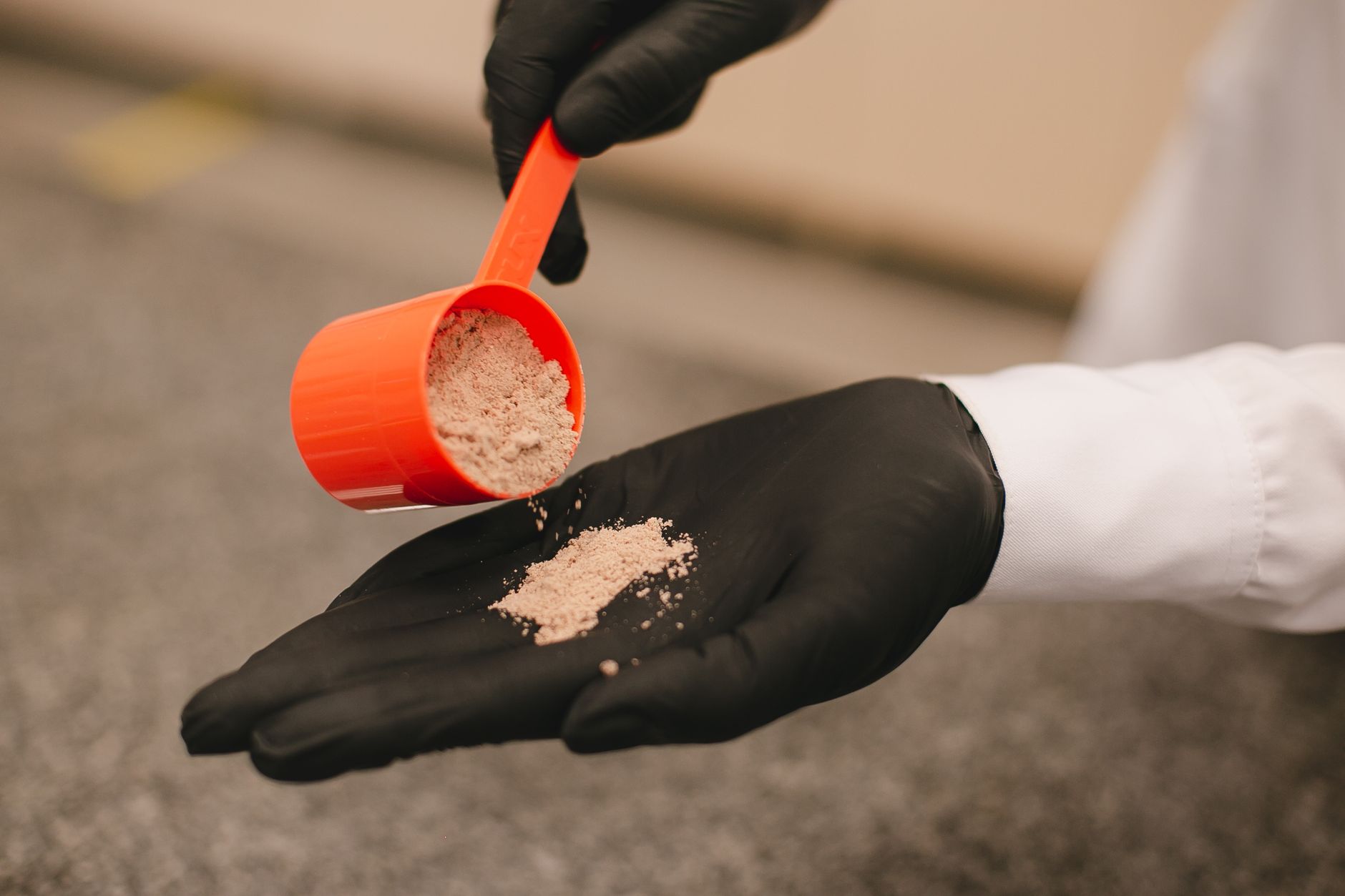
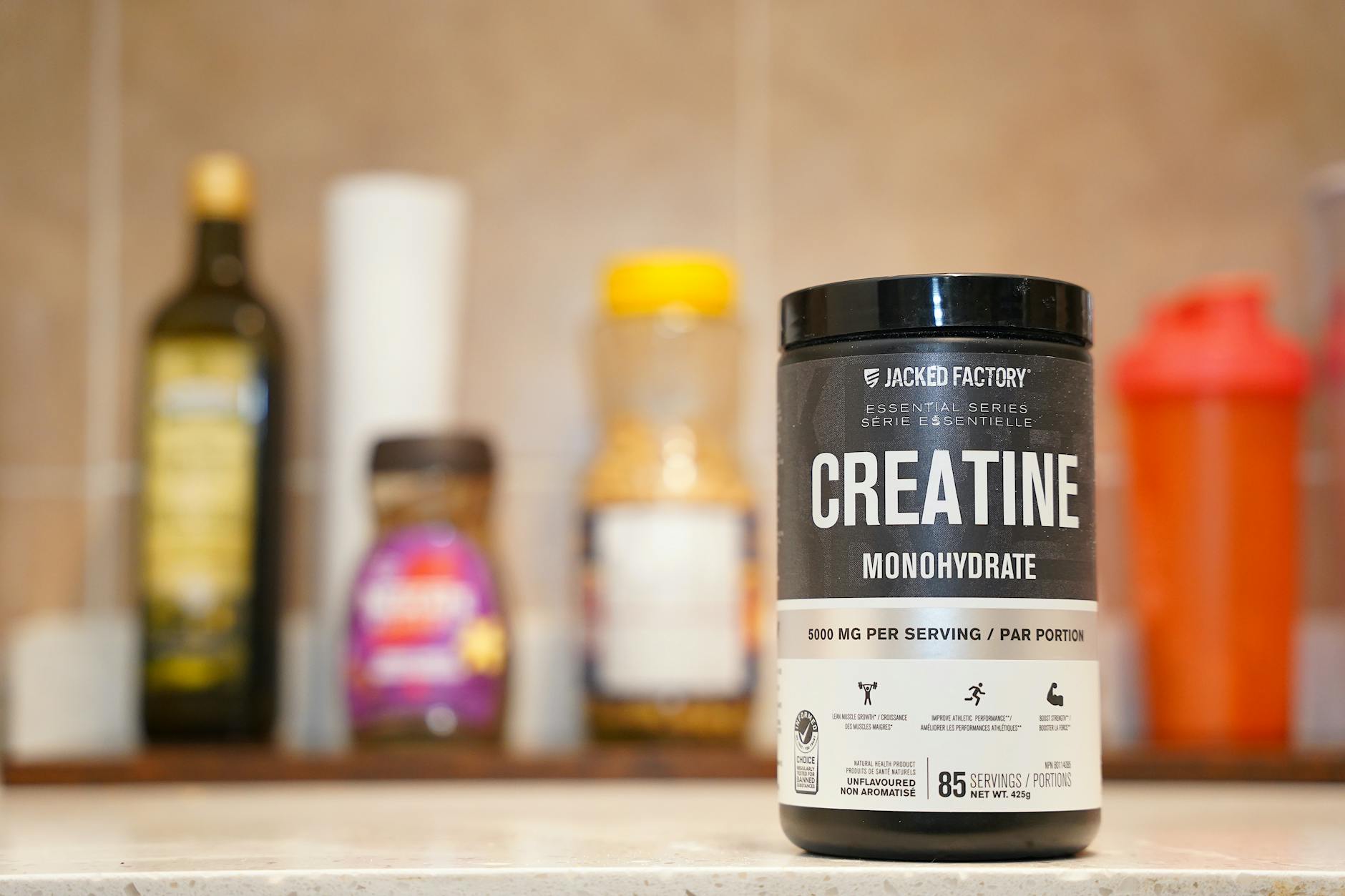
You scoop a teaspoon of creatine into your shaker, glance at the clock, and head to the gym. The standard advice says five grams a day, timing doesn’t really matter, just be consistent. But what if the clock matters more than anyone bothered to test?
A new pilot trial published in Nutrients by Maaoui and colleagues in 2026 took that question into the lab. Eleven physically active men cycled through five conditions in a randomized crossover design: taking creatine two hours before lifting, sipping it mid-session, downing it afterward, a placebo, and a no-supplement control. Each man served as his own comparison, bench-pressing and back-squatting at 80% of his one-rep max under every condition. The aim was straightforward: isolate whether a single dose of creatine, timed differently and with no loading phase, changes anything you can measure.
The answer, at least in this small sample, was yes.

Men who took 0.1 grams of creatine per kilogram of body mass two hours before lifting — call it 7 grams for a 70-kilogram person — pushed and squatted more weight than they did under the during-exercise, post-exercise, or placebo conditions. The dose was a single pre-workout hit. No loading week, no chronic saturation, no five-grams-a-day-forever. One well-timed scoop.
The researchers, working out of institutions in Tunisia and France, landed on a mechanism that flips some old assumptions on their head. Blood creatine concentrations were lowest when creatine was taken before exercise and highest after, which sounds backwards at first. Their take: exercise drives blood flow into working muscle, and that extra perfusion probably shuttles more creatine into muscle cells right when those cells are primed to absorb it. By the time the post-workout blood draw rolls around, less creatine is left in circulation because more of it already made it where it counts.

Not everything moved with timing, and the pattern is worth sitting with. Jump performance didn’t differ across conditions. Neither did scores on a brief cognitive test, self-rated muscle soreness the next day, or perceived recovery. Creatine timing seemed to nudge maximal strength output — the kind you measure under a barbell — but not power, not brain fog, not how sore the men felt the morning after. The finding holds up better for being narrow.
Now the asterisks, and there are plenty. This was a pilot. Eleven men. The authors are explicit that the results are exploratory and need a larger replication. No muscle biopsies, no hormonal panels, no direct measurement of intramuscular creatine stores. The blood-flow mechanism stays an informed hypothesis, not a demonstrated pathway. The participants’ usual diets and baseline creatine stores weren’t controlled, though the crossover design helps by making each man his own reference point. These aren’t fatal flaws; they’re exactly the limitations an honest pilot owns up to. But they mean the finding is a lead, not a verdict.

What does this mean if you already take creatine? The standard daily approach — 3 to 5 grams, whenever it’s convenient — rests on decades of evidence showing muscle creatine saturation builds up gradually and timing barely registers. An 11-person pilot doesn’t overturn that. But if you’re someone who prefers a single pre-workout dose instead of daily loading, this trial offers a small, tentative reason to carry on: the timing many lifters default to anyway — scooping creatine into their pre-workout — might carry a modest edge that the loading-protocol studies never picked up.
For a 70-kilogram person, the tested dose works out to 7 grams as a one-off pre-workout hit. The two-hour window matters because that’s roughly how long creatine takes to peak in the bloodstream. Swallow it in the car on the way and you may have missed the window by the time you’re under the bar.
Zoom out and the picture gets interesting. Creatine timing research, separate from the enormous literature on loading and daily supplementation, is barely a decade old and surprisingly sparse. Most existing studies looked at post-workout timing for body composition, not pre-workout timing for acute strength. The Maaoui trial is one of the first to flip that question. If it prods a few bigger, better-funded labs into running the same protocol with 40 or 50 participants and a muscle biopsy, it will have done its job.
For now the takeaway is narrow but real: if you’re going to take a single dose of creatine around your workout, the evidence here says before beats during, and before beats after. Whether before beats every day — any time, loading or not — is a separate question, and one this study never set out to answer.
References
- Maaoui KB, et al. Acute creatine ingestion before resistance training enhances strength performance more than ingestion during or after training: a randomized crossover pilot trial. Nutrients 18(11):1789. 2026. https://doi.org/10.3390/nu18111789
Strength coach and nutritionist covering protein science, creatine, recovery protocols, and body composition. Reports from Miami.
The Vitalspell brief
Evidence-based supplement science — weekly in your inbox.
Subscribe