Plasma Exchange Reduced Blood Microplastics 60% in First Human Study
Plasma exchange reduced circulating microplastics ~60% in high-burden patients in the first human study. Whether that improves health is still unknown.
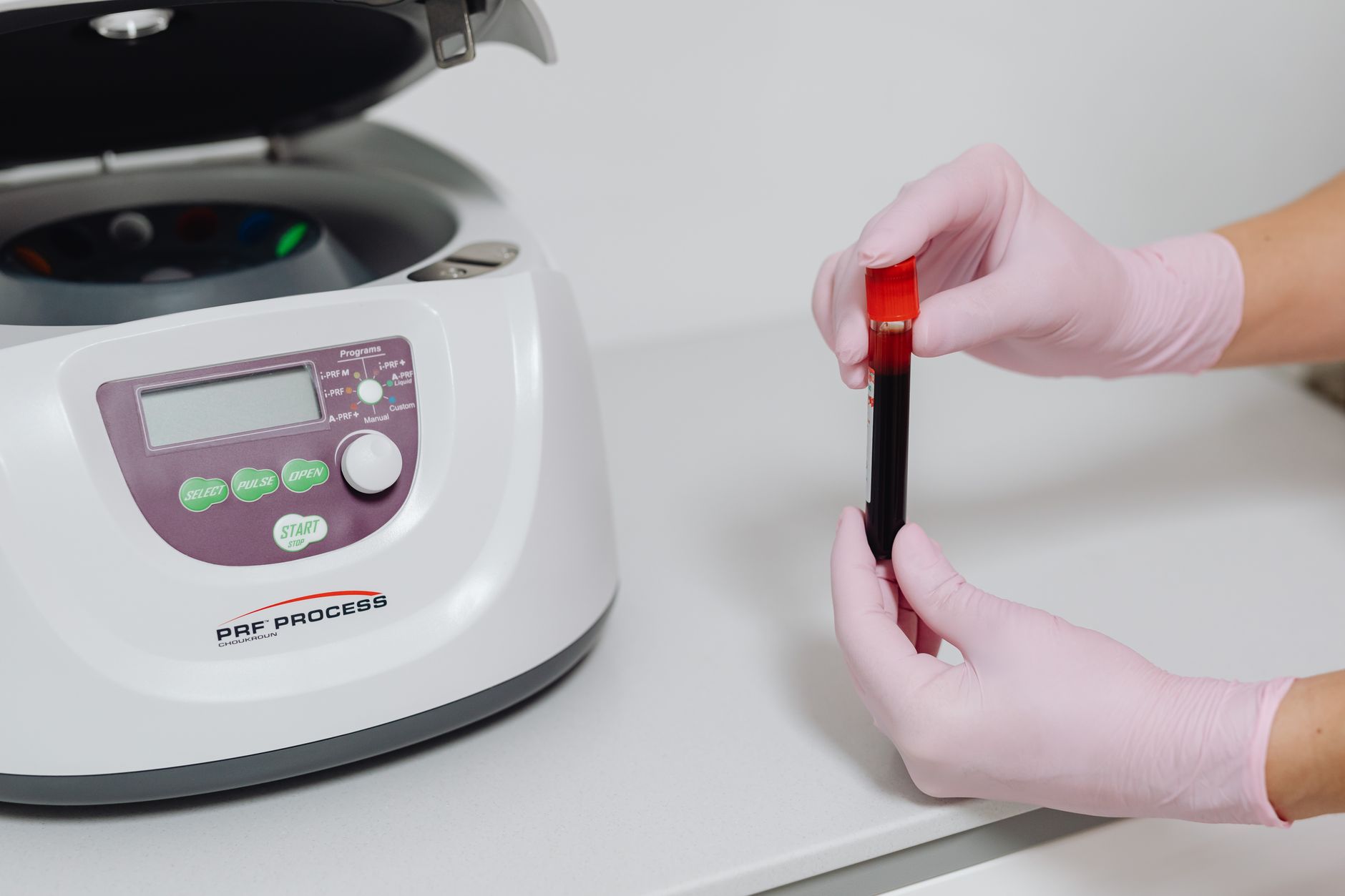
A decades-old medical procedure just did something no one had documented before. For 114 patients whose blood carried an invisible cargo of plastic fragments, a single two-to-three-hour session of therapeutic plasma exchange — TPE, as clinicians call it — sharply reduced the concentration of microplastic particles circulating in their bloodstream. Among patients who started with the highest baseline burden, the count fell from an average of 52.2 particles per 100 microlitres of blood to 21.1. Roughly a 60 percent drop.
Published May 21 in the Journal of Clinical Apheresis by Robert Weinstein and colleagues, the finding is the first evidence in humans that circulating microplastics can be mechanically lowered. A genuine scientific first. The question the paper deliberately leaves open — and the one every reader should keep pinned to the front of their mind — is whether reducing a blood count of plastic particles translates to any meaningful health benefit. At all.
“This is the first demonstration that it is possible to reduce circulating MP in human patients.”
Across 174 plasma exchange sessions, the researchers analysed pre- and post-procedure blood samples. Nobody enrolled these patients because of microplastic concerns. They were receiving TPE for the reasons plasma exchange exists as a standard therapy in the first place: autoimmune conditions, neurological disorders. The microplastic measurement was an add-on — a sideways glance at a question the researchers realised their clinical data might begin to answer.
Buried in the results was a wrinkle that complicates any tidy “plasma exchange cleans microplastics” story. When patients started with low microplastic counts, the procedure sometimes had the opposite effect: particle levels went up, not down. The likely culprit is the apheresis circuit itself. Medical-grade plastic tubing, under the mechanical stress of pumping blood at high flow rates, appears to shed microscopic fragments into the fluid it is meant to purify.

A treatment introducing more of the contaminant it aims to remove — that is more than a procedural footnote. It lands at the centre of a debate that has been quietly consuming the microplastics research community since early 2026. Back in January, a Guardian investigation identified seven high-profile studies reporting microplastics in human organs, arteries, and brain tissue whose findings could not be independently replicated. An additional 18 papers, in the assessment of scientists consulted by the newspaper, failed to adequately control for the possibility that what their instruments were detecting was not plastic at all. It may have been naturally occurring biological material.
At the centre of this dispute sits pyrolysis-gas chromatography-mass spectrometry — Py-GC-MS, the workhorse method for identifying synthetic polymers in complex biological samples. You burn a sample at high temperature and analyse the chemical signature of the gases released. The problem, as multiple analytical chemists have now pointed out, is that some breakdown products of common biological molecules — cholesterol, fatty acids, phospholipids — produce chemical signatures that overlap with those of polyethylene and polypropylene. Those are the two most common plastics reported in human tissue studies. A signal attributed to microplastics may, in some fraction of cases, simply be fat.
“These claims have no scientific evidence — and could put more plastic into people’s blood, depending on the equipment used.”
Dr. Cassandra Rauert, a microplastics researcher at the University of Queensland, delivered that warning in response to wellness-industry claims about microplastic “detox” protocols. Her words apply with uncomfortable precision to the Weinstein study’s own finding about tubing shedding. Whether the study employed the kind of contamination controls the Guardian investigation found missing from the broader field — field blanks exposed to lab air, procedural blanks run through the apheresis equipment without patient blood, independent chemical verification via Raman spectroscopy or FTIR rather than Py-GC-MS alone — is not yet clear from the publicly available abstract.

Double-priming the circuit — flushing it with saline before connecting the patient — might reduce the tubing-shedding effect, one clinical apheresis practitioner noted after reviewing the findings. But he acknowledged that “there are more questions than answers about whether patients with low baseline levels should be told the net effect may be neutral or negative.”
Circulate Health, a company co-founded by CEO Brad Younggren, funded the study. It is expanding to 35 clinics across the United States, charging between $5,000 and $15,000 per TPE treatment. The company’s press release calls the findings “landmark” and characterises plasma exchange as “the first proven method to remove microplastics from the human bloodstream.” The framing is explicitly a longevity play. Some precedent exists in the peer-reviewed literature. In a separate 2025 study from the Buck Institute for Research on Aging, published in Aging Cell, David Furman and colleagues found that biweekly TPE combined with intravenous immunoglobulin reduced participants’ biological age by 2.61 years as measured by DNA methylation clocks. That trial involved a small number of participants and did not measure microplastics at all.
Taken together, the two studies sketch a hypothesis that is intriguing and expensive: that regularly replacing a person’s plasma might slow biological ageing through some combination of removing inflammatory proteins, senescent-cell signals, and — perhaps — microplastics. But the chain of inference from “TPE lowers epigenetic age” through “TPE lowers microplastic counts” to “microplastics drive ageing” is held together by assumptions, not evidence. Axios health reporter Ashley May, whose article surfaced the Weinstein study to a broader audience, put it plainly:
“The study does not answer whether lowering microplastics improves health, longevity or disease risk.”
Every wellness-clinic brochure should have that sentence as its headline. Circulating microplastics are a biomarker — a measurable quantity whose relationship to any clinical endpoint is, at present, entirely unknown. Blood levels do not necessarily reflect the total plastic burden stored in tissues. Tissue accumulation, not transient blood concentration, is what would plausibly drive any toxic or inflammatory effects. A single TPE session might temporarily lower what a blood draw detects, as the Weinstein study shows, without meaningfully shifting the total body load. Which direction does the association between blood microplastics and health even run? Nobody knows. People with higher circulating counts might simply have more efficient clearance mechanisms: their kidneys filter the particles out of tissues and into the bloodstream, where they show up on a test. Or the particles detected in blood correlate with something else entirely — total lifetime plastic exposure, gut-barrier integrity, kidney filtration rate. The Weinstein study, by design, cannot distinguish among these possibilities.
Shift the lens to environmental-health regulators and a separate question emerges. If microplastics can be filtered from blood, does that weaken the argument for upstream restrictions on plastic production and disposal? Logically, no. The precautionary principle — the idea that persistent, potentially toxic pollutants should be kept out of the environment and the human body in the first place — does not depend on whether a medical clean-up procedure exists. But the availability of a clinic-based intervention, however preliminary the evidence, can shift the political window on what level of exposure is considered acceptable. That would be an error. Not only because the toxicology of chronic low-dose microplastic exposure remains unsettled. The Weinstein study’s own data — showing that low-burden patients sometimes saw particle counts rise after treatment — makes clear that plasma exchange is not a neutral, side-effect-free filter. It is an invasive procedure with real risks: central-line infection, fluid shifts, electrolyte disturbances, and exposure to the very medical-grade plastics the procedure is meant to address.

So what does the evidence actually say? Weinstein and colleagues have demonstrated a proof of concept: circulating microplastics can be lowered, at least transiently, in some patients with high baseline burdens. That is a genuine and publishable scientific contribution. It is not a treatment recommendation. It is certainly not a consumer product. Before any clinic can responsibly claim to be “removing microplastics” from a person’s body, independent replication is necessary — a study designed prospectively to measure microplastics, with rigorous contamination controls, chemical verification of particle identity using multiple orthogonal methods, and follow-up measurement of tissue burden.
In the meantime, the most reliable way to reduce your microplastic exposure is probably what environmental-health researchers have been saying for years: drink from stainless steel or glass, avoid heating food in plastic containers, and choose natural-fibre clothing when you can. None of those interventions costs five thousand dollars. None requires a central line. All of them address the problem at its source — upstream of the bloodstream.
References
- Weinstein R, et al. Can plasma exchange be used to lower the circulating burden of microplastics in human patients? Journal of Clinical Apheresis. 2026. https://doi.org/10.1002/jca.70135
- Furman D, et al. Clinical trial and multi-omics analysis demonstrates the impact of therapeutic plasma exchange on biological age. Aging Cell. 2025. https://www.buckinstitute.org/news/clinical-trial-and-multi-omics-analysis-demonstrates-the-impact-of-therapeutic-plasma-exchange-on-biological-age/
- Carrington D. ‘A bombshell’: doubt cast on discovery of microplastics throughout human body. The Guardian. 2026. https://www.theguardian.com/environment/2026/jan/13/microplastics-human-body-doubt
Molecular biology PhD turned health journalist. Covers aging clocks, NAD metabolism, and the supplement-longevity frontier. Reports from San Francisco.
The Vitalspell brief
Evidence-based supplement science — weekly in your inbox.
Subscribe