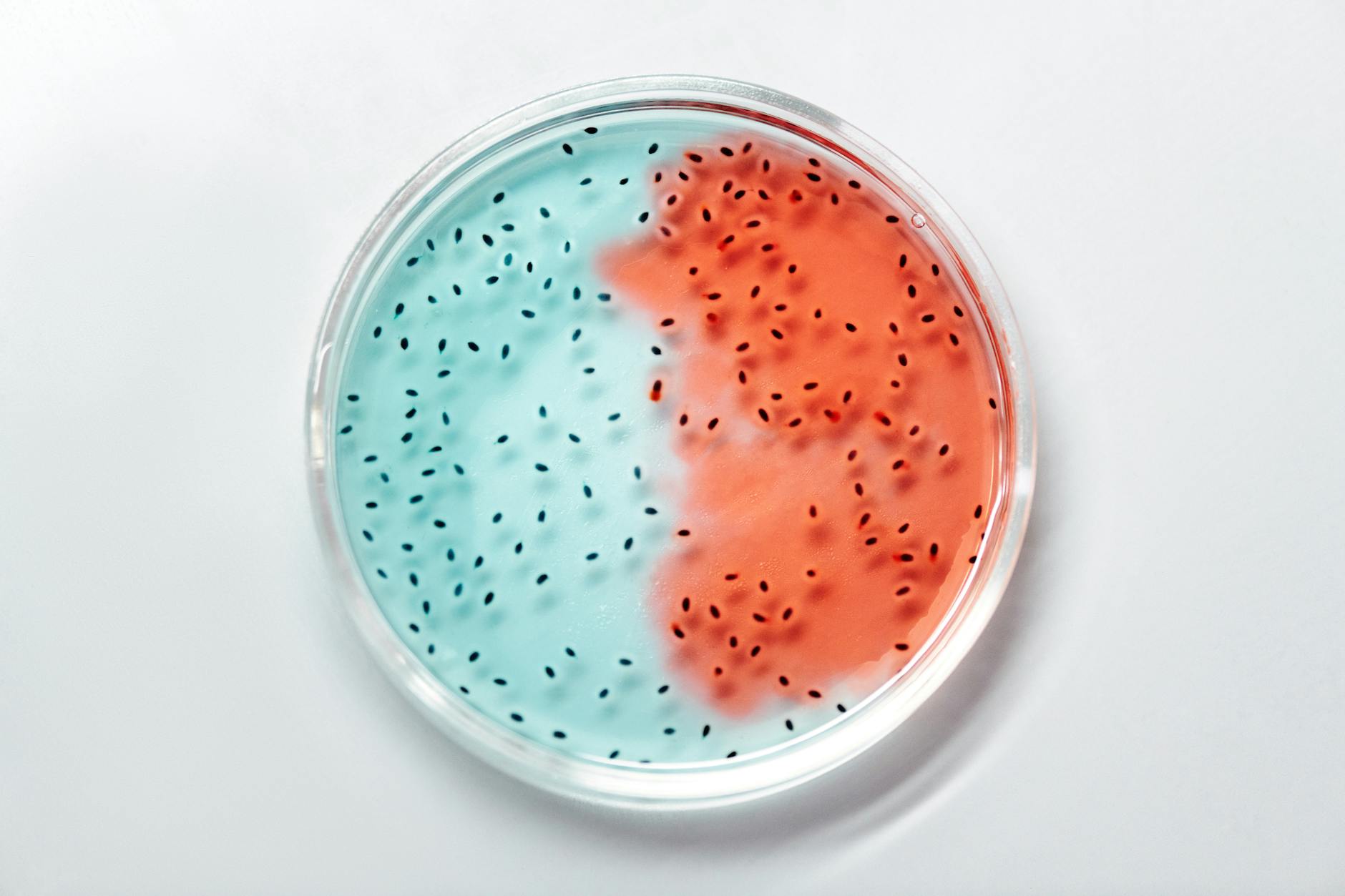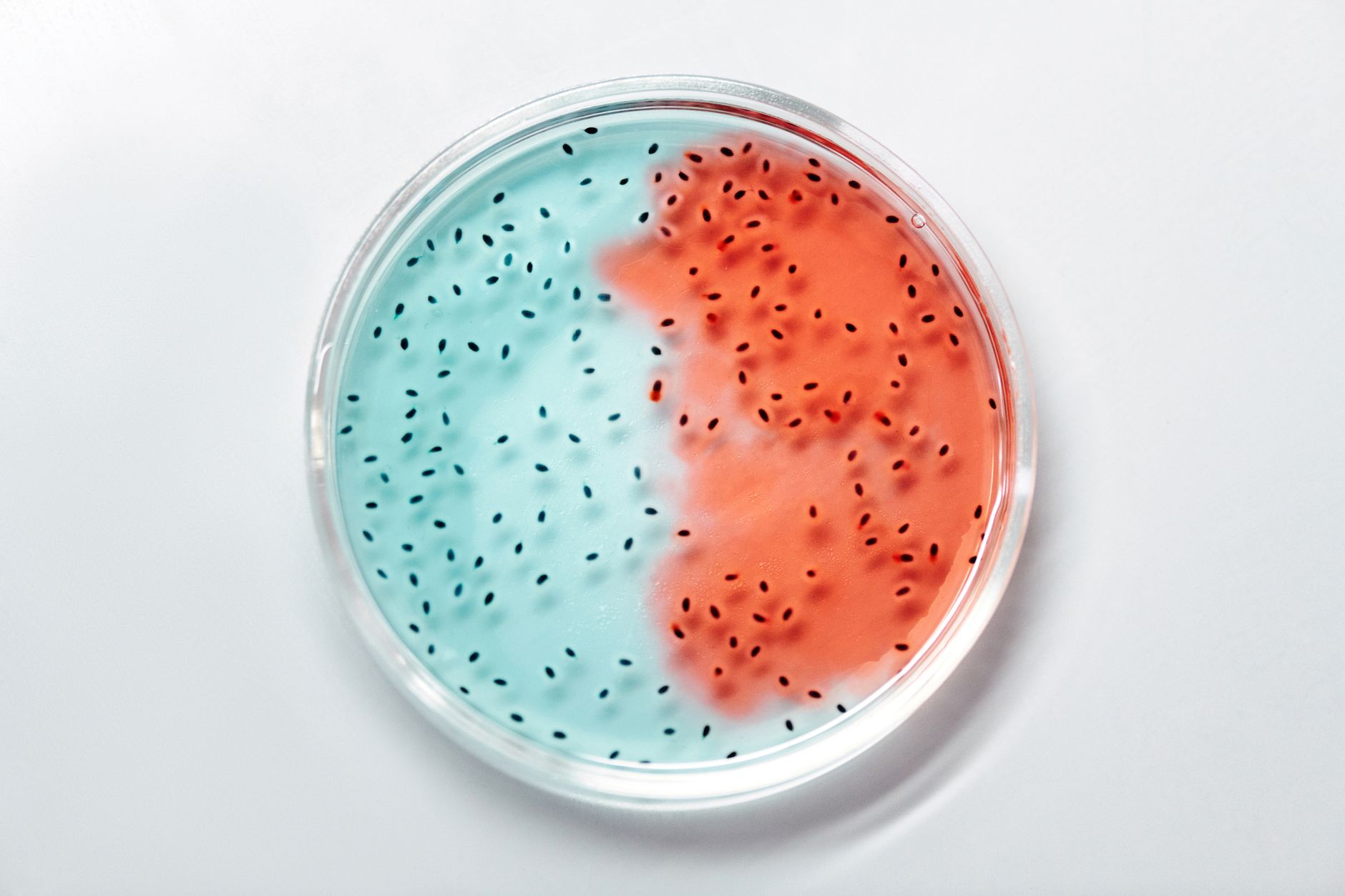
Food insecurity may alter children's gut microbiome, study finds
A 2026 study found that food insecurity enriches Sutterella bacteria in children's guts, suggesting unstable food access may leave a measurable biological signature.
When a household runs low on food, researchers typically measure the impact with surveys — checkboxes about skipped meals, smaller portions, worry about running out. A new study published in Nutrients in early 2026 suggests there may also be a biological trace of that experience, visible in the gut. In 57 Ethiopian schoolchildren, household food insecurity was consistently associated with an enrichment of Sutterella, a bacterial genus already linked to poor dietary quality and intestinal inflammation in Western cohorts. A machine-learning model could predict which children were food-insecure from their microbial profiles alone, with an AUC of 0.81.
Sutterella kept coming up, said Bineyam Taye, associate professor of epidemiology and global public health at Colgate University, who led the study. The findings suggest that food insecurity may influence child health not only through nutrition, but also through biological changes in the gut microbiome. The research, co-led by Colgate graduate Angie Zhu — now bound for a PhD at Tufts — was published February 20 in Nutrients and presented at the American Society for Microbiology’s annual meeting in early June.
How the study measured food insecurity at the microbial level
Taye and colleagues recruited schoolchildren aged 5 to 18 from a single region of Ethiopia and assessed household food security using the Household Food Insecurity Access Scale (HFIAS) — a nine-item questionnaire that captures both the psychological and behavioral dimensions of food scarcity. They then sequenced the children’s gut microbiomes with 16S rRNA amplicon analysis and compared microbial composition between food-secure and food-insecure households.
The headline result: beta diversity — the overall composition of the gut microbial community — shifted significantly along the food-insecurity gradient (PERMANOVA, p<0.05). Three specific HFIAS components drove the signal: limited dietary variety, reliance on disliked foods, and reduced meal size. Each was independently associated with higher Sutterella abundance (q<0.05), and a random forest classifier using microbial features could distinguish food-insecure from food-secure children with an AUC of 0.81 — well above the 0.70 threshold typically considered acceptable for a screening tool.

“This study helps address the lack of research on the gut microbiome in low-income and non-Western populations.”
— Bineyam Taye, via ASM press release
That last point matters. Microbiome reference databases are built overwhelmingly from North American and European cohorts — people eating diets that look nothing like those of a rural Ethiopian schoolchild. Running 16S data from Addis Ababa through pipelines calibrated on Boston stool samples introduces classification noise that small-sample studies struggle to correct for. Zhu, who handled the computational analysis as an undergraduate, had to navigate that gap while keeping the model interpretable.
Sutterella: a microbial red flag with a track record
Sutterella is not a household name, but it has quietly accumulated a reputation in the dietary-quality literature. A 2019 analysis in the International Journal of Molecular Sciences found that higher overall dietary quality was associated with lower Sutterella abundance, while the genus appeared enriched in individuals with poorer diets. Separate work has linked Sutterella to low-grade intestinal inflammation, though the causal direction remains unresolved — is the bacterium a driver of inflammatory processes, or does it simply thrive in an inflamed gut environment produced by other factors?
The Ethiopian data fit that pattern. Children from food-insecure households showed not only more Sutterella but a broader microbial profile that the authors described as consistent with reduced dietary diversity and increased inflammation-associated taxa. Still, Taye is careful about causation. The study is observational and cross-sectional — it captures one stool sample per child at one point in time. Sutterella might be a direct consequence of the nutrient-poor, low-fiber diets that accompany food scarcity. Or it might be a passenger, proliferating in a gut already shaped by the sanitation, water-quality, and parasitic-infection burdens that frequently co-occur with poverty. The study cannot disentangle those threads.
Authors of the Royal Society’s recent special issue on the physiology of poverty have made a similar caution central to their framework: gut-microbiome shifts in undernourished children are entangled with environmental enteric dysfunction, repeated enteric infections, and systemic inflammation — making it nearly impossible to attribute any single microbial change to diet alone.

From biomarker to policy: what’s at stake
Zoom out and the stakes become clearer. Nearly one in three US households with children experienced food insecurity in 2025, according to the Urban Institute. Globally, the numbers are far higher. If a microbiome signature of food insecurity were validated and replicated, it could offer something surveys cannot: an objective biological read that doesn’t depend on self-report. Pediatric screening tools that combine a short dietary questionnaire with a stool-based microbial panel are not on anyone’s roadmap yet, but Taye and Zhu’s findings — however preliminary — sketch one possible destination.
“In the future, the composition of the gut microbiome, along with social and economic development indicators, may provide new ways to better understand the hunger crisis.”
— Bineyam Taye, via Colgate University News
Parallel work on the therapeutic side has already shown that targeting the gut microbiome can improve outcomes in malnourished children. A 2024 trial published in Science Translational Medicine demonstrated that a microbiome-directed complementary food (MDCF-2) improved ponderal growth in children recovering from severe acute malnutrition — a proof of principle that the gut-microbiome axis is not merely correlational in the context of nutritional deprivation. A 2020 review in Current Nutrition Reports similarly concluded that targeted nutritional therapies combined with probiotics may hold promise for malnutrition-associated dysbiosis, while cautioning that most work to date has been in South Asian and sub-Saharan African cohorts that differ meaningfully from one another in diet, pathogen burden, and genetics.
What the data cannot say
For all the signal, the noise deserves equal billing. The Ethiopian cohort numbered 57 children — enough to detect an association but far too small to build a generalizable biomarker on. The composite food-insecurity model reached q=0.11, missing the significance threshold the authors set. Cross-sectional designs cannot establish whether the microbiome shift precedes, follows, or merely coincides with food insecurity. And a single stool sample per child cannot capture the day-to-day variability that is a hallmark of both diet and the gut microbiome.
The study also did not control for several known confounders — parasitic co-infections, water source, antibiotic use in the preceding months — that are endemic in the study region and known to shape gut microbial composition. None of this invalidates the core finding; it simply means the finding is a starting point, not an endpoint.
What Taye and Zhu have produced is a well-characterized pilot study in an understudied population, with a mechanistically plausible microbial candidate and a predictive model that clears the basic performance bar for a screening tool. Replication in a larger, multi-site cohort — ideally with longitudinal sampling, dietary intake data, and confounder adjustment — is the obvious next step. The Colgate team has signaled that such follow-up work is in planning.
For now, the study does something valuable: it gives a measurable biological dimension to a problem that is usually described in economic and social terms. Food insecurity, in this framing, is not just a shortage of calories. It is an experience that may reshape the microbial communities living in a child’s gut — a finding that, if it holds up, could change how we screen for, monitor, and ultimately intervene on one of the most persistent public-health crises on the planet.
References
- Taye B, Zhu A, et al. Household food insecurity alters gut microbiome composition and enriches Sutterella in Ethiopian schoolchildren. Nutrients. 2026;18(4):680. https://doi.org/10.3390/nu18040680
- Pak H, et al. Overall dietary quality relates to gut microbiota diversity and abundance. Int J Mol Sci. 2019;20(8):1835. https://www.mdpi.com/1422-0067/20/8/1835
- Murray E, Manary M, Manary M. Food insecurity, malnutrition, and the microbiome. Curr Nutr Rep. 2020;9(4). https://link.springer.com/article/10.1007/s13668-020-00342-0
- Chen RY, et al. A microbiome-directed therapeutic food for children recovering from severe acute malnutrition. Sci Transl Med. 2024;16(769):eadn2366. https://www.science.org/doi/10.1126/scitranslmed.adn2366
Clinical researcher covering the gut-brain axis, probiotics, and metabolic health. Reports from Boston.
The Vitalspell brief
Evidence-based supplement science — weekly in your inbox.
Subscribe