Protein powder heavy metals 2026: what Texas found
Protein powder heavy metals concerns are back after a Texas probe, but recent studies show risk depends on product type and daily use.
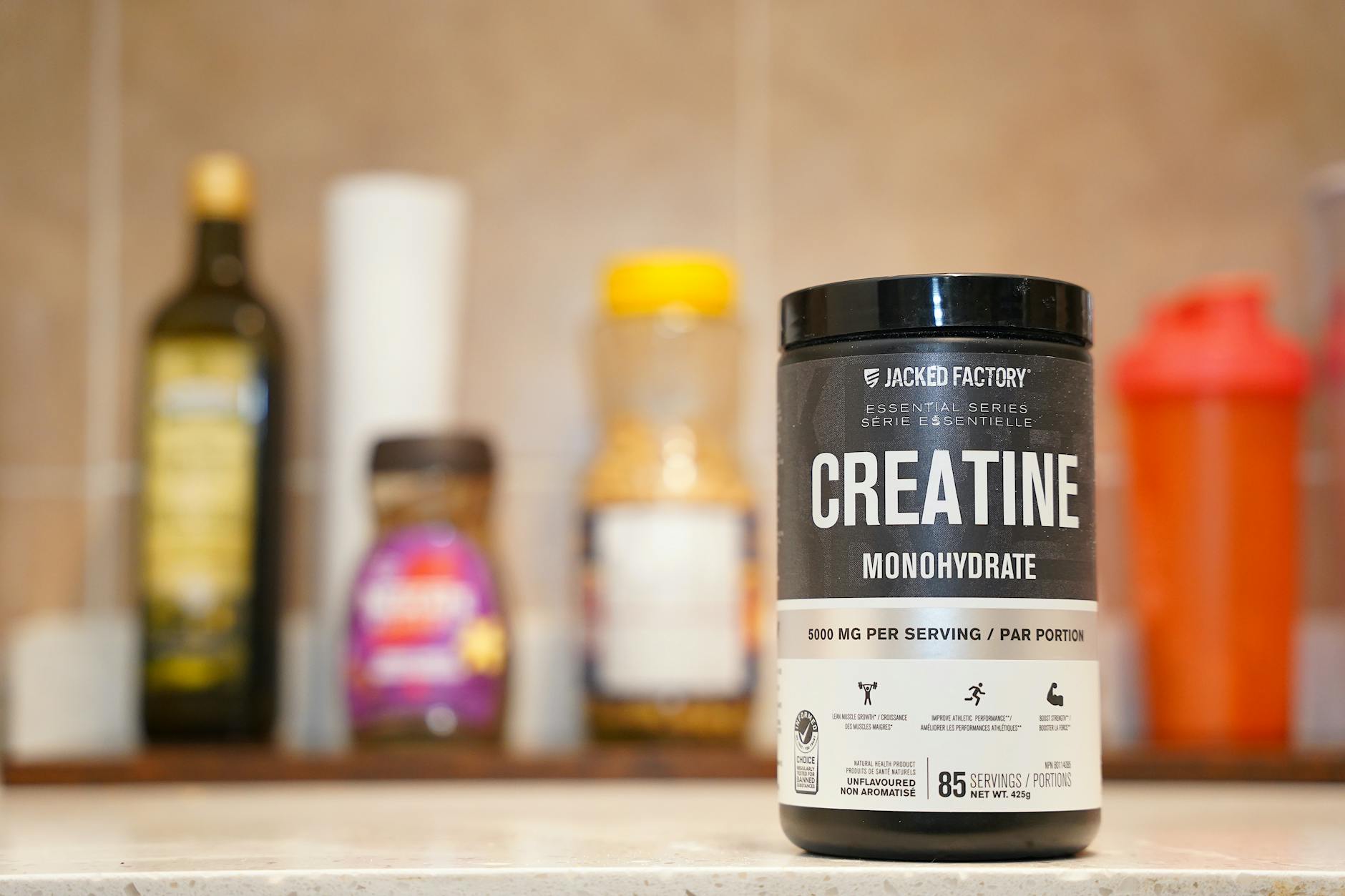
The scoop makes a small, ordinary sound against the rim of the tub. Powder falls into milk, disappears with a few shakes, and becomes 20 or 30 grams of protein before a pan is hot or a cutting board is dirty. For regular lifters, busy parents, older adults trying to hold on to muscle, and office workers who drink breakfast at a desk, that convenience is the whole appeal.
The Texas attorney general’s investigation lands in that daily routine. Lead and cadmium are back in the protein-powder conversation, but the useful reading is narrower than the alarm suggests. Texas is asking whether companies warned consumers clearly enough. Toxicologists ask a duller, more important question: how much metal is in a serving, how often someone takes it, and whether risk clusters in certain products.
A legal probe can reveal weak disclosure. A lab test can find contamination. Those facts matter. They still do not prove that every powder is dangerous, or that a Saturday shake after training belongs in the same risk bucket as two scoops a day.
“Protein is a vital macronutrient for human health, and Texans deserve clean protein powders without having to worry whether the products contain heavy metals or other harmful chemicals.”
Ken Paxton, Texas attorney general
What Texas is actually investigating
Paxton’s announcement is a consumer-protection action before it is a nutrition story. His office says it is investigating protein-powder manufacturers after outside tests found lead, cadmium and other contaminants in popular products. The target is not protein itself. It is the gap between health-forward marketing and the quieter reality that contaminants can accumulate through repeated exposure.
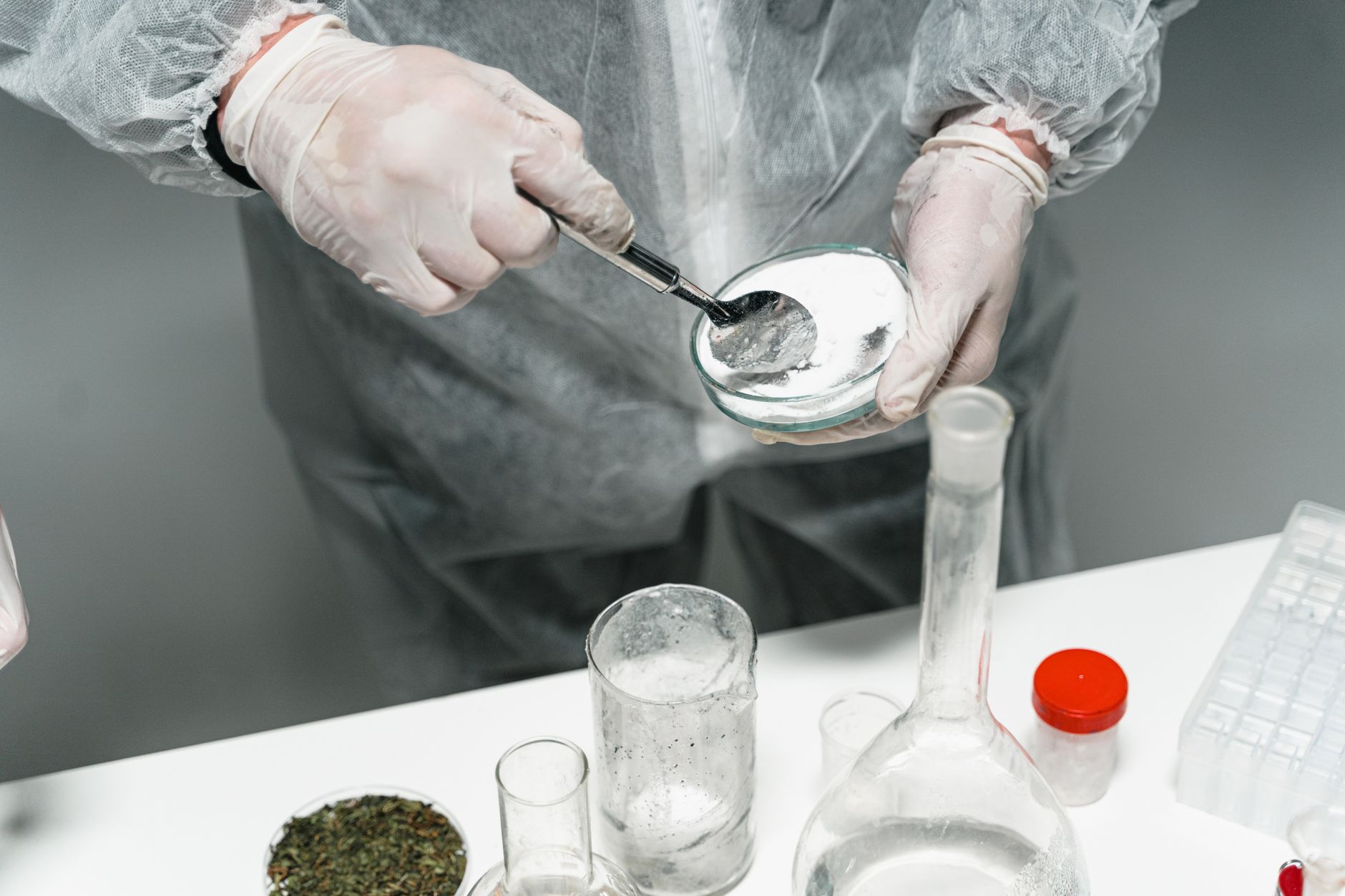
Federal rules leave room for that gap. The Food and Drug Administration does not preapprove protein powders before they reach shelves. It can act against adulterated or misbranded supplements, and it says there is no known safe level of lead exposure, especially for children. Shoppers still lack a simple federal number that says every serving of protein powder must stay below one bright-line lead limit.
Trade coverage from Nutritional Outlook placed the Texas move inside a broader push on supplement quality. That framing is fair, but it can make the evidence sound tidier than it is. The investigation points to contaminants and possible disclosure failures. It does not rank products by toxicological risk, and it does not tell a daily user what to mix tomorrow morning.
Strip away the politics and the harder question remains: what do the tests show?
The testing signal is real, and uneven
Consumer Reports tested 23 protein powders and ready-to-drink shakes and said more than two-thirds exceeded its lead level of concern. Its recommendation was unusually blunt: avoid daily use for most powders because many add avoidable heavy-metal exposure and are not necessary for meeting protein needs.
“We advise against daily use for most protein powders, since many have high levels of heavy metals and none are necessary to hit your protein goals.”
Consumer Reports
Consumer Reports’ testing deserves attention because it looked at products people buy by the tub or the case. It also fits with other screening work. The Clean Label Project reported in 2025 that, among 160 protein products it tested, 47 percent exceeded California Proposition 65 limits for at least one contaminant or chemical of concern.
Academic papers are less tidy. Chen, Dong and Lai’s 2026 paper in Environmental Research modeled co-exposure from 30 sports protein supplements and found detectable metals and microplastics across samples. In the authors’ model, a 30 g/day scenario produced a hazard index of 0.45. A high-use scenario reached 1.28 at the 95th percentile, moving into the range toxicologists would try to bring down. The PubMed record for the Chen 2026 study is the more useful read for anyone trying to separate daily exposure from headline detection.
Then there is the awkward counterweight. Horváth, Kajner, Csupor and Galbács published a 2025 Journal of Nutritional Science study of 22 protein powders sold on the Hungarian market. Using LIBS and ICP-MS methods, they did not find significant heavy metals above regulatory limits, though they still recommended routine testing. The Horváth 2025 study does not erase Consumer Reports or the Texas case. It shows why a category-wide panic is too blunt.
A calmer summary is less satisfying but more accurate: contamination is real, and it is uneven.
Plant-based powders may carry more of the burden
A practical pattern keeps showing up. Plant-derived powders can carry higher heavy-metal loads than dairy-based powders. That does not make pea, rice, hemp or mixed plant proteins automatically unsafe. It means the soil-to-ingredient pathway matters. Plants take up metals from soil and water, and concentrated plant ingredients can concentrate more than protein.

Consumer Reports said plant-based powders tended to have higher lead levels in its sample. Chen 2026 also found higher lead and cadmium signals in plant-derived products than in some other categories. For shoppers, that is a clue, not a verdict. Claims such as organic, clean or natural do not settle a metals question.
The market resists a simple whey-good, plant-bad story. Whey prices and demand have surged as protein moved from bodybuilding culture into coffee drinks, snack bars and grocery-store meal replacements. MarketWatch recently described a whey shortage driven by high-protein demand, which matters because people switch products for cost, availability, taste, digestion and diet. A plant-based powder with transparent testing may be a better choice than a cheaper dairy powder with no contaminant data. The label category is only the first clue.
Canbolat’s 2026 risk-assessment study, published in Adıyaman Üniversitesi Sağlık Bilimleri Dergisi, points in the same direction. It found cadmium, lead, arsenic and mercury in 10 supplement samples, while the hazard index and total carcinogenic risk values remained within acceptable limits. The warning was not that every serving was dangerous. The warning was that dosage and brand differences can change the calculation.
“The HI and TCR values … are within acceptable limits, but dosage and brand differences may affect risk levels.”
Fadime Canbolat, Adıyaman Üniversitesi Sağlık Bilimleri Dergisi
Dose is the part most headlines skip
Heavy metals are not like caffeine. Most people cannot feel a small lead or cadmium dose. They matter because exposure can add to other food, water, dust and environmental sources over time. That is why the FDA’s no-safe-level language sounds severe, and why a toxicologist still asks about serving size before making a judgment.

A twice-weekly shake after a hard training session is not the same exposure pattern as two scoops every morning, another in a lunch smoothie, and a ready-to-drink shake after the gym. Chen 2026 makes that distinction visible. At 30 g/day, the modeled hazard index was below 1. In the high-use scenario, the upper-percentile estimate crossed 1. That is not a diagnosis. It is a sign that habit can turn a contaminant finding from background noise into something worth changing.
This is where sloppy language does real damage. “Detectable” does not automatically mean clinically meaningful. “Within limits” does not prove that a product is ideal for daily use over years. The evidence sits between those poles.
Children, pregnant people and adults with kidney disease or high existing lead exposure have less room for casual exposure. They are also the people least served by a tub label that treats every consumer as the same generic adult.
What everyday users can do now
Start with the unglamorous move: do not let powder become the only way protein enters the diet. Greek yogurt, eggs, fish, poultry, tofu, beans and lentils come with their own nutritional trade-offs, but they do not all come from one manufacturing batch. Variety lowers dependence on any single powder’s contaminant profile.
For people who still want the convenience, the next step is to ask for recent third-party testing by lot, not just a badge on the front of the tub. A useful certificate of analysis should identify lead, cadmium, arsenic and mercury, show units, and ideally come from an independent lab. If a brand will not provide contaminant data, that silence counts.
Daily users can change the exposure math without abandoning powder. One serving on training days is a different pattern from multiple servings every day. Rotating food sources, choosing products with transparent testing, and being more cautious with plant-heavy powders all follow from the evidence. Anyone using supplements during pregnancy, for a child, or for a medical condition should consult a clinician before making protein powder routine.
The Texas probe may eventually name companies, produce settlements, or force clearer labels. That would help. The evidence already points to the consumer lesson: protein powder is a convenience food with supplement-level oversight, not a necessity. It can fit into a diet, especially for people who struggle to hit protein targets through food. It earns less trust when it becomes an everyday foundation with no testing transparency.
Panic is not the answer. Pressure is. Ask brands for contaminant data. Prefer products that publish it. Use powder as a tool, not the base of the diet. Treat every “clean” claim as marketing until a lab report proves otherwise.
References
- Chen M, Dong R, Lai W. Heavy metal and microplastic exposure from sports protein supplements: integrated health risk modeling and scenario analysis. Environmental Research. 2026. https://doi.org/10.1016/j.envres.2026.123988
- Horváth IL, Kajner G, Csupor D, Galbács G. Analysis of heavy metal content in protein powders available on the Hungarian market: a reassuring snapshot, but not a reassuring quality guarantee. Journal of Nutritional Science. 2025. https://doi.org/10.1017/jns.2025.10024
- Canbolat F. Determination of elemental impurity levels in protein powder supplements: a potential consumer health risk assessment study. Adıyaman Üniversitesi Sağlık Bilimleri Dergisi. 2026. https://doi.org/10.30569/adiyamansaglik.1820619
The Vitalspell brief
Evidence-based supplement science — weekly in your inbox.
Subscribe