Seaweed for thyroid health: when iodine may backfire
Seaweed for thyroid health depends on iodine dose. A 2026 human study found regular consumers often overshot safe intake before stopping.
A 2026 clinical study suggests the better seaweed question is not whether it is healthy, full stop. It is how much iodine can slip into an ordinary week. In a 2026 European Journal of Nutrition study by Inger Aakre and colleagues, 49 habitual seaweed consumers avoided seaweed for six weeks. Their median urinary iodine concentration fell from 270 to 87 µg/L, estimated iodine intake dropped from 658 to 189 µg/day, and thyroid-stimulating hormone, or TSH, moved down as well.
That makes seaweed for thyroid health a narrower topic than most online advice suggests. Seaweed is not a general thyroid tonic. It is a food that may deliver a large iodine dose, the mineral the thyroid uses to make hormones. Too little iodine can impair hormone production; too much can stress the system. A 2026 Clinical Endocrinology review led by Peter N. Taylor reaches the same clinical caution: iodine advice is often distorted by misinformation, with deficiency and excess treated as though they were the same problem.
What the thyroid actually needs from iodine
The thyroid uses iodine to build thyroxine, called T4, and triiodothyronine, called T3. Those hormones help regulate metabolism, temperature and growth. The key word is “enough.” A thyroid gland does not work better simply because iodine intake keeps climbing. It tends to work best when intake is adequate and steady.
That distinction gets lost when thyroid conversations turn into symptom checklists. Fatigue, hair shedding and weight change are real complaints, but they do not automatically mean someone is iodine deficient. In places where iodized salt or fortified foods are common, intake may be uneven rather than absent. A 2019 Journal of Clinical Endocrinology & Metabolism study by Mads Petersen and colleagues tracked thyroid disease patterns for two decades after iodine fortification in Denmark. The lesson was not to avoid iodine. It was that thyroid systems respond when population intake shifts, which makes self-prescribed kelp a blunt tool.
What the 2026 seaweed study found
Aakre’s team studied people who were already eating seaweed regularly, then compared their lab values before and after a six-week break. This is a pre-post design: participants act as their own comparison group instead of being randomized against a control group. The design cannot prove that every thyroid change came only from seaweed. It does offer something consumer advice rarely has, though: human thyroid data tied to real-world seaweed habits rather than nutrient theory.
Before the break, the group’s median estimated iodine intake was 658 µg/day, above the upper limit used in the paper. After the break, it fell to 189 µg/day. Urinary iodine concentration, a lab marker that reflects recent iodine exposure, dropped from 270 to 87 µg/L. TSH moved down too. The study authors stated the practical risk plainly:
“Ingestion of seaweed with high iodine content could potentially pose a risk of exceeding the tolerable upper intake level for iodine.”
Study conclusion, European Journal of Nutrition
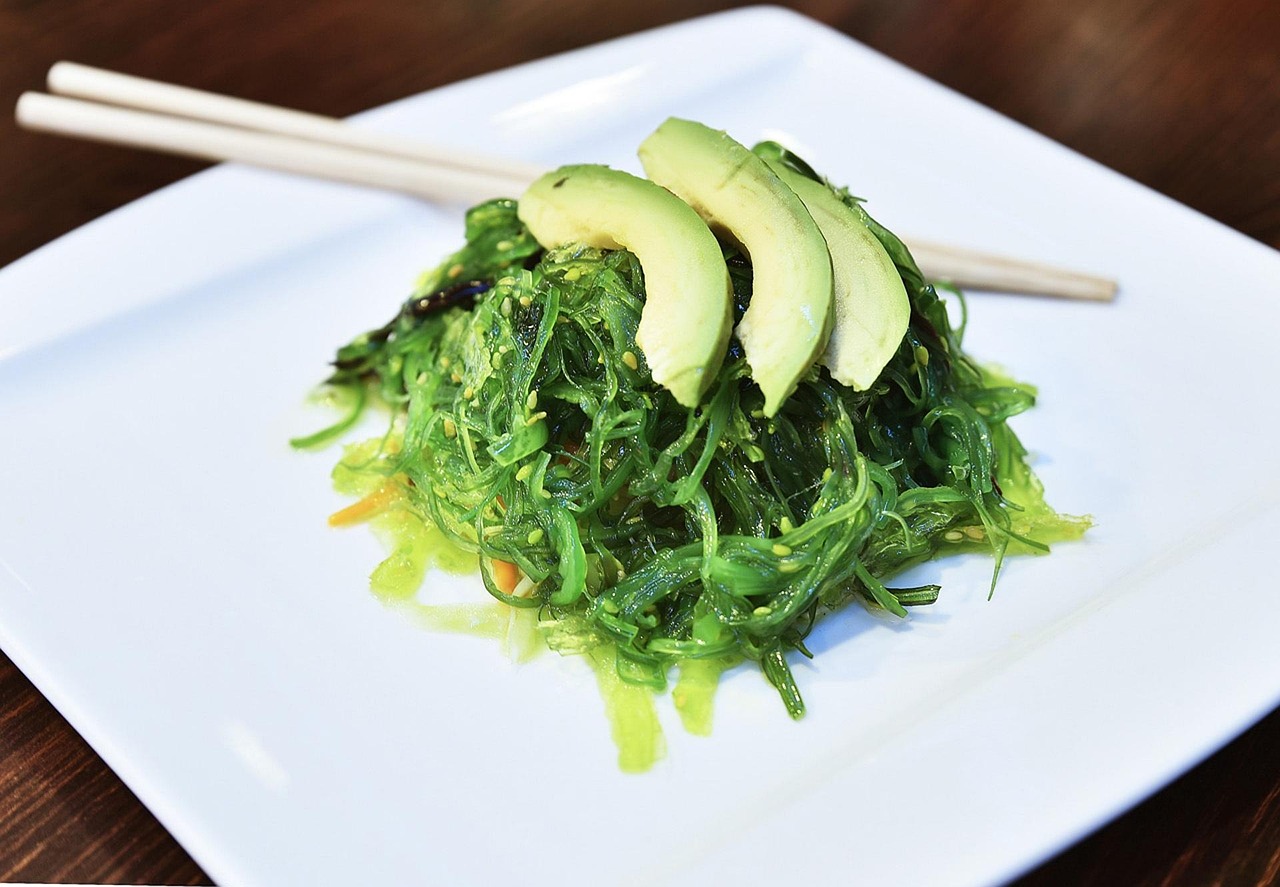
The point is not that seaweed is bad. It is that “seaweed” is too broad a category to behave like a predictable supplement. Nori sheets, wakame salads and kelp powders do not deliver the same iodine load. A person may think they are making a mild food choice while, biochemically, they are adding a high-dose iodine habit to the week.
Why seaweed is hard to dose
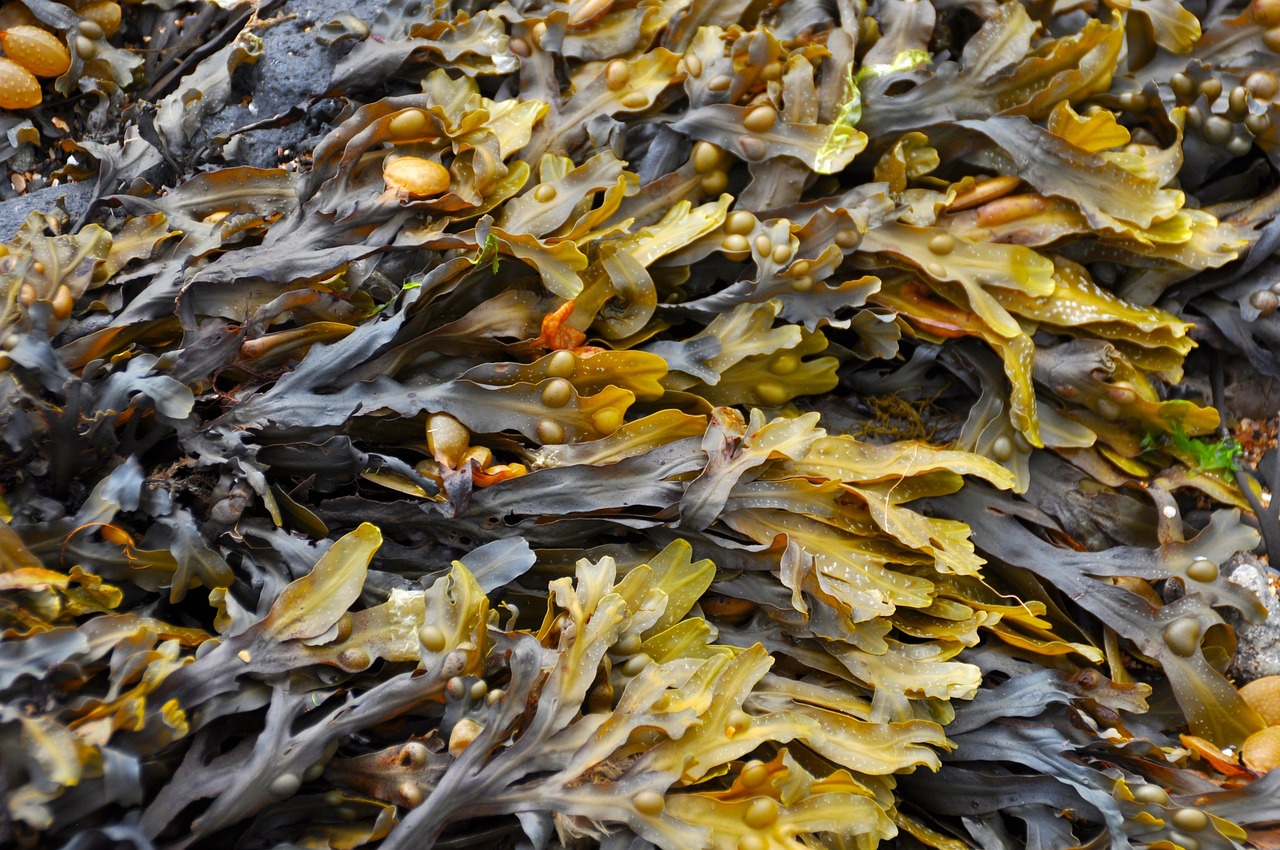
Variation is the problem with using seaweed as thyroid support. Different macroalgae species hold very different amounts of iodine. Drying, concentrating and blending can change the amount again. A capsule or powder can turn a familiar food into an intervention that is hard to estimate from taste or portion size.
That is why the endocrinology literature spends so much time on excess. Taylor’s 2026 review in Clinical Endocrinology argues that popular iodine advice often collapses three separate situations into one story: true deficiency, normal intake that does not need help, and excess created by supplements or seaweed-heavy routines. When those categories blur, readers hear “thyroid support” and may miss the more useful question of whether their iodine intake is already adequate.
Marketing often lives in that gap. Food-based language sounds gentler than supplement language. But kelp tablets, sea moss blends and daily seaweed snacks still matter because the thyroid responds to dose, not branding. Once the goal is to change thyroid biology, “natural” is not a safety guarantee.
When seaweed may help, and when it may not
Seaweed can help when it corrects a real iodine gap. That is a narrower claim than saying seaweed is good for the thyroid. If intake is low, restoring adequacy can support normal hormone synthesis. If intake is already adequate, piling on more iodine does not create extra thyroid output on demand. It mainly increases the chance that intake drifts higher than intended.
The practical line from the 2026 evidence is fairly modest. Occasional seaweed in food is different from a daily kelp habit. Whole-food use is different from a concentrated capsule. And a product sold as “natural thyroid support” is still an iodine intervention if kelp or another high-iodine seaweed is doing the work. Anyone considering kelp tablets or iodine drops should consult their doctor before starting any supplement.
What to watch next
The next research need is better dose mapping. Clinicians need trials that separate nori, wakame and kelp; measure actual iodine content; and follow thyroid markers long enough to show who adapts and who does not. Randomized data would be stronger than a pre-post study. So would studies that distinguish people with low iodine intake from people who already meet their needs.
For now, the answer is cautious rather than dramatic. Seaweed may support thyroid health when it corrects a true iodine deficit. It may also backfire when the dose is high, chronic and poorly measured. The 2026 European Journal of Nutrition study and the 2026 Clinical Endocrinology review point in the same direction: the thyroid does not need a superfood. It needs the right amount of iodine.
References
- Aakre I, Vogt EC, Myrmel LS, Lundebye AK, Helland OB, Henjum S. Impact of habitual seaweed consumption on iodine nutrition and thyroid function: a non-randomized pre-post clinical study. European Journal of Nutrition. 2026. https://doi.org/10.1007/s00394-025-03813-8
- Taylor PN, et al. What endocrinologists should know about iodine: population deficiency, individual excess and misinformation in the United Kingdom. Clinical Endocrinology. 2026. https://doi.org/10.1111/cen.70162
- Petersen M, Knudsen N. Increased incidence rate of hypothyroidism after iodine fortification in Denmark: a 20-year prospective population-based study. Journal of Clinical Endocrinology & Metabolism. 2019. https://doi.org/10.1210/jc.2018-01993
The Vitalspell brief
Evidence-based supplement science — weekly in your inbox.
Subscribe