Do thyroid support supplements actually help? What the evidence says
Evidence for thyroid support supplements is narrow: selenium may help some Hashimoto's patients, myo-inositol has limited data, and some products contain thyroid hormone.
A thyroid support supplement sounds straightforward: a capsule meant to coax an underactive thyroid back to normal. The evidence resists that tidy pitch. Research points in two directions. Selenium, and perhaps myo-inositol when paired with it, may help narrow groups such as people with Hashimoto’s thyroiditis or subclinical hypothyroidism. Meanwhile, the retail market is murkier. Some over-the-counter products contain actual thyroid hormone, while many blends promise far more than the data support.
Before any efficacy claim, two questions matter. What is in the bottle? Who, if anyone, was studied? In this category, safety comes before marketing. Subclinical hypothyroidism describes mildly abnormal thyroid labs, often a raised thyroid-stimulating hormone, or TSH, before full hypothyroidism is confirmed. Hashimoto’s thyroiditis is an autoimmune condition that can move the gland in that direction.
Why the label deserves skepticism
Many thyroid blends are sold as gentle metabolism or energy aids. Yet the American Thyroid Association’s summary of Kang and colleagues’ supplement testing described a less comforting picture: 9 of 10 tested products contained triiodothyronine, or T3, and 5 of 10 contained thyroxine, or T4, the same hormone classes used in prescription treatment.
“The majority of the dietary thyroid supplements tested contained clinically significant amounts of thyroid hormones.”
— ATA summary of Kang et al.
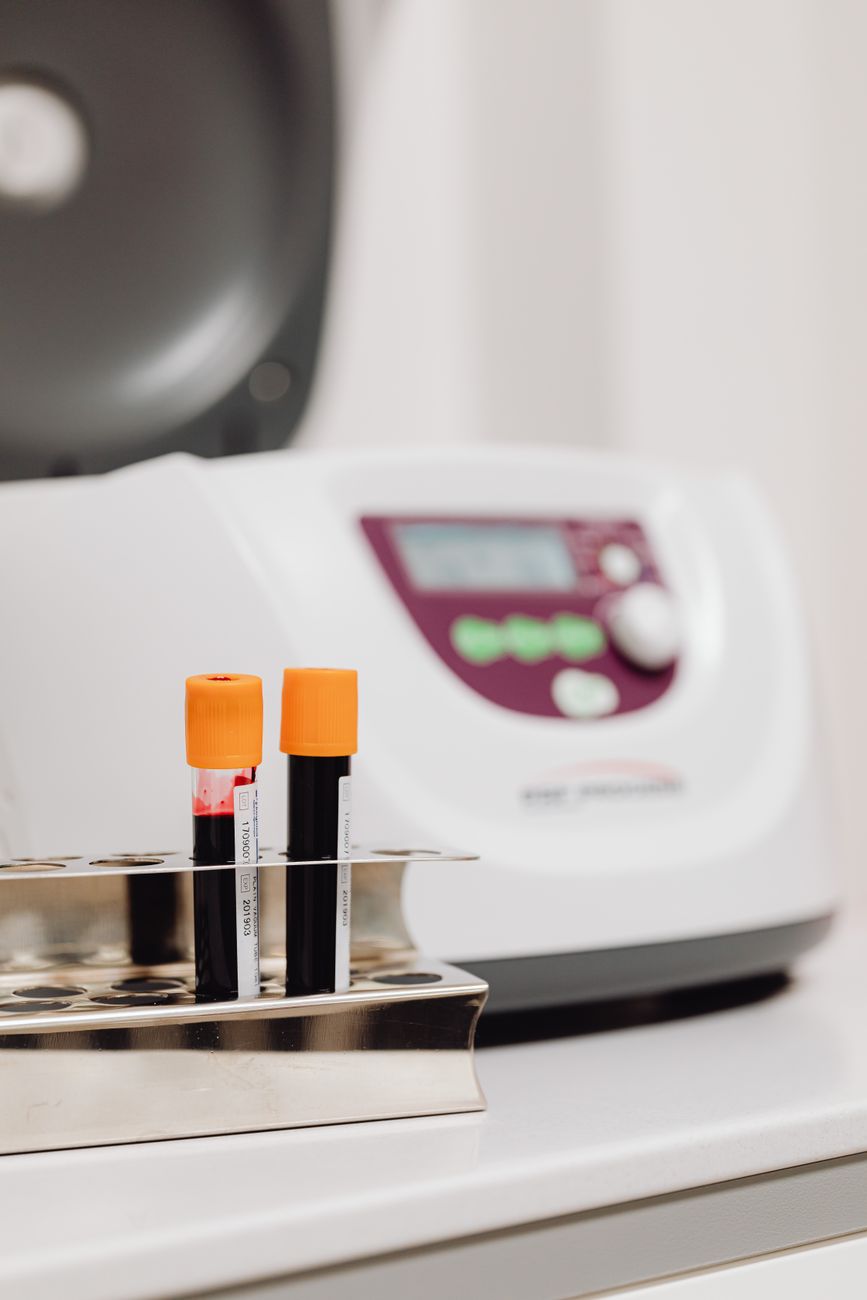
Fatigue, weight gain and brain fog send many people shopping in this aisle. Those symptoms also overlap with iron deficiency, perimenopause, sleep loss, depression, and other endocrine problems. Add a capsule that contains active hormone and lab results can shift without any clinician guiding the dose. Even though the FDA’s 2026 warning about unapproved thyroid medications dealt with animal-derived products rather than retail supplement blends, the broader regulatory point is similar: thyroid-active ingredients do not belong in a casual wellness category.
What the evidence says about selenium
Among the common ingredients, selenium has the clearest evidence base. A 2024 systematic review and meta-analysis in Thyroid led by Valentina V. Huwiler pooled 35 studies to test whether selenium helped people with Hashimoto’s thyroiditis. The result was modest, not dramatic. In people who were not already taking thyroid hormone replacement therapy, selenium lowered TSH, thyroid peroxidase antibodies, and malondialdehyde, a marker of oxidative stress. It did not reliably improve every thyroid marker, and the effect on TSH was small.
“In people with HT without THRT, selenium was effective and safe in lowering TSH, TPOAb, and MDA levels.”
— Huwiler et al.

Yet the signal stays narrow. Selenium is not a general-purpose thyroid booster for anyone who feels run down. In clearly defined autoimmune thyroid populations, it looks more like adjunct care than replacement therapy. That means something added around formal treatment, not a substitute for levothyroxine or another prescribed drug. Likewise, the British Thyroid Foundation’s guidance on diets and supplements recognises that some nutrients matter while warning patients not to swap supplements for medication or follow-up.
Where myo-inositol may help
Marketers lean hardest on myo-inositol plus selenium. Myo-inositol is a sugar-like compound involved in cell signalling, and it also turns up in fertility and metabolic products. In a 2022 Frontiers in Endocrinology study by Juraj Payer and colleagues, 148 women with subclinical hypothyroidism or autoimmune thyroiditis took 600 mg of myo-inositol plus 83 mcg of selenium daily for six months. TSH fell, antibody markers improved, cholesterol moved in a better direction, and participants reported symptom benefits.
Promising? Yes. Settled? No. This was not a large, blinded, placebo-controlled trial that could settle the category on its own. It also tested a specific combination in a specific group, mostly women at risk for subclinical hypothyroidism. That is a long way from proving that a generic “thyroid support” blend, often packed with iodine, kelp, tyrosine, herbs, and multiple minerals, will help any adult with vague low-thyroid symptoms.
Nor does the evidence gap prove the approach is useless. It shows how narrow the signal is. A clinician looking at a patient with Hashimoto’s, borderline TSH shifts, and documented nutrient issues may think about selenium or myo-inositol differently from a consumer reading an Amazon label.
Why the 2026 overview stayed cautious
Broadly, the evidence still looks cautious. Lv and colleagues laid out the clearest overview in their 2026 network meta-analysis in Endocrine Connections. Across 35 randomised controlled trials and 3,508 patients, supplement-based approaches were part of the mix but not runaway winners. The larger point was that adjunct care may need to be individualised, and that stronger data are still needed before any supplement protocol can be treated as standard care.
Online, the category is presented as cleaner than it is. Study populations are small. Inclusion criteria vary. Some outcomes are lab markers rather than hard patient outcomes. Products on sale are also rarely identical to the ingredients tested in published research. A selenium capsule studied in Hashimoto’s disease is one thing. A proprietary blend labelled “thyroid energy” is something else.
Mainstream thyroid groups draw the clearest practical line, not supplement branding. The British Thyroid Foundation says plainly:
“supplements should never be taken as an alternative to prescribed medication.”
— British Thyroid Foundation
So do thyroid support supplements actually help?
Only in limited settings do a few ingredients appear to help, and even then the gains look modest. Selenium has the best support, especially in Hashimoto’s patients who are not yet on thyroid hormone replacement. Myo-inositol plus selenium has encouraging but still limited evidence in subclinical hypothyroidism. Neither finding turns the entire thyroid-support category into a proven treatment class.
For everyone else, the problem is diagnostic before it is nutritional. Hypothyroidism is diagnosed with labs and clinical context, not with a quiz about tiredness. Better studies would compare selenium alone, myo-inositol plus selenium, and placebo in clearly defined patient groups, with blinded designs and longer follow-up. Until those trials arrive, this remains a narrow evidence story wrapped in very broad marketing.
References
- Lv X, Qin W, Li J, Du L. Additional treatment strategies for hypothyroidism: a network meta-analysis. Endocrine Connections. 2026;15(4). https://pmc.ncbi.nlm.nih.gov/articles/PMC13087882/
- Huwiler VV, et al. Selenium supplementation in patients with Hashimoto thyroiditis: a systematic review and meta-analysis of randomized clinical trials. Thyroid. 2024. https://pubmed.ncbi.nlm.nih.gov/38243784/
- Payer J, Jackuliak P, Kužma M, Džupon M, Vaňuga P. Supplementation with myo-inositol and selenium improves the clinical conditions and biochemical features of women with or at risk for subclinical hypothyroidism. Frontiers in Endocrinology. 2022. https://www.frontiersin.org/journals/endocrinology/articles/10.3389/fendo.2022.1067029/full
The Vitalspell brief
Evidence-based supplement science — weekly in your inbox.
Subscribe