What the new creatine and cancer-immunity study actually found
Creatine and cancer immunity intersect in a new UCLA dendritic-cell study, but the evidence is still far from a treatment claim in patients.
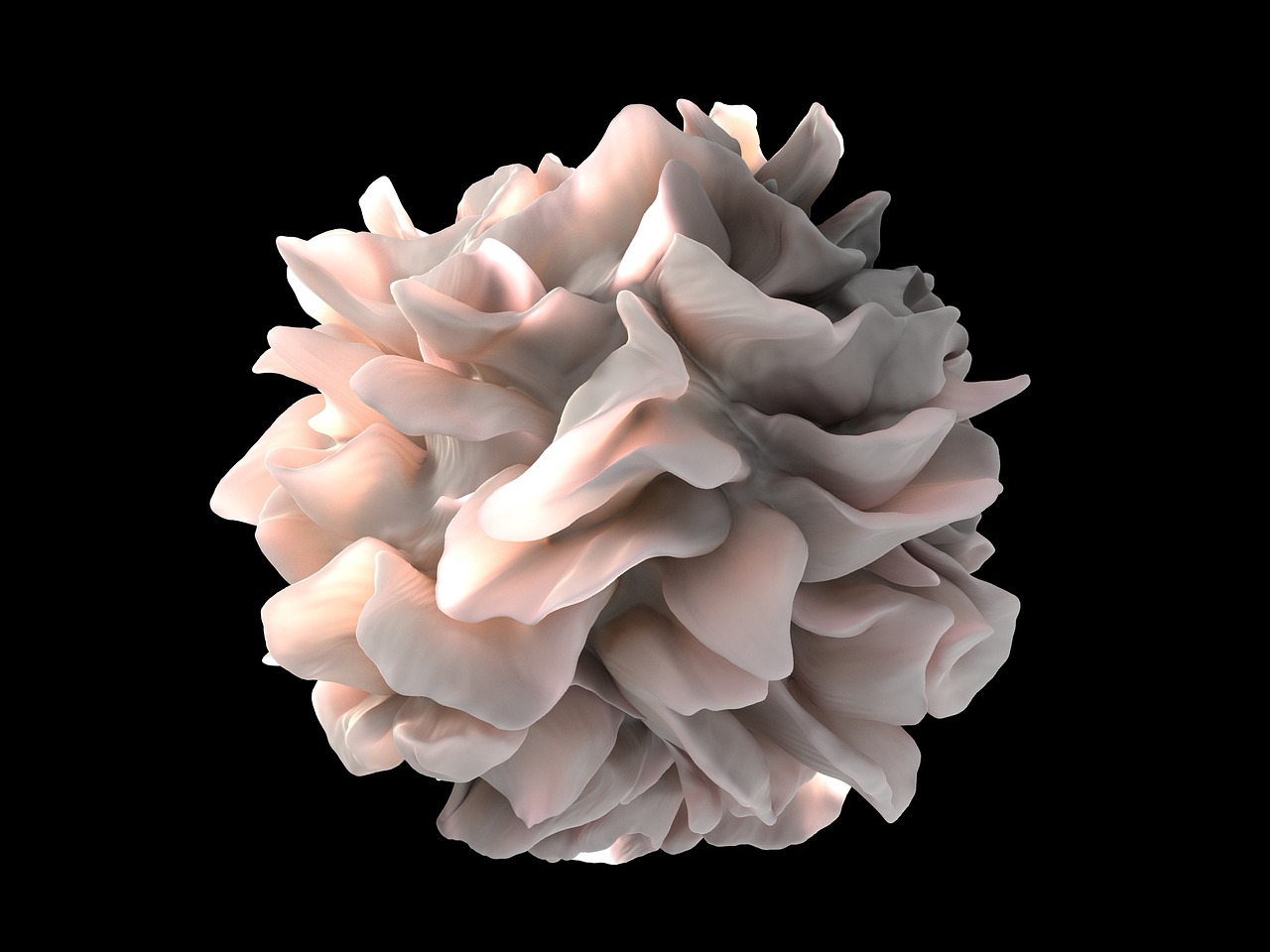
Dendritic cells do not kill tumors. They do the earlier work of showing T cells what deserves attention. UCLA’s new 2026 iScience paper is therefore more than a grabby creatine headline. Yang and colleagues report that creatine uptake helped dendritic cells activate more strongly in mice and in human monocyte-derived cells grown outside the body.
Here, creatine is being studied as an energy buffer for a bottleneck cell in cancer immunity. According to the paper, dendritic cells with access to creatine preserved intracellular ATP better and mounted stronger inflammatory signaling. Better energy handling then improved their ability to prime antigen-specific CD8 T cells.
Supplement stories drift fast, so the caveat belongs near the top. Nothing in the study shows that people with cancer benefit from taking creatine. No patient trial tested it. No clinical endpoint moved. A retail tub of creatine monohydrate cannot be inferred to sharpen an ongoing immunotherapy response in the clinic. The strongest data are preclinical: mice, plus human cells handled outside the body.
Seen that way, the tension is the useful part. Immunotherapy still produces durable benefit for only about 20 to 40 percent of patients, according to the paper’s background estimate, so researchers have reason to ask whether metabolic support could help immune cells do their work. A safer frame is immune-cell energy metabolism, not “creatine fights cancer.” UCLA’s creatine work now extends beyond killer T cells to the dendritic cells that activate them.
How the study was designed
Kang, Elsten-Brown and Yang focused on the creatine transporter, SLC6A8, in intratumoral dendritic cells in the iScience paper. After finding that the transporter was upregulated in those cells, they used CrT knockout mice and supplementation experiments. The question was simple enough: what happens when dendritic cells cannot import creatine efficiently, or when more creatine is available?

Under those conditions, creatine looked less like a performance supplement and more like basic fuel management. Dendritic cells from knockout mice showed weaker activation and a reduced ability to drive antigen-specific CD8 T-cell responses. Supplemented mice, by contrast, showed stronger dendritic-cell activation in vitro and in vivo, and the paper reports slower tumor growth in a syngeneic melanoma model.
Senior author Lili Yang put the point plainly in a UCLA summary carried by ScienceDaily:
“What this study shows is that creatine doesn’t just help the T cells fighting cancer”
Source: Lili Yang, ScienceDaily / UCLA
Because the summary clips the quote slightly, the mechanism matters. Yang and colleagues propose that creatine helps dendritic cells conserve ATP, which supports the energy-hungry inflammatory pathways involved in activation. A dendritic cell that fails to activate cleanly is a poor teacher. It can sit in the tumor microenvironment and still fail to instruct the rest of the immune response.
Human-cell work adds the translational hook. The team did not stop at mice. Creatine uptake also improved activation and immunostimulatory function in human monocyte-derived dendritic cells, according to the paper. That does not make the finding clinical, but it does make it more than a mouse-only curiosity.
Why this matters beyond one supplement headline
UCLA has been building this argument for several years. In a 2019 Journal of Experimental Medicine paper, Di Biase, Ma and Yang reported that creatine uptake helped CD8 T cells sustain antitumor activity, with tumor suppression improving further when creatine was combined with PD-1 or PD-L1 blockade in mice. The new study shifts the spotlight upstream, from the cell that kills to the cell that instructs.
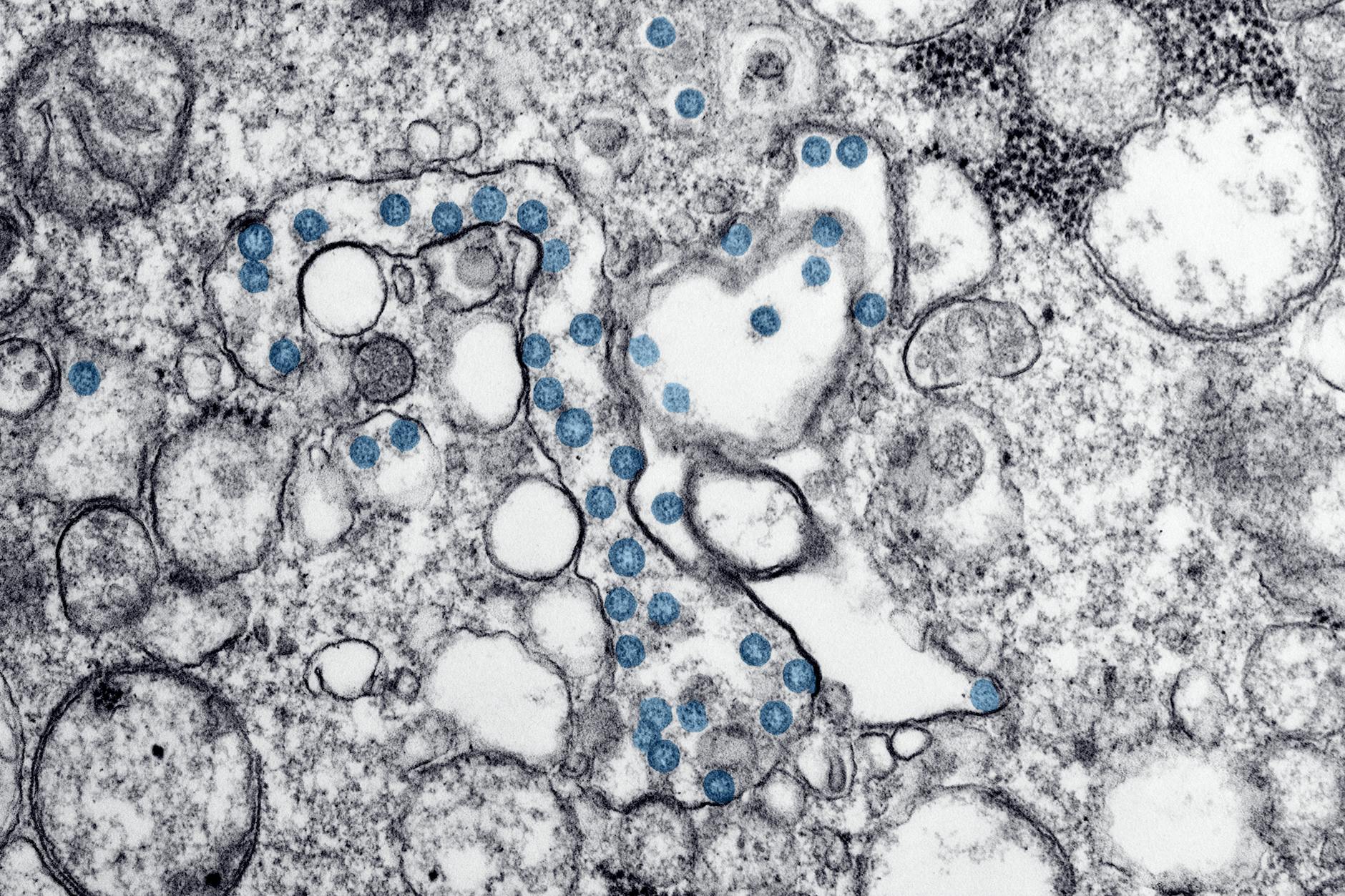
That shift is why the analyst’s perspective is more useful than the consumer-supplement frame. If dendritic cells and T cells are both constrained by energy handling, the long-run implication may be broader than creatine itself. Metabolic support may be one way to make weak immune responses more competent, perhaps in dendritic-cell vaccines, combination regimens or settings far from the supplement aisle.
Kang made the broader point in the same ScienceDaily summary:
“Understanding how to metabolically support dendritic cells is about supporting the entire anti-tumor response”
Source: Elliot Kang, ScienceDaily / UCLA
Consumer coverage around creatine is moving on a different track. Reporting from The New York Times this spring showed how far creatine has spread into midlife and wellness discourse. The oncology paper belongs in the larger “creatine is not only for muscle” story, but it is not a permission slip to treat creatine as a cancer adjunct already hiding in plain sight.
Why oncologists would still call this early
A skeptical clinical oncologist would probably start with a familiar objection: the model is doing a lot of the work. Mouse tumors can reveal real biology, but they can also flatter it. Human monocyte-derived dendritic cells are useful, yet they are still a controlled laboratory system, not a patient with a tumor, prior treatment exposure, comorbidities and an immune system shaped by far more than one metabolite.
Continuity with UCLA’s earlier creatine program makes the story more coherent, not more clinically settled. In the 2019 paper, Yang’s group had already shown that creatine could support killer T cells in mouse cancer models. In the ScienceDaily account of that work, Yang said:
“Taken together, these findings suggest that killer T cells really need creatine to fight cancer”
Source: Lili Yang, ScienceDaily / UCLA, 2019
Taken together, the two papers strengthen the immune-metabolism story. They do not prove benefit in patients. The sharper clinical question is whether creatine should be thought of as a routine oral supplement, or as one component in a controlled immunotherapy strategy where cell type, timing, tumor context and combination therapy all matter.
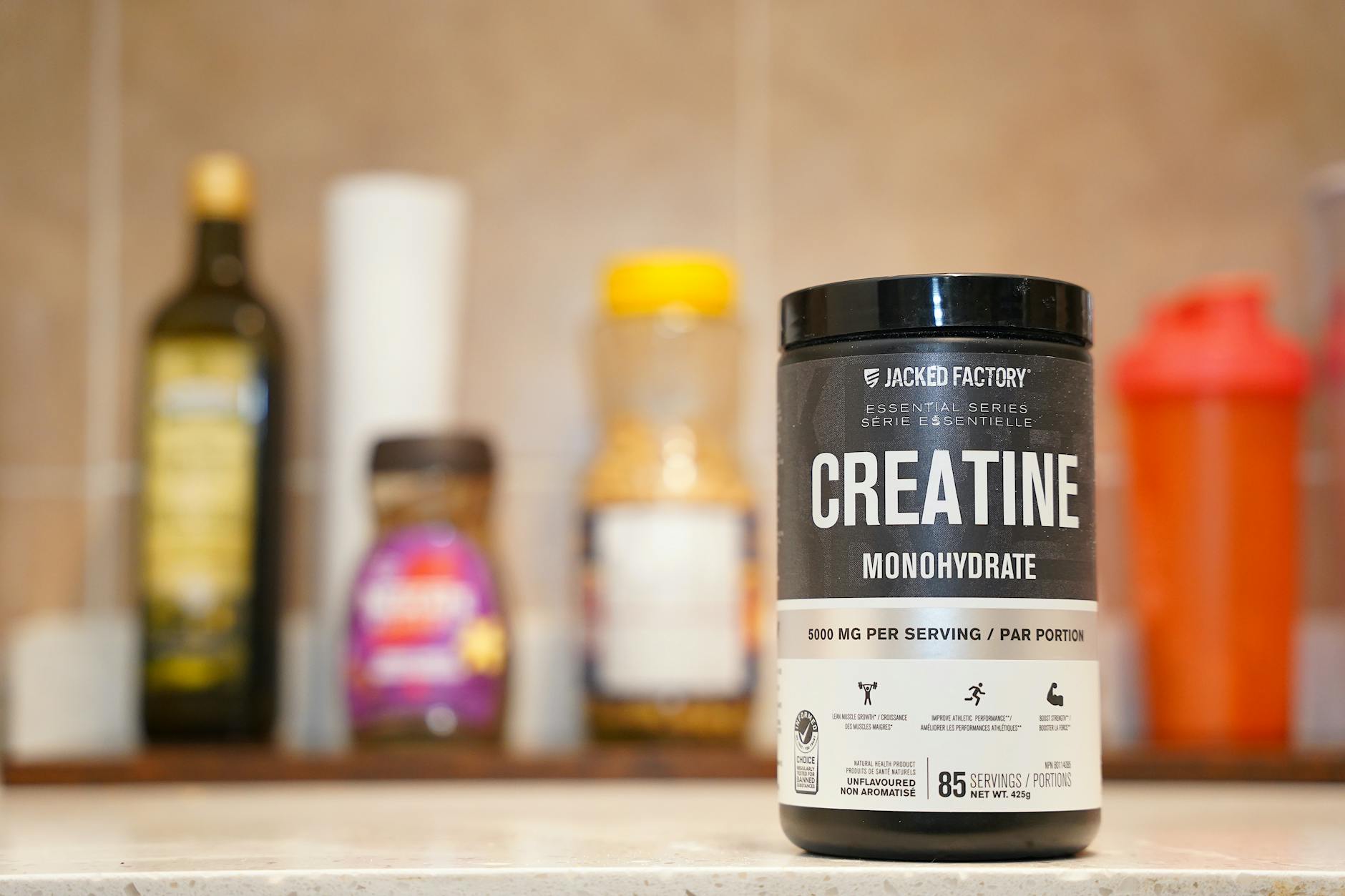
Consumer behavior moves faster than clinical evidence, which is why that distinction matters. Creatine already has a reputation for being well studied in sports nutrition, and that familiarity can blur categories. A reader may assume that something ordinary in the gym is automatically low risk and broadly beneficial in oncology. These data do not show that. They support a mechanistic hypothesis and a preclinical signal. They do not support self-supplementation during cancer treatment without an oncologist’s guidance.
What would make the finding clinically meaningful
For this line of research to matter outside immunology labs, early human work would need to do more than show that creatine is easy to take. Investigators would need to show that dendritic-cell activation markers move in people, that the immune changes are consistent enough to matter, and that any effect holds alongside existing cancer care rather than only in an isolated model. A more ambitious trial would test creatine as part of a designed immunotherapy strategy, not as a free-floating supplement claim.
From that angle, the paper makes creatine more interesting for engineered or combination approaches than for casual supplementation. Dendritic-cell biology is central to how tumors become visible to the immune system in the first place. If metabolic support can improve that handoff, researchers may have a new lever. For now, the lever is still sitting in a preclinical lab.
For Vitalspell readers, the cleanest takeaway is the least marketable one. A new UCLA paper suggests creatine may help dendritic cells mount a stronger antitumor response by protecting their energy supply. The finding is real, and it extends an earlier line of creatine-cancer research in T cells. It is also early, model-bound and nowhere near a treatment recommendation. In cancer immunology, that is not a disappointment. It is what honest progress usually looks like.
References
- Kang E, Elsten-Brown J, Yang L. Creatine uptake promotes dendritic cell activation and enhances antitumor immunity. iScience. 29(4):115436. 2026.
- Di Biase S, Ma X, Wang X, et al. Creatine uptake regulates CD8 T cell antitumor immunity. The Journal of Experimental Medicine. 216(12):2869-2882. 2019.
General assignment health reporter covering nutrition science, wellness trends, and clinical research. Reports from Toronto.
The Vitalspell brief
Evidence-based supplement science — weekly in your inbox.
Subscribe