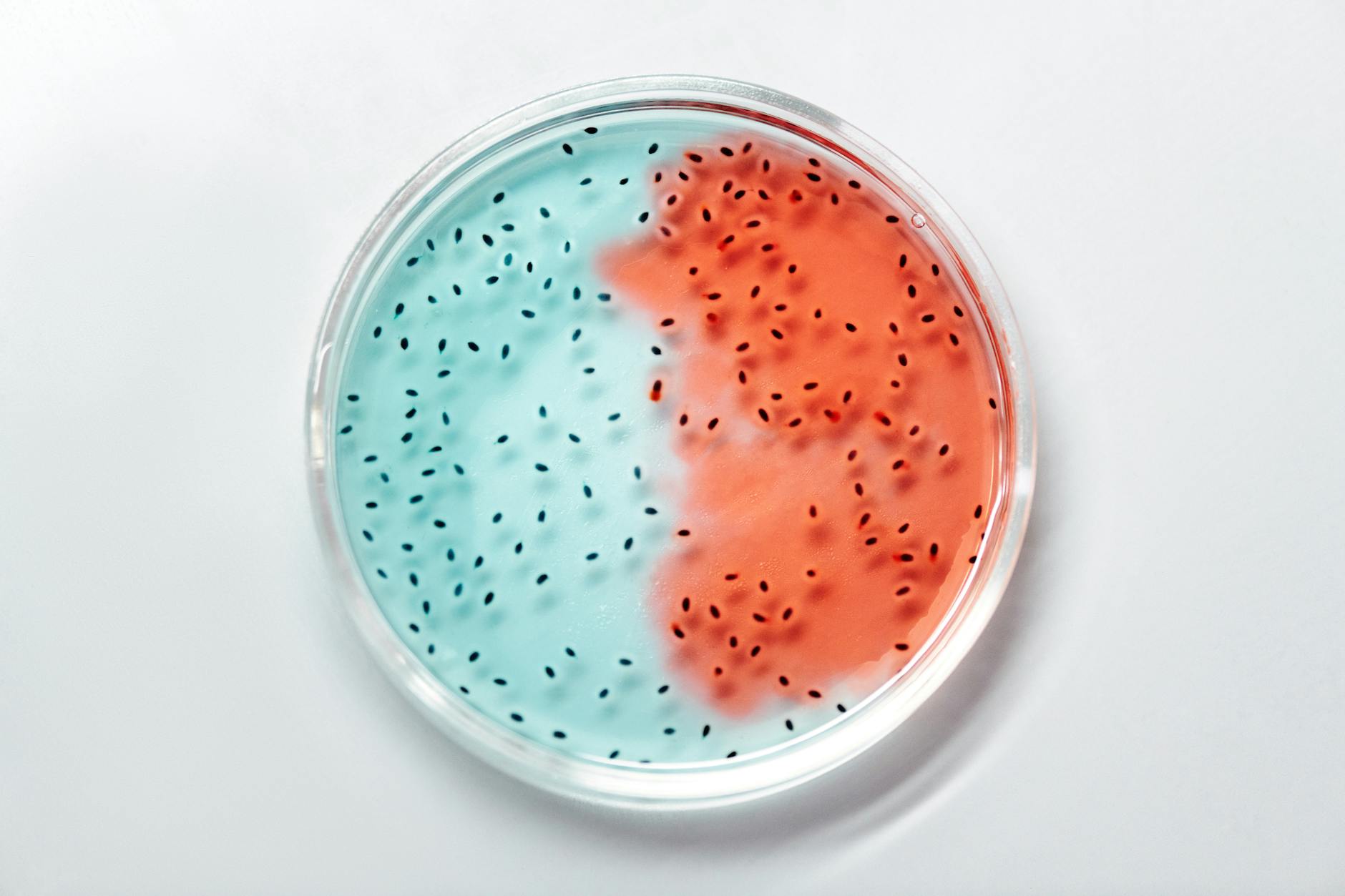
Do probiotics change gut microbiome diversity in adults?
Probiotics and gut microbiome diversity did not shift meaningfully in a 2026 meta-analysis of randomized trials in healthy adults.
A 2026 BMC Medicine meta-analysis led by Anna Júlia Éliás lands awkwardly against the most common probiotic sales pitch. Among healthy adults, pooled randomized evidence did not show a meaningful increase in gut microbiome diversity. That distinction matters because diversity has become shorthand on supplement labels and wellness podcasts, even though it is not the same thing as better digestion, lower inflammation or broader metabolic resilience.
Éliás and colleagues screened 9,217 records, included 47 studies, and pooled 22 trials covering 1,068 participants for the main diversity analyses. Those trials left the headline metrics almost unchanged. Shannon diversity showed a reported median difference of -0.08, while observed operational taxonomic units shifted by 2.19, neither a statistically significant win for probiotics. The cleaner takeaway is not that probiotics never do anything. The broad promise of “more diversity” simply looks stronger in marketing than it does in randomized human data.
Skeptics will read the paper as a direct hit on a familiar claim. Analysts have a reply: diversity may be the wrong headline endpoint. A 2026 Gut expert-panel review from James L. Alexander and colleagues argues that microbiome science has moved well beyond small 16S snapshots and simple richness counts. The meta-analysis undercuts one common consumer promise without closing the book on narrower, strain-specific or function-specific uses.
What the meta-analysis actually measured
Éliás and colleagues ask a direct question in the population most supplement buyers imagine themselves to be: otherwise healthy people taking probiotics in hopes of making their gut healthier. Compared with a single upbeat trial in a narrowly defined patient group, that is a more useful test of the category.
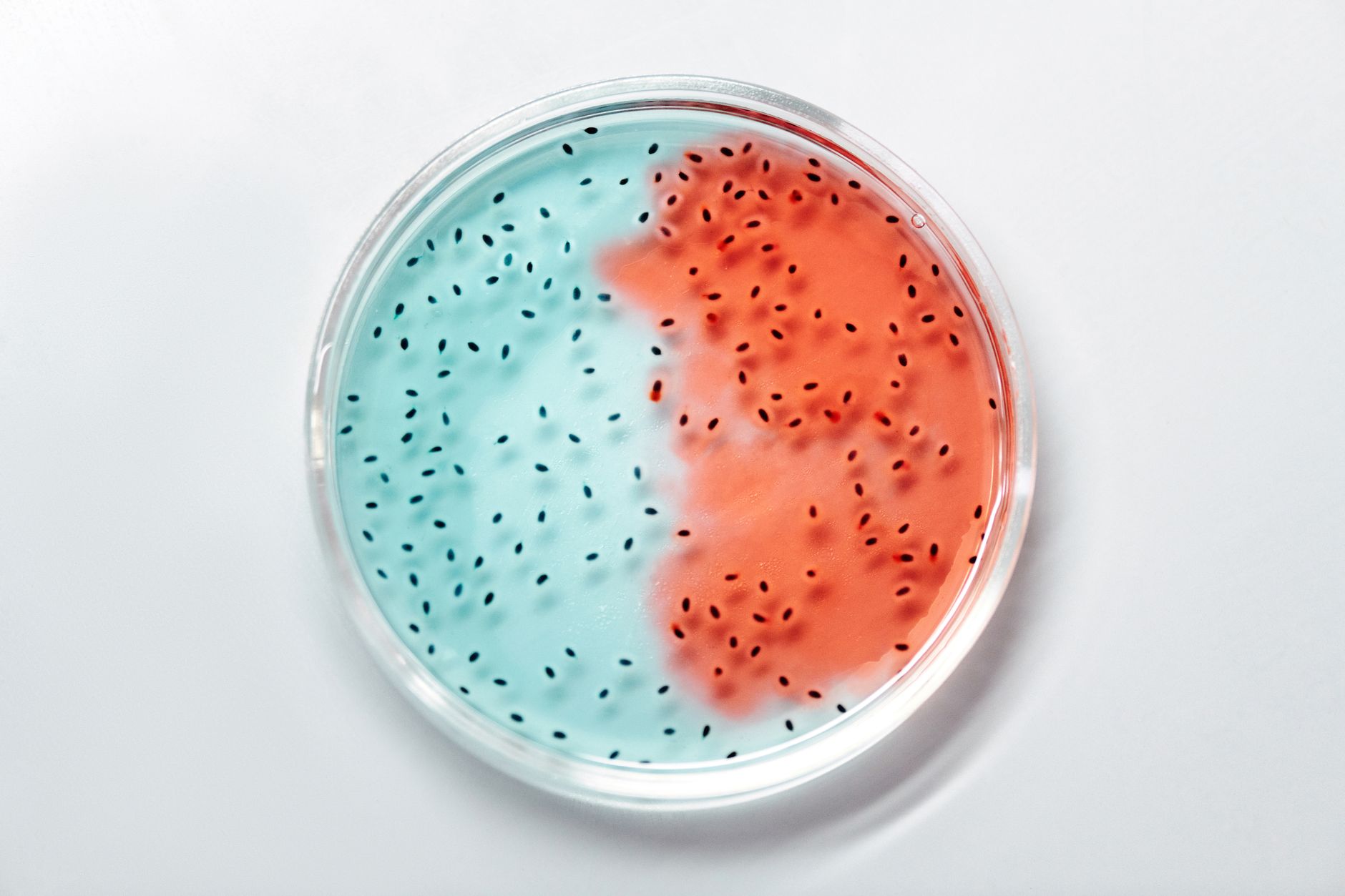
The pooled result was blunt. As Éliás et al. wrote in BMC Medicine, probiotics did not produce statistically significant changes in Shannon, Chao1, Simpson or observed OTU diversity compared with control groups.
Our results indicate that probiotic supplementation does not produce statistically significant changes in gut microbiota diversity in healthy individuals.
Anna Júlia Éliás et al., BMC Medicine (2026)
That does not prove every probiotic strain is useless. It does mean the strongest generic claim, that swallowing a daily capsule will reliably make a healthy person’s microbiome more diverse, is not backed by the best pooled evidence now available. Unlike a single positive before-and-after story, a meta-analysis forces many randomized trials into the same frame.
The paper also clarifies its own boundaries. The population was healthy adults, not people with inflammatory bowel disease, recurrent antibiotic exposure or a diagnosed microbiome-linked disorder. The endpoint was diversity, not symptoms. Readers should not stretch the result past those limits. Within them, though, the result is commercially uncomfortable.
Why diversity is a blunt endpoint
Microbiome researchers have been warning for years that diversity is only one layer of the story. A gut community can look numerically richer without doing anything particularly beneficial for the host. Function, metabolite output or immune signalling can also shift without a dramatic change in a top-line diversity score.
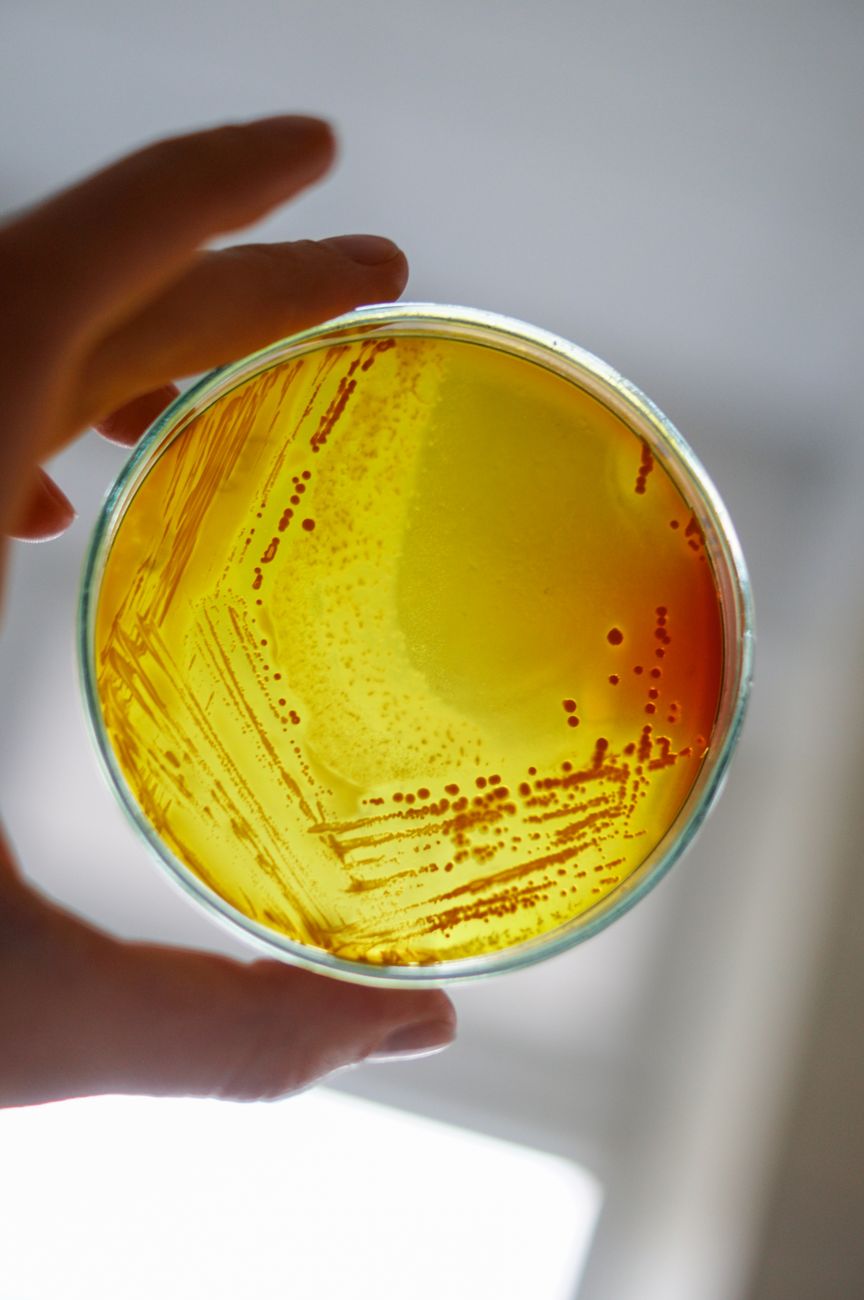
In that 2026 review in Gut, Alexander and colleagues make nearly the same point, arguing that the field has moved toward larger cohorts, richer metadata, shotgun metagenomics and other functional readouts. The old question, “did diversity go up?”, is not worthless. It is just too coarse to carry the whole category.
Beyond FMT, other microbial therapeutic techniques, including nutritional, bacteriophage and probiotic therapies, show promise, but have not fulfilled their high expectations yet.
Gut Microbiota for Health Expert Panel, Gut (2026)
Other 2026 work points the same way. A June 2026 Nature paper on commensal-derived acetylcholine and mucosal immune education is not a probiotic trial, but it suggests that microbiome effects may matter because specific microbes do specific things, not because an overall diversity score gets a little bigger. Function is harder to sell on a label, and harder to capture in one consumer-friendly number. It is also closer to how the science now talks.
The skeptical point still matters. “Diversity” has survived as a wellness buzzword partly because it sounds measurable and universally good. Yet the proxy can flatten crucial distinctions between composition, activity and clinical outcome. A null result on diversity should therefore cool down one kind of claim while also forcing readers to ask a better question: what exactly is the probiotic supposed to improve?
What this means for probiotic buyers in 2026
One optimistic reading is that probiotics are not finished. The broad category is splintering into narrower use cases faster than the marketing copy suggests. By 2026, consumer probiotic advice is already sorted less by promises to “rebuild the microbiome” and more by specific situations, such as digestive symptoms, recovery after antibiotics or synbiotic convenience. That fragmentation is a clue. Even the market no longer acts as if one generic diversity claim is enough.
For healthy adults, the practical implication is modest. Buying a probiotic specifically to raise gut microbiome diversity is not a strong evidence-based bet after the Éliás meta-analysis. A clearly defined reason is a different question, and one that still has to be answered strain by strain, outcome by outcome and population by population. The supplement aisle tends to blur those distinctions because broad promises sell better than narrow ones.
Read the paper as a corrective, not a demolition job. The authors did not find that probiotics harmed microbiome diversity. They found that the average randomized signal in healthy people was too weak or inconsistent to justify the category’s most common shorthand. That leaves space for future evidence on specific strains, endpoints and next-generation organisms. It strips away the lazy claim that “more probiotics” automatically means “more diversity” and therefore “better gut health.”
There is a broader microbiome lesson here. Readers should be wary whenever a complicated biological system gets reduced to a single consumer metric. Sleep is not just sleep score, metabolic health is not just blood sugar in one morning, and gut health is not just diversity. Once a marker turns into a marketing slogan, it usually starts carrying more confidence than the science can bear.
The cautious reading, for now: probiotics may still matter in narrow contexts. The 2026 meta-analysis suggests they do not, on average, transform microbiome diversity in healthy adults. That is less exciting than the label copy. It is also a much better place to start.
References
- Éliás AJ, Földvári-Nagy KC, Al-Gharati YZ, et al. Effect of probiotic supplementation on the gut microbiota diversity in healthy populations: a systematic review and meta-analysis of randomised controlled trials. BMC Medicine. 2026. https://bmcmedicine.biomedcentral.com/articles/10.1186/s12916-025-04602-0
- Alexander JL, Mullish BH, Thomas L, et al. Recent advances in our understanding of the gut microbiome: an analysis from the Gut Microbiota for Health Expert Panel of the British Society of Gastroenterology. Gut. 2026. https://gut.bmj.com/content/early/2026/06/02/gutjnl-2026-338252
Clinical researcher covering the gut-brain axis, probiotics, and metabolic health. Reports from Boston.
The Vitalspell brief
Evidence-based supplement science — weekly in your inbox.
Subscribe