
#Supplements
Articles tagged #Supplements on Vitalspell.
What Creatine Actually Does for Women's Muscle, Brain and Menopause
A sweeping 2025 review argues women metabolise creatine differently than men — and the gap widens during the menopause transition. But a closer look at the cognitive evidence reveals a single small trial, uncorrected multiple comparisons, and a perimenopause-shaped hole in the research.
Omega-3 supplements accelerated cognitive decline in older adults, study finds
A 2026 analysis of over 800 older adults found omega-3 supplement users declined faster on three cognitive measures than matched non-users. Reduced brain glucose metabolism, not amyloid buildup, appeared to drive the effect.
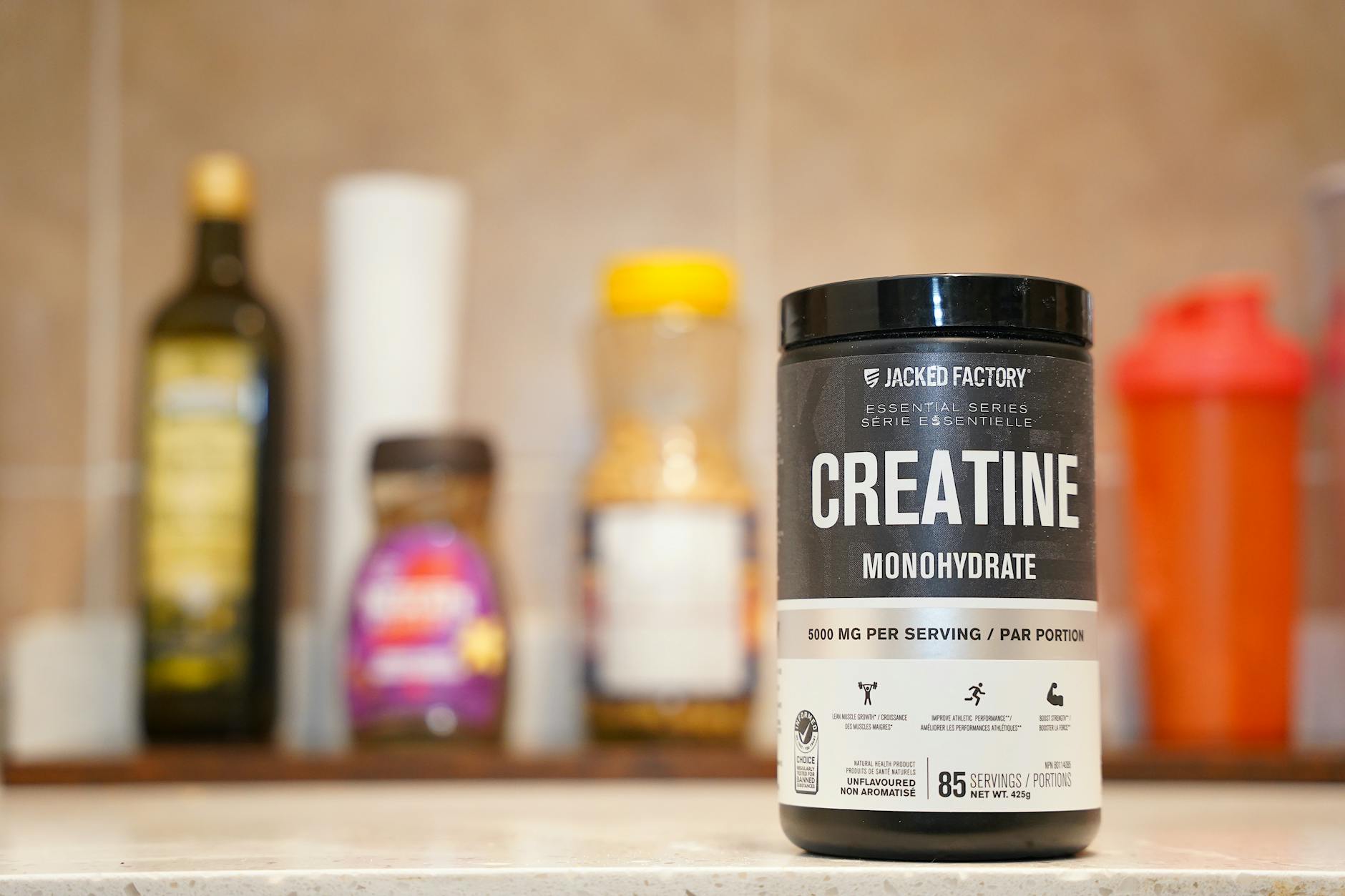
Thinking About Creatine? What Researchers Actually Want You to Know First
Creatine monohydrate is one of the most studied supplements in existence — but most of what circulates online gets the details wrong. Researchers Richard Kreider, Jan Brauner, and Bruno Gualano unpack what 30 years of evidence actually shows about muscle, cognition, kidney safety, and why you can skip the loading phase.
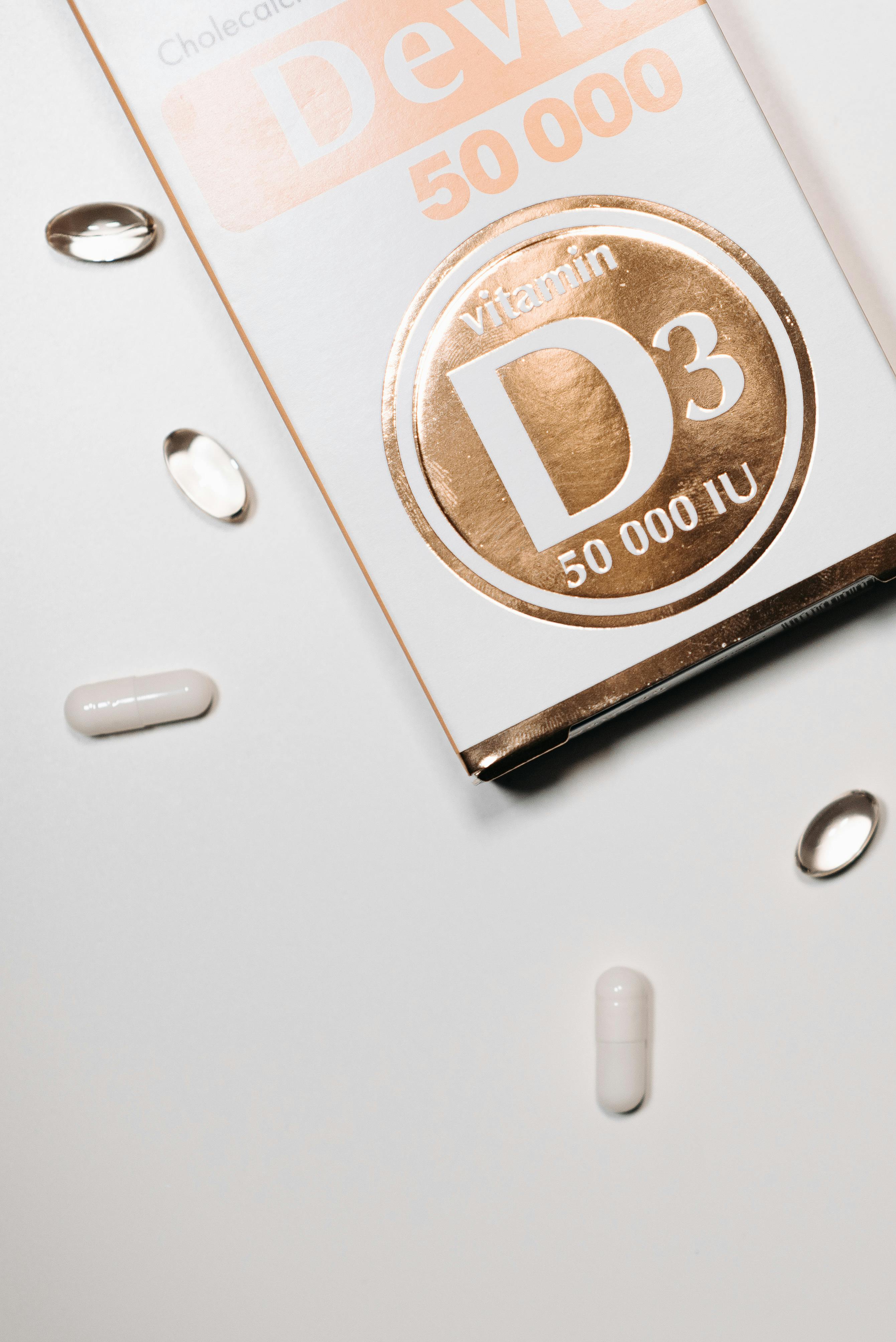
Vitamin D at 5,000 IU reduced depression symptoms most in new dose-response analysis
A 2026 meta-analysis of 15 RCTs finds vitamin D supplementation significantly reduces depressive symptoms, with 5,000 IU per day showing the greatest effect. Reductions in PTH and TNFα point toward anti-inflammatory mechanisms.

Magnesium did not improve sleep or prevent night cramps, major cohort study finds
A new analysis of the population-based CoLaus cohort, published in the European Journal of Nutrition, found no evidence that magnesium supplements improve sleep quality. Magnesium users actually reported a higher likelihood of nocturnal leg cramps.
More

Magnesium L-threonate improved cognition by 7.5 cognitive years in 6-week trial
A 6-week randomised trial in 100 adults found that 2 grams per day of magnesium L-threonate (Magtein) improved overall cognitive performance and reduced estimated brain cognitive age by 7.5 years. Sleep improvements were selective, but heart rate and heart rate variability both moved in favourable directions.
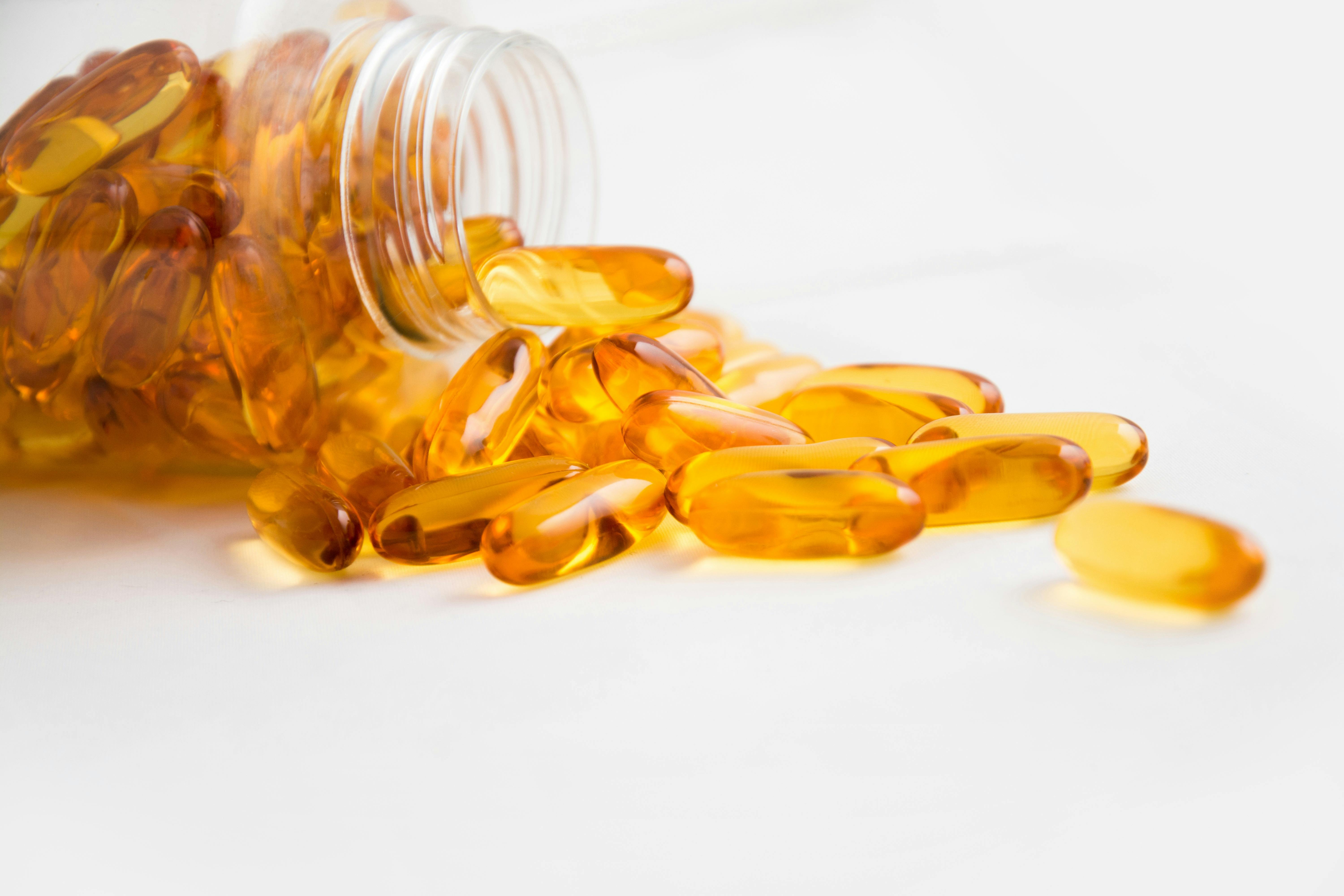
Fish oil supplements face mounting evidence of limited benefits and real risks
A growing body of research suggests fish oil supplements may not deliver the broad health benefits consumers expect and could pose risks including increased atrial fibrillation and possible cognitive decline in older adults.
5-MTHF prenatal trial: what the Ritual-funded RCT actually showed
A 24-week randomized trial in Frontiers in Nutrition compared 5-MTHF and folic acid prenatal multivitamins in 62 second- and third-trimester pregnancies. The methylated form held folate status with about a quarter of the unmetabolized folic acid. Industry-funded, narrowly scoped, and worth reading carefully.

Longevity supplement NOVOS Core improved vascular aging markers in first human trial
A six-month randomized controlled trial at the University of Surrey found NOVOS Core, a 12-ingredient supplement, improved endothelial function, arterial flexibility, and blood pressure in 61 healthy adults over 40. The effect sizes rival those of structured exercise programs, but the study is modest, single-center, and not yet peer-reviewed.
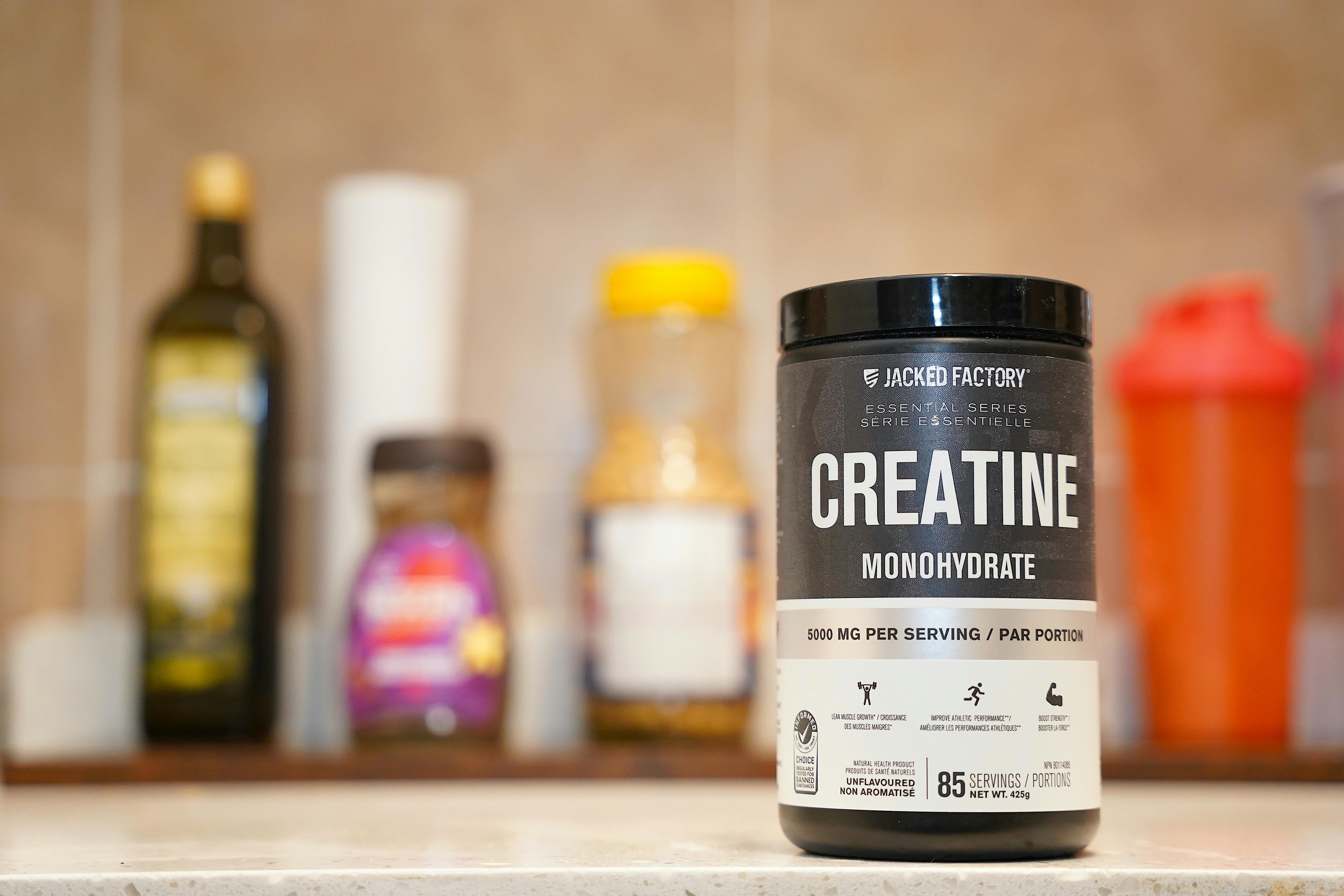
Limited evidence links creatine to better cognition in older adults
A systematic review of six studies finds creatine may benefit memory and attention in adults over 55. The evidence is thin, with only one of six studies rated methodologically 'good.' The authors say high-quality trials are needed before clinical recommendations.

Berberine derivative lowered HbA1c by 1% in 12-week diabetes trial
A phase 2 randomized trial published in JAMA Network Open found that HTD1801, an oral compound combining berberine with ursodeoxycholic acid, reduced HbA1c by 1.0 percentage point over 12 weeks. The drug also improved insulin sensitivity, lipid profiles, and liver enzyme levels, with two phase 3 trials now completed and an NDA submission planned.
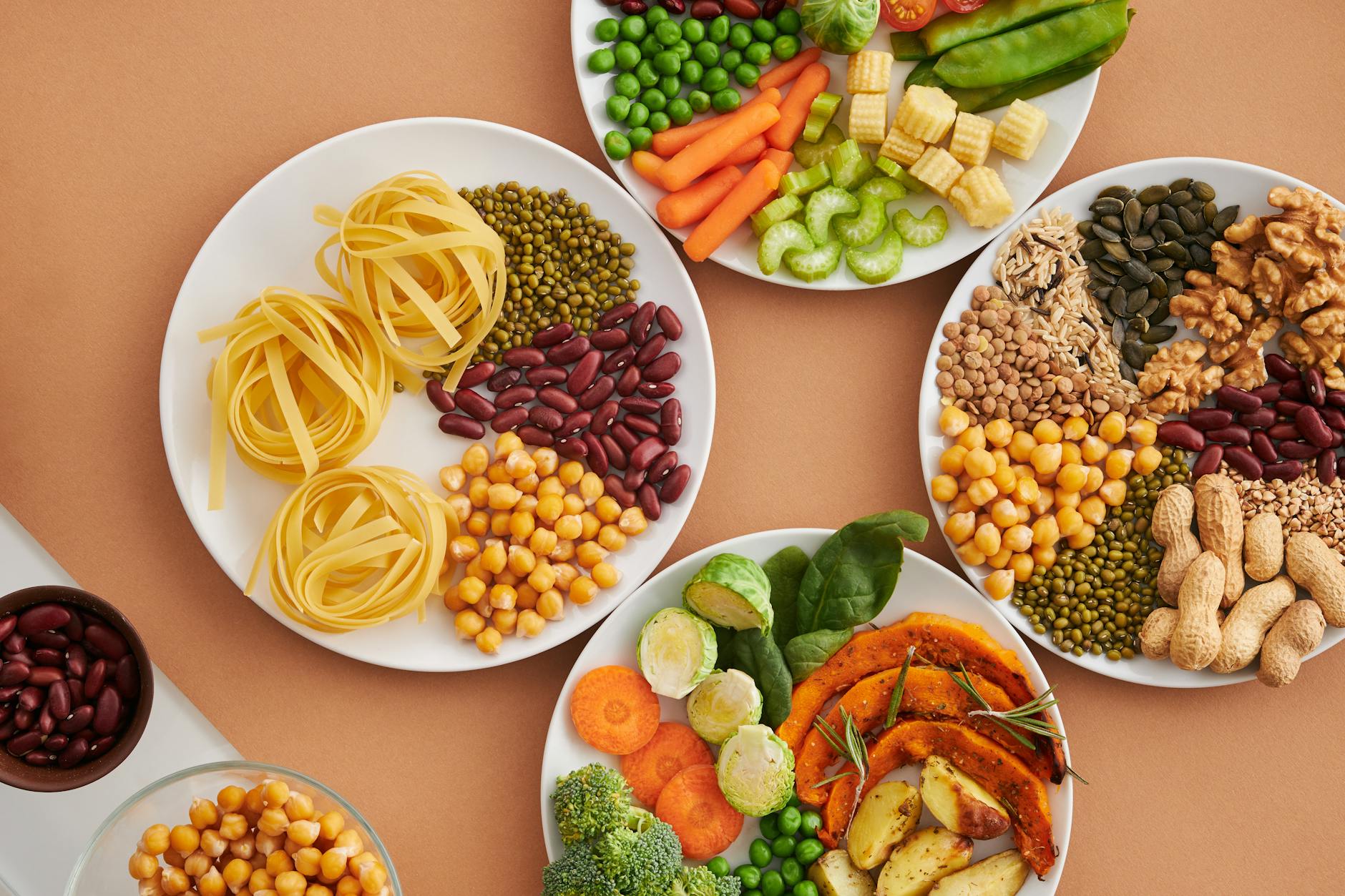
Plant-Based Diets Match Omnivore Diets for Athletic Performance, Review Finds
A 2025 state-of-the-art review in the American Journal of Lifestyle Medicine finds plant-based eating patterns are non-inferior to omnivore diets for athletic performance and muscle protein synthesis. The strongest supplement evidence supports creatine, caffeine, and protein.
The Best Magnesium Supplements of 2026, According to Experts
Forbes Health consulted a panel of accredited nutrition experts to rank the best magnesium supplements of 2026. The top picks span multiple forms, from affordable oxide tablets to premium bisglycinate powders. Here is what the evidence says about which form you actually need.
How To Choose the Right Magnesium Supplement for You
The form of magnesium you choose matters more than the brand. Magnesium glycinate and citrate offer high bioavailability for sleep and general health, while oxide is poorly absorbed and best reserved for heartburn.
Phosphatidylserine supplement improved short-term memory in Chinese MCI trial
A 12-month RCT in 190 Chinese older adults found that a supplement containing phosphatidylserine, ALA, and Ginkgo improved short-term memory and executive function. But the combination-product design and a low PS dose make it hard to know which ingredient actually worked.

Magnesium and sleep: what the evidence says about the most recommended bedtime supplement
Magnesium has a plausible mechanism for improving sleep through GABA and NMDA receptors, but the trial data shows the effect is modest and largely limited to people with low dietary magnesium intake.
NMN versus NR: what the 2025 evidence actually says
A 2025 Food Frontiers review compares NMN and NR head to head: both raise blood NAD+, but the human trial record falls short of the longevity-extension claims printed on the supplement box.
NMN and NR supplements: what the evidence says about NAD precursors and aging
NAD levels drop by roughly half between age 40 and 70, and supplement companies are selling NMN and NR as the solution. The human trials show measurable NAD increases but inconsistent clinical benefits, and the regulatory situation for NMN remains unsettled.

Vitamin D plus K2 acts like a drug, not a supplement
An Italian cardiology team's narrative review in IJMS reframes combined vitamin D and K2 as a low-potency pharmacological intervention, arguing that the large neutral RCTs tested the wrong populations and ignored K2 as an essential cofactor.
Resveratrol for menopause: less pain, stronger bones, no cognitive benefit
A 2025 meta-analysis of 10 RCTs with 928 postmenopausal women found resveratrol reduced pain and a bone resorption marker, but cognition, mood, sleep, and metabolism were unaffected.
Creatine monohydrate: what the evidence says about the most studied supplement in sports
Creatine monohydrate is the most studied sports supplement in history. It works reliably for strength and power, shows emerging promise for brain health, and costs pennies per gram. Here is why the more expensive forms have almost no evidence of superiority.

Magnesium bisglycinate modestly improved insomnia in largest placebo-controlled trial
A four-week randomized trial in 155 adults found that 250 milligrams of magnesium bisglycinate per day modestly reduced insomnia severity compared to placebo. The benefit was largest in people with low dietary magnesium intake.

Lion's Mane extract showed no overall cognitive improvement in acute trial
A double-blind trial in Frontiers in Nutrition found that a single 3-gram dose of Lion's Mane fruiting body extract did not significantly improve overall cognition or mood in healthy young adults, though fine motor dexterity improved on the pegboard test.