Saffron and ginseng improve erectile function, meta-analysis of 14 trials finds
A 2025 systematic review of 14 randomized trials found that saffron and ginseng consistently improved erectile function, while Tribulus terrestris and maca lacked sufficient evidence. The analysis, covering 1,227 men, is the most comprehensive assessment of herbal ED supplements to date.
Saffron and ginseng have RCT evidence behind them. Tribulus and maca, the supplements most often packaged into commercial ED products, do not. That is the conclusion from a 2025 meta-analysis of 14 randomized trials covering 1,227 men with erectile dysfunction, published in the Journal of Traditional and Complementary Medicine. It is the most comprehensive look yet at what works in this category.
The authors, Ho, Hsu, and Chien at Taipei City Hospital and National Yang Ming Chiao Tung University, searched PubMed, Embase, and Cochrane CENTRAL through June 2023 and pooled the results with random-effects models. Saffron produced the largest effect on erectile function. Ginseng produced moderate, replicated improvements across multiple sexual function domains. Everything else either failed to separate from placebo or rested on too few trials to interpret.
The market context matters. Herbal ED supplements generate billions in annual sales with almost no regulatory oversight, and a prior analysis by Balasubramanian and colleagues (cited in the Ho paper) found that only 17 percent of human studies on top-rated Amazon ED products bothered to test single ingredients. Most products are proprietary blends with no published trial data attached. (For related coverage of vascular signals around erectile health, see what Bryan Johnson’s nocturnal erection tracking reveals.)
How the study was designed
Ho’s team included only published RCTs that compared a herbal or plant-based dietary supplement against placebo or no intervention in men with ED. The primary outcome was the International Index of Erectile Function (IIEF), which captures five domains: erectile function, orgasmic function, sexual desire, intercourse satisfaction, and overall satisfaction. Serum testosterone was a secondary endpoint where reported.
The 14 trials spanned seven supplement categories: saffron (2 trials), ginseng in various forms (4 trials), Tribulus terrestris (4 trials), and one trial each for maca, Tongkat ali, VigRX Plus, and Prelox. Follow-up ranged from one to six months. Most studies were rated moderate-to-high quality on the Cochrane risk-of-bias tool, though the authors flagged significant publication bias on Egger’s test for the erectile function outcome (p = 0.024). Smaller negative trials may simply be missing from the published record.
What saffron did
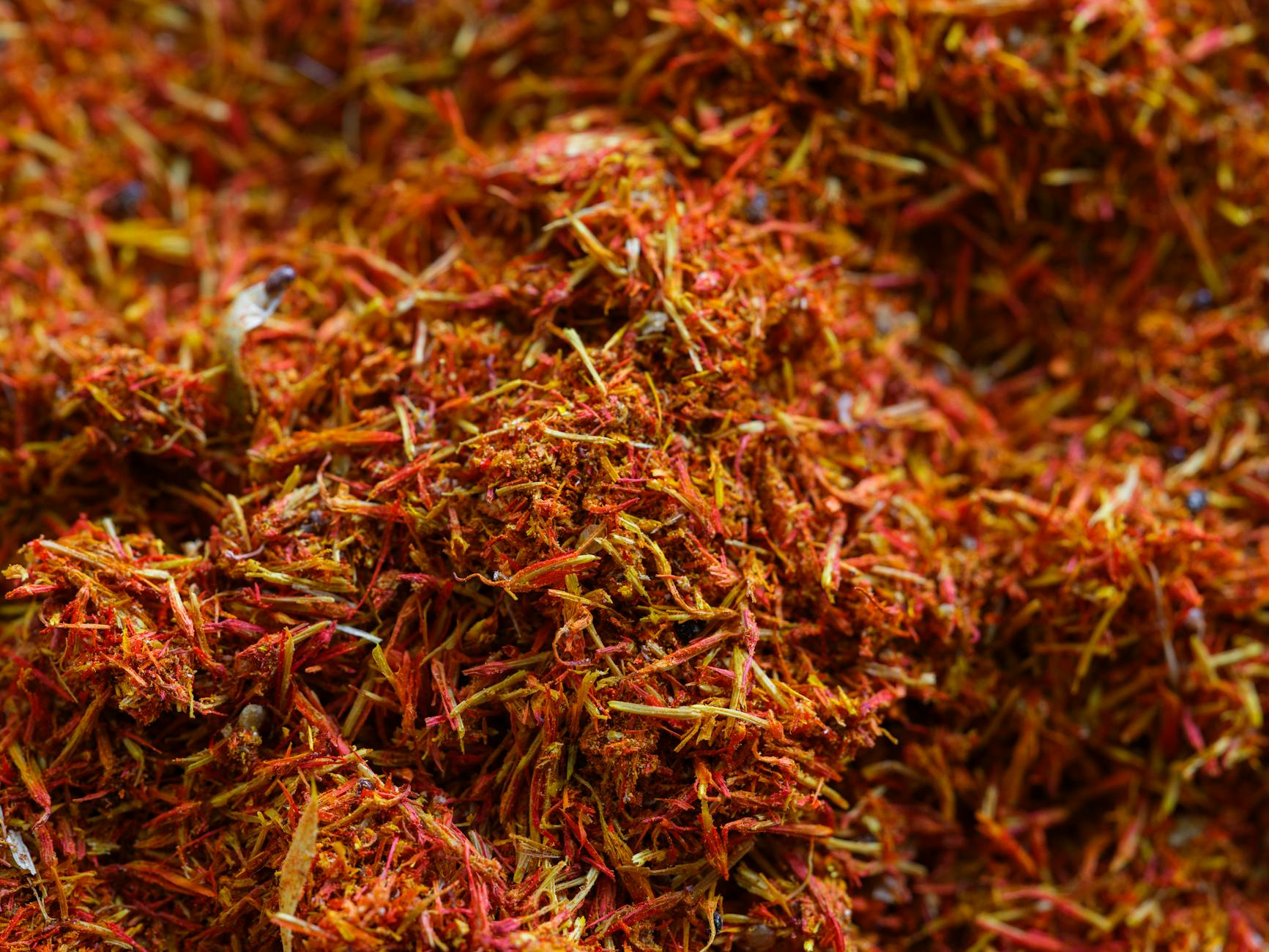
Saffron produced the largest and most consistent effects. Across the two saffron trials (Modabbernia 2012 and Mohammadzadeh-Moghadam 2015, both conducted in Iran), the pooled standardized mean difference for erectile function was 2.23 (95% CI 1.66 to 2.80) with zero heterogeneity (I squared = 0 percent). That is a large effect by any conventional threshold.
It also improved orgasmic function (SMD 1.01, 95% CI 0.32 to 1.70) and intercourse satisfaction (SMD 1.81, 95% CI 1.15 to 2.47). Sexual desire and overall satisfaction did not reach statistical significance, though the direction of effect was positive in both. Both saffron trials were small. The confidence intervals, while excluding zero, remain wide enough that the true effect could be meaningfully smaller than the point estimate.
What ginseng did
Ginseng has more trials behind it, and the picture is more nuanced. The pooled effect on erectile function was moderate (SMD 0.41, 95% CI 0.20 to 0.62, I squared = 0 percent), and ginseng reached statistical significance on four of the five IIEF domains: erectile function, orgasmic function, sexual desire, and overall satisfaction. It also produced a small but significant increase in serum testosterone (SMD 0.23, 95% CI 0.01 to 0.45, I squared = 0 percent).
A 2022 Cochrane review by Lee and colleagues had previously examined ginseng for ED and found that while IIEF scores improved, the mean difference of 3.52 points fell below the predefined minimum clinically important difference. The Ho meta-analysis does not resolve that tension. It confirms ginseng works directionally but does not establish that the average patient notices the improvement. The four ginseng trials used different preparations (Korean red ginseng, fermented ginseng, and unspecified Panax ginseng), which complicates clinical translation. A patient cannot walk into a pharmacy and know which extract, standardized to which ginsenoside profile, produced the effect.
What did not work
Tribulus terrestris appeared in four trials, more than any other supplement, and the pooled point estimate for erectile function was positive (SMD 0.74). But the 95 percent confidence interval crossed zero (negative 0.24 to 1.72), so the finding is not statistically significant. For serum testosterone, Tribulus showed no difference from control. Despite being one of the most common ingredients in commercial ED supplements, the evidence for Tribulus is not there.
Maca appeared in a single trial of 50 men (Zenico 2009) that the authors described as having “unclear risk of bias.” Tongkat ali also had one trial. Neither produced enough data for a meaningful subgroup analysis. The multi-ingredient products VigRX Plus and Prelox each had one positive trial, but single-trial evidence with proprietary blends makes it impossible to attribute any benefit to a specific ingredient.
Caveats the reader needs
Several limitations deserve attention. The heterogeneity across most pooled analyses was very high: I squared values ranged from 74 to 93 percent for most outcomes, meaning the included studies differed substantially in ways the random-effects model captured but did not explain. The saffron and ginseng subgroup analyses had low heterogeneity, which is why those findings carry more weight, but the headline pooled estimates are driven by those two supplements pulling the average up while Tribulus and others diluted it.
All trials were short (one to six months). ED is a chronic condition, and whether improvements persist, plateau, or reverse beyond six months is unknown. The authors flagged significant publication bias for the main outcome (p = 0.024), meaning the published literature likely overrepresents positive findings. Most trials were conducted in Asia and the Middle East, so generalizability to other populations is uncertain. The included samples also skewed younger, with mean ages of 35 to 65, leaving older men (the population most affected by vascular and age-related ED) underrepresented in the pooled estimates.
Ho and colleagues are careful in their conclusion: “routine clinical use of these agents cannot yet be endorsed until larger, longer-term, and methodologically rigorous RCTs are available.” They also note that claims about herbal ED supplements “may be exaggerated or false,” given the gap between what the RCT evidence shows and what product labels imply.
The bottom line
Saffron and ginseng are the two herbal supplements with trial data behind them for erectile function. Saffron produces a larger effect but from only two small trials. Ginseng has more replication but a smaller average benefit that may sit below the threshold patients can feel. Tribulus terrestris and maca, the ingredients that dominate the Amazon bestseller list, have no statistically significant RCT evidence. Anyone considering a supplement for ED should know that the gap between what the evidence supports and what the market sells remains wide, and that PDE5 inhibitors have decades of safety and efficacy data that no herbal product comes close to matching. Consult your doctor before starting any supplement.
References
- Ho CY, Hsu CH, Chien TJ. Herbal dietary supplements for erectile dysfunction: A systematic review and meta-analysis of randomized-controlled trials. Journal of Traditional and Complementary Medicine 16(1):109-120. 2025. https://doi.org/10.1016/j.jtcme.2025.11.001
- Borrelli F, Colalto C, Delfino DV, et al. Herbal dietary supplements for erectile dysfunction: A systematic review and meta-analysis. Drugs 78(6):643-673. 2018. https://doi.org/10.1007/s40265-018-0897-3
- Lee HW, Lee MS, Kim TH, et al. Ginseng for erectile dysfunction. Cochrane Database of Systematic Reviews (5):CD012659. 2022. https://doi.org/10.1002/14651858.CD012659.pub2
Priya Nair
Health journalist covering thyroid health, cortisol, perimenopause, and endocrine disruptors. Reports from Chicago.