How a few medical visits reshaped gut microbes in remote Amazonian communities
Amazonian gut microbiome changes came fast after a few medical visits, raising harder questions about essential care, microbial diversity and consent.
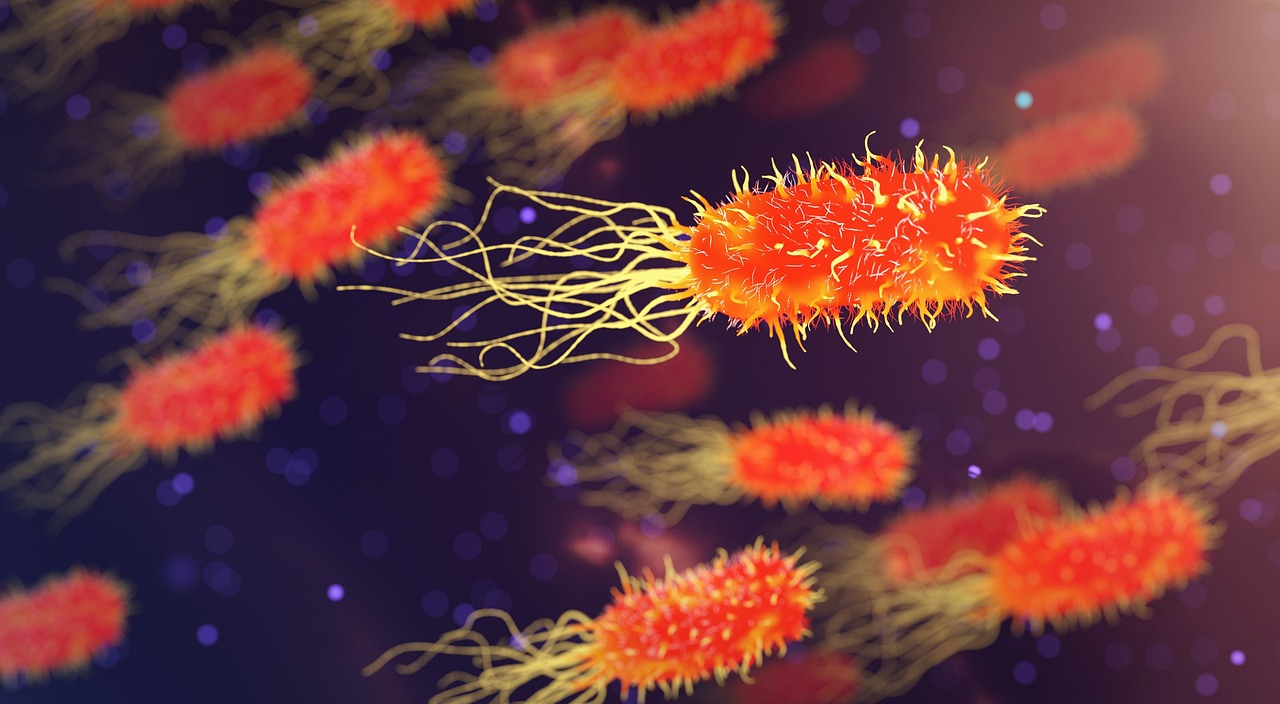
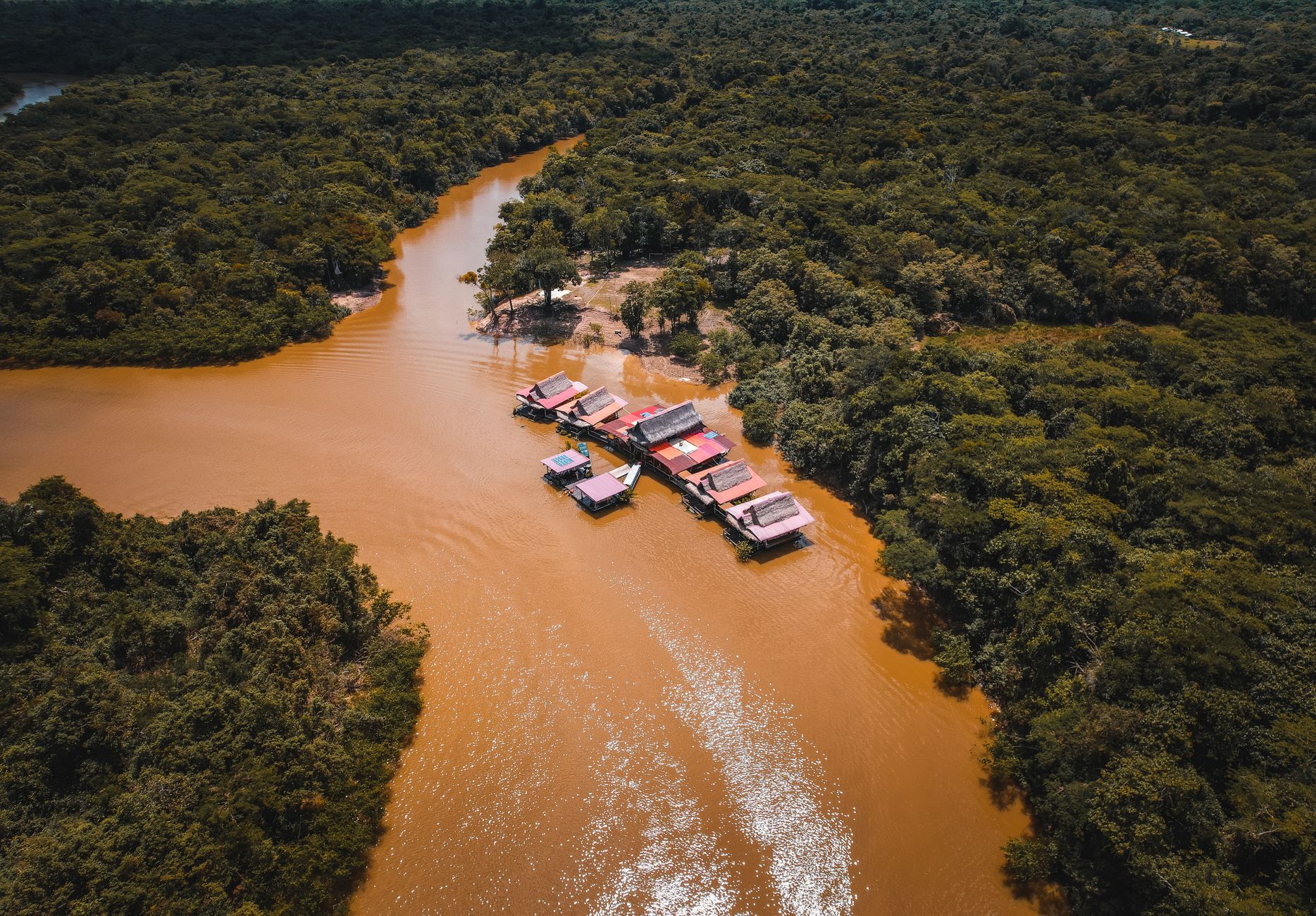
Maria G. Dominguez-Bello and colleagues report in a new 2026 Cell Reports paper that the gut microbiome in remote Amazonian Indigenous communities can move surprisingly fast after even limited exposure to modern care. Around quarterly medical visits tied to river blindness control, researchers sampled people in seven Venezuelan Amazonian villages and saw the microbial shift emerge within about four months. On its face, that is the headline finding. More revealing is what the result suggests about medicine itself, not only diet or urban living, as a force that can reshape gut ecology.
Nor is the result an argument against treatment. These communities were being reached through a WHO-supported elimination effort for onchocerciasis, or river blindness, a disabling parasitic disease that public health programs are supposed to treat, not romanticize. Even so, the study complicates a familiar gut-health script. The microbiome is often framed as something that drifts when people adopt ultra-processed food, move to cities or stop eating fibre-rich diets. In this case, a few rounds of care, including antiparasitic treatment, looked sufficient to push the microbial profile in a more industrialized direction.
From there, a harder question follows. If essential care can alter the microbiome this quickly, how should health programs think about the tradeoff between preventing infectious disease now and preserving microbial diversity over time? Beyond microbiome circles, that is what gives the paper weight. When public health reaches communities with little prior contact with modern medicine, more than infection risk can change.
Why this looks like a rare natural experiment
Most westernization studies are messy. Diet changes. Water systems change. Refrigeration arrives. Antibiotics become easier to get. People travel more. Taken together, those exposures often pull the microbiome in the same direction, which makes any single driver hard to isolate. What makes this study useful is the narrower frame. Among the 335 participants across seven villages, subsistence patterns did not appear to transform overnight, yet the microbiome still shifted after repeated medical contact. That is why Dominguez-Bello described the setup in a press summary as unusually revealing.
“The program offered a rare natural experiment.”
— Maria G. Dominguez-Bello, Medical Xpress
Skeptics still have a fair point. A 2021 Scientific Reports study of Brazilian Amazonian gut microbiomes during urbanisation and a 2025 systematic review in Frontiers in Nutrition both argue that contact, market foods, sanitation change and medical exposure tend to travel together. Observationally, this Cell Reports paper cannot eliminate every confounder. The sampling window ran from October 2015 to February 2016. Still, it offers a cleaner separation than most papers get. The researchers were not watching a full lifestyle transition unfold over years. They were watching what happened around specific visits from medical teams.
Seen that way, the central skeptic’s question changes slightly: was this really medicine, or just modernity arriving by another name? Not completely. Yet the signal arrived faster than diet-first stories usually do, and repeated clinical contact was the clearest new exposure in view. For Vitalspell readers, that moves the conversation away from wellness cliches and toward pharmacology, ecology and timing.
Children and resistance genes are the part to watch
More important, the sharper finding was functional. According to the Cell Reports paper, children appeared more sensitive to the change, and the microbial gene profile moved toward more simple-carbohydrate metabolism and more antimicrobial-resistance capacity. That is more consequential than saying some gut bugs went up while others went down. Limited medical exposure may be reshaping what the microbiome does, not only which organisms sit there.
Elsewhere, the study sits at the overlap of two literatures that are usually discussed separately. One concerns how traditional, fibre-heavy diets support more diverse gut ecosystems. The other concerns how drugs, including some that are not antibiotics, can alter microbial communities and potentially select for resistance traits. In a recent Nature analysis, reporters pointed to growing evidence that non-antibiotic drugs can sometimes increase the resistance genes found in the gut. The Amazonian paper does not prove that a short course of care causes later disease. It does suggest that microbial disruption may be one of the hidden biological costs of medical transition.
“The study gives us a better idea of how sensitive human gut microbes are.”
— Maria G. Dominguez-Bello, EurekAlert
Most caution belongs around the child finding. The paper does not say that treatment harmed any particular child, nor that microbial diversity is a simple synonym for health. Lower diversity can be a warning sign in some contexts and a neutral change in others. If younger microbiomes are especially labile, though, child health programs may deserve closer microbiome follow-up than they currently get. That is a research agenda, not a policy verdict.
The public health tradeoff is the point
For program stewards, the paper is valuable precisely because it should not stop treatment. River blindness elimination campaigns in the Americas are built around repeated community-wide drug delivery because the parasite causes real disability and blindness. The question is not whether such programs are justified. It is whether health systems can start measuring and, eventually, mitigating collateral shifts in the microbiome while they deliver lifesaving care.
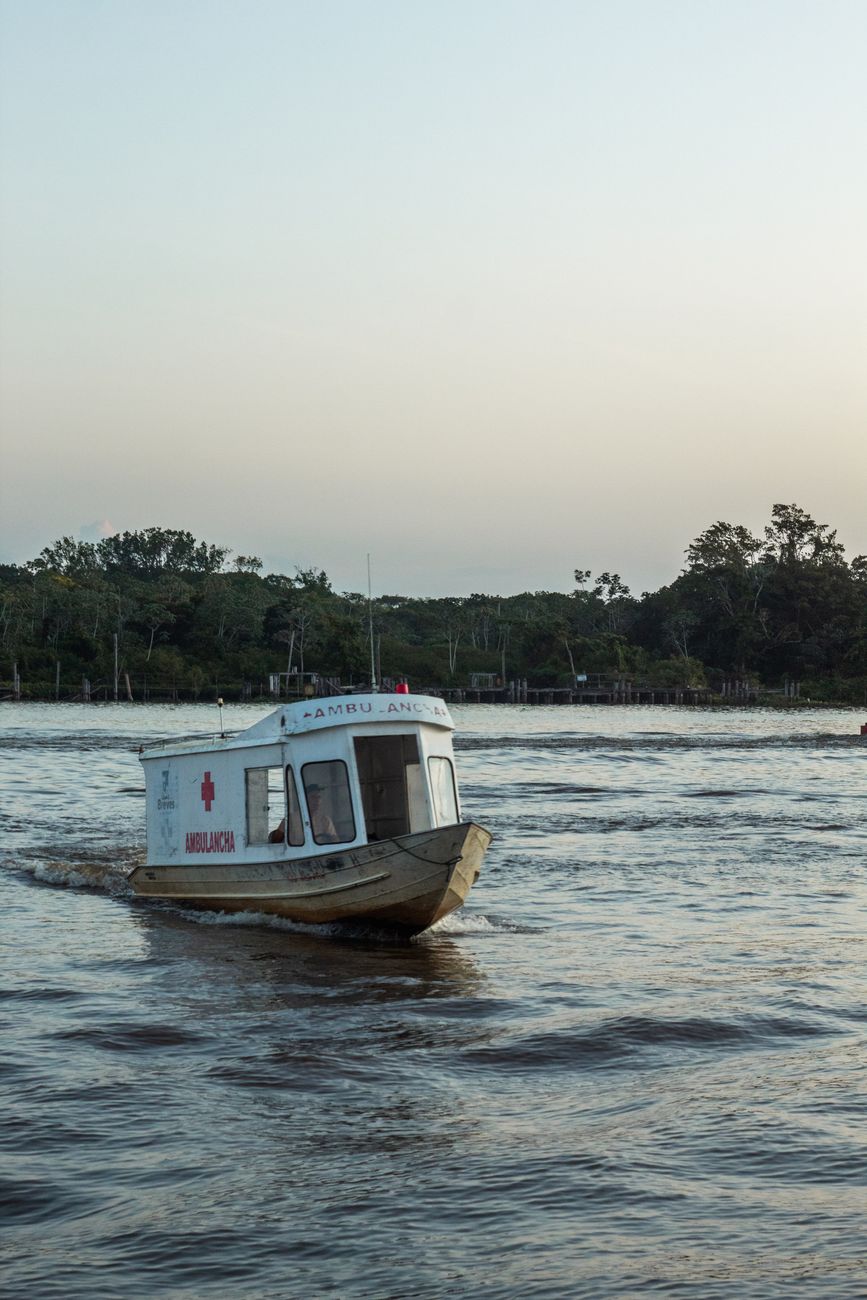
At the moment, there is no proven microbiome-sparing playbook that public-health teams can bolt onto mass drug administration. Literature tied to program follow-up in the Americas is mostly focused on infection control, coverage and elimination progress, not stool sequencing before and after treatment. That gap is the story. Meanwhile, public health got very good at measuring whether parasites disappeared. Only recently has it started asking what else changes when treatment arrives.
Just as important is the user-affected perspective. Research on Indigenous health governance and consent frameworks makes a simple point: communities should not encounter genomic or microbiome research as something merely done to them after an outside team arrives. If microbiome disruption becomes part of the risk conversation, it has to be explained without scaring people away from care they need. That means community-led consent, clear language about uncertainty, and a willingness to separate the value of treatment from the biological side effects that science is only beginning to map.
What this changes for gut-health readers
For readers used to microbiome coverage built around probiotics, prebiotics and food swaps, this paper is a useful corrective. Gut ecology is not shaped only by what people choose to eat. Systems, pathogens, sanitation and pharmaceuticals matter too. A few clinical encounters can matter, especially in populations with little previous medical exposure.
Across the older Amazonian literature, the direction of travel looks similar. The Brazilian urbanisation paper linked more industrialized living to a less traditional microbial structure. The 2025 review in Frontiers in Nutrition framed westernization as a package of exposures, not a single diet switch. Dominguez-Bello’s paper adds timing. It suggests that the package can start working faster than many readers might assume.
One caveat is worth holding onto. Fast microbial change is not the same thing as known clinical harm. The study was not designed to show whether participants became sicker, healthier or metabolically different because of the shift. It mapped restructuring, not outcomes. Microbiome journalism gets sloppy when it leaps from composition changed to health worsened. This paper does not license that leap. Instead, it supports a more careful question: when public health reaches remote populations, should microbial diversity be treated as another layer of baseline health worth tracking alongside infection rates and treatment coverage?
“Understanding how to protect and restore microbial diversity could become an important part of improving our health.”
— Maria G. Dominguez-Bello, Medical Xpress
At that scale, the claim is easier to defend. Medicine is not the problem, and isolation is not the ideal. The point is narrower. Medicine changes bodies in more ways than the immediate target disease, and microbiome science is finally sensitive enough to see some of those changes in real time. For a gut-health site, that is a more useful lesson than any headline about good bacteria versus bad bacteria. It asks readers to think in systems.
The strongest reading of this study is also the most restrained one. A 2026 Cell Reports paper suggests that limited medical exposure can rapidly remodel the microbiome in remote Amazonian communities, even before the full machinery of westernization takes hold. That does not weaken the case for treating river blindness. It strengthens the case for treating microbiome monitoring, community consent and post-treatment follow-up as part of modern care rather than as afterthoughts.
References
- Dominguez-Bello MG, et al. Rapid microbiome restructuring associated with medical exposure in remote Amazonian Indigenous communities. Cell Reports. 2026. https://www.cell.com/cell-reports/fulltext/S2211-1247(26)00421-3
- The structure of Brazilian Amazonian gut microbiomes in the process of urbanisation. Scientific Reports. 2021. https://pmc.ncbi.nlm.nih.gov/articles/PMC8342711/
- The gut microbiota of Indigenous populations in the context of dietary westernization: a systematic review and meta-analysis. Frontiers in Nutrition. 2025. https://www.frontiersin.org/journals/nutrition/articles/10.3389/fnut.2025.1652598/full
Clinical researcher covering the gut-brain axis, probiotics, and metabolic health. Reports from Boston.
The Vitalspell brief
Evidence-based supplement science — weekly in your inbox.
Subscribe