Can NMN, NAD+ and resveratrol actually slow aging? Here's what the human evidence says
NMN supplements raise blood NAD+ levels 2.5-fold in human trials, but a 2026 review of 33 studies finds anti-aging benefits remain unproven. Here's what the evidence actually says about the most-hyped longevity compounds.
Walk into any longevity forum and three names dominate the conversation: NMN, NAD+, and resveratrol. Together they anchor a supplement market projected to reach nearly $400 million in the next few years, all built on a compelling biochemical premise — that topping up a coenzyme called NAD+ can slow, or even reverse, the molecular clock of aging. But how many of the claims attached to these compounds survive contact with the human trial data? Two major evidence reviews published in May 2026 — an NPR deep-dive and a PRISMA-guided systematic review of 33 human studies — reach the same conclusion: the mechanistic story is elegant, but the human evidence for anti-aging benefits is still preliminary at best.
What NAD+ does, and why it declines
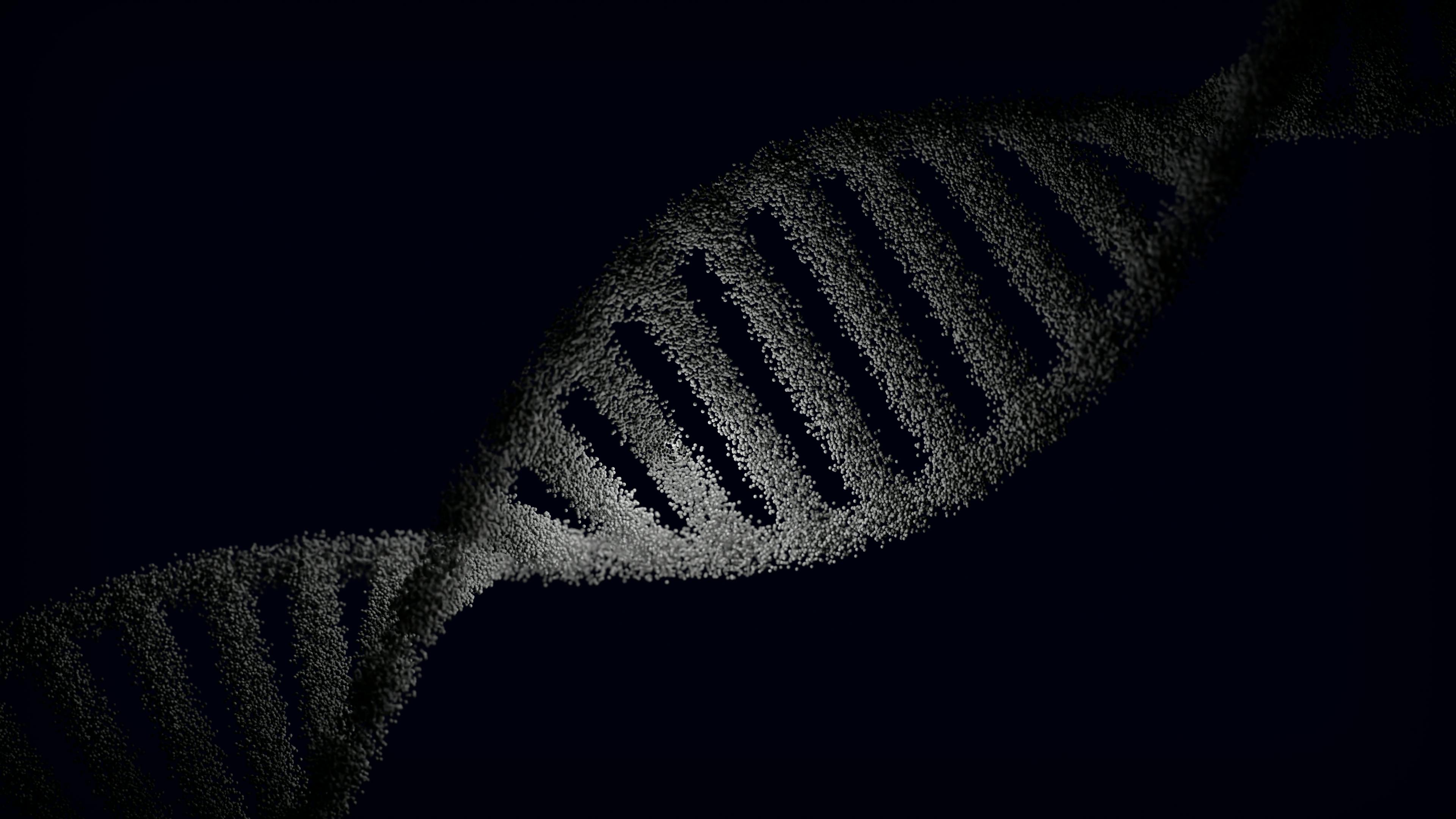
NAD+ is not a supplement ingredient in the ordinary sense. It is a coenzyme found in every living cell, essential for converting food into energy and for activating sirtuins — a family of proteins that regulate DNA repair, inflammation, and mitochondrial function. Levels of NAD+ decline with age, falling by as much as 50% between young adulthood and old age, and this decline correlates with several hallmarks of aging: genomic instability, mitochondrial dysfunction, and cellular senescence.
The logic of supplementation follows directly: if NAD+ levels drop with age, and low NAD+ is implicated in age-related decline, then restoring those levels with precursors like NMN (nicotinamide mononucleotide) or NR (nicotinamide riboside) should slow the process. It is, as Dr. Shalender Bhasin, director of the Boston Pepper Aging Research Center at Brigham and Women’s Hospital, told NPR, “a very attractive hypothesis.”
NMN: blood levels go up — but then what?
The good news for NMN is that the biochemical target engagement is real. A 2023 review in Advances in Nutrition found that NMN supplementation at doses of 250 to 900 mg per day reliably raises blood NAD+ levels by 1.7- to 2.5-fold in human subjects. Safety data from 10 published trials and 13 additional completed-but-unpublished studies suggest the compound is well-tolerated, with no serious adverse events at doses up to 1,250 mg per day.
The problem is what happens after the blood levels go up. A 2026 PRISMA-guided systematic review of 33 human intervention studies on NAD+ precursors — 28 of them randomized — concluded that while NAD+ elevation is consistent, effects on functional healthspan outcomes are “heterogeneous and often null.” Some studies report modest improvements in walking distance and insulin sensitivity; others show no difference from placebo on any clinical endpoint. The review’s bottom line: clinical effectiveness for anti-aging “remains inconclusive.”
The mouse-to-human gap
This is where the tension between supplement marketing and clinical evidence is sharpest. The animal data on NAD+ precursors are, by any measure, extraordinary. Rodent studies have shown improvements in muscle function, cognitive performance, vascular health, and lifespan itself. But the translation to humans has been underwhelming.
In rodents and mice — not in humans — NAD+ is miraculous. The data in humans are pretty iffy right now that it actually has significant benefits.
— Dr. Samuel Klein, Director, Center for Human Nutrition, Washington University, speaking to NPR
The gap between rodent and human results has a specific biochemical explanation. Tissue NAD+ levels — as opposed to blood NAD+ — may not increase proportionally with supplementation. Measuring NAD+ in accessible blood cells is straightforward; measuring it in muscle, brain, or liver tissue requires biopsies. Whether a 2.5-fold increase in blood NAD+ translates to meaningful changes in the tissues where aging actually happens remains an open question. Christopher Martens, director of the University of Delaware’s Cardiovascular Aging Research Laboratory, told NPR bluntly: “I think now the cart may be well ahead of the horse. It’s not uncommon for things to work really well in mice and then not translate to humans.”
The resveratrol cautionary tale
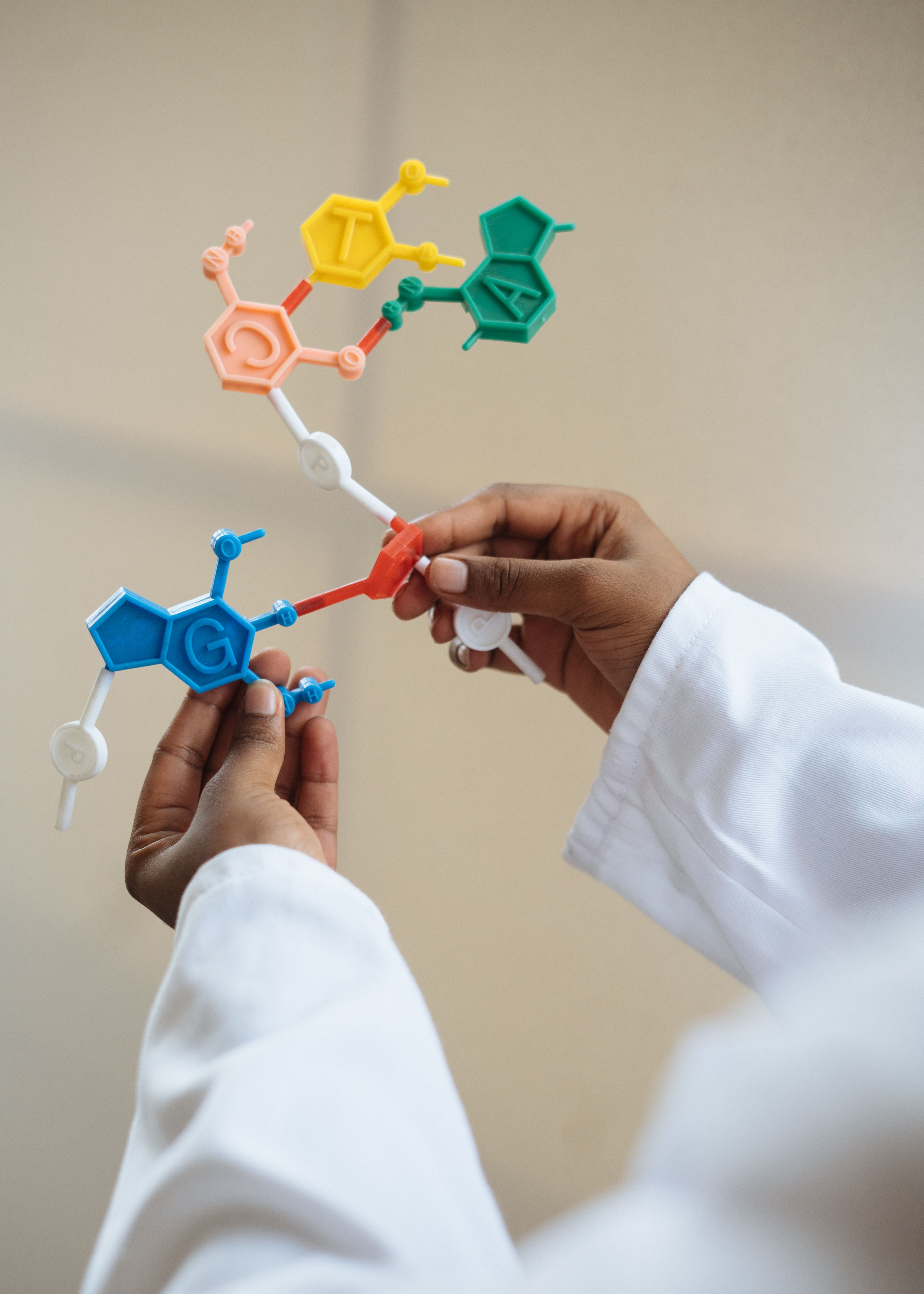
If NMN and NAD+ represent a hypothesis still under construction, resveratrol is the cautionary tale already built and largely abandoned. The polyphenol, found in red wine and grape skins, rose to fame in the early 2000s when David Sinclair’s lab at Harvard reported that it activated SIRT1 — the same sirtuin pathway NAD+ feeds — and extended lifespan in yeast. GlaxoSmithKline acquired Sinclair’s company, Sirtris Pharmaceuticals, for $720 million in 2008. By 2013, GSK had shut the program down.
What went wrong? A 2025 GRADE meta-analysis of 11 randomized controlled trials published in the Journal of the Academy of Nutrition and Dietetics found no significant SIRT1 activation from oral resveratrol in humans. Separately, the Interventions Testing Program — an NIH-funded consortium that independently evaluates anti-aging compounds in genetically heterogeneous mice — found no lifespan extension from resveratrol at any dose. A 2026 umbrella review of 45 systematic reviews in Nutrition Journal confirmed that high-certainty evidence exists only for modest reductions in blood pressure and cholesterol, not for longevity or healthspan.
The bioavailability problem explains much of this. Resveratrol is rapidly metabolized by the intestine and liver; less than 1% of an oral dose reaches systemic circulation in its active form. What reaches the tissues is mostly sulfated and glucuronidated metabolites whose biological activity is uncertain. The molecule that activated SIRT1 in a petri dish never reliably reached the same target in a human body.
Why the industry keeps selling
Despite the evidence gap, the NAD+ supplement market continues to grow. Some of this reflects legitimate scientific optimism: 11 additional NMN trials are ongoing, and several are designed with longer durations and functional endpoints that could change the picture. Rachel Pojednic, a researcher affiliated with Stanford and the wellness company Restore, told NPR that patient-reported benefits from NAD+ IV clinics should not be dismissed out of hand: “Whether that’s placebo or not, does it matter?” The science underlying NAD+ biology is “legitimate,” she argued, even if the clinical translation is incomplete.
But the gap between what the industry markets and what the trials support is unusually wide. The resveratrol story in particular illustrates how a single compelling mechanism — SIRT1 activation — generated a multibillion-dollar supplement category before the human replication studies had even been designed. The same dynamic is now playing out with NMN and NAD+, on a larger scale and with a more sophisticated marketing apparatus.
As a hypothesis, as an idea, it’s very attractive. But we are still in the early stages of human studies and the health benefits of augmenting NAD+ are yet to be established in large human studies.
— Dr. Shalender Bhasin, NPR Morning Edition
What to watch for
The NAD+ story is not closed. The 2026 PRISMA review identified several weaknesses in the current evidence base that future trials could address: most studies are small (fewer than 50 participants), short (under 12 weeks), and measure blood biomarkers rather than tissue-level or functional outcomes. What the field needs are large, year-long trials that track muscle strength, cognitive performance, and inflammatory markers — not just blood NAD+ concentrations — in older adults. Several such trials are underway, and their results over the next two to three years will determine whether the NAD+ hypothesis survives its encounter with rigorous human evidence or follows resveratrol into the cautionary chapter of the longevity textbook.
For now, the evidence supports a narrow claim: NMN and NR reliably raise blood NAD+ levels in humans, and appear safe at studied doses. Whether that biochemical change translates into slower aging, longer healthspan, or better functional outcomes remains an open question the trials have not yet answered. The cart is still ahead of the horse — and anyone selling certainty in this space is selling something the science has not yet delivered.
References
- Bhasin S, Klein S, Martens C, et al. NAD+ precursors and anti-aging: current human evidence and expert consensus. NPR Morning Edition. 2026. https://www.npr.org/2026/05/11/nx-s1-5813664/nad-infusions-supplements-longevity-science
- NAD+ supplementation for anti-aging and wellness: a PRISMA-guided systematic review of 33 human intervention studies. PubMed. 2026. https://pubmed.ncbi.nlm.nih.gov/41655607/
- The Safety and Antiaging Effects of Nicotinamide Mononucleotide in Human Clinical Trials: a Review. Advances in Nutrition 14(6):1416-1435. 2023. https://pmc.ncbi.nlm.nih.gov/articles/PMC10721522/
- Resveratrol supplementation and SIRT1 activation in humans: a GRADE-assessed meta-analysis of 11 randomized controlled trials. J Acad Nutr Diet. 2025. https://www.sciencedirect.com/science/article/pii/S2212267225001145
- Resveratrol and cardiometabolic health: an umbrella review of 45 systematic reviews. Nutrition Journal 25:13. 2026. https://link.springer.com/article/10.1186/s12937-026-01319-5
Molecular biology PhD turned health journalist. Covers aging clocks, NAD metabolism, and the supplement-longevity frontier. Reports from San Francisco.
The Vitalspell brief
Evidence-based supplement science — weekly in your inbox.
Subscribe