Is zone 2 cardio really best for metabolic health?
Current reviews show zone 2 cardio can improve fitness and some cardiometabolic markers, but not that it is the single best intensity for metabolic health.
Zone 2 cardio is now sold as an answer to almost every metabolic-health question. The papers behind the trend say less than the marketing does. A 2025 Sports Medicine review led by Brendon J. Gurd concluded that low-intensity work below the lactate threshold can help, but the evidence does not show it is the single best way to improve mitochondrial function or fat oxidation in the general population.
That mismatch matters. Zone 2 now shows up in longevity podcasts, smartwatch dashboards and blood-sugar advice as if one easy pace can cover fitness, fat burning and long-term health all by itself. Put that review next to a 2026 systematic review and meta-analysis by Olli-Pekka Nuuttila and colleagues, and the message gets more precise: low-intensity cardio works, especially for aerobic fitness and manageable training volume, but it is one useful option, not a universally superior intensity.
What zone 2 actually means
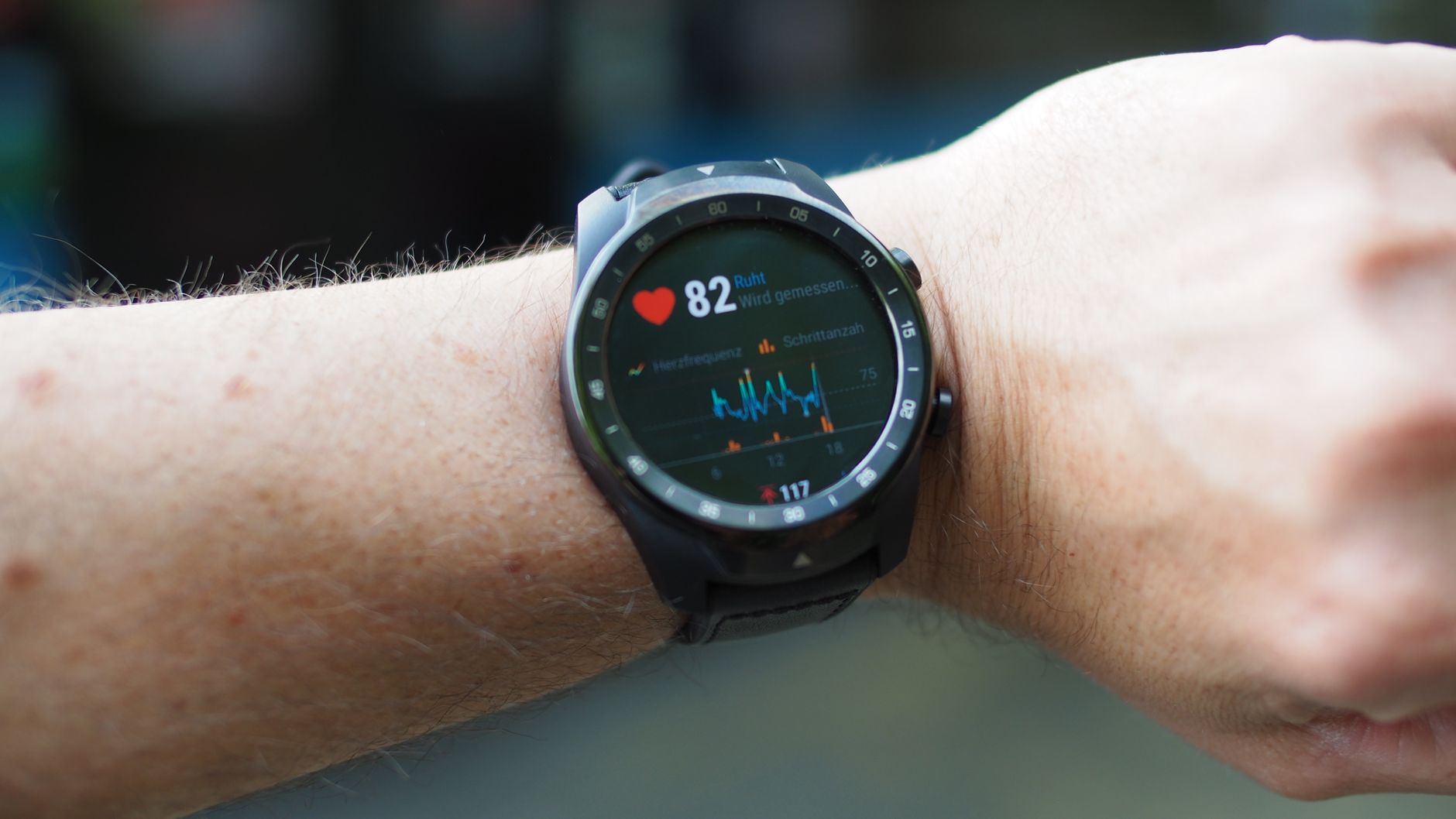
In exercise physiology, zone 2 usually means steady aerobic work performed below the first lactate threshold or first ventilatory threshold, the point where breathing and blood lactate start to climb more noticeably. Outside the lab, the term usually gets translated into a pace where a person can still speak in full sentences, or about 60 percent to 70 percent of maximum heart rate, as in a Cleveland Clinic explainer featuring exercise physiologist Christopher Travers. Those heart-rate formulas are workable shortcuts. They are not the lab definition.
No mystery there. Zone 2 feels sustainable, lets people pile up more minutes, and resembles the kind of easy work endurance athletes do for much of their training. Still, none of that proves an easy pace is metabolically superior for everyone. Observational patterns in elite athletes can reflect total volume, genetics and years of adaptation, not a special property of one intensity band.
What the 2025 review challenged
Gurd and colleagues wrote their 2025 review as a corrective to that leap. Their point was not that low-intensity cardio is useless. It was that the phrase “best intensity” gets ahead of the evidence. The authors noted that claims about zone 2 as the optimal driver of mitochondrial adaptations or fatty-acid oxidative capacity often lean on athlete observations and mechanistic reasoning, while controlled exercise studies also show meaningful benefits from higher intensities.
“current evidence does not support Zone 2 training as the optimal intensity for improving mitochondrial or fatty acid oxidative capacity.”
Brendon J. Gurd et al., Sports Medicine (2025)
For anyone trying to improve metabolic health on limited time, that is the point worth keeping. A narrative review can synthesize a field and call out overstatement, but it is not a new randomized trial. Even so, the skeptical reading fits a broader exercise literature in which interval and vigorous training often produce strong mitochondrial and cardiometabolic adaptations, especially when weekly training time is modest. Zone 2 may be an efficient way to accumulate work. It is not automatically the best choice for every outcome.
What low-intensity training still seems to do
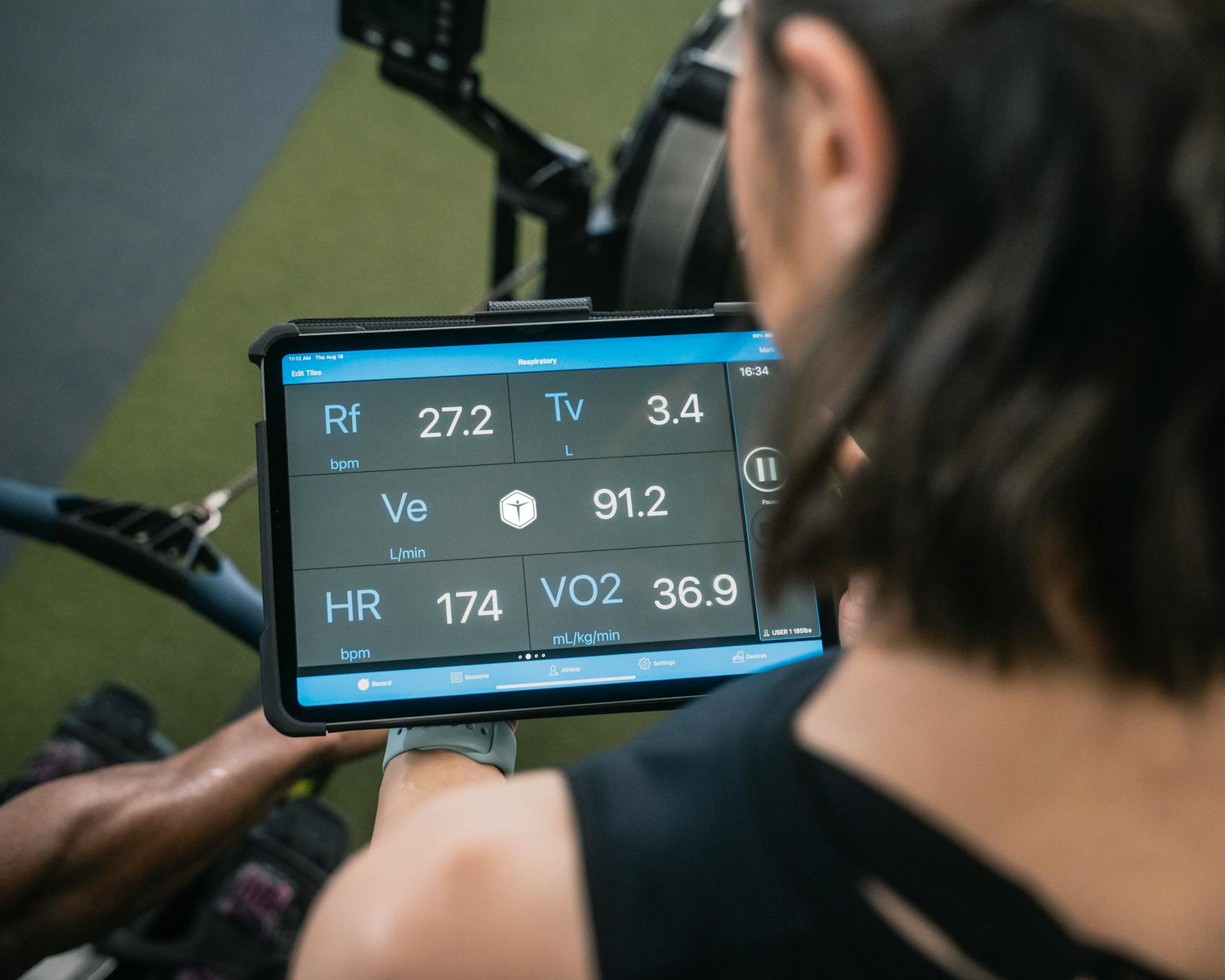
The strongest case for zone 2 is not that it beats every alternative. It is that low-intensity endurance training appears to work well enough to improve fitness and several risk markers in ordinary adults. In the 2026 meta-analysis in Scandinavian Journal of Medicine & Science in Sports, Nuuttila and colleagues pooled 50 studies with 824 participants and found a large effect on relative VO2max, a standard measure of aerobic capacity, and a moderate effect on VT1, the exercise intensity where breathing first shifts upward.

The same paper reported smaller but statistically significant effects on several cardiometabolic markers, excluding glucose. Relative VO2max improved with an effect size of 0.94 Hedges g, while VT1 improved with an effect size of 0.74. That does not mean everyone should train only at low intensity. It does mean easy aerobic work can drive real physiological change, especially in previously untrained or moderately active adults.
“LIT improved aerobic fitness and cardiometabolic health, but effects on fitness were more pronounced.”
Olli-Pekka Nuuttila et al., Scandinavian Journal of Medicine & Science in Sports (2026)
Online, that nuance disappears fast. “Effective” becomes “optimal.” “Sustainable” becomes “scientifically superior.” The 2026 meta-analysis does not make that claim. It shows that low-intensity training improves aerobic fitness and some cardiometabolic outcomes. For people who need an approachable entry point, or a way to increase weekly movement without turning every workout into a maximal effort, that is already a meaningful result.
When harder work may matter more
The same evidence leaves room for harder training. Gurd and colleagues argued in 2025 that if the goal is to maximize mitochondrial or fatty-acid oxidative adaptations, particularly when training time is limited, higher intensities deserve more attention than zone 2 evangelists usually give them. That does not mean every person needs intervals. It means the evidence does not justify treating easy aerobic work as metabolically unmatched.
A better reading of the literature is to treat intensity as a spectrum. Low-intensity sessions are easier to recover from and easier to repeat. Higher-intensity sessions may produce larger gains per minute for some outcomes, but they also create more fatigue and may be less tolerable for beginners, people with joint pain or anyone coming back after inactivity. Christopher Travers of Cleveland Clinic put the practical point simply in a consumer explainer on zone 2 cardio:
“The most important thing is just to get moving.”
Christopher Travers, Cleveland Clinic
That line is less glamorous than influencer talk about mitochondrial magic, but it fits the evidence better. Metabolic health reflects total activity, cardiorespiratory fitness, muscle mass, sleep, diet and medication when needed. One heart-rate zone cannot carry the whole load.
How to use zone 2 without worshipping it
For healthy adults, the evidence supports treating zone 2 as a practical building block rather than a final answer. It can help people add aerobic volume, recover between harder sessions and build a workout habit that feels sustainable. It also makes sense for beginners, for people returning to movement after a sedentary stretch, and for endurance athletes who need plenty of low-stress training.
Current literature does not support the stronger marketing claim that zone 2 is the best intensity for metabolic health in all circumstances. Someone with limited training time may respond well to a mixed program that includes easier work and harder efforts. Anyone with cardiovascular disease, diabetes or other medical conditions should speak with a clinician before changing exercise intensity, because tolerance and risk are individual.
The next research question is straightforward: trials that directly compare lab-defined zone 2 programs with threshold or interval-based plans in general-population adults over meaningful stretches. Until then, zone 2 deserves a place in the toolkit. It does not deserve a halo.
References
- Storoschuk KL, Moran-MacDonald A, Gibala MJ, Gurd BJ. Much ado about zone 2: a narrative review assessing the efficacy of zone 2 training for improving mitochondrial capacity and cardiorespiratory fitness in the general population. Sports Medicine. 2025. https://doi.org/10.1007/s40279-025-02261-y
- Nuuttila OP, Matomäki P, Raitanen J, Sievänen H, Vasankari T. Effects of low-intensity endurance training on aerobic fitness and risk factors of cardiometabolic health in working-age adults: a systematic review and meta-analysis. Scandinavian Journal of Medicine & Science in Sports. 2026. https://pmc.ncbi.nlm.nih.gov/articles/PMC12810095/
The Vitalspell brief
Evidence-based supplement science — weekly in your inbox.
Subscribe