Creatine for Alzheimer's: what the 2026 pilot found
Creatine for Alzheimer's showed metabolic hints in a 20-person pilot, but the 8-week trial is not proof of a cognitive therapy.
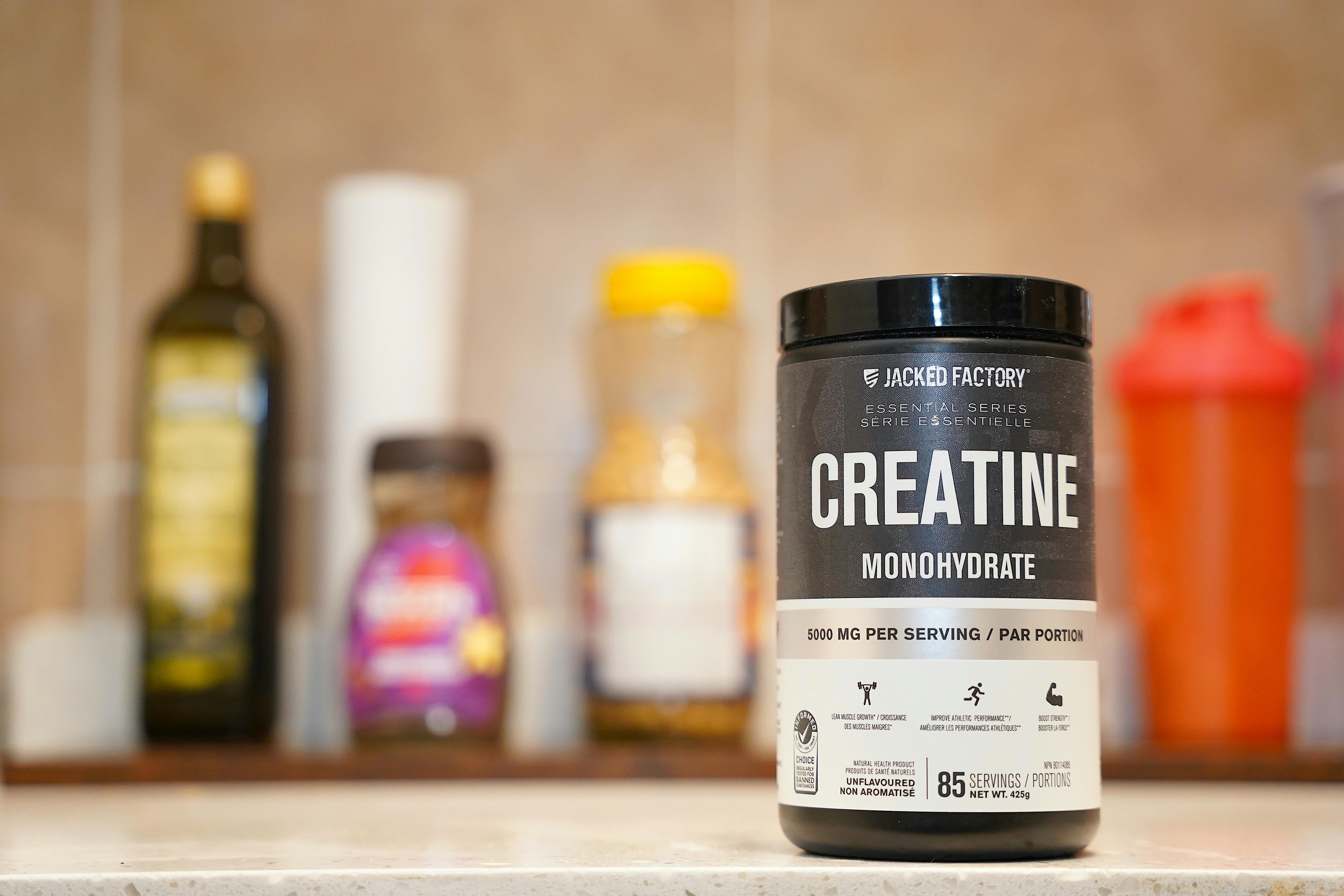
The newest Alzheimer’s creatine paper is quieter than the online chatter around it. It does not prove that the powder slows dementia. It also does not show a clean brain-protective shift on magnetic resonance spectroscopy. The signal is narrower: in a 20-person, single-arm pilot, high-dose creatine monohydrate changed some peripheral energy markers while two brain biomarkers stayed flat.
Because creatine has traveled from gym tubs into brain-health feeds, that distinction matters. The biology is plausible, the sports-nutrition record is long, and the cognition literature is growing. Taylor and colleagues’ new data in Alzheimer’s & Dementia belong in that evidence base as early mechanistic work, not as a treatment recommendation.
Caution is the only fair reading. Creatine for Alzheimer’s deserves a randomized trial. It is not ready to be sold as memory therapy.
The pilot found an energy signal, not a clinical answer
In the 2026 paper, Bioenergetic data from a creatine monohydrate pilot trial in Alzheimer’s disease, 20 people with Alzheimer’s disease took 20 g/day of creatine monohydrate for eight weeks. That is a research dose, not a general recommendation; consult your doctor before starting any supplement.

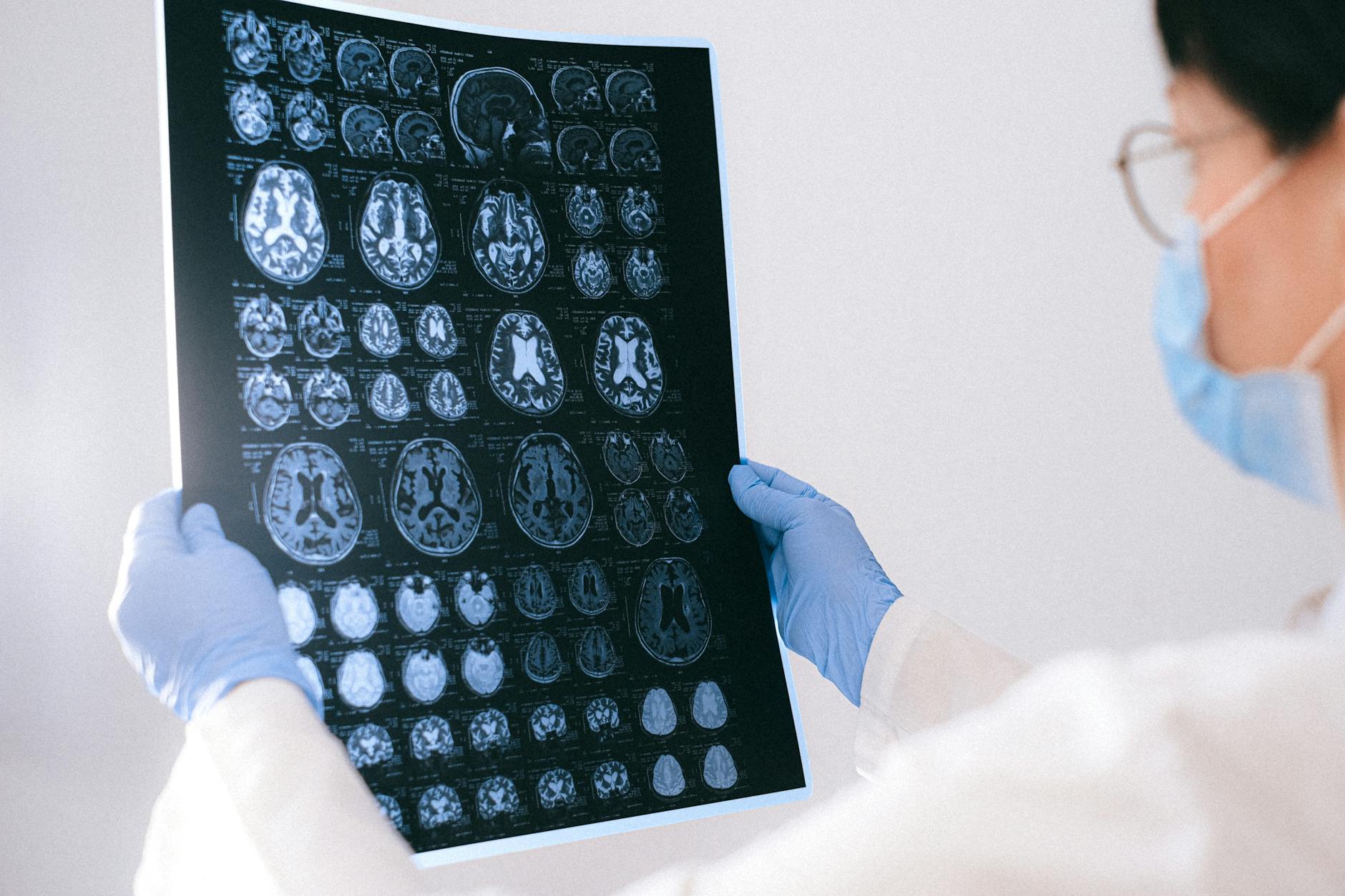
For the brain readouts, the investigators measured N-acetylaspartate, usually treated as a marker of neuronal integrity, and glutathione, a key antioxidant, using magnetic resonance spectroscopy. Neither changed. Any claim that creatine “recharged” the Alzheimer’s brain runs into that result first.
Outside the scan room, the picture looked different. Lymphocyte ADP and ATP rose significantly. In women, platelet and lymphocyte mitochondrial respiration increased across several respiration states. Superoxide and hydrogen peroxide stayed stable, a useful safety clue because an energy intervention that worsened oxidative stress would raise a different set of concerns.
Taylor et al. put the result carefully:
“These data suggest CrM may augment systemic energy availability in both sexes and mitochondrial capacity in a sex-specific manner in AD.”
Taylor et al., Alzheimer’s & Dementia (2026)
Every hedge in that sentence earns its place. “May augment” is not “treats.” “Systemic energy availability” is not cognition. A sex-specific signal is more than a footnote when only 35% of the sample was female.
Why creatine is a plausible Alzheimer’s target
Alzheimer’s disease is not only an amyloid-and-tau story. Brain energy metabolism changes early in the disease process, and the creatine system helps buffer ATP demand in tissues that need quick energy. Smith, Morris, Carbuhn and colleagues made that case in the 2023 review Creatine as a Therapeutic Target in Alzheimer’s Disease, before these human pilot data existed.

Creatine phosphate can donate a phosphate group to regenerate ATP during periods of high demand. In muscle, that mechanism helps explain why the supplement improves short bursts of performance. In the brain, the hypothesis is more tentative: if energy buffering is impaired in Alzheimer’s, extra creatine might help cells handle bioenergetic stress.
Mechanisms are cheap, though. Alzheimer’s research has many of them, and most have not become useful therapies. The Taylor trial is valuable because it asks whether this one moves in humans with the disease. Its limit is the same point: the answer is still indirect.
One reading is that creatine reached relevant physiology. Another is that a small uncontrolled study picked up peripheral shifts that may never translate to the brain or to daily function. Both readings can justify the next trial.
The earlier pilot was more exciting, and also less decisive
A related 2025 single-arm pilot from the same group, Creatine monohydrate pilot in Alzheimer’s, found that supplementation was feasible, serum creatine rose, brain total creatine increased by 11%, and several cognitive test scores improved after eight weeks. Nineteen of 20 participants reached at least 80% compliance.
Those findings look more patient-relevant than the 2026 bioenergetics paper. They also run straight into the clinical-trial analyst’s objection: without a placebo group, cognitive improvement is difficult to interpret. Practice effects, study attention, expectation, day-to-day variability, and the sensitivity of short cognitive tests can all make an eight-week before-and-after study look better than it is.
A randomized controlled trial would answer the central question, not tidy up a detail. Does the cognitive signal survive when participants and researchers cannot tell who is taking creatine?
Muscle may be the more immediate clue. In a 2025 Frontiers in Nutrition report, Smith, Sullivan, Morris and colleagues found that eight weeks of creatine was associated with a 1.9 kg increase in dominant-hand grip strength and larger quadriceps cross-sectional area. Lower-body dynamometry did not change, and the study was still single-arm. For families living with Alzheimer’s, though, mobility and muscle preservation are not secondary concerns. They shape falls, independence, and caregiver burden.
If creatine ever finds a role in Alzheimer’s care, the first useful effect may not be a dramatic memory change. A modest physical-function effect in a frail population would be less viral than “brain supplement slows Alzheimer’s,” but it is the more plausible early target.
The broader cognition literature argues for restraint
Creatine is not a fringe compound. A 2024 systematic review and meta-analysis in Frontiers in Nutrition pooled 16 randomized trials involving 492 adults and found evidence that supplementation improved memory, attention time, and processing speed. The same analysis did not find benefits for overall cognition or executive function. Xu, Bi, Zhang and Luo graded the evidence for memory as moderate, while other domains were low-certainty.
That mixed pattern should slow the leap from healthy-adult cognition to Alzheimer’s treatment. The literature does not say creatine is useless. Nor does it say creatine is a broad cognitive enhancer, or that Alzheimer’s disease should be treated like sleep deprivation, vegetarian dietary status, aging, or general fatigue.
Recent Guardian reporting captured the public-facing caution well, quoting researchers who warned against turning suggestive evidence into a universal supplement message:
“I think saying ‘everybody should take creatine’ is a jump too far at this stage.”
Kate Lloyd / Bethan Crouse, quoted in The Guardian
The same register fits Alzheimer’s. A supplement can be safe for many healthy adults and still be unproven for a neurodegenerative disease. A mechanistic signal can be worth funding without becoming a recommendation.
The sex-specific result should shape the next trial
Coverage can easily flatten one of the more interesting parts of the 2026 study. Mitochondrial respiration increased in females only, across platelet and lymphocyte measures. In a 20-person sample with seven women, that finding is unstable. It is still not ignorable.
Women have a higher lifetime risk of Alzheimer’s disease than men, partly because they live longer, and probably not only because they live longer. Sex differences in mitochondrial biology, hormones, muscle mass, and creatine kinetics could matter. The pilot cannot sort those pathways. It can tell future investigators not to bury sex-stratified analysis in a supplement trial that is already probing energy metabolism.
A larger study should be designed around that uncertainty. Randomize participants to creatine or placebo. Track adverse effects and adherence at a dose people can sustain. Pre-specify cognitive outcomes, daily-function outcomes, muscle outcomes, and bioenergetic biomarkers. Power the trial to test whether women and men respond differently, or at least to avoid treating sex as noise.
Maybe the best endpoint will not be a single memory score. A more persuasive result would look like a pattern: brain creatine, mitochondrial measures, gait or grip, caregiver-rated function, and cognitive tests moving in a coherent direction.
What families should take from this
For caregivers, the practical question is blunt: should someone with early Alzheimer’s start creatine now? The research does not support a blanket yes.
Several caveats sit in front of that decision. The pilot dose was high. The sample was tiny. There was no control group. Brain biomarkers in the newer bioenergetic paper did not change. Creatine can also run into the ordinary realities of care, including kidney-function monitoring, gastrointestinal tolerance, pill or powder burden, and the risk that families spend attention on an unproven supplement while missing interventions with stronger evidence.
None of that kills creatine as a research idea. It makes creatine a candidate. The fair conclusion is that the supplement has enough biological rationale and early human signal to deserve a serious randomized trial in Alzheimer’s disease. It does not yet have enough evidence to be treated as a cognitive therapy.
The hype version asks whether creatine is secretly slowing Alzheimer’s. The research version asks a better question: can improving energy handling, in the brain, muscle, or immune cells, change anything patients and caregivers can feel?
For now, the honest answer is not yet.
References
- Taylor MK, Smith AN, Choi I-Y, Lee P, Kelly E, et al. Bioenergetic data from a creatine monohydrate pilot trial in Alzheimer’s disease. Alzheimer’s & Dementia. 2026. https://doi.org/10.1002/trc2.70228
- Smith AN, Choi I-Y, Lee P, Sullivan DK, Burns JM, et al. Creatine monohydrate pilot in Alzheimer’s: feasibility, brain creatine, and cognition. Alzheimer’s & Dementia. 2025. https://doi.org/10.1002/trc2.70101
- Smith AN, Sullivan DK, Morris JK, Carbuhn AF, Herda TJ, Taylor MK. Eight weeks of creatine monohydrate supplementation is associated with increased muscle strength and size in Alzheimer’s disease: data from a single-arm pilot study. Frontiers in Nutrition. 2025. https://doi.org/10.3389/fnut.2025.1670641
- Xu C, Bi S, Zhang W, Luo L. The effects of creatine supplementation on cognitive function in adults: a systematic review and meta-analysis. Frontiers in Nutrition. 2024. https://doi.org/10.3389/fnut.2024.1424972
- Smith AN, Morris JK, Carbuhn AF, Herda TJ, Keller JE, et al. Creatine as a therapeutic target in Alzheimer’s disease. Current Developments in Nutrition. 2023. https://doi.org/10.1016/j.cdnut.2023.102011
Cognitive science writer covering nootropics, focus protocols, and the evidence behind brain supplements. Reports from Stockholm.
The Vitalspell brief
Evidence-based supplement science — weekly in your inbox.
Subscribe