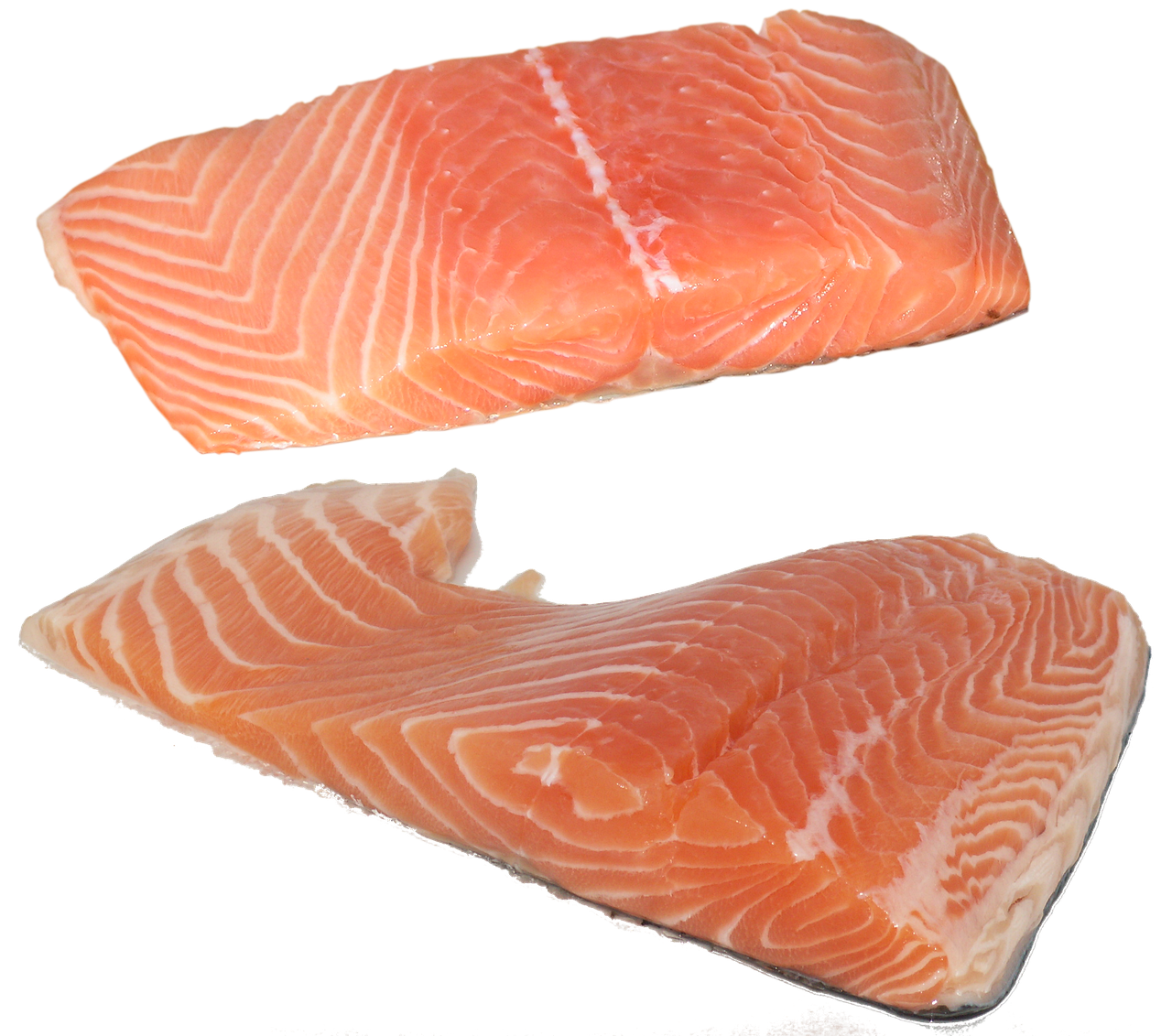
Which oily fish actually deliver meaningful omega-3?
Which oily fish actually deliver meaningful omega-3? Salmon, sardines, mackerel and trout lead, but heart evidence is narrower than fish-oil marketing.
Salmon and sardines can carry a surprisingly large omega-3 payload. But the heart evidence is narrower than the supermarket shorthand. A 2021 meta-analysis by Safi U. Khan and colleagues in eClinicalMedicine found its strongest signal in trials using eicosapentaenoic acid, or EPA, by itself. Trials that combined EPA with docosahexaenoic acid, or DHA, produced smaller and less consistent gains.
Anyone building a shopping list faces a more specific question than which fish contain omega-3. Which oily fish put enough EPA and DHA on the plate to matter, and where does ordinary food advice stop before it turns into supplement marketing? The dependable shortlist is familiar for a reason: salmon, sardines, mackerel, herring, anchovies and trout recur in NIH guidance on omega-3 food sources and in American Heart Association advice on fatty fish intake.
What counts as an oily fish
Compared with lean white fish such as cod or haddock, oily fish store more fat in their tissues. That fat is where EPA and DHA concentrate. Those are the two marine omega-3s most often tested in cardiovascular trials, and the USDA’s seafood guidance says it without much flourish.
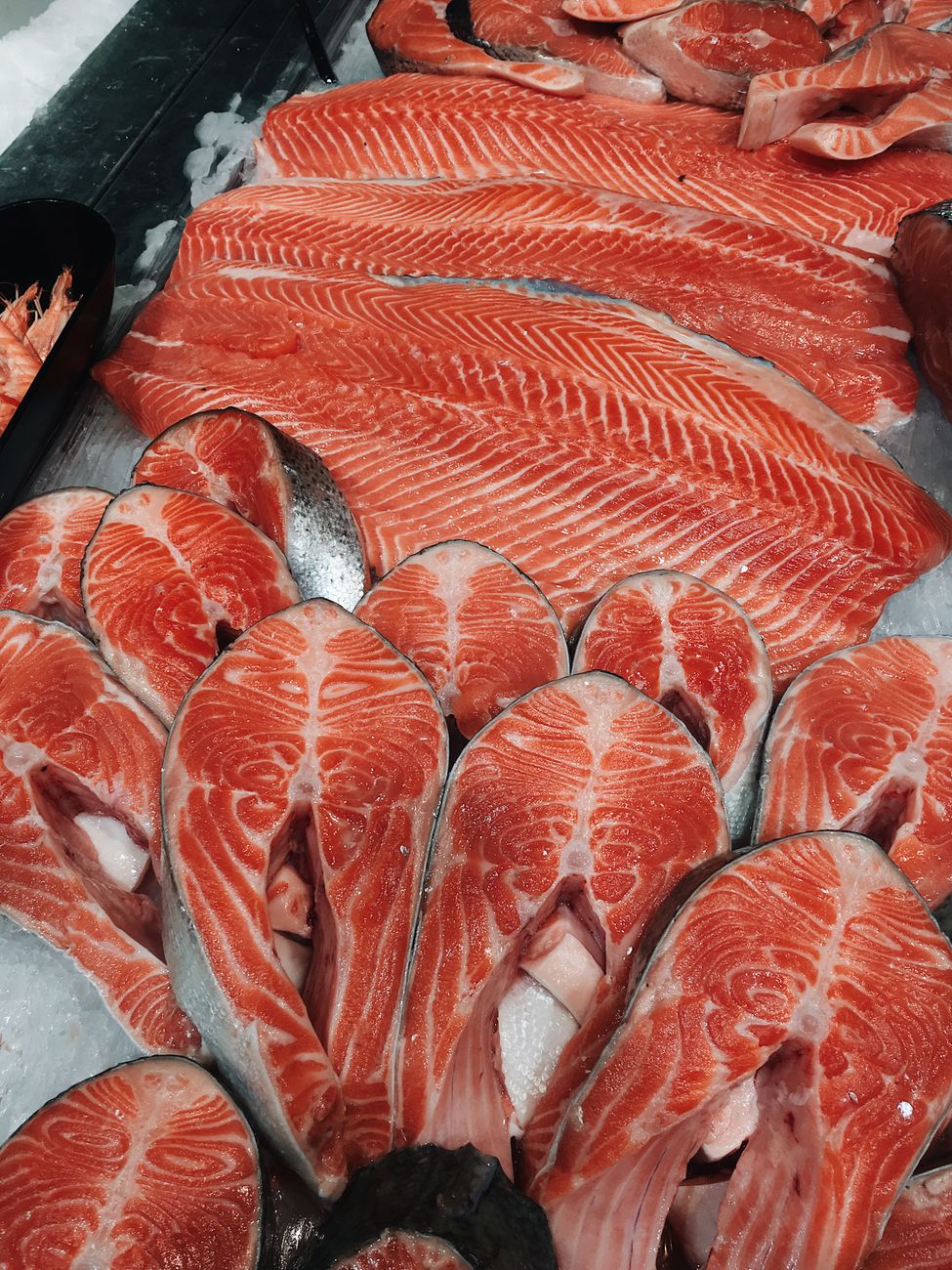
“Two omega-3s—EPA and DHA—are abundantly available in oily fish such as salmon, mackerel, herring, sardines, anchovies, trout, and tuna.”
— USDA ARS Online Magazine
Taken literally, that quoted list narrows the field fast. Tell people to eat more seafood and they may choose shrimp, tilapia or a tuna salad sandwich, none of which reliably lands in the same EPA and DHA range as salmon, sardines or mackerel. A more evidence-based version is narrower. Some fish are dense omega-3 foods; others are nutritious for different reasons.
The American Heart Association keeps its consumer advice practical rather than biochemical.
“The American Heart Association recommends eating 2 servings of fish (particularly fatty fish) per week.”
“A serving is 3 ounces cooked, or about 3/4 cup, of flaked fish.”
— American Heart Association
A portion size matters here. It turns omega-3 from a nutrient buzzword into a dinner amount. Just as important, it marks a line that wellness marketing often blurs: food guidance is built around regular eating patterns, while trial results usually come from defined formulations and doses.
Why the cardiovascular evidence is more specific than the sales pitch
Here the evidence gets narrower. In the 2021 eClinicalMedicine review, cardiovascular mortality fell more in EPA-only trials than in trials that used EPA plus DHA together. The relative risk, which compares outcomes in the treatment and control groups, was 0.82 for EPA monotherapy and 0.94 for EPA plus DHA. Because lower numbers suggest lower risk, the EPA-only estimate was the sharper result.
A 2026 meta-analysis led by Sepideh Karkon Shayan in Pharmacology Research & Perspectives kept that distinction in view. The paper revisited cardiovascular outcomes and atrial fibrillation risk across DHA and EPA supplementation studies. Standing at the fish counter, a reader does not need to conclude that salmon somehow failed. A better lesson is that the best-known heart outcomes came from interventions more precise than a broad promise that fish oil, in any form, will behave the same way.
Overstatement usually begins here. Eating oily fish is a sensible way to raise EPA and DHA intake. It may fit broader dietary patterns linked with cardiometabolic health. But a serving of salmon is not a prescription-strength EPA capsule, and a can of sardines does not prove that every combined fish-oil supplement inherits the same trial record. The food case and the formulation case overlap. They are not identical.
A practical shortlist for the dinner plate
In most kitchens, six fish do the work in this conversation: salmon, sardines, mackerel, herring, anchovies and trout. They recur across the NIH fact sheet, AHA advice and the USDA’s plain-language seafood guide because they give readers something concrete to buy.

Serving data make the point. The USDA notes that five ounces of cooked farmed Atlantic salmon can supply about 1,800 mg of omega-3s, while 4.5 ounces of cooked farmed rainbow trout can provide about 1,115 mg. Those are substantial amounts. This is why some oily fish qualify as meaningful sources, while lower-fat seafood often does not.
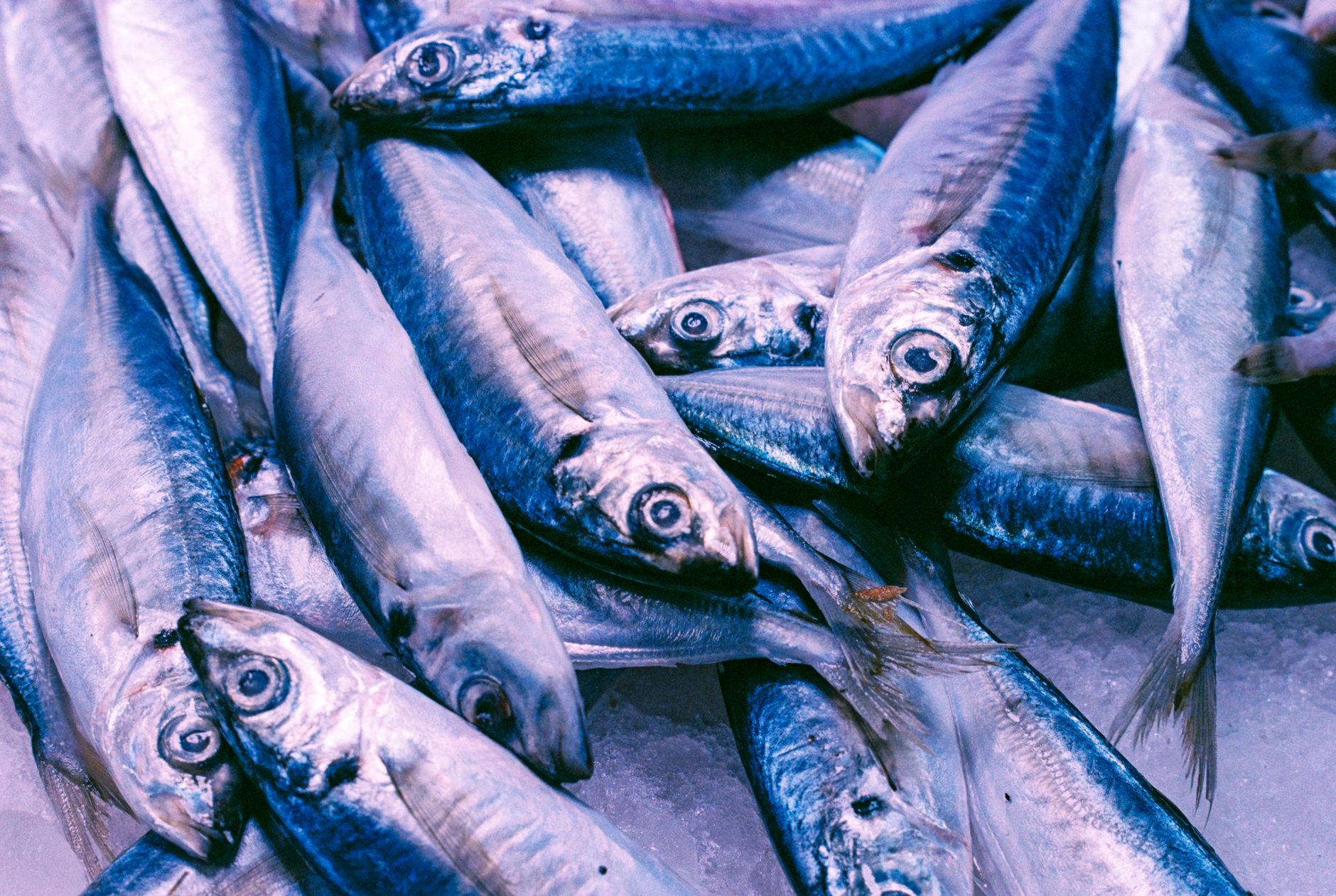
Sardines and anchovies deserve a little extra attention because they make the shortlist easier to use. They are widely sold tinned, keep well and usually cost less than fresh salmon fillets. Mackerel and herring can be dense sources too, though availability varies more by market. No one needs to turn this into a seafood ranking. If the goal is to raise EPA and DHA intake through food, a small group of oily fish does most of the work, and the rest of the fish counter is secondary.
What to watch next
Research is still answering two questions. One branch asks whether purified omega-3 formulations change cardiovascular outcomes under trial conditions. Another asks how to encourage a food pattern that delivers EPA and DHA without overselling what dinner alone has proven. The questions touch, but they should not be collapsed into one claim.
Least flashy is probably most useful. Oily fish matter, and specific oily fish matter most. Salmon, sardines, mackerel, herring, anchovies and trout are the species most likely to deliver meaningful EPA and DHA in an ordinary meal. The heart-benefit story gets weaker when the language turns generic. It gets stronger again when the source, serving and formulation are named precisely.
References
- Khan SU, et al. Effect of omega-3 fatty acids on cardiovascular outcomes: a systematic review and meta-analysis. eClinicalMedicine. 2021. https://www.sciencedirect.com/science/article/pii/S2589537021002777
- Karkon Shayan S, et al. Meta analysis of DHA and EPA supplementation on cardiovascular outcomes and atrial fibrillation risk. Pharmacology Research & Perspectives. 2026. https://bpspubs.onlinelibrary.wiley.com/doi/full/10.1002/prp2.70265
The Vitalspell brief
Evidence-based supplement science — weekly in your inbox.
Subscribe