Which oily fish actually give you the most omega-3?
Which oily fish actually deliver the most EPA and DHA? A 2025 Cambridge review reveals farmed salmon now contains far less omega-3 than it did 20 years ago — here's what to eat instead.
A lot of omega-3 advice collapses into “eat more fish.” But the evidence turns on two specific long-chain fatty acids — eicosapentaenoic acid (EPA) and docosahexaenoic acid (DHA) — and not all oily fish deliver them equally. A 2025 review in Nutrition Research Reviews lays this out plainly: farmed salmon, the oily fish most consumers reach for, now contains considerably less EPA and DHA than it did two decades ago. If you are eating fish for the omega-3s specifically, the species matters more than most people realize.
“Omega-3” is shorthand that hides a hierarchy. Alpha-linolenic acid (ALA), found in flaxseed and walnuts, is a short-chain omega-3 the body converts to EPA and DHA at rates below 5 to 10 percent. EPA and DHA are the long-chain forms that drive the cardiovascular and cognitive benefits seen in trials. The NIH Office of Dietary Supplements is blunt about it: “The omega-3 content of fish varies widely.” The question is not whether fish is healthy. It is which fish, and how much.

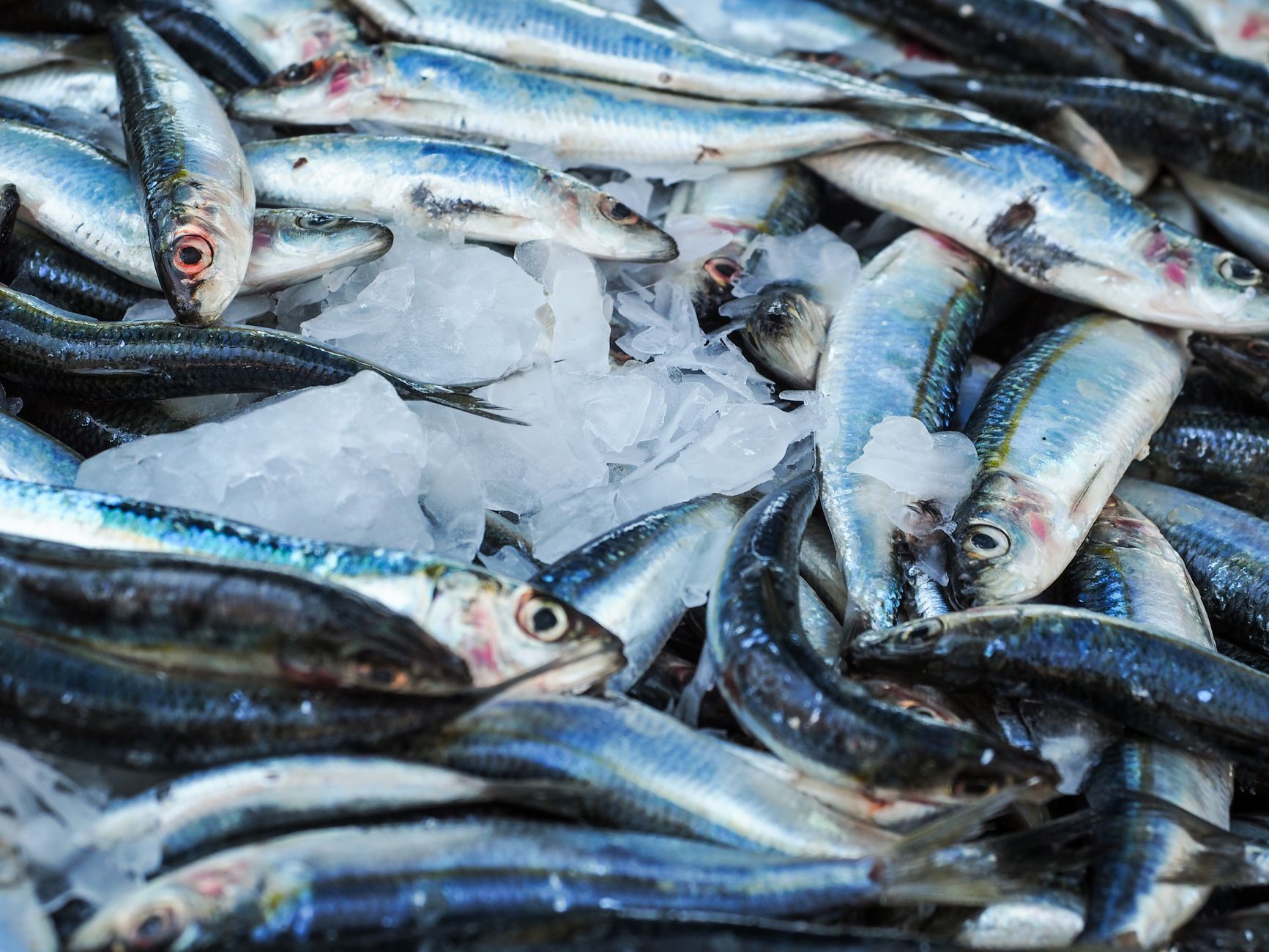
When researchers at the University of Stirling and Shantou University modelled the actual EPA and DHA delivered by common seafood choices in a 2026 Scientific Reports study, the numbers were sobering. A single 140 g portion of Atlantic mackerel meets the UK’s recommended intake of 3.15 g of EPA and DHA per week on its own. Herring, sardines, and wild salmon come in at roughly half to two-thirds of that target per portion. Farmed salmon sits lower — and the gap has been growing for years. Canned versions hold up reasonably well: a 2021 Nutrients analysis confirmed that canned fatty coldwater fish retain meaningful EPA and DHA levels, which makes them a practical, shelf-stable alternative to fresh fillets.
The omega-3 content of fish varies widely.
— NIH Office of Dietary Supplements
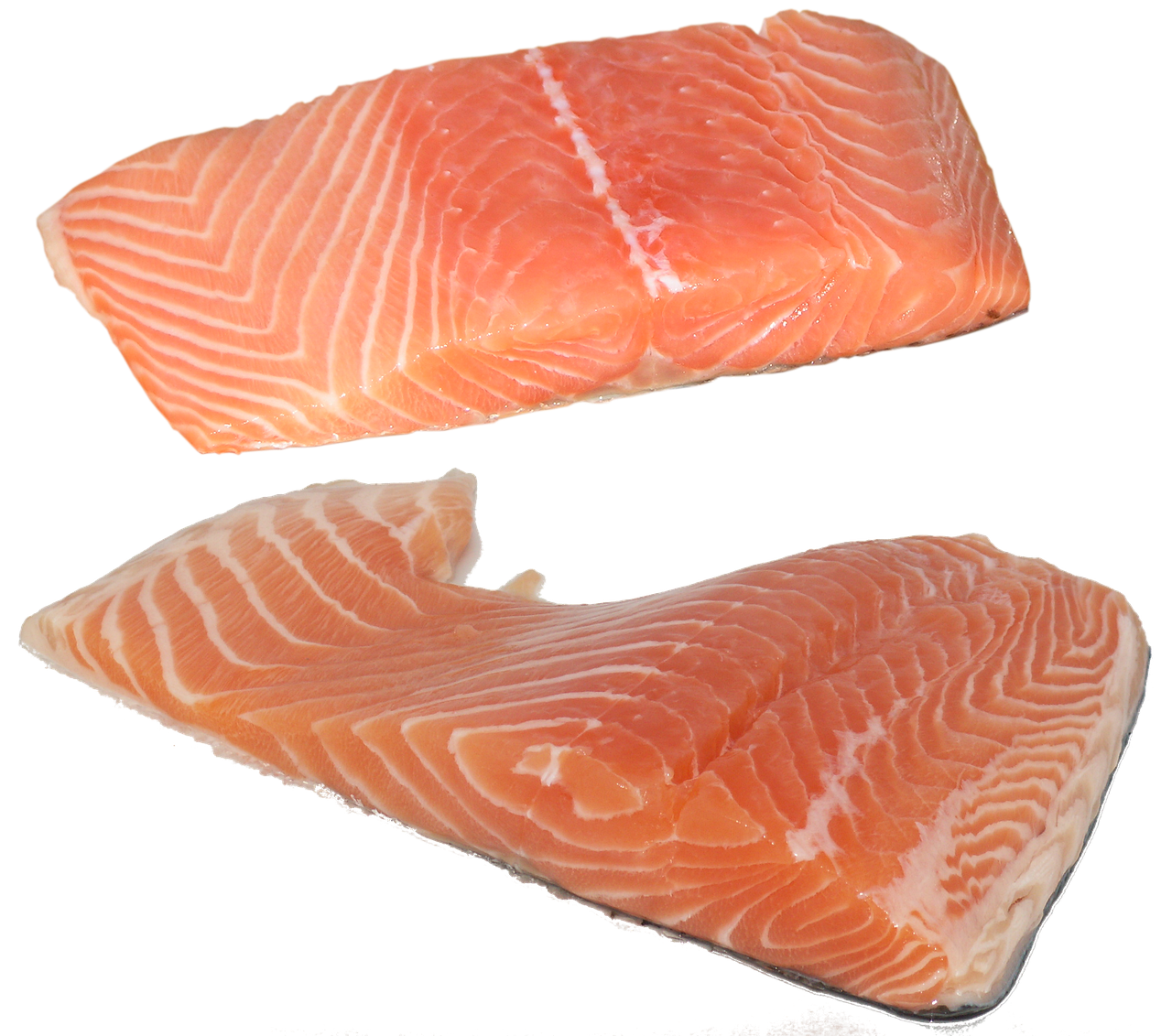
Farmed salmon’s declining omega-3 content is not a mystery. As the Minihane review details, aquaculture feed has shifted from fish oil to cheaper plant oils — soy, rapeseed, and linseed — over the past 20 years. The switch keeps production costs down and makes salmon farming more sustainable on paper, but it thins out the fatty acid profile that gave salmon its nutritional reputation. The review warns that “one portion per week will no longer provide the equivalent of 450 mg EPA + DHA per day,” the UK’s long-standing population recommendation. Someone buying a salmon fillet in 2026 is not getting the same omega-3 dose their parents got from the same purchase in 2004.

Where does this leave someone trying to get enough EPA and DHA from food? A handful of species dominate the evidence, and supplements fill a narrower role than most people assume. Atlantic mackerel, herring, and sardines top the Tocher et al. 2026 rankings for EPA and DHA density. When the researchers simulated two-portion weekly combinations — the standard American Heart Association advice — 75 percent of combinations met the lower European Food Safety Authority target, but only 11 percent reached the UK’s more ambitious recommendation. A weekly plate that alternates between mackerel and sardines gets you there; two portions of farmed salmon may not. Anchovies, often overlooked outside Mediterranean cooking, also rank among the densest sources per gram, though typical portion sizes are small.
The American Heart Association recommends eating 2 servings of fish (particularly fatty fish) per week.
— American Heart Association
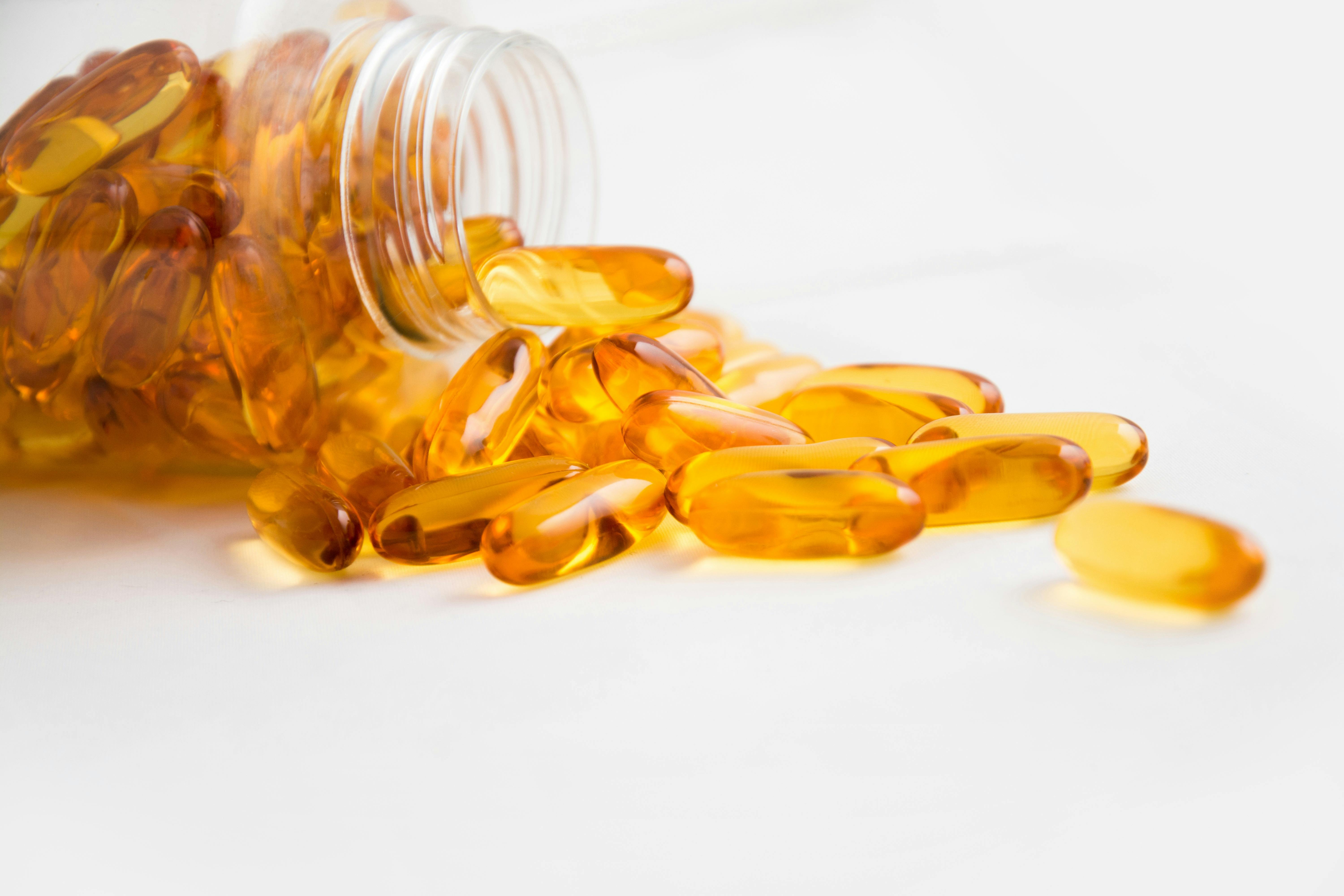
Supplements help, but they are not a drop-in replacement for food. The Minihane review notes that doses of at least 1.5 g of EPA and DHA per day are typically needed for anti-inflammatory, triacylglycerol-lowering, and antihypertensive effects — well above what most people get from diet or a single daily capsule. Randomized controlled trials showing cognitive benefits tend to use doses of 840 mg or more per day, also higher than what a standard 300 mg softgel delivers. In populations where typical EPA and DHA intake sits below 200 mg per day, as the review notes is common, neither food nor a standard-dose supplement reaches the therapeutic threshold without deliberate effort. High-concentration prescription formulations exist, but they are a different category from over-the-counter fish oil.
The practical upshot is not about counting milligrams. It is about picking the right species. Mackerel, herring, and sardines reliably deliver the highest EPA and DHA per portion. Farmed salmon remains a healthy food — it supplies protein, selenium, and vitamin D — but treating it as a standalone omega-3 strategy is a mistake. Two portions of oily fish per week remains sound guidance, provided at least one comes from the top of the EPA-and-DHA leaderboard.
Dietary guidelines in both the UK and US have not been revised since 2004. As farmed-fish fatty acid profiles continue to shift and global demand for omega-3s rises, the gap between official advice and what is actually on the plate will only widen. Updated recommendations are likely coming. Until they arrive, the evidence points to mackerel, herring, and sardines — not because they are trendy, but because the numbers back them up.
References
- Lewis E, Steenson S, Haslam RP, et al. Sustainable and available sources of omega-3 fatty acids for health: are the current dietary recommendations, food sources and legislation fit for purpose? Nutrition Research Reviews. 2025. https://doi.org/10.1017/S0954422425100127
- Sprague M, Betancor MB, Rolland A, Tocher DR. Evaluating the adequacy of current dietary guidelines for seafood as a source of long-chain omega-3 fatty acids. Scientific Reports. 2026. https://doi.org/10.1038/s41598-026-41320-w
- Singer P, Richter V, Singer K, Löhlein I. Analyses and declarations of omega-3 fatty acids in canned seafood with a focus on fatty coldwater fish. Nutrients. 2021;13(9):2970. https://doi.org/10.3390/nu13092970
The Vitalspell brief
Evidence-based supplement science — weekly in your inbox.
Subscribe